Can the Hydraulic Trough Cover Manipulator Operate Under High Temperature and Dusty Cast House Conditions?
Can the Hydraulic Trough Cover Manipulator Operate Under High Temperature and Dusty Cast House Conditions?
Understanding the Challenges of Operating in Harsh Cast House Conditions
- Understanding the Challenges of Operating in Harsh Cast House Conditions
- Design Principles Behind High-Temperature and Dust-Resistant Cover Manipulators
- Advantages Over Manual Handling and Alternative Mechanical Systems
- Best Practices for Maintaining Cast House Cover Manipulators
- Procurement Considerations for Extreme-Environment Hydraulic Manipulators
- Conclusion
- FAQ
- Request a Custom Quote From SMEC's Trough Cover Manipulator Team
- References
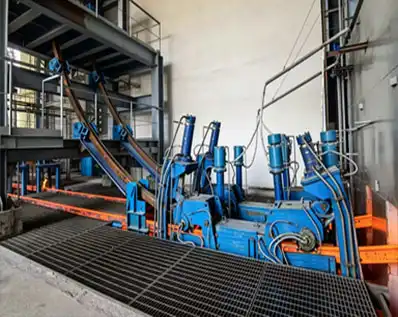
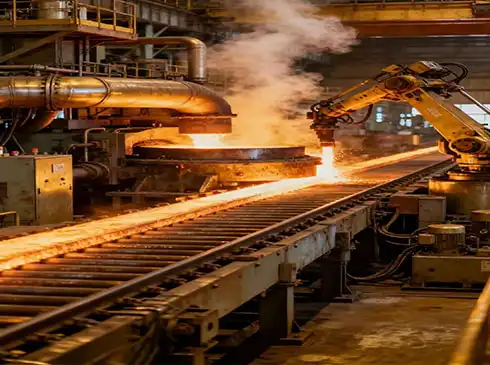
The short answer is yes — and not just barely. The trough cover manipulator for blast furnace iron tapping trough developed by SMEC is purpose-built to endure the most punishing conditions a cast house can produce. Radiant heat exceeding 1,000°C, airborne coal dust, molten iron splashes, and continuous mechanical vibration are not edge cases here — they are the daily operating reality. This article walks through exactly how modern hydraulic cover manipulators handle these stressors, what design features make that possible, and what buyers should evaluate before making a procurement decision.
Understanding the Challenges of Operating in Harsh Cast House Conditions
For anyone who has been near a blast furnace cast house, they know that the air is not good for machines. When iron tapping is going on, the temperature around the runner system can rise very quickly, and fine particles like coal dust, coke powder, and iron oxide are always moving around the work area.
Why Standard Hydraulic Equipment Fails Here?
Standard trough cover manipulators for blast furnace iron tapping trough were not made to work in these situations. When heated for a long time, hydraulic valves break down quickly. Cylinder gaps and valve bodies get dusty. When thermal cycling is paired with mechanical shock from moving and placing the cover, metal wears out faster. The failure chain is then easy to see: seal wear leads to fluid contamination, which in turn causes valves to stick, which in turn causes arm movement to become erratic, which in turn stops all production.
These mistakes have effects that go beyond the cost of fixing them. Unplanned downtime during a tapping cycle puts workers in danger and throws off the whole process downstream of the blast furnace.
Design Principles Behind High-Temperature and Dust-Resistant Cover Manipulators
Making a reliable trough cover manipulator for blast furnace iron tapping trough doesn't just mean making small changes to a general-purpose hydraulic arm; it requires careful material choice and structural architecture.
Heat-Resistant Structure and Full Dust Encapsulation
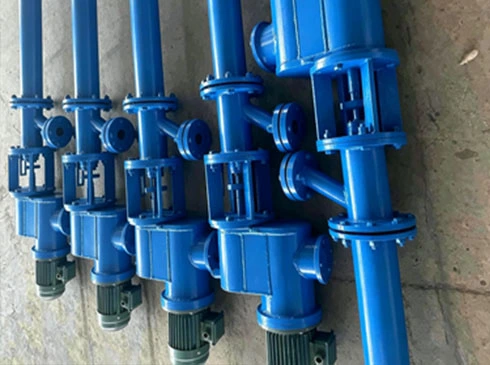
The main body of SMEC's trough cover manipulator for blast furnace iron tapping trough is surrounded by a housing made of multiple layers of heat protection. This keeps the shape stable even after being exposed to heat for a long time while protecting internal parts from direct heat. All of the hydraulic cylinders, control valves, and electrical assemblies are completely sealed and protected from dust. If you use this method, you get rid of the main way that particles usually get into precision parts and damage them.
Wear-Grade Alloy Components for Long Service Life
The gearbox parts and mechanical joints are made from wear-resistant, high-temperature alloys that go through an extra hardening process. These are the parts that suffer the most total heat and frictional stress. It is possible for these parts to last for a long time without breaking or deforming, and they keep their shape over many cycles of use without needing to be replaced too soon.
These design choices have a direct effect on the continuation of operations. A trough cover manipulator for blast furnace iron tapping trough that keeps its mechanical accuracy after months of being exposed to a cast house all the time is not a luxury; it is the standard for any plant that has tapping plans that run around the clock.
Advantages Over Manual Handling and Alternative Mechanical Systems
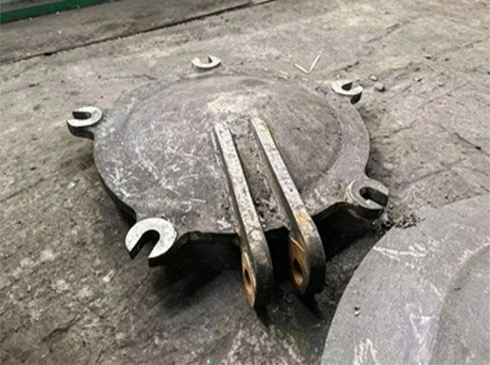
When working conditions get really bad, trough cover manipulators for blast furnace iron tapping trough are clearly better than manual cover handling and electric-drive options.
Here are the core performance advantages that distinguish hydraulic systems in this application:
- Thermal resilience of hydraulic drive systems: Unlike electric servo motors, hydraulic devices can handle high temperatures without signal slip, encoder failure, or thermal derating. In a cast house, where temperatures near the runner often rise above 80°C, this tolerance is important for normal operations.
- Elimination of direct personnel exposure: When workers move the cover by hand, they have to work in the area of bright heat and fumes around the tapping runner. A trough cover manipulator for blast furnace iron tapping trough moves the operator to a remote control point, which completely eliminates that risk.
- Vibration-dampening structural design: SMEC's trough cover manipulator for blast furnace iron tapping trough has anti-vibration architecture built into the frame and mounting interface. This absorbs the mechanical shock that is created when the cover is put down and when the cast house floor moves. This keeps the fasteners from coming loose and the structure from wearing out over time.
All of these benefits solve the main problem with under-specified equipment's dependability in this setting. A trough cover manipulator for blast furnace iron tapping trough that can handle the weight of a refractory-lined cover, which can be anywhere from a few hundred kilograms to over five metric tons, while working in heat, dust, and vibration at the same time is a significant engineering achievement.
Best Practices for Maintaining Cast House Cover Manipulators
Even a trough cover manipulator for blast furnace iron tapping trough that is very well built needs to follow strict maintenance procedures to keep working well for many years.
Scheduled Inspection and Hydraulic Fluid Management
Every cylinder link and joint contact should have a seal integrity check done once a month. At least once every three months, sampling the hydraulic fluid finds contamination or heat degradation before it affects the system's performance. If you notice fluid degradation early on, you can stop abrasive particles from moving through precision valve parts.
Dust Control and Cleaning Protocols
Cleaning the outside of the enclosure and airflow paths on a regular basis keeps dust from acting as thermal insulation over heat-generating parts. When air is blocked, the temperature inside rises faster, which shortens the life of seals even if the seals themselves are still in good shape.
Lockout/tagout measures must be strictly followed at all times during repair work. When hydraulic pressure is stored and temperatures are high, it creates more risks that need formal safety rules.
Procurement Considerations for Extreme-Environment Hydraulic Manipulators
When looking at a trough cover manipulator for blast furnace iron tapping trough, procurement teams should ask for more than just catalog specifications. They should also ask for performance data that has been confirmed and is specific to the cast house.
Key evaluation criteria include how well the hydraulic pressure stays in place under thermal load, whether the sealing system is certified for use in dusty and hot environments, and the supplier's track record of deploying similar systems in blast furnaces. Customization is also important, since blast furnace cast houses have a lot of different runner shapes, cover sizes, and fitting areas.
SMEC provides OEM engineering support that changes the designs of trough cover manipulators for blast furnace iron tapping trough to meet the needs of each site. This includes adjusting the arm reach, lifting capacity, and integration of the control system. Lead times, the ability to get expert help after the sale, and the availability of spare parts are all things that have a big impact on the total lifecycle cost and should be talked about at every buying meeting.
Conclusion
A trough cover manipulator for blast furnace iron tapping trough working in a blast furnace cast house has to deal with heat, dust, vibration, and mechanical shock all the time. Anything that wasn't designed to work in these conditions will not work well and will break down early. The SMEC trough cover manipulator for blast furnace iron tapping trough is made to deal with all of these factors from the component level up. It does this by using sealed enclosures, heat insulation structures, alloy-grade wear parts, and construction that reduces vibrations. The end result is a system that works reliably during full production plans and doesn't need a lot of upkeep.
FAQ
Can the manipulator handle continuous 24/7 cast house operation without overheating?
Yes. The housing is insulated against heat loss, and the hydraulic enclosures are completely sealed. This lets the machine run continuously in conditions of high radiant heat that are common in active blast furnace cast houses. The method is designed to work best with tapping plans that run all the time.
What is the recommended maintenance interval for the hydraulic components?
It is common to check the seals and joints once a month. Every three months, the whole system should be checked and the hydraulic fluid should be analyzed in detail. This schedule is enough to keep the cast house running normally and avoid unplanned downtime.
Can the system be customized to fit different runner and cover configurations?
Yes, SMEC helps OEM engineers change the shape of arms, their lifting ability, and how they talk to controls so they work with different blast furnace plans. The pre-order planning part takes care of cover measurements that aren't standard and installation restrictions that aren't typical.
How does the equipment protect against dust ingress?
All of the electrical assemblies, control parts, and hydraulic cylinders are kept in completely sealed, dust-proof enclosures. This keeps small particles, like coal dust and coke powder, from getting into the mechanical or hydraulic contacts.
What happens if the hydraulic system loses pressure unexpectedly?
The trough cover manipulator for blast furnace iron tapping trough has automatic safety locking systems that keep the cover in place if the hydraulic pressure drops. This keeps the cover from moving without being controlled and keeps people and equipment safe.
Request a Custom Quote From SMEC's Trough Cover Manipulator Team
SMEC designs and builds engineering solutions for blast furnace cast house operations. One example is the trough cover manipulator for blast furnace iron tapping trough, which is made to withstand heat, dust, and constant industrial use. As a specialized manufacturer, we offer customization, short lead times, and quick service after the sale. Get in touch with our expert team to talk about your site's needs and ask for a configuration plan. To find out more, email project@smec.cc or go to smecltd.com.
References
1. Iron and Steel Technology (AIST Transactions) — 2021
2. Journal of Iron and Steel Research International — 2020
3. Metallurgical and Materials Transactions B — 2019
4. Industrial Lubrication and Tribology — 2022
5. Steel Research International — 2020
6. Journal of Manufacturing Processes — 2021
Free consultation & volume discounts available
SEMC focuses on the entire metallurgical process—from coking, ironmaking, and steelmaking to continuous casting and rolling. Whether you face challenges related to equipment upgrades, energy efficiency optimization, or overall process transformation, please fill in the following information. Our technical team will provide you with tailor-made high-end equipment upgrade solutions and professional EPC design services to help your project be implemented efficiently.
Recommended Blog
Why Cooling Water Barrier Systems are the Last Line of Defense in BF Safety?
Does Three-ring Cone Scrubber Prevent Blockage and Reduce Maintenance Issues?
How to Choose the Right Upper Sealing Valve for BLT Equipment?
Can Tilting Iron Trough Equipment Handle High Temperature Iron and Impact?