How Do Temperature Sensors Perform in High Temperature and Harsh Blast Furnace Conditions?
How Do Temperature Sensors Perform in High Temperature and Harsh Blast Furnace Conditions?
Understanding Temperature Sensors in Blast Furnace Cooling Staves
- Understanding Temperature Sensors in Blast Furnace Cooling Staves
- Key Factors Affecting Sensor Performance and Accuracy
- Selecting the Right Temperature Sensor for Blast Furnace Cooling Staves
- Real-World Performance and Case Studies
- Future Trends and Innovations in Blast Furnace Temperature Sensing
- Conclusion
- FAQ
- Get Precision Thermal Monitoring Support From SMEC
- References
When engineers ask how temperature sensors hold up inside a blast furnace, the honest answer is: it depends entirely on the design. A high precision temperature sensor for blast furnace cooling stave applications must survive thermal cycling, abrasive dust, corrosive gases, and intense electromagnetic interference—simultaneously. Standard industrial sensors simply cannot meet this threshold. At SMEC, we engineer cooling stave sensors specifically for these punishing conditions, delivering stable, accurate thermal data that protects furnace linings, optimizes cooling efficiency, and prevents catastrophic burn-through events.
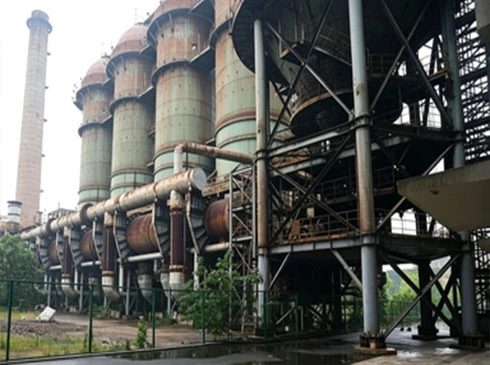
Understanding Temperature Sensors in Blast Furnace Cooling Staves
Why Sensor Technology Selection Is Non-Negotiable?
The environment in which blast furnace cooling staves work is one of the hottest and most hostile in heavy industry. Near the refractory layer, temps inside can reach over 1200°C, but the cooling water side stays much cooler. This gradient puts constant thermal stress on any sensor that is embedded in it. Thermocouples (Type K/N), RTDs (Pt100 Class A), and fiber optic sensors are the main types of sensors used here.
High-purity MgO insulation on armored thermocouples lets them handle sudden changes in temperature well. RTDs are the best way to figure out heat flow because they are more accurate—usually within ±0.15°C to ±0.5°C—at lower temperature ranges that are common in cooling walls. Fiber optic devices completely get rid of electromagnetic sensitivity, which is very important in places with high-frequency electricity. The first thing that every purchase engineer has to do is make sure that the sensor technology matches the real thermal zone and interference profile.
Key Factors Affecting Sensor Performance and Accuracy
Contact Measurement vs. Non-Contact Methods
Contact sensors, like RTDs and thermocouples that are built right into the cooling stave, give more detailed, localized information. They follow the isotherm at 1150°C, which is the critical point that shows how deep the refractory brick erosion goes. Non-contact infrared systems are easier to set up and use, but they have problems with changing emissivity and furnace dust getting into the optical path. When it comes to accuracy and long-term dependability, contact measurement always beats non-contact means for tracking refractory linings.
Calibration and Maintenance in Demanding Environments
One of the most common ways that high precision temperature sensor for blast furnace cooling stave sensors fail is through calibration drift. Before fitting, multi-point calibration must be done in precision oil baths and salt baths across the whole working range. After being put in place, sensors need to be re-calibrated at regular times that match the furnace's minor maintenance schedule, which is usually every 12 to 18 months. If you skip this step, cumulative drift can throw off your heat load calculations, which can cause situations where the staves are under- or over-cooled, which speeds up the wear.
Standard industrial sensors don't last as long or be as stable as high accuracy types. A well-built unit with Inconel 600 sheath material and laser-welded moisture seals usually lasts 3 to 5 years, which is in line with the furnace's planned maintenance windows and saves a lot of money on replacement costs that weren't planned for.
Selecting the Right Temperature Sensor for Blast Furnace Cooling Staves
There are more factors than just accuracy that go into procurement choices in this area. Compatibility with the environment, resistance to electromagnetic fields, ability to withstand pressure, and help from the seller all affect long-term value.
Here are the main things buying engineers should look at when making choices:
- Sheath material integrity: Inconel 600 or 316L stainless steel doesn't rust or react with chemicals when heated for a long time. The sensor's main defense against waste gas rust and rough dust is its sheath. If this breaks down, the sensor's useful life ends too soon.
- Insulation resistance: Sensors that are built close to transmission equipment and high-power variable frequency drives need insulation resistance of more than 100MΩ at 500V DC. This level stops signal noise from messing up temperature readings, which is a type of failure that regular sensors can't always avoid in blast furnaces.
- Pressure handling: Cooling water lines usually work at pressures above 1.5 MPa. Before being installed, each sensor probe must pass hydrostatic pressure tests to make sure the hermetic seal is still intact.
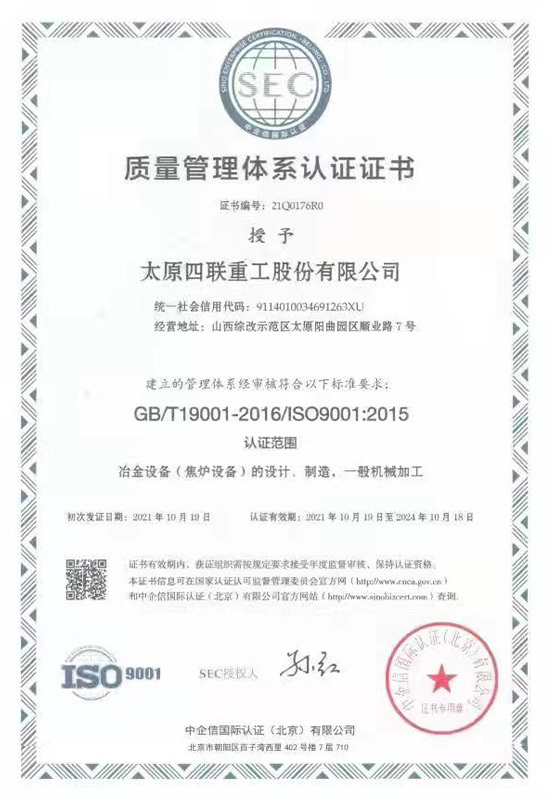
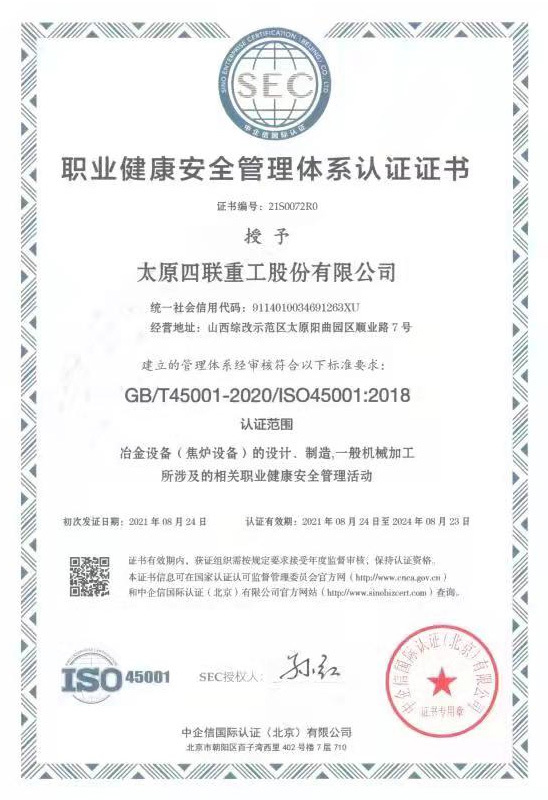
These factors together decide whether a sensor gives accurate temperature data or needs to be serviced too often within the first year of use. Getting from makers whose quality control methods are approved to include things like thermal cycling stress tests and X-ray inspection of internal welds greatly lowers the risk of buying something.
For B2B buyers who are in charge of EPC project schedules, the choice between custom and standard setups is also important. Custom-length probes with connection heads made for specific applications make installation easier and improve the accuracy of measurement positioning inside the stave geometry.
Real-World Performance and Case Studies
How SMEC Sensors Adapt to Extreme Field Conditions?
Extreme heat radiation, abrasive dust infiltration, strong electromagnetic interference, and high-frequency mechanical vibration are the four main field hazards that SMEC's high precision temperature sensor for blast furnace cooling stave applications had to be designed to deal with.
The top layer is made of a heat-resistant, wear-resistant, and anti-corrosion metal that can stand up to constant exposure to radiant heat from the furnace, dust, and the chemical makeup of flue gas without the surface breaking down or the housing failing. This structural strength directly extends the service life of sensors in places where regular sensor housings crack or rust within months.
Multi-layer electromagnetic shielding is built into the circuit architecture on the inside. At large blast furnace sites, dozens of high-power motors, variable frequency drives, and power transfer systems are all running at the same time. This makes strong, long-lasting electric fields that make sensors that aren't protected jump, distort, and lose signals. The multi-layer shielding design gets rid of these paths for interference, so the signal output stays clean and steady.
During production, the thermal sensing core goes through screening for aging and thermal shock. These steps make sure that the sensing element can handle the repeated changes in temperature that happen when the production load changes or when the plant is shut down for maintenance. Units that pass this test don't lose performance or change temperature over long periods of time, so they give stable, accurate numbers throughout the heating campaign.
Future Trends and Innovations in Blast Furnace Temperature Sensing
Adding smart sensors is changing how steel companies look at temperature data. IoT-enabled temperature monitoring systems now combine real-time readings from several stave zones into predictive analytics platforms. These platforms look for unusual heat flux trends and alert builders to them before they cause lining erosion. This change from reactive maintenance to condition-based scheduling cuts down on unexpected downtime by a clear amount.
Improvements in material science are also making it possible for sensors to work in more areas. New ceramic composite sheaths and advanced refractory coatings are expected to make things last longer in areas with very high temperatures. For procurement teams, this means looking at more than just the current specs. They also need to see how the manufacturer is doing with research and development and whether they are willing to support application-specific customization as furnace technology changes.
Pressures to be sustainable are adding another layer. Tighter temperature control is needed to meet goals for reducing emissions and saving energy, and this directly depends on how accurate the sensors are. Automation-ready sensor outputs that work with plant control systems will no longer be a nice-to-have, they will be a must-have.
Conclusion
Temperature sensors built into blast furnace cooling staves have to work in situations that push the limits of material science in every way. You must have accurate and stable temperature data because it directly affects the safety of the oven, the life of the lining, and the ability to keep making things. SMEC's technical method, which includes housings made of corrosion-resistant alloy, electromagnetic shielding with multiple layers, and sensing cores that have been heated up, handles the real failure modes that make standard sensors less effective. In this kind of demanding environment, decisions based on verified technical specifications, certified quality protocols, and application-specific design will always work better than decisions based on cost for high precision temperature sensor for blast furnace cooling stave.
FAQ
How often should cooling stave temperature sensors be recalibrated?
The frequency of recalibration should match the plan for furnace repair. In reality, most metallurgical engineers aim for a gap of 12 to 18 months when things are running normally. In places where electromagnetic interference is strong or where temperatures change often, shorter gaps may be needed. The standard method for calibration is still multi-point calibration over the whole operating range.
What factors most influence sensor service life?
The main factors are the quality of the sheath material, the stability of the insulation resistance, and the manufacturing methods used, especially thermal shock conditioning and aging screening. If you skip these steps during manufacturing, the sensors will break down faster in real life, even if they meet their rated specifications.
Do fiber optic sensors outperform RTDs for cooling stave monitoring?
Fiber optic devices don't get affected by electromagnetic radiation and work well in places with a lot of electrical noise. RTDs, especially Pt100 Class A types, give more accurate readings in the 0°C to 600°C temperature range that cooling walls usually work in. They are also easier to connect to standard plant control systems. In most high-performance systems, RTDs are the main measuring element. Fiber optic choices are thought about for areas with a lot of electricity interference.
Get Precision Thermal Monitoring Support From SMEC
SMEC offers certified high precision temperature sensor for blast furnace cooling stave solutions that are made to work in real industrial settings, not just in the lab. With strict quality control, application-specific customization, and quick technical support, SMEC is a verified manufacturer of high precision temperature sensors for blast furnace cooling staves. Get in touch with our technical team to get a personalized advice, a catalog of our products, or a quote on your project. You can send your project requirements to project@smec.cc or visit smecltd.com.
References
1. Iron and Steel Technology — AIST, 2021
2. Journal of Iron and Steel Research International — Elsevier, 2020
3. Measurement: Journal of the International Measurement Confederation — Elsevier, 2022
4. Sensors and Actuators A: Physical — Elsevier, 2019
5. Steel Research International — Wiley-VCH, 2023
6. Industrial Heating Magazine — BNP Media, 2022
Free consultation & volume discounts available
SEMC focuses on the entire metallurgical process—from coking, ironmaking, and steelmaking to continuous casting and rolling. Whether you face challenges related to equipment upgrades, energy efficiency optimization, or overall process transformation, please fill in the following information. Our technical team will provide you with tailor-made high-end equipment upgrade solutions and professional EPC design services to help your project be implemented efficiently.







Recommended Blog
A Complete Guide to Blast Furnace Riser Pipe Maintenance and Replacement
Common Problems in Three-Ring Cone Scrubbers and How to Fix Them
What Does a Blast Furnace Safety Monitoring System Include?
_1788514652541.webp)