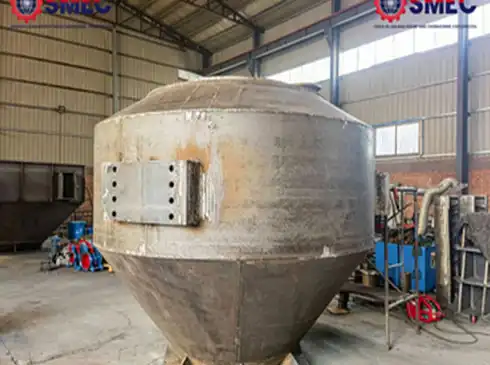
How to Choose the Right Upper Sealing Valve for BLT Equipment?
Understanding the Upper Sealing Valve in BLT Equipment
- Understanding the Upper Sealing Valve in BLT Equipment
- Key Criteria to Evaluate When Choosing an Upper Sealing Valve
- Procurement Considerations for Upper Sealing Valves
- Maintenance and Troubleshooting Best Practices
- Case Studies and Real-World Applications
- Conclusion
- FAQ
- Partner With SMEC for Reliable Blast Furnace Sealing Solutions
- References
Choosing the right upper sealing valve for the blast furnace BLT equipment has a direct effect on how safe it is to use, how well it controls emissions, and how much it produces. The upper sealing valve for the blast furnace BLT equipment keeps the smelting pressure steady while the material is being charged. It does this by creating a pressure-tight barrier between the furnace's interior and the outside air. To make sure that things work well in harsh blast furnace conditions, engineers and procurement managers have to look at technical specs, source dependability, and long-term upkeep needs. To make a smart choice, you need to know how valves work, make sure that specs match up with real-world situations, and work with manufacturers that offer full support.
Understanding the Upper Sealing Valve in BLT Equipment
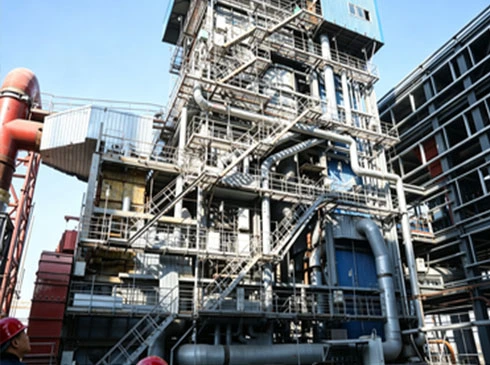
The upper sealing valve for the blast furnace BLT equipment is an important mechanical part that is located at the very top of Bell-Less Top charging systems. In modern ironmaking, this part solves three main problems: keeping dangerous blast furnace gas from leaking; keeping the top pressure high so that smelting works as efficiently as possible; and keeping the upper hopper mechanisms safe from damage caused by wear and heat. The valve keeps the furnace closed even though thousands of tonnes of ore and coke pass through it every day. It does this by using precise sealing interfaces.
In order to choose the right upper sealing valve for the blast furnace BLT equipment, you need to know how they work. During high-temperature processing, these parts keep airtight seals, and they often work nonstop in temperatures from 200°C to 350°C. The valve has to be able to handle top pressures of 0.25 MPa to 0.4 MPa while stopping material leaks that could hurt smelting operations or put people in danger.
Actuation Systems and Their Impact on Performance
Based on the needs of the operation, different actuation mechanisms offer different benefits. When the boiler door is closed, hydraulic systems provide the extra force and exact damping needed to beat the pressure inside the boiler and avoid mechanical shock. In places where compressed air equipment is already in place, pneumatic actuators can respond more quickly. Gear-operated systems are reliable in places where the risk of electrical or hydraulic failure is too high. When choosing between these actuation technologies, plant engineers should look at the infrastructure they already have, their ability to do maintenance, and the pressure conditions that are present.
Material Selection for Extreme Conditions
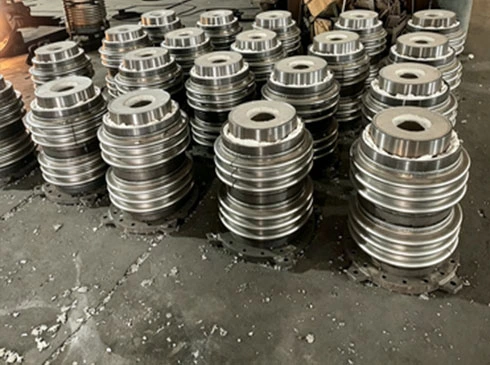
The valve body is usually made of a high-strength alloy steel like ZG25Mn or ZG35CrMo, which is designed to be able to handle changes in temperature and stress from movement. To protect against abrasive dust and high-speed particle hits, sealing surfaces have special overlays made of cobalt-based alloys like Stellite or tungsten carbide. These alloys have hardness values of HRC 50 to 55. Modern designs have edges that scrape off dust or pressurised gas cleaning systems that clear the sealing seat during the closing stroke. This keeps dust from building up and compromising the seal's integrity. When purchasing professionals know about these material qualities, they can figure out if a valve can handle the load and operating intensity that they need.
Key Criteria to Evaluate When Choosing an Upper Sealing Valve
When choosing a valve, technical specs are important, but they also need to be in line with bigger operational and financial issues. Whether or not an upper sealing valve for the blast furnace BLT equipment can keep the furnace intact during peak production loads is directly related to its pressure rating and flow capacity. Dimensional compatibility with existing BLT installations keeps installation changes from having to be made that cost a lot of money. During environmental compliance retrofits, facilities that are switching from bell-type to bell-less systems must make sure that the new switches work well with the old infrastructure.
Assessing Total Cost of Ownership
In addition to the initial purchase price, the total cost of ownership includes how often the machine needs to be maintained, how easy it is to get replacement parts, and the amount of money that could be lost during downtime. An upper sealing valve for the blast furnace BLT equipment that needs a new seal every twelve months might be cheaper at first, but it will end up costing more in the long run than a high-quality unit that only needs to be serviced every twenty-four months. Buyers should ask for detailed maintenance schedules and figure out how much each service will cost in labor. When compared to units that need to be taken apart completely for service, modular designs that let you change the sealing ring and valve plate as separate wear parts save money on maintenance and reduce downtime.
Evaluating Manufacturer Engineering Support
Technical advice during the specification phase helps keep the upper sealing valve for the blast furnace BLT equipment capabilities and actual operating conditions from not matching up, which can be very expensive. Reliable providers offer thorough engineering drawings, load estimates, and installation instructions that make the integration process easier. Because they've worked with a lot of different types of blast furnaces, they can suggest changes that will help with problems like high moisture levels or sticky sinter fines that come from certain raw materials.
Procurement Considerations for Upper Sealing Valves
Strategic buying includes more than just product requirements. It also includes ways to get the products, how to send them, and negotiating contracts. Lead times for making specialized upper sealing valves for the blast furnace BLT equipment are usually between eight and sixteen weeks, but they can be longer or shorter based on how they need to be customized and how many orders are already in queue. When planning installation times around maintenance windows, international buyers need to think about how long it takes to ship, how long it takes to clear customs, and whether there could be delays.
Companies that run multiple boilers or EPC companies that are in charge of multiple projects at the same time can save money by buying in bulk. Suppliers often offer savings for big orders and put them at the top of their production plans. Buyers should look into framework agreements that lock in prices for future purchases while still letting buyers change specifications as their business needs change.
Navigating International Logistics Challenges
Getting upper sealing valves for the blast furnace BLT equipment from overseas needs careful planning to make sure they arrive on time and safely. Specialized industrial equipment needs to be packed correctly so that it doesn't get damaged while being shipped by ocean. Buyers should make sure that the suppliers get marine insurance that covers the full replacement value of the valve. By choosing makers with a history of exporting, you can cut down on mistakes in the customs paperwork that could cause delays at the target ports. Setting clear Incoterms during the contract discussion process makes it clear who is responsible for what shipping costs and where the risk shifts.
Price benchmarking helps people set reasonable goals for their valve investments. Entry-level units may start around the middle price range for basic features. On the other hand, premium valves made of advanced materials and having longer service intervals cost more at first but work better over time. Purchasing managers should get quotes from several approved sources and compare not only price but also guarantee coverage, expert help available, and wait times for spare parts. Negotiating good payment terms, like milestone-based payments, protects buyers and gives suppliers peace of mind about their cash flow, which keeps production schedules on track.
Maintenance and Troubleshooting Best Practices
Schedules for preventive maintenance directly affect how long the upper sealing valve for the blast furnace BLT equipment lasts and how long production can go on. During regular checks, the state of the seal should be the main focus. Wear patterns that show mismatch or too much abrasive contact should be looked for. Following the manufacturer's instructions for lubricating moving parts stops bearings from failing too soon and makes sure that they move smoothly. It is usually suggested that sealing parts be replaced every 18 to 24 months, but this depends on how rough the load is and how many times the pressure is applied.
Diagnosing Common Valve Failures
Gas leakage is the most serious type of failure, and it can be found by watching for a drop in pressure or looking at it during filling processes. Possible reasons include damage to the seal surface from particles hitting it, thermal warping from changes in temperature, or not enough close force from motors that have worn out. The first step in systematic troubleshooting is to figure out if the problem is with the sealing interface or with the actuation system. Ultrasonic screening and other non-destructive testing methods can find problems inside valve bodies before they break in a big way.
Actuator failures show up as slow response, incomplete closure, or movement patterns that change all the time. It's possible for cylinders or control valves in hydraulic systems to leak, and air lines in pneumatic systems can get contaminated with moisture. Electrical parts that control automated sequences need to be calibrated on a regular basis to keep them in sync with how the charging system works. Maintenance teams at plants should keep important spare parts like sealing rings, actuator seals, and control module parts on hand so that they can act quickly when problems happen during production campaigns.
When to call manufacturer technical help vs. trying to fix the problem yourself relies on how complicated the problem is and how much expertise is available. Maintenance staff who have been trained can do simple tasks like replacing seals and lubricating parts. When there are complicated problems like rebuilding actuators, changing control systems, or figuring out what kind of damage has been done to metal, factory-trained techs who know the ins and outs of the design and have access to special diagnostic tools can help. Setting up service deals with makers lets you plan ahead for support costs and get faster help in an emergency.
Case Studies and Real-World Applications
Large integrated steel plants with furnaces that can hold more than 2500 m³ of material have used an improved upper sealing valve for the blast furnace BLT equipment to handle the huge amounts of material that come through while keeping the pressure stable. Performance data from these placements shows that sealing performance has improved a lot. Compared to past valve generations, gas leakage rates have dropped by over 40%. Unplanned repair visits went from happening every three months to every six months, which improved production continuity in a measurable way.
By choosing the right valves, environmental compliance retrofits that change bell-type furnaces to bell-less systems have dramatically cut emissions. Facilities that had to follow strict rules about air quality were able to keep rogue gas leaks to a minimum by choosing upper sealing valves for the blast furnace BLT equipment with better sealing shapes and active purge systems. These improvements made operations more in line with efforts to cut down on carbon emissions and set plants up for future mining technologies that use more hydrogen and need even tighter pressure control.
Lessons from High-Dust Operating Environments
When working with lower-quality raw materials in blast furnaces, the sticky sinter fines and fast-moving gritty dust make the conditions very harsh. In these conditions, standard industrial valves break within weeks, but the upper sealing valve for the blast furnace BLT equipment, specially designed for these conditions, stays in good shape for full working cycles. These designs use circular sealing geometry, which makes it easier for the sealing contact to clean itself and keep particles from building up there. Instead of choosing based only on technical specs, plants that work in areas with difficult raw materials should look for valves that have been tested in similar situations.
Comparing operating data from before and after a change gives a quantitative reason for investing in valves. Improvements that have been proven include longer maintenance intervals that mean fewer breaks in production, less use of spare parts that lowers the cost of annual maintenance, and better energy efficiency from keeping the pressure up longer. These real benefits help people who work in procurement make business cases for buying capital tools when they are planning budgets.
Conclusion
When picking the right upper sealing valve for the blast furnace BLT equipment, you need to think about the technical specs, the total cost of ownership, and how reliable the provider is. Knowing about valve mechanics, actuation systems, and material qualities helps you make smart choices that keep you from making expensive mistakes when matching equipment to operating needs. Long-term investments are kept safe by judging producers based on their tech support, quality certifications, and after-sales service networks. Strategic buying practices that take lead times, transportation, and contract terms into account make sure that goods are delivered on time and that business deals go well. Using the right maintenance and troubleshooting procedures will make valves last longer and reduce unplanned downtime.
FAQ
1. What operating temperature range must upper sealing valves withstand?
Quality upper sealing valves for the blast furnace BLT equipment work all the time in temperatures between 200°C and 350°C, and they may be exposed to even higher temperatures when things go wrong. The materials used to make the valve body and the overlays on the sealing surface must keep their mechanical properties during these thermal cycles without changing too much or warping too much.
2. How can I verify compatibility with existing BLT systems?
For dimensional verification, you need to look at current installation drawings and compare them to the mounting flange specifications, actuator attachment points, and stroke lengths. Reliable providers give thorough interface drawings and can check for compatibility if you give them information about your current equipment. Integration risks are kept to a minimum by including both the valve maker and the original BLT system source in reviews of the specifications.
3. What kinds of care will best increase the life of valves?
Inspections that are planned every three months can find signs of seal wear and actuator degradation early, before they cause problems. Properly lubricating moving parts according to the manufacturer's instructions keeps bearings from breaking down too soon. Keeping the area around the valve clean stops dirt and grime from getting into the actuator parts. Upper sealing valve for the blast furnace BLT equipment longevity is maximized by replacing seals at the manufacturer-recommended intervals instead of putting off service.
Partner With SMEC for Reliable Blast Furnace Sealing Solutions
In the ironmaking industry today, SMEC has a lot of experience making upper sealing valves for the blast furnace BLT equipment that works well in harsh conditions. As a reliable supplier with decades of experience in metallurgical equipment, we know that the valves you choose have a direct impact on your ability to keep producing and meet environmental standards. Our engineering team offers one-on-one technical talks to make sure that the valve specs are perfect for your furnace's layout, load characteristics, and operational goals. Each unit is made in our ISO-certified factory using high-quality alloy steels and cutting-edge finishing methods that make them very durable, even in places with a lot of dust. Comprehensive after-sales support makes sure you get help right away if you need help with maintenance or troubleshooting. Email our team at project@smec.cc to talk about your specific needs and get a quote for custom-engineered sealing valves that will make your blast furnace work better.
References
1. Zhang, L., & Wang, H. (2021). Advanced Materials and Design Optimization for Blast Furnace Top Equipment. Metallurgical Industry Press.
2. International Iron and Steel Institute. (2020). Best Practices in Bell-Less Top Charging System Operations. IISI Technical Report Series.
3. Chen, M., Liu, X., & Zhao, Y. (2022). "Performance Analysis of High-Pressure Sealing Valves in Modern Blast Furnaces." Journal of Iron and Steel Research International, 29(4), 612-625.
4. European Steel Technology Platform. (2019). Environmental Compliance and Emission Control in Ironmaking Processes. ESTEP White Paper.
5. Kumar, R., & Patel, S. (2023). "Maintenance Strategies for Critical Components in Blast Furnace Charging Systems." Metallurgical Engineering Quarterly, 18(2), 87-103.
6. Tanaka, K., Suzuki, T., & Nakamura, H. (2021). Reliability Engineering for Heavy Industrial Equipment: Case Studies from the Steel Industry. Tokyo Technical Publishing.
Free consultation & volume discounts available
SEMC focuses on the entire metallurgical process—from coking, ironmaking, and steelmaking to continuous casting and rolling. Whether you face challenges related to equipment upgrades, energy efficiency optimization, or overall process transformation, please fill in the following information. Our technical team will provide you with tailor-made high-end equipment upgrade solutions and professional EPC design services to help your project be implemented efficiently.
Recommended Blog
How Industrial Water-Cooled Valves Handle Extreme Temperatures?
Why Steel Plants Prefer Custom Blast Furnace Tuyere Equipment?
Integrated Blast Furnace Tower Equipment Solutions for Modern Steel Plants
How to Choose the Right Upper Sealing Valve for BLT Equipment?
Overall Blast Furnace Renovation vs Partial Upgrade: Which Is Better?
How to Reduce Operating Costs of Three-Ring Cone Scrubbers
How Three-Ring Cone Scrubbers Improve Blast Furnace Gas Quality