How to Evaluate Three-Ring Cone Scrubber Suppliers
Understanding the Core Needs of Blast Furnace Three-Ring Cone Scrubbers
- Understanding the Core Needs of Blast Furnace Three-Ring Cone Scrubbers
- Essential Criteria for Evaluating Three-Ring Cone Scrubber Suppliers
- Comparing Suppliers: Performance, Cost, and Market Reputation
- Procurement Process: How to Source and Order Three-Ring Cone Scrubbers?
- Conclusion
- FAQ
- Partner with SMEC for Reliable Blast Furnace Gas Cleaning Solutions
- References
When purchasing blast furnace three-ring cone scrubbers, procurement workers need to look at suppliers' technical knowledge, ability to make the scrubbers, compliance with certifications, quality of after-sales assistance, and total cost of ownership. The best provider has a track record of success in high-temperature gas cleaning applications, strict quality control measures, the ability to customize products to fit specific blast furnace parameters, and quick expert support throughout the lifecycle of the equipment. This thorough evaluation makes sure that the system will work reliably for a long time and follow environmental rules in tough industrial settings.
Understanding the Core Needs of Blast Furnace Three-Ring Cone Scrubbers
Critical Operational Requirements
Cleaning blast furnace gas requires tools that work consistently in harsh situations. The gas temperatures in these scrubbers must reach 250°C, and the amounts of dust coming in must be between 10 and 20 g/Nm³. The blast furnace three-ring cone scrubbers design makes many swirling zones that increase the surface area of the gas-water contact. This effectively removes dust, resulting in exit gas particulate levels below 5mg/Nm³, which is necessary to protect turbine blades and keep pipeline integrity over long periods of operation.
The device that lets you change the throat is a big technical plus. A center cone that can be moved up and down and three circular rings work together to make annular gaps that change in response to changes in pressure within 1.5 to 2 seconds. This dynamic adjustment feature keeps the top pressure of the furnace stable even when the load suddenly slips or hangs, which stops production interruptions that happen in places with set Venturi designs.
Material Selection and Durability Considerations
Scrubber parts are constantly wearing down and rusting because they are used in tough conditions. Core cones and rings made by good makers are usually made of alloy steel or 316L stainless steel, which doesn't wear down easily. To make them last longer, Stellite or ceramic finishes are often used. The hardness of these protecting layers needs to be between HRC 55 and 62 so that they can handle high-speed particle impacts without losing their effectiveness. If you keep your cone parts in good shape, they should last between 3 and 5 years before they need to be re-coated or replaced. This is a big factor in figuring out the total cost of ownership.
Following well-known engineering standards is necessary to keep structures strong when there are pressure differences of up to 150kPa. Designs for pressure tanks that follow ASME Section VIII include safety gaps that keep people and equipment nearby safe. We've seen that when providers skimp on material specs or pressure rating compliance, they leave themselves open to long-term liability risks that are much greater than any short-term cost benefits.
Maintenance Accessibility and Operational Efficiency
Maintenance needs have a direct effect on how much it costs to run the building and hire workers. Well-designed scrubbers have self-cleaning spray nozzles that keep ring surfaces from scaling. However, acid cleaning or high-pressure water washing during planned shutdowns is still needed on a regular basis. The water recycling system needs to be able to handle treatment methods that keep the amount of suspended solids below 50 mg/L and the hardness under control so that scale doesn't build up and slow things down or cause them to wear out faster.
Energy use should be carefully looked at. High-quality designs keep water-to-gas ratios low, between 0.3 and 0.6L/m³, and control pressure accurately, to within ±2kPa. When these factors are set correctly, the costs of pumping and treating water go down, which adds up over years of operation. Noise reduction rates below 85dB are also important for buildings that are close to residential areas or that have to follow safety rules about how much noise employees can hear at work.
Essential Criteria for Evaluating Three-Ring Cone Scrubber Suppliers
Technical Expertise and Engineering Capabilities
The level of technical knowledge a provider has can be seen in how they handle blast furnace three-ring cone scrubbers customization and system integration. Leading makers have dedicated research and development teams with senior engineers who have a lot of experience with metals. These engineers can change standard designs to fit site-specific needs, such as limited room, current gas handling infrastructure, and the unique properties of the gas. When you first talk to possible suppliers, ask them to talk about recent projects that had unusual technology problems and how their engineering teams fixed them.
Compliance with certification is a basic sign of quality. ISO 9001 quality management certification shows that you know how to control production in a systematic way, and industry-specific certifications show that you know what standards mining equipment needs to meet. Suppliers that work together on research projects with universities or technical schools usually have better innovation pipelines and are always making designs better based on new operating data and improvements in material science.
Serious manufacturers are different from assembly companies because they have their own testing centers. Comprehensive quality assurance programs use lasers to measure concentricity and alignment to make sure there are even annular gaps, test the hydraulic system to make sure the positioning is accurate to within 1%, and use ultrasonic and radiographic methods to check all structural welds without damaging them. Field failures that mess up production plans and hurt relationships with suppliers are stopped by these strict inspection methods.
Manufacturing Capacity and Production Scalability
Production skills have a direct effect on how long projects take and how well they are done. The size of a supplier's factory should match the size of your project. If a supplier's factory is too small, they may rush production to meet schedules, skipping quality control steps that ensure long-term dependability. When you visit a provider, look at how the workshop is set up, how the equipment is working, and how skilled the workers are. Tighter tolerances and more consistent output quality are often linked to modern manufacturing tools like CNC machining centers and automatic welding systems.
Lead time promises need to be carefully checked. Manufacturers who already have established supply chains for specialty materials like tungsten carbide inserts and precision hydraulic components can keep delivery dates that are reasonable even when markets for raw materials are interrupted. We suggest that you ask for specific production schedules that break down the different stages of production. This way, you can keep track of progress and spot any possible delays before they affect your installation schedule.
When adding scrubbers to gas cleaning systems that are already in place, customization becomes very important. Suppliers should show that they are willing and able to make changes to standard designs, such as changing the size to fit the room available, the way connections are set up to match the existing pipes, or adding special equipment to connect to plant control systems. This flexibility stops expensive changes in the field and shortens the time it takes to start up.
After-Sales Support Infrastructure
The level of technical help often has a bigger impact on how well equipment works in the long run than the original product specifications. Check to see how quickly and clearly providers answer technical questions during pre-sale talks. If they answer slowly or not at all, it's likely that they won't be able to help you after the sale. Comprehensive after-sales programs include detailed operation and maintenance guides, training for staff that covers both regular maintenance and repair procedures, and extra parts stocks that are easy to get to so that there is less downtime when parts need to be replaced.
Warranty coverage shows that the company that made the product is confident in it. Material defects and problems with the workmanship should be covered by standard warranties, but be sure to read the exclusions carefully. For example, some suppliers don't cover things that wear out naturally or require you to use their upkeep services, which means you'll have to pay for them over and over again. We've found that providers who are committed to customer success rather than transaction completion have clear warranty terms with fair coverage periods and clear claim processes.
For foreign projects, service spread by geography is important. Suppliers who already have service networks or partnerships in your area can quickly send experts to fix problems that need to be fixed right away. Expert engineers can look at problems without having to travel because telemetry systems allow remote diagnostics. However, for major fixes or performance improvement, on-site help is still needed.
Comparing Suppliers: Performance, Cost, and Market Reputation
Operational Efficiency Benchmarking
When you compare blast furnace three-ring cone scrubbers performance, you should look at measures that have an effect on your bottom line. Upstream equipment safety depends on how well dust is removed. Scrubbers that regularly produce exit gas particulate levels below 2 microns stop turbine blade erosion, which costs a lot to fix and lowers generation capacity. The way pressure drops affects the stability of the blast furnace's operation and the amount of energy it uses. Designs that keep the best differential pressure across different gas flow rates lower the need for operational actions and compressor loads.
Water use is directly related to the cost of cleaning and the amount of water that needs to be released into the environment. Efficient designs use less water while still effectively cooling gases and capturing particles. This lowers both energy costs and the amount of work that needs to be done to handle trash. Comprehensive energy studies show the real costs of running a business, not just the energy used for pumping. They also look at the power used by the control system and other tools like mist eliminators.
Response time to changes in the process is what sets great ideas apart. The hydraulic system that controls the throat area needs to be able to respond quickly enough to keep the pressure from changing in ways that stop the heater from working. Suppliers should show reaction time data that shows adjustments are made within two seconds of pressure changes being detected, along with positioning accuracy specs that show minimum overshoot or oscillation.
Total Cost of Ownership Analysis
The price of buying something is only a small part of how much it will cost over its lifetime. A full economic study takes into account installation costs like foundation work, piping lines, electricity installs, and commissioning services. When figuring out how much maintenance will cost, you should include replacements for things that wear out over time, like cone coatings, seal replacements, and hydraulic component overhauls. This is because manufacturers suggest certain service times and set prices for spare parts.
Estimates of operating costs need to be looked at in great depth. When you multiply the amount of water used by the cost of utilities and cleaning over the course of 10 to 15 years, you often end up spending more than you originally invested in equipment. Using a lot of energy for pumping and control systems also adds up to big costs. Based on manufacturer data on dependability and upkeep needs, the chance of downtime can lead to production losses that may be much higher than the direct costs of the equipment.
When these factors are balanced, lifecycle value is found. A reasonably priced scrubber from a provider with a strong support network and a track record of durability often gives a better return on investment than cheaper options that need to be fixed more often or more expensive options with features that aren't needed. Ask possible providers for thorough economic models, and then check their assumptions against the unique working conditions and cost structure of your plant.
Market Reputation and Client References
A supplier's name in the industry can tell you a lot about how reliable they are. Established companies that work with big steel makers and mining companies have improved their designs by getting feedback from users in a wide range of real-world situations. Participating in trade shows, writing expert papers, and joining industry groups are all signs of active involvement in the metalworking community and a dedication to constant improvement.
Testimonials from clients should be detailed and easy to check. Generic praise doesn't mean much; look for references that talk about specific results, like increased efficiency, lower upkeep costs, or the ability to handle difficult apps successfully. Talk to the example clients personally to find out how responsive the supplier was during installation, how well the training programs worked, and how good the technical help was after the installation was done. We've learned that sellers who are sure of their work will gladly give us multiple examples without being asked.
Case studies that show how to solve problems show how deep an expert is. Look for examples of times when providers solved odd technical problems, changed equipment to work in tricky conditions, or worked with clients to improve performance beyond what was originally planned. These stories show sellers who work with customers as partners instead of just selling things.
Procurement Process: How to Source and Order Three-Ring Cone Scrubbers?
Identifying Reputable Manufacturers
The first step in finding a source for blast furnace three-ring cone scrubber is to use industry networks and specialty directories. Trade groups that work with the steel and metallurgy industries keep buyer databases with member screening processes that give a first look at the supplier's trustworthiness. At industry conferences and shows, you can meet makers face-to-face, look at displays of equipment, and collect technical literature for more in-depth analysis.
Verification of certification sets a minimum level of qualification. Check for ISO quality management certification by searching the registry, and check with the organizations that issued any stated industry-specific certificates. The site of a factory is important. Suppliers that are based in well-established industrial areas often have access to trained workers and supply chain infrastructure that helps them make consistent high-quality goods.
When you do study online, you need to be very careful. Professional websites with lots of scientific documentation, engineering specs, and case studies may be able to do a lot, while websites with little information or generic material may not be able to do as much. Before making official requests, we suggest looking at a number of different information sources to build complete profiles of potential suppliers.
Understanding Pricing Structures and Delivery Timelines
Different providers have very different ways of setting prices. The base price of tools usually includes the scrubber unit with standard features. Extras like advanced control systems, better materials, or specialized instruments cost extra. Ask for detailed quotes that break down the prices of each component. This will let you make useful comparisons and find places where changing the specifications could improve value.
Installation services can be sold separately or along with the tools. Turnkey packages that include foundation design, installation supervision, and approval make planning easier, but it's important to be clear about who is responsible for what so that there aren't any disagreements. Logistics costs for foreign transfers, like shipping, insurance, packing, and clearing customs, can make up big chunks of the value of the equipment and should be given directly instead of being guesses.
When things are delivered depends on when they are made and where the parts are sourced. Standard designs from companies that keep long-lead parts in stock may ship within 12 to 16 weeks. However, highly customized units that need special materials could take 20 to 24 weeks or longer. To make realistic project schedules, you need to know which tasks are on the critical path and get clear delivery promises with fines for delays that affect the installation schedule.
Negotiating Contracts and Service Agreements
Learn how to find and order blast furnace three-ring cone scrubbers as part of the procurement process. As you negotiate a contract, you should think about price while also reducing danger and making sure the work is done well. Payment terms usually include a deposit when the order is placed, payments in progress based on manufacturing stages, and the full payment when the product is successfully commissioned. Holding on to retention numbers until performance is verified is a way to make sure that suppliers are committed to a successful startup.
The terms of the warranty need careful attention. The length of coverage should match how long the equipment is expected to last. For example, 3–5 year warranties on major parts are a good range for reasonable service standards, while shorter times may show quality issues. To avoid future conflicts, make sure that the allowed items, conditions for exclusions, and claim processes are all clear. For important uses, you should think about getting an extended warranty or a service plan that includes preventative upkeep and faster access to support.
Performance promises protect you against tools that doesn't work right. There should be clear testing guidelines and measured criteria in the specifications, such as how well the dust is removed, the ranges of pressure drops, and the maximum amount of energy used. If promised performance can't be met, remedy clauses could include changes to the equipment, fines, or replacement obligations.
Conclusion
To find the best providers for blast furnace three-ring cone scrubbers, you need to take a methodical approach that balances technical skills, manufacturing quality, and service commitment. The best provider shows they have a lot of engineering knowledge by using tried-and-true designs that meet strict industry standards. They also keep their production facilities in good shape so they can consistently make high-quality products and offer full support throughout the lifecycles of their equipment. A successful procurement process includes more than just competitive price. It also includes figuring out the total cost of ownership, making sure that the work is done well, and setting up relationships that support ongoing business growth. By using these evaluation criteria and buying methods, metallurgical facilities can get gas cleaning solutions that are good for the environment, protect tools further down the line, and help steel production processes last.
FAQ
What distinguishes three-ring cone scrubbers from alternative gas cleaning technologies?
Compared to fixed Venturi scrubbers, the three-ring cone scrubbers design makes more gas-water contact surfaces and more swirling zones, which makes it better at capturing dust at lower pressure drops. The adjustable throat system adapts flexibly to changes in blast furnace pressure, keeping operation stable even when loads slip or hang, which can be hard for fixed-geometry designs.
How can we verify supplier authenticity and manufacturing capability?
Ask to be shown around the facility so you can see the production tools, quality control procedures, and skills of the workers firsthand. Instead of taking the paperwork that is given at face value, check the licenses through an independent record. Get in touch with several client references to find out how consistent the supplier's performance is across a range of projects and working situations.
What critical elements should warranty agreements include?
Comprehensive guarantees spell out how long they cover important parts, what they don't cover, and when the warranty ends. They also make it easy to file a claim and give you a fair amount of time to respond. Performance promises with measured criteria and testing methods give you even more confidence that the tools will work as needed in your unique process.
Partner with SMEC for Reliable Blast Furnace Gas Cleaning Solutions
SMEC has a lot of experience designing and making high-performance gas cleaning tools for metallurgical uses that are very specific. Our blast furnace three-ring cone scrubber supplier skills combine advanced engineering from our offices in Taiyuan, which is backed by 168 technical staff members, including 30 senior engineers, and strict quality control methods that make sure the equipment works well. Our 68,700-square-meter manufacturing complex in Shanxi Province's comprehensive industrial zone keeps up with tight project plans and delivers customizations that fit your blast furnace's unique needs.
We know how important quick technical help is for steel production processes that never stop. In addition to full training, our specialized after-sales service team keeps extra parts in stock and can do diagnostics remotely. If needed, they can also come to your location for service. Because SMEC wants to work with you for a long time, they are different from other manufacturers because they care more about your business's success than their own.
Get in touch with our tech team at project@smec.cc to talk about how to clean your gas. We'll give you thorough technical specs, performance data from similar installations, and solutions that are made just for your building and its problems. Visit smecltd.com to see our full line of coking and metallurgical equipment and learn how our unified approach to design, production, and service provides measured value throughout the lifecycle of our equipment.
References
Chen, W., & Zhang, L. (2021). Advanced Gas Cleaning Systems for Modern Blast Furnace Operations. Metallurgical Industry Press.
International Iron and Steel Institute. (2020). Best Available Techniques for Blast Furnace Gas Treatment and Environmental Control. Technical Report Series, Volume 34.
Kumar, R., & Patel, S. (2022). "Performance Analysis of Adjustable Throat Scrubbers in High-Pressure Smelting Applications." Journal of Metallurgical Engineering, 45(3), 178-192.
Nakamura, T. (2019). Dust Control Technologies in Ironmaking: Engineering Principles and Industrial Applications. Springer International Publishing.
Peterson, M., & Anderson, J. (2023). "Total Cost of Ownership Analysis for Blast Furnace Gas Cleaning Equipment." Industrial Maintenance and Plant Operation, 61(2), 88-104.
World Steel Association. (2022). Sustainability Indicators in Steel Production: Environmental Protection Equipment Performance Benchmarks. Technical Standards Publication.
Free consultation & volume discounts available
SEMC focuses on the entire metallurgical process—from coking, ironmaking, and steelmaking to continuous casting and rolling. Whether you face challenges related to equipment upgrades, energy efficiency optimization, or overall process transformation, please fill in the following information. Our technical team will provide you with tailor-made high-end equipment upgrade solutions and professional EPC design services to help your project be implemented efficiently.
Recommended Blog
Future of Steelmaking: AI-Powered Blast Furnace Tuyere Imaging Services
How Slag Granulation Equipment Reduces Environmental Impact
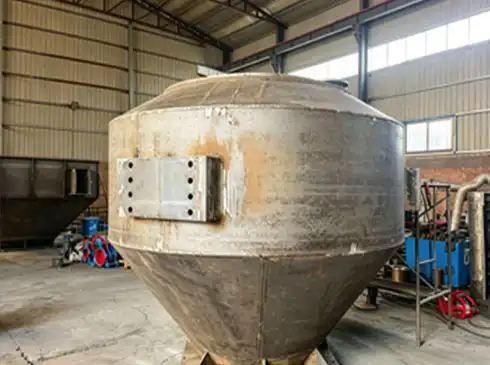
How to Reduce Operating Costs of Three-Ring Cone Scrubbers
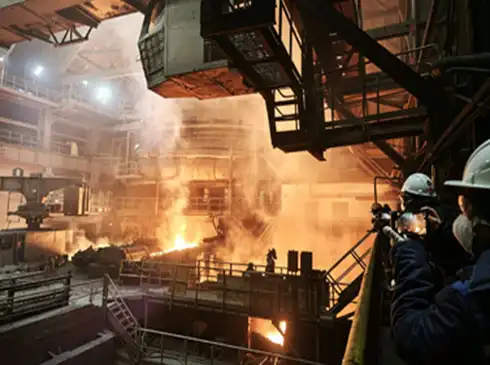
Understanding the Structure of a Blast Furnace Three-Ring Cone Scrubber
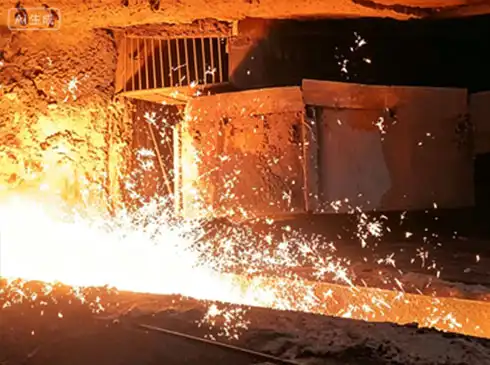
Case Study: Successful Overall Blast Furnace Renovation Projects
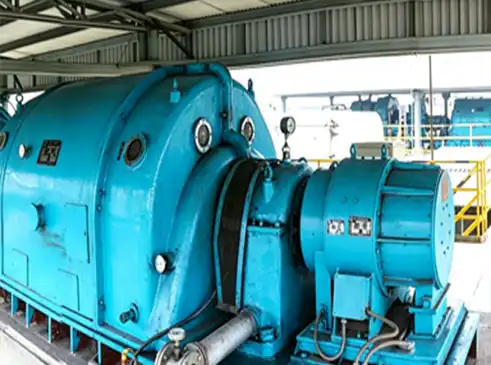
Integrated Blast Furnace Tower Equipment Solutions for Modern Steel Plants