Can Tilting Iron Trough Equipment Handle High Temperature Iron and Impact?
Can Tilting Iron Trough Equipment Handle High Temperature Iron and Impact?
Understanding Tilting Iron Trough Equipment in Blast Furnaces
- Understanding Tilting Iron Trough Equipment in Blast Furnaces
- Performance Under High Temperature and Impact Conditions
- Benefits of Using Tilting Iron Trough Equipment Over Fixed Models
- Selecting and Procuring the Right Tilting Iron Trough Equipment
- Maintenance Best Practices and Troubleshooting for Longevity
- Conclusion
- FAQ
- Partner with a Trusted Tilting Iron Trough Equipment for Blast Furnace Manufacturer
- References
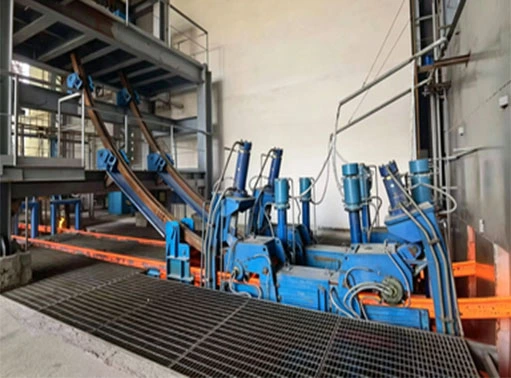
Tilting Iron Trough Equipment for Blast Furnace operations absolutely can handle both extreme thermal conditions and mechanical impact stresses. Modern tilting iron trough systems are engineered specifically to manage molten iron at temperatures exceeding 1500°C while enduring continuous physical stress from material flow and operational movements. Through specialized refractory linings, reinforced structural frameworks, and precision-engineered hydraulic mechanisms, this equipment delivers safe, stable, and reliable performance even under the most demanding cast house conditions. The capability isn't merely theoretical—leading manufacturers like SMEC have developed heavy-duty hydraulic tilting structures that demonstrate remarkable stability, powerful thrust, and precise positioning under relentless thermal radiation and slag abrasion.

Understanding Tilting Iron Trough Equipment in Blast Furnaces
What Makes Tilting Systems Different from Fixed Troughs?
When you walk through modern integrated steel mills, you'll notice that the cast house operations are very different from those in mills that were built decades ago. The tilting iron trough equipment is a big step forward in how we move liquid iron from the taphole to the receiving ladles. Tilting mechanisms have changeable discharge angles, which makes them much more flexible than standard set runners that stay at the same angle.
The difference in engineering is mainly about control and movement. Fixed dips force workers to follow set flow paths, which can be hard to do when changing ladles or in an emergency. During tapping operations, tilting systems allow for dynamic adjustments, which lets teams change the direction of molten streams without stopping the output of the furnace. This feature directly fixes two major problems in the industry: reducing "dead time" during ladle changes and protecting workers from radiant heat while they do manual tasks.
Core Components That Ensure Structural Integrity
The structure of rotating trough tools shows why these systems can work in such harsh conditions. Frames made of heat-resistant steel provide the structure's base, but improved refractory linings provide the real security. New rules say that materials made from Al2O3-SiC-C (ASC) must have bulk densities higher than 2.8 g/cm³ and an apparent porosity below 18%. These features keep melting metal from getting through and stop chemical wear from iron and slag.
The device for turning, which is usually a hydraulic or electric drive system, needs to be able to accurately control the angle to within ±0.5 degrees. This level of accuracy is very important when workers have to switch between receiving tanks or make changes to account for changes in the viscosity of the molten iron. China Silian Machinery and Engineering Corporation (SMEC) has met these needs by making heavy-duty hydraulic designs with high-thrust cylinders that allow for stable, adjustable tilting speeds. The machinery can stop precisely at any angle without shaking, stopping, or moving out of place. This makes sure that the hot iron moves smoothly and eliminates the risk of spills.
Why Blast Furnace Operators Prioritize These Systems
As I talk to plant engineers from both coking and steelmaking companies, one theme keeps coming up: uptime stability is more important than the cost of buying new equipment. The iron removal process in blast furnaces is continuous, and any interruptions cause production losses that snowball. Tilting trough systems improve operating consistency by making it easy to switch between ladles while keeping the flow of tapping going.
Maintenance teams also agree with the flexible design concept. Parts that get worn out the most can be changed without taking the whole system apart, which cuts repair time by a huge amount. Integrated tracking features, like temperature monitors and vibration analysis systems, send data to predictive maintenance software. This lets teams plan maintenance tasks before they go wrong, instead of having to fix things after they break.
Performance Under High Temperature and Impact Conditions
Thermal Resistance in Extreme Cast House Environments
Molten iron comes out of blast furnaces at around 1450–1500°C, but temperatures can rise even more in certain parts of the runner system because of flow and processes that release heat. It's not enough for materials to just be able to handle heat; they also have to keep their mechanical qualities through thousands of temperature cycles while also protecting themselves from chemical attacks from changing slag chemistry.
The turning trough equipment at SMEC uses special refractory materials that are made to last in temperatures above 1500°C for long periods of time. When cold replacement materials touch hot surfaces or when tapping stops and starts all of a sudden, these linings can handle the temperature shock that happens. Cracking, spalling, and burn-through resistance saves the steel structure below, which goes through reinforcement processes to deal with thermal expansion pressures.
As part of the testing procedures for these refractories, the cold crushing strength (CCS) and permanent linear change (PLC) are checked to make sure the dimensions stay the same at working temperatures. Suppliers who meet procurement standards show that their linings won't shrink or fail too soon, which has a direct effect on the economic situation for steel makers who are figuring out how often to change them and how much it will cost.
Impact Absorption During Operation and Maintenance
Tilting troughs have to deal with a lot of mechanical forces in addition to heat pressures. When molten iron moving quickly hits the runner surface or changes direction, it creates impact loads. Crews use pneumatic tools to remove "skulls," which are hardened iron deposits, during upkeep. This creates shock loads that less-than-stellar equipment can't handle.

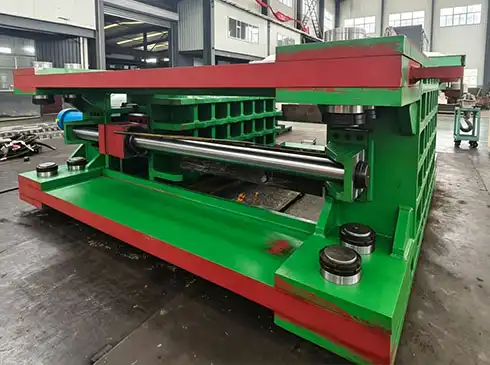
The framework of the Tilting Iron Trough Equipment for Blast Furnace structure must be able to handle these forces without changing shape. SMEC equipment has steel structures that have been strengthened in ways that make them more resistant to impact and deformation. This engineering makes sure that the structure will last for a long time without bending or breaking, even when it is hit hard and exposed to high temperatures for a long time. The ability to resist deformation is especially useful in high-frequency tapping processes, where furnaces have volumes greater than 2500m³ and keep molten metal flow rates steady.
Safety Features That Protect Both Equipment and Personnel
Reliability under stress isn't just about the materials used; it's also about fail-safes and engineered redundancies. These days, tilted systems have hydraulic accumulators or human override features that can safely move the spout back to the neutral position when the power goes out. Real-time monitoring finds strange vibration patterns or changes in temperature, sending out alerts before things get bad enough to damage equipment or cause safety incidents.
Strong materials, precise mechanical design, and built-in tracking all work together to make a complete way to deal with harsh conditions. This multiple layer of protection is why experienced purchasing managers choose suppliers with a history of doing well in tough metallurgical environments over those whose prices are lower at first but whose performance records aren't clear.
Benefits of Using Tilting Iron Trough Equipment Over Fixed Models
Operational Efficiency and Productivity Gains
The power to change the angle directly leads to measurable gains in output. Plants that use tilting systems say that they can change ladles faster, which is very important when burners tap constantly. Every minute saved during changes adds up to more tons of iron production over the course of a year.
Controlled discharge angles also cut down on splashing and turbulence, which lowers metal loss and makes the area around receiving vessels safer. By changing the tilt angle, operators can handle different flow rates without having to throttle at the taphole, which can cause problems upstream. This operating control is especially useful in places that make different types of iron, because the quality of the finished product depends on accurately separating slag from iron and diverting the stream into different processing tracks.
Maintenance Accessibility and Lifecycle Costs
Total cost of ownership is directly affected by the way equipment is designed. When it comes to getting to wear areas, tilting systems are better than fixed setups. Maintenance workers like that they can move the trough to easy-to-reach angles for repairs and inspections. This makes regular maintenance easier on their bodies and takes less time.
With modular design, only certain parts need to be replaced instead of the whole system being rebuilt. When refractory linings reach the end of their useful life, which usually happens after 50,000 to 150,000 tons of hot metal throughput, depending on how hard they are used, only the worn sections are replaced. Compared to set systems that need more extensive maintenance, this approach cuts down on both material costs and production downtime.
Lifecycle economics also takes into account how energy efficient something is. Optimized flow path geometries lower the loss of molten iron heat during transport, which boosts the efficiency of processing further down the line. Over years of use, the energy savings often outweigh the extra cost of turning systems compared to basic fixed trough systems.
Strategic Value for Different Industrial Buyers
Different types of buyers are interested in the benefits profile in different ways. The uptime and production benefits are what integrated steel plants focus on. EPC contractors like that reputable manufacturers offer flexible installation options and help with commissioning. Chemical plants and coal processing plants that do coking like how they can use technology from blast furnaces to solve their own high-temperature material handling problems.
International wholesalers that focus on supplying tools know that tilting systems are high-end products that set their lines apart. Higher transaction values are reasonable because of the high level of technical sophistication and reliable performance. This helps build long-term client relationships based on successful project outcomes rather than one-time equipment sales.
Selecting and Procuring the Right Tilting Iron Trough Equipment
Critical Evaluation Criteria for Procurement Teams
To pick the right Tilting Iron Trough Equipment for Blast Furnace tools, you need to carefully look at its performance in a number of different areas. The thermal grade must match the real working temperatures of the furnace plus a safety margin. The documents for impact resistance should include test results that show the structure is stable under dynamic stress conditions that are similar to those in your application.
When working on international projects, following the rules for certification is very important. Consistency in manufacturing is guarantyd by equipment that meets ISO 9001 quality management standards and relevant metallurgical equipment specifications. Complete documentation, such as material certificates, testing records, and design estimates, makes it easier for regulators to approve equipment in places with strict rules about industrial equipment.
How well standard products fit into a certain installation situation is often determined by how customizable they are. The layouts of cast houses are very different between facilities because of issues with space, crane access, and existing infrastructure. Manufacturers who offer 3D modeling services and technical help to improve the size, tilting radius, and structural connections of tools are more valuable than sellers who only offer catalog goods.
Supplier Reputation and After-Sales Support Considerations
The success of equipment rests on both the quality of the design and how well it is manufactured and how well it is supported after the sale. Procurement workers with a lot of experience give more weight to suppliers who have practical references in similar situations. Site visits where you can see similar tools working in real production settings are a great way to back up what the company is saying, beyond what they say in their ads.
After-sales care has a big effect on the value of an item over its whole life. Responding technical support during commissioning keeps costly delays in the start-up process from happening. When maintenance is needed, having replacement parts on hand with acceptable wait times keeps output as smooth as possible. Long-term self-sufficiency is improved with training programs that teach your maintenance teams how to do their jobs. Warranty coverage is maintained.
SMEC is a good example of this all-around approach because it combines product research and development, design technology centers, manufacturing, and service departments for after-sales support. With 168 engineering and technical staff members, 30 of whom are top engineers, the company offers a high level of technical expertise that goes beyond simple business relationships. This infrastructure helps with both short-term project goals and long-term relationship growth.
Logistics and Installation Planning
The procurement plan needs to take into account how the project will actually be carried out. Custom-engineered equipment usually has lead times of several months from when the order is placed to when it is tested and approved by the factory. Knowing these dates when planning a project keeps schedules from clashing and lets you work with cast house systems that work with each other.
Large structure parts need careful planning for delivery logistics, including routes for transport, the number of cranes that can be used at receiving sites, and staged delivery if the order of installation requires specific component availability patterns. When a supplier offers installation help or monitoring, it lowers the risks of launching, especially for people who are using this technology for the first time.
In the end, the choice to buy is based on a balance of technical ability, cost, and trust in the project's success. During the purchase talks, clear commercial terms and detailed technical specs set clear expectations that protect both the customer and the supplier's interests during equipment delivery and testing.
Maintenance Best Practices and Troubleshooting for Longevity
Routine Inspection Focus Areas
Systematic inspection protocols for Tilting Iron Trough Equipment for Blast Furnace that focus on known failure modes are the first step in proactive maintenance. Checking the condition of the refractory lining should be done on set schedules based on how busy the operations are. Cracks in the surface, weathering patterns, and places where the width of the lining has dropped below safe levels can all be seen with the naked eye. Using thermal imaging during surgery shows hot spots that mean the lining is breaking down before it fails completely.
Hydraulic system integrity checks make sure that the fluid is clean, the cylinder seals are in good shape, and the pressure stays stable. When there is contamination in hydraulic fluid, fine parts wear out faster, which can cause problems with location or movement. By filtering the fluid and replacing it on a regular basis, you can keep its quality high and avoid costly cylinder rebuilds and service interruptions.
Weld strength and bearing surfaces are the main things that structural framework checks look at. Ultrasonic and dye penetrant testing can find flaws below the surface of critical welds that are stressed by thermal cycling. Measuring the alignment of pivot bearings makes sure that the rotation axis stays straight. This stops uneven wear that makes tilting less accurate and speeds up mechanical breakdown.
Preventive Maintenance Scheduling and Execution
To set maintenance times, you have to balance data on component lifecycles with data on how to keep production going. Condition-based maintenance is better for high-throughput operations because it uses monitoring data to start repairs before they break down instead of strict calendar-based plans that may be too early or too late based on real wear rates.
Scheduled repair times let you change parts and re-calibrate the system when it's time. By relining the refractory during planned furnace outages, you can avoid having to make quick repairs in an emergency. When overhauls of hydraulic systems are planned around production plans, they have less of an effect on output goals and keep the systems reliable during busy times.
When doing major upkeep, professional assessment services from equipment makers are very helpful. Service techs with a lot of experience can spot small signs of problems before they get too bad for plant staff to notice. This outside view adds to what the repair team can do, especially for complicated systems where specialized knowledge has a big impact on service quality.
Addressing Common Issues Through Targeted Troubleshooting
Lining deterioration is the most common problem that needs to be fixed. Optimized heating profiles keep minimum temperatures that stop skull formation at bay while avoiding thermal stress that speeds up the breakdown of refractory. Abrasive wear from slag friction is kept to a minimum by having smooth surface refractories and the right flow speeds. When erosion happens even though precautions are taken, targeted repairs using suitable refractory materials can stretch the service life until a full relining is needed.
Faults in the tilting system usually show up as shifting positions, stuttering movements, or strange noises. Degradation of the hydraulic cylinder seal causes internal leakage that lowers the accuracy of placement and the power capacity. Monitoring lets you change the seal before the cylinder scores, which would require a full cylinder repair at a much higher cost if it happened later.
As part of a maintenance plan, adding new technologies to old systems is another aspect. Adding better refractory materials, better monitoring sensors, or more efficient hydraulic parts to old equipment extends its life and incorporates performance gains made since it was first installed. This method of incremental upgrades often works out to be cheaper than replacing all the equipment and gives big operating benefits.
Conclusion
Tilting Iron Trough Equipment for Blast Furnace has proven beyond a doubt that it can handle the high temperatures and mechanical stresses that come with current blast furnace work. These sites are reliable enough for continual steel production because they use specialized materials engineering, strong mechanical design, and accurate hydraulic control systems. The practical benefits over fixed trough systems—more freedom, better safety, less downtime, and easier maintenance—justify the investment in technology for producers who put long-term performance and total lifetime costs ahead of equipment price alone.
FAQ
What service life can be expected from refractory linings?
Good ASC-based refractory linings in tilting iron troughs can usually handle 50,000 to 150,000 tons of hot metal before they need to be relined in a big way. The actual lifespan depends on how often it is used, the chemistry of the molten iron, and how well it is maintained. Higher tapping frequencies and aggressive slag compositions cause faster wear rates in facilities. On the other hand, better thermal management and quality preventive maintenance make linings last longer, reaching the top end of the performance range.
How do tilting systems handle emergency power failures safely?
Modern designs for turning troughs include extra safety features just in case the power goes out. Hydraulic accumulator systems store enough energy to move the trough back to a safe neutral position even if the power goes out. If the hydraulic systems fail, operators can manually move the equipment to a new position using the override controls. These engineered safety features stop uncontrolled movement that could pose a threat to safety or damage equipment when operating conditions aren't normal.
Can equipment be customized for space-constrained installations?
Customization is something that all skilled makers can do, since the layouts of casting houses change a lot from one facility to the next. Engineers use 3D modeling tools to find the best structure sizes, tilting radius, and mounting arrangements within limited area, all while keeping the flow rate and operational performance levels that are needed. This design flexibility lets setups go smoothly even in brownfield projects where room for new equipment is limited by existing infrastructure.
Partner with a Trusted Tilting Iron Trough Equipment for Blast Furnace Manufacturer
Every time SMEC works on a blast furnace tilting trough project, they use their decades of experience with coking and metallurgical equipment. Our heavy-duty hydraulic tilting structures provide the stability, accuracy, and durability that tough cast house environments need. They are backed by full engineering support from the initial design phase through installation and ongoing operational support. As a well-known provider with advanced research and development (R&D) tools, a quality production infrastructure that covers 68,700 square meters, and committed technical staff, we offer the kind of reliable relationship that procurement professionals value. Visit smecltd.com or email project@smec.cc to talk to our team about how our tilting iron trough solutions can help your blast furnace work better.
References
1. Chatterjee, A. (2019). Iron Making and Steelmaking: Theory and Practice. PHI Learning Private Limited.
2. Geerdes, M., Toxopeus, H., & van der Vliet, C. (2020). Modern Blast Furnace Ironmaking: An Introduction. IOS Press.
3. Robiette, A. G. E. (2018). High Temperature Materials for Blast Furnace Applications. Metallurgical Industry Press.
4. Strassburger, J. H. (2021). Blast Furnace: Theory and Practice (2nd Edition). Gordon and Breach Science Publishers.
5. Tushar, K. R., & Bose, D. K. (2020). Refractory Technology: Fundamentals and Applications in Metallurgy. CRC Press.
6. Wakelin, D. H. (2019). The Making, Shaping and Treating of Steel: Ironmaking Volume (11th Edition). Association of Iron and Steel Technology.
Free consultation & volume discounts available
SEMC focuses on the entire metallurgical process—from coking, ironmaking, and steelmaking to continuous casting and rolling. Whether you face challenges related to equipment upgrades, energy efficiency optimization, or overall process transformation, please fill in the following information. Our technical team will provide you with tailor-made high-end equipment upgrade solutions and professional EPC design services to help your project be implemented efficiently.
Recommended Blog
How Slag Granulation Equipment Reduces Environmental Impact
Common Issues with Blast Furnace Riser Pipes and How to Fix Them
Modular Blast Furnace Tower Equipment vs Traditional Tower Structures
Why Is Erosion Resistant Lining Essential for Blast Furnace Shaft Protection?