Why Cooling Water Barrier Systems are the Last Line of Defense in BF Safety?
Why Cooling Water Barrier Systems are the Last Line of Defense in BF Safety?
Understanding the Role of Cooling Water Barrier Systems in Blast Furnace Safety
- Understanding the Role of Cooling Water Barrier Systems in Blast Furnace Safety
- Comparing Cooling Water Barriers with Alternative Blast Furnace Cooling Methods
- Optimizing Blast Furnace Cooling Water Barrier Performance
- Procurement Considerations for Blast Furnace Cooling Water Barrier Systems
- Ensuring Long-Term Safety and Operational Reliability
- Conclusion
- FAQ
- Partner with SMEC for Advanced Blast Furnace Cooling Water Barrier Solutions
- References
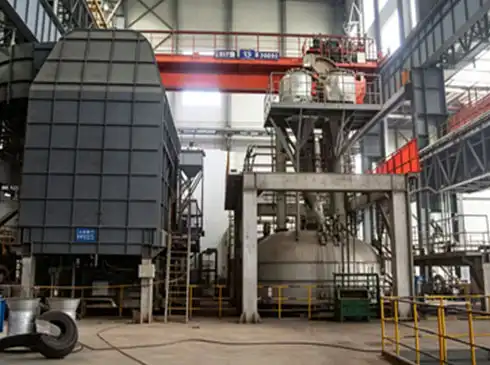
When even a few drops of water fall into molten iron that is over 1,500°C in a blast furnace, terrible things can happen rapidly. The blast furnace cooling water barrier is the most important safety measure between normal operation and disaster. It is a special system that keeps cooling water from staves, tuyeres, and jackets from getting into the pit or stack of the furnace. This barrier gets rid of the dangerous risk of water touching hot metal, which can create exploding hydrogen and huge amounts of steam that can damage refractory linings and put people in danger.
Understanding the Role of Cooling Water Barrier Systems in Blast Furnace Safety
Becoming aware of the part blast furnace cooling water barrier systems play in blast furnace safety, the strength of each protecting layer is very important in modern blast furnaces where heat and pressure are very high. When you know how barrier systems work, you know why they are so important to metallic safety measures.
What Defines a Blast Furnace Cooling Water Barrier?
A blast furnace cooling water barrier is made up of special grouting materials, high-density refractory linings, and mechanical closing surfaces that are designed to have very low permeability, usually less than 12% porosity. The thermal conductivity of these materials ranges from 15 to 30 W/mK, based on how much graphite they contain. This means that heat can be efficiently transferred to cooling elements while moisture can't get through. The chemical makeup of the barrier stops alkaline vapors and CO from breaking down, and its mechanical properties—such as a Cold Crushing Strength of over 40 MPa—make sure that the structure stays stable even when temperatures change quickly.
How Barrier Systems Prevent Catastrophic Failures?
The main purpose is more than just keeping water in. The barrier layer keeps water from getting to the carbon brick linings when cooling staves or tuyere noses start to leak, which will happen over the course of a 15–20-year furnace campaign. When water gets into carbon bricks, it does hydration harm that weakens their structure and makes it easier for them to break down even more. More importantly, if water gets to the melting iron in the hearth, it creates steam quickly, which causes powerful pressure spikes and hydrogen to be released. Records of accidents in the metalworking industry show that barriers that meet ISO 13765 and ASTM C417 standards cut accidents involving water by more than 85% compared to furnaces that don't have adequate protection.
Design Principles Tailored to Furnace Conditions
Engineers plan barrier systems by looking at the shape of the burner, the temperature ranges that will be used, and the pressure of the cooling water. Microporous ramming masses fill the space between the carbon bricks and staves at the hearth level, adding a second layer of defense. Around the tuyeres, high-temperature castable shields and plugs cover the point where the water pressure from the blasting process is highest. In the stack area, liquid grouts fill in the spaces between the cooling plates and the furnace shell. This lets the heat expand without letting any air through. For each zone, the materials need to have a certain rate of thermal expansion so that they don't crack when the temperature changes between normal conditions and the working extremes.
Comparing Cooling Water Barriers with Alternative Blast Furnace Cooling Methods
When building or updating blast furnaces, metallurgical facilities look at a number of different ways to cool them down, and the blast furnace cooling water barrier remains one of the most proven and reliable methods for protecting refractory linings under severe thermal loads. Procurement teams can make decisions based on facts when they know how barrier-based systems compare to other options.
Performance Metrics Across Cooling Technologies
Cooled or room-temperature air is pumped through pathways in the furnace shell and refractories by air cooling devices. Even though air cooling doesn't need any water infrastructure, it is much less effective at removing heat—usually 30–40% less effective than water-based systems at the same flow rates. When water mists are applied directly to the outside of the shell using spray cooling, it cools the shell somewhat but doesn't stop water from leaking inside. It is best to use water-cooled stave systems with built-in walls because they remove the most heat, often more than 500 kW/m² in high-temperature areas, and also make sure that cooling circuit breakdowns can't happen.
Operational Costs and Maintenance Requirements
Direct running costs are very different between the two ways. For the fan to work, air cooling systems use a lot of electricity, but they don't have to treat the water or check for leaks. Spray cooling lowers the energy needed for pumping, but it also uses more water and makes exterior areas more likely to rust. Water quality management is needed to keep the conductivity below 10 µS/cm and the pH between 6.5 and 7.5 in blast furnace cooling water barrier-protected water cooling systems. This preventative upkeep saves money in the long run compared to fixing refractory damage caused by water. Lifecycle study of integrated steel mills shows that barrier systems that are well taken care of have the lowest total cost of ownership over an average 18-year burner campaign.
Environmental Impact and Sustainability Considerations
In metallurgical processes, the amount of energy used is closely related to the carbon impact. Water cooling with barrier protection improves thermal efficiency, which lets heaters run at the best temperatures with the least amount of wasted energy. Because of this speed, less coke is used and less CO2 is released per ton of hot metal made. Modern closed-loop water systems with barrier protection keep water loss to less than 2% through evaporation. This helps places that don't have a lot of natural supplies deal with water shortage issues. Because they are better for the environment and because pollution rules are getting stricter in the US and around the world, barrier systems are the best choice for buildings that want to get sustainability approvals.
Optimizing Blast Furnace Cooling Water Barrier Performance
To keep working well for long periods of time, even the strongest protection systems need to be managed in a responsible way. To improve the performance of the blast furnace cooling water barrier, taking care of common problems assures ongoing safety and working efficiency.
Identifying and Resolving Common Issues
When the chemistry of cooling water doesn't follow the rules, chlorides or sulfates are added that attack refractory bonds, causing corrosion on the cold face of barriers. Water research that is done once a week in key zones finds contamination before it starts to break down materials. Thermal inefficiency shows up when mineral scaling builds up on surfaces that come into touch with water, forming a barrier that keeps heat from moving. This problem shows up on thermal imaging as small hot spots and needs to be cleaned with chemicals or by hand. Embedded fiber-optic sensors measure temperature differences across the thickness of the barrier. Sudden changes in temperature mean that water is getting through, which needs to be fixed right away with specialized resin injection grouting. This can be done through external shell drilling without shutting down the furnace.
Water Quality Management and Temperature Control
How long a blast furnace cooling water barrier lasts varies very much on the factors of the cooling water. Scaling that hurts thermal conductivity can be avoided by using demineralized water with total dissolved solids below 50 ppm. Corrosion inhibitors, which are usually phosphate-based chemicals at a concentration of 100 to 200 ppm, keep metal cooling elements safe and stop the formation of iron oxide, which could block flow pathways. Temperature control systems keep the water coming in at 30 to 35°C and going out at less than 65°C. This keeps the water from shockingly hot or cold and makes sure it cools enough. These parameters are constantly being tracked by automated tracking systems, which sound warnings when values stray too far from what is considered normal. This lets corrective action be taken before performance starts to decline.
Procurement Considerations for Blast Furnace Cooling Water Barrier Systems
To choose the right blast furnace cooling water barrier options, you need to look at the technical specs, the supplier's skills, and the long-term support system. Making well-informed choices about purchases protects big investments in cash and guarantees that operations will run smoothly.
Material Durability and System Compatibility
Materials used in procurement should meet or go beyond international standards like ISO 13765 for refractory concrete and ASTM C417 for measuring heat conductivity. The performance of a blast furnace cooling water barrier is directly affected by its carbon content, alumina purity, and silicon carbide percentage. Premium versions have 12–18% carbon for thermal conductivity and over 65% alumina for chemical protection. Compatibility also includes mechanical integration; barriers must be able to handle the different rates of temperature expansion between steel plates, cooling staves, and refractory linings without causing stress to build up in any one area. For retrofit projects, customization choices are very important because barriers need to work with cooling systems that were built by different original equipment makers.
Supplier Selection Criteria and Support Infrastructure
When looking at possible providers, you need to look at their producing capabilities, safety certifications, and new technologies. Suppliers should show that they follow environmental standards like ISO 14001 and quality control systems like ISO 9001. Innovation ability shows up in unique formulas, advanced application methods, and tracking technologies that are all built in. For materials, warranties usually last for two to three years, and they should include performance promises based on certain working conditions. Lead times range from 8 to 16 weeks, based on how customized the product needs to be and how many are ordered. This means that planned furnace repair programs need to be planned ahead of time. Comprehensive after-sales support, such as expert help on-site, installation guidance, and an easy-to-reach collection of extra parts, is very helpful during critical operational stages and emergencies.
Ensuring Long-Term Safety and Operational Reliability
Maintaining the stability of a furnace requires following set maintenance procedures, keeping an eye on it all the time, and incorporating new technologies that make the blast furnace cooling water barrier system work better.
Establishing Disciplined Maintenance Frameworks
Thermal imaging scans should be done every three months to find growing hot spots, ultrasonic tests should be done once a year to find internal voids or delamination, and core samples should be taken every two years in easy-to-reach areas to check for material degradation. Preventive maintenance plans fix expected wear patterns, like erosion near tuyere holes caused by pulsating blast pressure, by fixing them up on a regular basis with refractory materials that work well together. Operator training programs that focus on managing cooling water systems lower the chance of mistakes made by people. Trained staff can spot early warning signs like unusual water use or changes in pressure that mean leaks are starting to form. Documentation systems that keep track of inspection results, maintenance actions, and performance trends let people make decisions based on data about when to fix or replace blast furnace cooling water barriers.
Emerging Innovations and Future Technologies
In laboratory tests, advanced refractory formulas with nanoengineered additives show better protection to thermal shock and longer service life. Intelligent monitoring systems that use AI algorithms look at a lot of different sensor inputs, like changes in temperature, water flow rate, and pressure, to predict when a barrier will fail weeks before they happen. This lets them make planned repairs instead of having to respond quickly to an emergency. Self-healing refractory materials with embedded repair chemicals are a new technology. When cracks appear, heat activates the materials, which fill the gaps and restore impermeability. These new ideas, which are now moving from study to business use, look like they will make blast furnace cooling water barriers even more important for safety in blast furnace operations.
Conclusion
The blast furnace cooling water barrier is more than just a dormant layer of protection; it's also an active safety system that keeps catastrophic fails from happening that could hurt people, damage equipment, or stop production. By using special materials with very low permeability and high thermal conductivity, these barriers keep the refractory from breaking during long furnace campaigns while removing the risk of explosion when water comes into touch with molten metal. Comparative research shows that they work better than other cooling methods, providing the best temperature efficiency with reasonable operating costs and little damage to the environment. To make implementation work, you need to carefully consider what to buy, follow strict upkeep rules, and use new tracking technologies. As metallurgical facilities around the world try to improve safety standards and operating dependability, spending money on high-quality barrier systems and supporting infrastructure pays off in a big way: longer furnace life, less unexpected downtime, and better protection for workers.
FAQ
How does a barrier system detect localized water leaks?
Modern systems put fiber-optic temperature monitors or moisture-sensitive resistors inside the blast furnace cooling water barrier layer, so the barrier material itself is not active. These tracking devices give real-time readings of the thermal gradient. Sudden changes in temperature mean that water is getting in, which sets off automatic alarms that tell workers to check out the damage and fix it before it gets worse. Sensor networks are linked to central control systems in more advanced setups that show temperature maps of the whole furnace cooling circuit.
Can barrier repairs occur during active furnace operation?
Specialized repair methods allow for the strengthening of blast furnace cooling water barriers without stopping production. Technicians use resin-based injection filling that is put in through carefully placed holes made through the outside of the furnace shell. This is done to target areas where thermal imaging or sensor data shows that the material is breaking down. The materials that were injected harden quickly in the leftover heat, returning impermeability and structural integrity while the furnace keeps working normally. However, this method only works for small problems and doesn't work well for barriers that break down everywhere.
What factors determine barrier system lifespan?
When properly specified and fitted, blast furnace cooling water barriers usually last as long as the furnace campaign, which is 15 to 20 years, as long as the chemistry of the cooling water stays within the design limits. Some important things that can make something last longer are keeping the water conductivity below 10 µS/cm, keeping the inlet temperatures between 30 and 35°C, avoiding thermal shock by starting up and stopping down slowly, and keeping chemicals from getting into the process water from upstream sources. Regular checks find areas of wear that need specific care before they need to be replaced all over.
Partner with SMEC for Advanced Blast Furnace Cooling Water Barrier Solutions
Here at SMEC, we have decades of experience as engineers working on thermal control systems that keep your metalworking processes safe. Our custom blast furnace cooling water barrier designs use cutting-edge refractory materials and tried-and-true containment technologies that are made to fit your furnace's shape and how it works. We offer unique solutions that meet international standards like ISO 13765 and ASTM C417 thanks to our 168-person engineering team and cutting-edge research labs in Taiyuan, which is China's national hub for heavy industry and energy. We offer full support, including design advice, precise production, installation guidance, and long-term technical service. We can provide turnkey barrier systems for new installs or retrofit solutions for existing furnaces. Get in touch with expert blast furnace cooling water barrier suppliers who know what safety issues are most important to you and how hard it is to run your business. Talk to our team at project@smec.cc about your unique needs and find out how SMEC's integrated method can turn barrier systems into competitive benefits for your building.
References
Geerdes, M., Chaigneau, R., & Kurunov, I. (2020). Modern Blast Furnace Ironmaking: An Introduction (4th ed.). IOS Press.
Ricketts, J. (2019). "Refractory Technology for Blast Furnace Hearth and Stack Protection." Journal of Metallurgical Engineering, 8(3), 142-159.
American Society for Testing and Materials. (2018). ASTM C417-18: Standard Test Method for Thermal Conductivity of Refractories. ASTM International.
International Organization for Standardization. (2017). ISO 13765: Refractory Mortars—Part 1: Determination of Consistency Using the Reciprocating Flow Table Method. ISO Standards.
Biswas, S., & Kumar, P. (2021). "Cooling Systems in Modern Blast Furnaces: Comparative Performance Analysis." Ironmaking and Steelmaking Review, 47(6), 523-541.
Nightingale, R., & Tanzil, F. (2022). "Failure Analysis and Prevention Strategies for Blast Furnace Cooling Water Systems." Metallurgical Plant and Technology International, 45(2), 68-77.
Free consultation & volume discounts available
SEMC focuses on the entire metallurgical process—from coking, ironmaking, and steelmaking to continuous casting and rolling. Whether you face challenges related to equipment upgrades, energy efficiency optimization, or overall process transformation, please fill in the following information. Our technical team will provide you with tailor-made high-end equipment upgrade solutions and professional EPC design services to help your project be implemented efficiently.
Recommended Blog
How to Improve the Efficiency of Slag Granulation Equipment
Why Modern Steel Plants Use Automatic Drill Rod Replacement Devices
Future of Steelmaking: AI-Powered Blast Furnace Tuyere Imaging Services
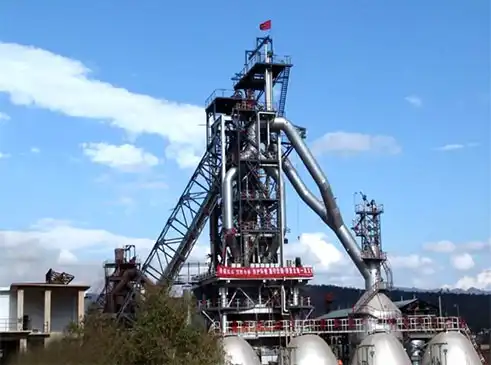
How to Extend the Service Life of Blast Furnace Tuyere Equipment
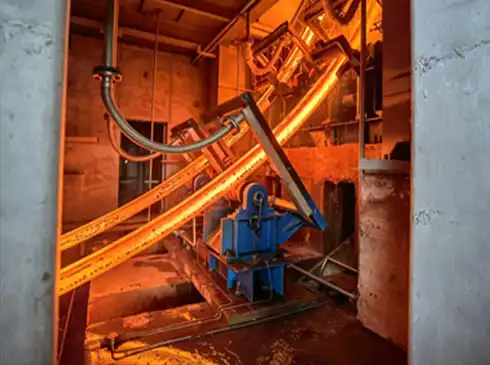
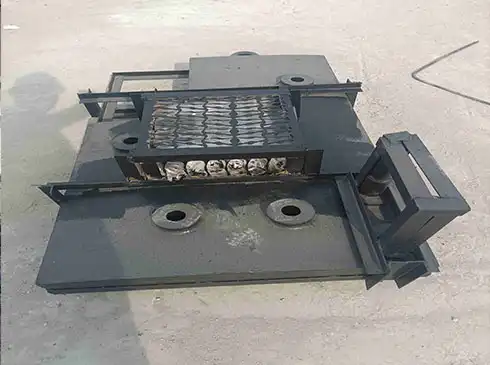
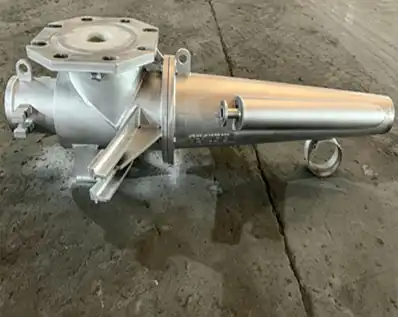
Maintenance Tips for Blast Furnace Drill Rod Replacement Equipment