What Is a Blast Furnace EPC Turnkey Service?
Understanding Blast Furnace EPC Turnkey Service
- Understanding Blast Furnace EPC Turnkey Service
- Advantages of Blast Furnace EPC Turnkey Solutions Over Traditional Construction
- What to Expect During a Blast Furnace EPC Turnkey Project?
- Choosing the Right Blast Furnace EPC Turnkey Service Provider
- Future Trends and Innovations in Blast Furnace EPC Turnkey Services
- Conclusion
- FAQ
- Partner with SMEC for Proven Blast Furnace EPC Turnkey Solutions
- References
A new blast furnace EPC turnkey service involves a single contractor managing the Engineering, Procurement, and Construction phases of a blast furnace plant from design to completion. Dispersed vendor management, technical interface concerns between subsystems like the furnace shell and cooling system, and budget overruns due to lack of centralized responsibility are addressed by this integrated strategy. This solution streamlines complicated metallurgical processes, decreasing project timeframes by 15-20% compared to multi-vendor techniques and optimizing ironmaking thermal efficiency.
Understanding Blast Furnace EPC Turnkey Service
The new blast furnace EPC turnkey service is defined by its comprehensive approach. Procurement managers collaborate with a single contractor to coordinate the facility's development rather than many contractors. This strategy streamlines architectural plans, equipment sourcing, and on-site construction without the disconnects that afflict huge industrial projects.
The Three Pillars of EPC Service Delivery
Detailed designs transform operational needs into technical specifications through engineering. SMEC teams create furnaces with 1000m³ to 5000m³+ interior volumes, using high-conductivity copper staves that can tolerate heat fluxes up to 500 kW/m². Refractory lining requirements and automation architecture are determined during engineering to fulfill production and environmental criteria before procurement.
Strategic procurement of long-life hearth technology with micro-porous carbon blocks and ceramic cups follows. This phase involves strong supplier connections and quality assurance to get extreme-condition equipment. Furnace shell welds are ultrasonic and X-ray inspected to ensure structural stability under high internal pressure.
Through thorough installation and testing, construction and commissioning bring plans to reality. Before blow-in, crews hydrostatic and pneumatically test cooling water circuits, check PLC/DCS logic with Factory and Site Acceptance Testing, and train operators. The facility is operationally ready without the learning curve of unconnected team-assembled systems.
Key Service Components That Drive Value
Equipment procurement in the new blast furnace EPC turnkey service goes beyond buying. We arrange for the purchase of Top Gas Recovery Turbine installations that recycle energy and 200kg/thm pulverized coal injection systems. ASME pressure vessel standards, IEC electrical system protocols, and ISO 9001/14001 quality and environmental management standards are tested on each component. This attention to specification compliance saves clients against integration issues caused by mismatched components from multiple vendors.
Pre-commissioning testing and installation confirm theoretical concepts' practicality. We monitor dust and sulfur dioxide emissions to meet ultra-low emission requirements expected by worldwide markets. These verification methods catch and fix flaws before they affect production schedules, which segmented construction models fail to do.
Advantages of Blast Furnace EPC Turnkey Solutions Over Traditional Construction
Traditionally, owners maintain separate contracts for design firms, equipment suppliers, and construction companies. Fragmentation causes coordination issues that drain management resources and provide hazards at every interaction. Delays and budgets rise when the engineering firm's specs don't match the equipment supplier's capabilities or the construction team faces installation issues not foreseen in the design phase.
Single-Point Accountability Transforms Project Management
A new blast furnace EPC turnkey service decreases interface risks by centralizing responsibilities. We own blast furnace projects from idea to commissioning at SMEC. This accountability framework ensures internal communication rather than cross-corporate miscommunication that leads to costly blunders. Project managers coordinate engineering, procurement, and construction changes in real time without contractual disputes in multi-vendor setups.
The financial impact is significant. Clients avoid hidden expenses when problem responsibility is unclear. Procurement staff know building timeframes, so equipment arrives on time. Because construction personnel reviewed designs, installation went well. Because every subsystem was verified against integrated specifications rather than vendor requirements, commissioning dates were met.
Risk Mitigation Through Integrated Quality Assurance
Projects delivered via a new blast furnace EPC turnkey service include thorough inspection standards throughout the project lifespan. All key welds are non-destructively tested, carbon block density and thermal conductivity are verified according to ASTM standards to prevent hearth erosion, and cooling system pressure tests assure zero-leakage performance. Quality gates detect problems early, reducing costs and scheduling delays.
Traditional techniques struggle with quality coordination since contractors have varied requirements. The engineering company defines one testing technique, the equipment supplier certifies another, and the construction crew checks installation using a third. These disconnects mask quality faults until operations begin, raising rectification expenses. With similar standards throughout all project phases, unified turnkey services close these gaps.
What to Expect During a Blast Furnace EPC Turnkey Project?
Procurement specialists plan capital deployment and production ramp-ups with realistic timelines. A greenfield new blast furnace EPC turnkey service takes 18–24 months from ground-breaking to blow-in, depending on capacity and site circumstances. This time includes conceptual design refinement, detailed engineering, equipment manufacture, modular construction, on-site assembly, and systematic commissioning to validate every subsystem before full production.
Major Milestones That Define Project Progression
Early milestones include engineering completion and long-lead equipment ordering. Early commitment is needed for furnace shell manufacture and refractory system purchase, which drive construction sequencing. This stage involves detailed design assessments to ensure that automation systems, material handling equipment, and environmental control technologies meet coking or integrated steel mill operating requirements.
Construction progress and equipment installation are mid-project milestones. Foundation construction, structural steel erection, and mechanical system installation are meticulously coordinated to optimize parallel work streams and respect important dependencies. Cooling systems are installed during shell erection, refractory after structural completion, and automation infrastructure during mechanical system construction. Progress is verified against quality and schedule requirements at each milestone.
Commissioning equipment into operational systems is a late-stage milestone. Mechanical integrity is verified without thermal loads during cold commissioning. Hot commissioning gradually adds operational conditions while monitoring system reactions. Plant operators receive training during this phase to learn standard operating parameters and troubleshooting procedures before taking over production.
Cost Drivers and Budget Planning Considerations
Blast furnace construction's biggest expense for a new blast furnace EPC turnkey service is material acquisition. Refractories, high-performance cooling systems, and automation devices cost more due to their technological complexity and dependability. Engineering specification decisions affect these expenses, thus procurement experts should be aware. Compared to typical designs needing earlier capital maintenance, long-life hearth technology with ceramic cups boosts upfront investment but extends campaign life to 15-20 years, decreasing lifetime expenses.
Project location and local manpower skills affect labor costs greatly. Sites with proven steel industry infrastructure benefit from blast furnace building experts. Remote or non-metallurgical places require additional training and possibly specialist workers from other regions. Logistics costs vary depending on proximity to fabrication facilities and ultra-large component transportation infrastructure.
Contingency allowances safeguard budgets from weather, supply chain, and site condition changes during construction. SMEC, an experienced provider of the new blast furnace EPC turnkey service, uses previous project performance data to set actual contingencies rather than percentages, boosting budget predictability.
Sustainability Practices Embedded in Modern Projects
Environmental compliance has become a competitive advantage. Modern new blast furnace EPC turnkey services meet or exceed local environmental laws with baghouse filters, dry-type gas cleaning systems, and water-closed-circuit cooling. These solutions conserve water, decrease pollutants, and absorb byproducts that boost operating economics while meeting stricter environmental criteria.
Another sustainability factor with financial implications is energy optimization. Utilizing Top Gas Recovery Turbine systems during design increases energy recycling by transforming waste gas pressure into electricity. Slag and hot blast stove heat recovery improves plant energy efficiency by capturing thermal energy. These sustainability elements involve upfront engineering and financial expenditure but save operational costs during the facility's multi-decade lifespan.
Choosing the Right Blast Furnace EPC Turnkey Service Provider
More than any other procurement choice, provider selection influences project success. Experience with equivalent capacity facilities in comparable operating situations supports realistic project planning and execution. SMEC provides a new blast furnace EPC turnkey service for greenfield integrated steel plants in coastal regions that require specialized materials for high-salinity corrosion resistance, brownfield expansions that integrate new furnaces into operational footprints with minimal production disruption, and high-altitude installations that require custom engineering for low oxygen environments.
Evaluating Technical Expertise and Certifications
Beyond project lists, technical skills include engineering depth and problem-solving. Our Large-scale Intelligent Coking Equipment Research Institute and Shenzhen Research Branch engage in innovation to keep our ideas ahead. We can design and test high-pressure top operations up to 0.3 MPa and hot blast stove insulation for thermal stability in harsh climates at these sites.
Compliance with certification for a new blast furnace EPC turnkey service proves quality management and technical expertise. Following international standards like ASME for pressure vessels, IEC for electrical systems, and ISO 9001/14001 for quality and environmental management shows dedication to methodical procedures and consistent outcomes. Certifications are important for foreign projects when regulatory requirements differ and clients need confidence that facilities will fulfill local standards without major adjustments.
The Value of Comprehensive After-Sales Support
Contracts for warranties, spare parts, and technical assistance separate transaction-focused suppliers from long-term customer partners. Our new blast furnace EPC turnkey service includes technical training for owner operation and maintenance teams to improve property management. This course includes standard operating practices, maintenance protocols, and troubleshooting methods to reduce unplanned downtime.
Warranty arrangements should reflect realistic equipment performance expectations and protect against premature failures. Turnkey blast furnace warranties cover main components for 12–24 months from commissioning, with extended coverage for crucial systems including refractory linings and cooling circuits. Technical assistance and spare parts availability impact how quickly facilities recover from unanticipated equipment faults in severe metallurgical conditions beyond warranty terms.
Future Trends and Innovations in Blast Furnace EPC Turnkey Services
Digitalization changes the new blast furnace EPC turnkey service design, construction, and operation phases. BIM allows engineers to test system interactions before building. The digital-first method finds design conflicts and optimization opportunities that two-dimensional drawings overlook, eliminating field adjustments that waste time and money.
Automation and Intelligence in Operations
Beyond process control, advanced automation includes predictive maintenance and operational improvement. Modern blast furnaces use IoT sensors that monitor equipment, process, and environmental outputs. Machine learning algorithms examine this data stream to detect maintenance needs before breakdowns and recommend operational changes that enhance efficiency without compromising safety or environmental compliance.
These sophisticated systems need integration planning during the new blast furnace EPC turnkey service project rather than retrofitting after commissioning. Our engineers create automation structures that meet current control needs and allow for future intelligence layer extension. This forward-thinking strategy safeguards capital expenditures by making facilities adaptable to new technologies and operating methods.
Sustainability Imperatives Driving Design Evolution
Blast furnace design is influenced by decarbonization regulations notwithstanding its importance to steel manufacturing. Providers of the new blast furnace EPC turnkey service add hydrogen injection, carbon capture, and other reducing agent systems to meet changing environmental standards. Full hydrogen-based direct reduction is still under development, although hybrid techniques that minimize carbon usage and maintain blast furnace economics are feasible.
These sustainability characteristics require rigorous economic analysis balancing upfront capital requirements, regulatory expenses, and carbon pricing methods. Procurement experts should work with EPC providers to forecast facility performance across many regulatory and economic scenarios to ensure investment decisions are sound regardless of policy changes.
Conclusion
Through integrated project management, a new blast furnace EPC turnkey service reduces interface risks, speed deadlines, and provide single-point responsibility for complex metallurgical plants. The integrated engineering, procurement, and construction strategy achieves system integration that fragmented approaches cannot. As industry trends toward digitization, automation, and sustainability change operating needs, turnkey suppliers with forward-thinking designs provide customers a competitive edge. Choosing experienced partners with established technical capabilities, rigorous quality systems, and continuing support decides whether these advanced facilities reach their performance potential and give the operational reliability needed for integrated steel production.
FAQ
How long does a typical blast furnace EPC turnkey project take?
Greenfield projects for a new blast furnace EPC turnkey service take 18–24 months from ground-breaking to blow-in and production. The timeframe accommodates extensive engineering, equipment production, construction, and methodical commissioning. Due to interface complexity with current production systems and logistical restrictions inside operational facilities, brownfield expansions integrating additional furnaces may take longer.
What protections do EPC turnkey contracts provide compared to traditional agreements?
Turnkey contracts within the new blast furnace EPC turnkey service model eliminate disagreements about which contractor caused delays or quality concerns. This framework facilitates performance bonding and clarifies problem resolution. Traditional multi-contractor techniques generate gray zones where accountability is unclear, complicated resolution and leaving owners monitoring vendor conflicts rather than project completion.
Can turnkey solutions accommodate custom operational requirements?
Absolutely. Because integrated engineering teams can optimize designs to individual specifications without inter-company disputes, the new blast furnace EPC turnkey service excels at customization. Whether high-altitude operations require enhanced material handling systems or coastal installations require corrosion-resistant specifications, experienced providers engineer solutions that meet unique operational contexts while following proven design principles to ensure reliability.
Partner with SMEC for Proven Blast Furnace EPC Turnkey Solutions
For decades, SMEC has delivered full blast furnace facilities that fulfill strict performance criteria and budget and schedule requirements. Our combined research, engineering, production, and after-sales support make us a complete new blast furnace EPC turnkey service provider from idea to long-term operating optimization. With 168 engineering and technical staff, including 30 senior engineers, we manage complicated projects using extensive metallurgical experience and contemporary project management methods.
Our 68,700-square-meter manufacturing facilities provide the production capacity and quality control needed to provide crucial equipment components to worldwide standards. Strategic partnerships with specialist vendors provide us with long-lasting refractory systems, high-efficiency energy recovery equipment, and clever automation platforms. This supply chain depth prevents procurement delays and ensures component quality satisfies high operating standards.
Reach out to our team at project@smec.cc to discuss your blast furnace needs and how our turnkey solution may expedite your next capital project while meeting modern metallurgical operations' performance, efficiency, and environmental compliance.
References
Chen, W., & Zhang, L. (2021). Modern Blast Furnace Ironmaking Technology and Engineering Management. Metallurgical Industry Press.
International Iron and Steel Institute. (2020). EPC Project Delivery Models for Integrated Steel Plants: Best Practices and Case Studies. IISI Technical Report Series.
Kumar, R., & Patel, S. (2022). "Comparative Analysis of Turnkey versus Traditional Construction in Heavy Industrial Projects." Journal of Engineering Project Management, 14(3), 187-204.
Peterson, J. (2019). Blast Furnace Design and Construction: Engineering Fundamentals for Modern Ironmaking. Steel Technology Publications.
Wang, H., Liu, Y., & Zhao, Q. (2023). "Sustainability Integration in EPC Turnkey Blast Furnace Projects: Environmental Technologies and Economic Impact." International Journal of Metallurgical Engineering, 12(2), 45-62.
World Steel Association. (2022). Technology Roadmap for Low-Carbon Steelmaking: Blast Furnace Optimization and Future Pathways. Brussels: WSA Publications.
Free consultation & volume discounts available
SEMC focuses on the entire metallurgical process—from coking, ironmaking, and steelmaking to continuous casting and rolling. Whether you face challenges related to equipment upgrades, energy efficiency optimization, or overall process transformation, please fill in the following information. Our technical team will provide you with tailor-made high-end equipment upgrade solutions and professional EPC design services to help your project be implemented efficiently.
Recommended Blog
A Complete Guide to Blast Furnace Riser Pipe Maintenance and Replacement
How to Reduce Unplanned Downtime with Advanced Tuyere Imaging Services?
How to Reduce Operating Costs of Three-Ring Cone Scrubbers
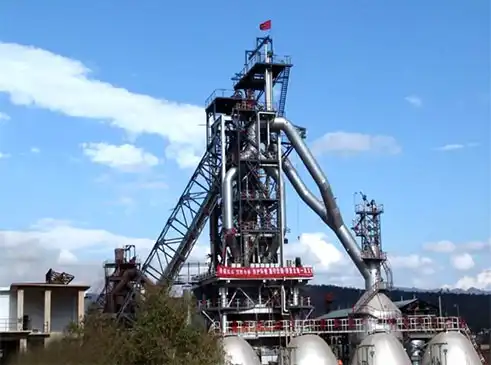
How to Extend the Service Life of Blast Furnace Tuyere Equipment
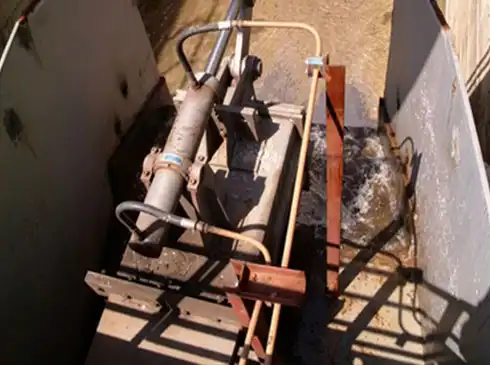
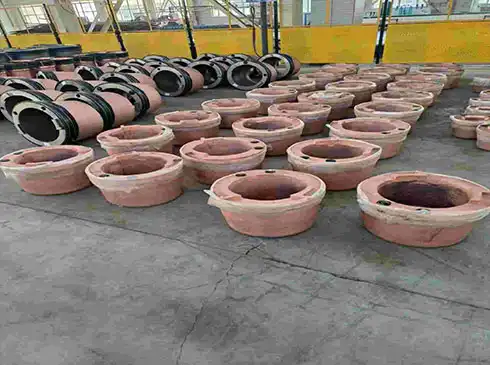
Why Wear-Resistance is Key for Your Next Blast Furnace Riser Pipe?
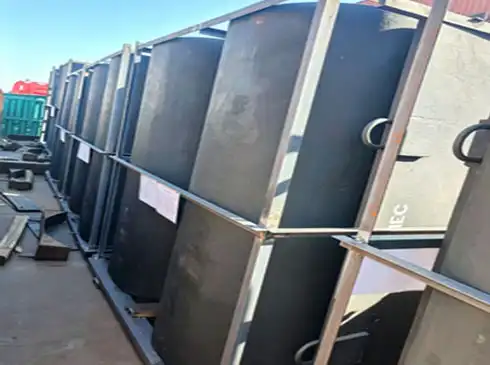
How Much Does Blast Furnace Slag Granulation Equipment Cost?