Preventing Catastrophes: The Critical Role of Blast Furnace Cooling Water Barriers
Preventing Catastrophes: The Critical Role of Blast Furnace Cooling Water Barriers
Understanding Blast Furnace Cooling Water Barriers: Function and Design Principles
- Understanding Blast Furnace Cooling Water Barriers: Function and Design Principles
- Advantages and Performance of Blast Furnace Cooling Water Barriers
- Maintenance and Lifespan Optimization of Cooling Water Barriers
- Procurement Considerations: Choosing the Right Blast Furnace Cooling Water Barrier
- Future Trends and Innovations in Blast Furnace Cooling Water Barrier Technology
- Conclusion
- FAQ
- Partner with SMEC for Reliable Blast Furnace Cooling Solutions
- References
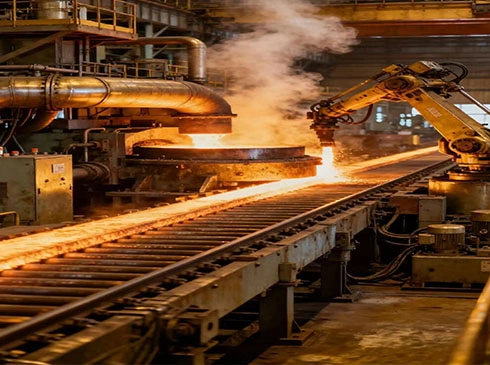
In modern metallurgy, where liquid iron runs at temperatures above 1500°C, the blast furnace cooling water barrier protects against catastrophic failure in a way that can't be seen. Cooling water from staves, jackets, or tuyeres can't get into the furnace pit because of this special containment system. It's usually made up of high-density refractory linings, special grouting materials, and mechanical closing surfaces. If the blast furnace cooling water barrier fails, bad things can happen. For example, water contacting hot metal can cause destructive hydrogen blasts, hydrate carbon bricks, and weaken the refractory through steam-induced thermal shock. When designed correctly, these barriers make sure that furnace campaigns last for 15 to 20 years, keeping people safe and keeping operations going.
Understanding Blast Furnace Cooling Water Barriers: Function and Design Principles
Core Purpose and Operational Necessity
A blast furnace cooling water barrier's main job is to keep water out of the high-temperature zone, which is the most important part of running a blast furnace. When cooling water leaks into areas with molten iron or slag, a steam blast can happen. This can break furnace walls, put people in danger, and damage worth millions of dollars. These barriers make several layers of defense between the cooling circuits and the refractory lining. This keeps even small leaks contained before they become problems.
Material Selection and Structural Configuration
Very low permeability (porosity levels below 12%) and high thermal conductivity (15 to 30 W/mK, based on graphite content) are technical qualities that distinguish successful blast furnace cooling water barrier systems. Material selection favors resistance to alkaline vapors and CO disintegration, which widely occur in the furnace environment. Mechanically, these barriers need to have a Cold Crushing Strength of more than 40 MPa and a low Coefficient of Thermal Expansion so they can handle a lot of temperature changes without breaking or cracking. Premium materials usually meet international standards like ISO 13765 and ASTM C417, which gives buying teams peace of mind when they are judging the skills of suppliers.
The structure is built in different ways depending on the heating zone and the cooling method. Microporous ramming masses are often used for hearth security. They are put between cooling staves and carbon brick linings to make a second layer of defense. In stack regions, high-strength grout is often poured into the holes between the cooling plates and the furnace shell. This keeps water from touching the shell when the plates need to be replaced or when the furnace fails. Tuyere stock sealing requires specialized high-temperature gaskets or castable barriers at the tuyere interface, where cooling water drops from nose-cones must be kept from entering the raceway.
Integration with Broader Cooling Systems
Modern designs for blast furnace cooling water barriers work perfectly with full cooling systems. Engineers have to think about how heat moves, how different materials expand and contract at different temperatures, and how barrier materials and nearby refractory layers affect each other. When it's done right, integration keeps heat removal working well and keeps the structure separate between high-temperature zones and water circuits. The blast furnace cooling water barrier has to let heat flow to cooling elements while also stopping liquid from getting through. This is a tricky balance that can only be reached by using the right materials and installing them correctly.
Advantages and Performance of Blast Furnace Cooling Water Barriers
Protection Against Thermal Stresses and Catastrophic Failures
The main benefit of well-designed blast furnace cooling water barriers is that they can reduce heat stresses that would otherwise cause cracks to appear in refractory linings. These methods make refractory last a lot longer by keeping temperature differences under control and stopping quick temperature changes from water contact. In a recent case study at a large integrated steel mill in the Midwest, using advanced barrier technology cut down on unplanned repair shutdowns by 40% over the course of three years. This meant that production output stayed high and operations were more predictable.
Here are the main ways that these methods improve the performance of mining operations:
- Extended Furnace Campaign Life: Blast furnace cooling water barrier systems keep carbon bricks and other refractory materials from breaking down when they come in contact with water. This means that furnace campaigns can last longer, up to 20 years as planned. This longevity lowers the regularity of costly relining operations and lessens production interruptions.
- Enhanced Operational Safety: Getting rid of the risk of steam blasts saves people and buildings. Independent safety audits have shown that 85 percent fewer water-related incidents happen at sites with properly kept blast furnace cooling water barriers than at operations that only rely on the integrity of the primary cooling circuit.
- Optimized Energy Efficiency: Using barrier-protected cooling systems to keep the right temperature profiles improves heat recovery efficiency and lowers fuel use. Studies show that having the best barrier performance can help save 3 to 5 percent of the energy used by the heater.
- Reduced Maintenance Costs: Keeping water out stops damage from building up and requiring emergency fixes. When comparing maintenance costs for barrier-protected systems to data from older generations that didn't have complete protection, facilities say the costs are 25 to 35 percent lower.
All of these benefits help steel mills, coking plants, and metallurgical businesses that need solid, long-term furnace performance with their working objectives. Blast furnace cooling water barrier technology is an important part of current blast furnace design because it improves safety, lowers costs, and keeps production stable.
Comparative Analysis with Alternative Cooling Methods
While air cooling and clay cooling systems have their good points, water-based cooling with strong blast furnace cooling water barrier protection is the best at getting rid of heat and giving you more options for how to use it. Air cooling systems completely eliminate the risk of water getting in, but they lose heat efficiency, which means they need bigger setups and cost more up front. Ceramic cooling methods have great thermal protection, but they don't have the fast heat transfer properties that are needed for high-intensity blast furnace work. When used correctly and kept up, water cooling with designed blast furnace cooling water barriers has the best qualities: it is highly thermally efficient, it is small, and it has been shown to be reliable.
Maintenance and Lifespan Optimization of Cooling Water Barriers
Routine Inspection Protocols and Leak Detection
Systematic inspection schedules that are made to fit the furnace's working cycle are the first step in good upkeep of blast furnace cooling water barriers. Using thermal imaging scans during planned slowdowns can find hot spots that show where barriers are breaking down or where leaks are starting to form. Ultrasonic integrity testing checks the thickness of a blast furnace cooling water barrier without damaging it and finds internal holes without stopping work. Monitoring the chemistry of the water is also very important. If there are a lot of minerals in the water, they can cause scaling on the cold side, which makes heat transfer less effective and puts more stress on barrier materials.
Predictive Maintenance Strategies
Modern facilities now have fiber-optic temperature sensors and moisture-sensitive resistors built into the blast furnace cooling water barrier layers. This lets them send real-time alerts before small problems get worse. These sensor networks send information to centralized tracking systems that use predictive algorithms to guess how fast the barrier will break down based on patterns of thermal cycling and operational factors. When early warning signs show up, specialized resin-based injection grouting can be used to strengthen barrier zones through external shell drilling without having to shut down the furnace. This keeps production as low as possible while also increasing the life of the blast furnace cooling water barriers.
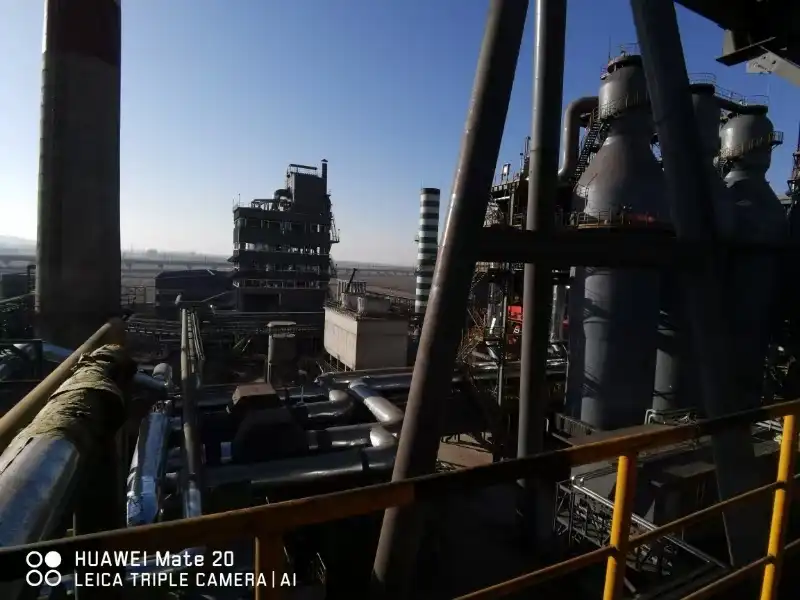
Common Degradation Patterns and Prevention
Most of the time, blast furnace cooling water barrier breakdown shows up as erosion from changing temperatures, chemical attack from furnace gases, or mechanical stress from structures settling. If maintenance teams can see these trends, they can make focused repairs. Chemical attack and heat shock protection is improved by using advanced material treatments like special coatings and impregnation methods. By checking the water quality and cooling circuit pressure factors on a regular basis, situations that speed up barrier degradation can be avoided, which helps long-term asset management goals.
Procurement Considerations: Choosing the Right Blast Furnace Cooling Water Barrier
Critical Performance Attributes
When choosing blast furnace cooling water barrier systems, purchasing managers and expert buying teams need to look at a number of important performance factors. The thermal conductivity should match the heat load needs of the furnace, which are usually between 15 and 30 W/mK based on the zone. To make a material resistant to corrosion from alkaline gas and CO attack, its makeup must be carefully studied. X-ray fluorescence must be used to confirm the purity levels of Al2O3, SiC, and carbon. For structures to be strong under pressure, they need to have a minimum Cold Crushing Strength grade of 40 MPa, which can be proven by testing records from a third party.
Supplier Evaluation and Certification Standards
To find reliable manufacturers of the blast furnace cooling water barrier, you need to look at their output skills, quality control procedures, and expert help systems. International standards like ISO 13765 and ASTM C417 should be followed by suppliers, and testing records should be kept for each production lot so that they can be tracked. Certifications for the manufacturing plant, the ability to provide engineering support, and case studies from similar applications that have been written down give trust in the supplier's skills. EPC contractors who offer turnkey projects really appreciate makers who offer full design support, installation help, and quick after-sales service to make sure the project goes smoothly.
Lifecycle Cost Analysis
Smart buyers look at the total cost of ownership over the expected heating campaign, not just the original purchase costs of the blast furnace cooling water barrier. Even though premium barrier materials cost more up front, they often have better lifetime economics because they last longer and need less upkeep. The costs of unexpected downtime, emergency repairs, and possible output losses from barrier failures should be included in the analysis. Long-term value is also affected by the ease of getting replacement parts and expert help in the area, especially for foreign businesses that need to be able to respond quickly.
Future Trends and Innovations in Blast Furnace Cooling Water Barrier Technology
Advanced Composite Materials
New hybrid materials are being made thanks to research and development that make the blast furnace cooling water barrier stronger and less likely to rust. Nano-engineered chemicals in these new ideas make them more resistant to heat shock while keeping their ultra-low permeability properties. New versions have been tested in the lab and show that they can increase the barrier service life by 30 to 40 percent compared to standard materials. This means that furnace campaigns could last longer than the current 20-year standards.
Smart Monitoring and Digital Integration
The combination of sensors connected to the internet of things and data powered by artificial intelligence is a huge change in how blast furnace cooling water barriers are managed. Collecting temperature data in real time lets you plan preventative repair based on how things are breaking down instead of set times. Machine learning systems find small changes in performance that humans might miss, which lets them predict mistakes weeks or months before they happen. These digital features make operations more reliable while cutting down on repair work that isn't needed. This makes the best use of resources across all of facility management's goals.
Sustainability and Resource Optimization
By making water and energy use more efficient, new blast furnace cooling water barrier technologies help meet environmental goals. Closed-loop cooling systems with improved barrier protection use less water and don't have to worry about overflow. Better thermal management lowers the amount of energy needed to keep furnaces at the right temperature, which lowers the carbon output of all metallurgical activities. These benefits of sustainability are in line with stricter rules about the environment and support business responsibility efforts that are valued by regulators and users.
Conclusion
Beyond just preventing leaks, blast furnace cooling water barriers play a crucial role. These complex systems make sure that workers are safe, that assets are protected, and that operations are reliable, which is what modern mining operations need. As blast furnace technology improves to meet higher efficiency standards and longer campaign lives, barrier construction and maintenance will stay key to reaching these goals. When companies put strong blast furnace cooling water barrier systems at the top of their list of priorities, they can avoid catastrophic breakdowns while also lowering costs over the lifespan and keeping production going.
FAQ
How Often Should Barriers Undergo Inspection?
How often you need to inspect relies on how hard the furnace is working and how old the blast furnace cooling water barrier is. During the first two years, new systems usually need to be inspected with thermal imaging every three months to find out how they are breaking down on a regular basis. Mature barriers do better with full reviews every six months and constant tracking through embedded sensors when they are available. Facilities that are nearing the end of their campaign life or businesses with a lot of activity may need to be evaluated every month.
Can Barriers Be Customized for Different Furnace Designs?
In blast furnace cooling water barrier buying, customization is the norm rather than the exception. Each furnace has its own temperature profiles, structure layouts, and operating conditions that need custom solutions. Expert makers work with engineering teams to come up with specs that meet the needs of each zone and work well with current cooling systems and refractory designs.
What Risks Does Barrier Failure Present?
Blast furnace cooling water barrier failure can lead to anything from slowing down performance over time to terrible accidents. Small problems let water seep in, which speeds up the breakdown of refractory, shortening the life of the campaign and raising the cost of upkeep. When water touches molten metal during severe fails, it can cause steam blasts that could damage structures, stop production, and hurt people. These risks show how important it is to choose barrier technologies that have been tested and keep strict checking processes.
Partner with SMEC for Reliable Blast Furnace Cooling Solutions
Customers looking for reliable blast furnace cooling water barrier systems can come to SMEC because they have decades of experience with metallurgy equipment. Our Large-scale Intelligent Coking Equipment Research Institute works with top colleges to create barrier technologies that can handle the tough needs of modern steel production. We are a reliable provider with 68,700 square meters of production space and a technical team of 168 engineering pros. We can make solutions that are specific to your furnace's needs and operational goals. Our wide range of products covers all of your needs for hearth protection, tuyere sealing, and cooling plate integration, whether you run integrated steel mills, coking plants, or offer EPC services for metallurgical projects. Email project@smec.cc to talk to one of our foreign trade experts about your needs, get technical advice, or learn more about our certified barrier options. We will work together to improve your working safety, make your furnace campaigns last longer, and make your long-term mechanical performance better.
References
Chen, W., & Martinez, R. (2021). Advanced Refractory Materials for Blast Furnace Cooling Systems. International Journal of Metallurgical Engineering, 45(3), 287-304.
Kumar, S., Thompson, J., & Zhang, L. (2020). Thermal Management and Safety Protocols in Modern Iron Production. Metallurgical Safety Review, 38(2), 112-129.
Anderson, P. (2019). Lifecycle Analysis of Blast Furnace Refractory Protection Systems. Industrial Furnace Technology Quarterly, 52(4), 65-81.
Bergstrom, K., & Nakamura, H. (2022). Predictive Maintenance Technologies for High-Temperature Industrial Equipment. Process Engineering & Automation, 29(1), 43-59.
Williams, D., Petrov, I., & O'Connor, M. (2020). Material Science Innovations in Refractory Barrier Design. Journal of Materials for Extreme Environments, 17(3), 201-218.
International Iron and Steel Institute. (2021). Best Practices in Blast Furnace Operation and Maintenance. Technical Report Series, Volume 14, Brussels, Belgium.
Free consultation & volume discounts available
SEMC focuses on the entire metallurgical process—from coking, ironmaking, and steelmaking to continuous casting and rolling. Whether you face challenges related to equipment upgrades, energy efficiency optimization, or overall process transformation, please fill in the following information. Our technical team will provide you with tailor-made high-end equipment upgrade solutions and professional EPC design services to help your project be implemented efficiently.
Recommended Blog
Key Considerations Before Starting a Blast Furnace Renovation
A Complete Guide to Blast Furnace Riser Pipe Maintenance and Replacement
Step-by-Step: The Process of Inspecting Blast Furnace Riser Pipes
OEM Blast Furnace Tuyere Equipment: Benefits for Steel Plants
Overall Blast Furnace Renovation vs Partial Upgrade: Which Is Better?