Does Three-ring Cone Scrubber Prevent Blockage and Reduce Maintenance Issues?
Does Three-ring Cone Scrubber Prevent Blockage and Reduce Maintenance Issues?
Understanding Blockage Issues in Blast Furnace Scrubbing Systems
- Understanding Blockage Issues in Blast Furnace Scrubbing Systems
- How the Three-Ring Cone Scrubber Works to Prevent Blockages?
- Maintenance Benefits of Using a Three-Ring Cone Scrubber
- Comparative Advantages Over Other Scrubbing Technologies
- Procurement Considerations for Blast Furnace Three-Ring Cone Scrubbers
- Conclusion
- FAQ
- Partner With SMEC for Your Blast Furnace Three-Ring Cone Scrubber Needs
- References
Yes — and the evidence is compelling. A blast furnace three-ring cone scrubber is purpose-built to address the two most persistent challenges in wet gas cleaning: particulate-driven blockage and escalating maintenance burdens. Unlike fixed-throat Venturi scrubbers, this adjustable wet scrubbing device uses a vertically movable central cone paired with three concentric rings to dynamically regulate annular gap size. The result is stable differential pressure control, continuous self-cleaning liquid flow, and outlet dust concentrations consistently below 5 mg/Nm³. For plant engineers and procurement managers, that translates directly into fewer unplanned shutdowns and lower lifecycle costs.
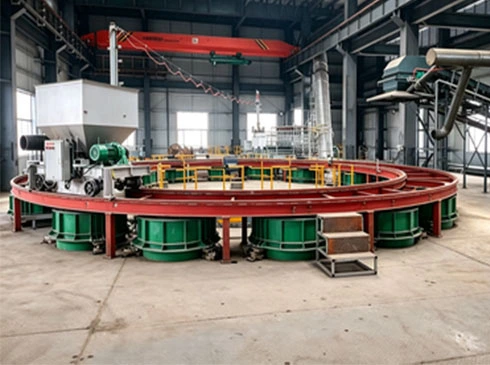
Understanding Blockage Issues in Blast Furnace Scrubbing Systems
When cleaning ironmaking gas, blockages don't just happen by chance; they happen in patterns that are built into the equipment.
Why Traditional Scrubbers Struggle?
One high-velocity throat zone is made up of single-ring and fixed-Venturi scrubbers. When the gas coming into the blast furnace has dust amounts of 10–20 g/Nm³, which is normal, that one area quickly fills up with particles. The problem is made worse by moisture condensation, which sticks fine dust to ring surfaces and nozzle outlets and makes them impossible to clean. The result is a series of failures: limited gas flow raises the top pressure, which makes the furnace unstable, and unplanned repair windows that cut off the supply of coke to activities further downstream in the blast furnace.
In addition to lowering production, downtime caused by blockages poses a risk to regulations. For integrated iron and steel plants that follow the U.S. EPA's National Emission Standards for Hazardous Air Pollutants (NESHAP), they must keep up with regular, legal gas cleaning. A jammed cleaner is not only a problem with the machine, but it is also against the rules.
How the Three-Ring Cone Scrubber Works to Prevent Blockages?
This type of cleaner works well at keeping things from getting clogged because it has a multi-stage hydraulic system, not just one design feature.
Multi-Stage Turbulence and Dynamic Throat Adjustment
When gas moves through each circular gap, the three-ring structure makes three disturbance zones in a row. This spreads the dust-collecting work across several stages, stopping the buildup in one area that happens with single-ring designs. The central cone is moved up and down by a hydraulic actuator, which changes all three gaps at the same time. The system reacts to changes in the top pressure in 1.5 to 2 seconds and keeps the best difference pressure (within ±2 kPa) even when the furnace load "slips" or "hangs."
Self-Cleaning Liquid Distribution
This is where the design of the blast furnace three-ring cone scrubber takes care of nozzles getting clogged at the source. Internal spray nozzles work with a low water-to-gas ratio of 0.3–0.6 L/m³. This makes droplets of controlled sizes that are just the right size to catch fine particles without flooding the throat. The flow pattern naturally cleans itself: liquid constantly sweeps the ring surfaces and the cone body, taking any loose particles down into the sludge circuit instead of letting them stick to the contact surfaces. While dynamic gap control and self-cleaning liquid flow work together, they keep scrubbing performance constant even when gas amounts and dust loads change, which is what happens in all large ironmaking plants.
Maintenance Benefits of Using a Three-Ring Cone Scrubber
Less frequent blockages directly lower the need for upkeep. But the benefits of upkeep go far beyond that partnership.
Modular Design and Accessible Internals
The cone system and ring parts are made so that they are easy to remove during planned shutdowns. Laser-guided concentricity control during fabrication makes sure that the annular gaps are all the same. This stops high-velocity wear in one area, which is the main reason why badly made units break down too soon. The cone's surface has a tungsten carbide or ceramic overlay that meets HRC 55–62 hardness standards. This makes the cone assembly last longer, usually 3–5 years, depending on how rough the gas is.
- Reduced nozzle intervention: The self-cleaning spray circuit greatly reduces the number of times that the nozzles need to be cleared by hand, which is a very time-consuming and laborious process that takes up a lot of planned maintenance hours in traditional wet scrubber systems.
- Predictable wear patterns: The concentricity of the rings is checked with a laser during production, so wear is spread out evenly across all touch areas. Instead of reacting to failures, maintenance teams can use measured wear data to plan when to re-coat or replace parts.
- Lower water treatment burden: Less water needs to be treated because there is less recirculating water to treat because the water-to-gas ratio is low. Standard water treatment methods make it easy to keep dissolved solids below 50 mg/L and control water hardness to avoid scaling.
- Periodic acid cleaning compatibility: When planned shutdowns happen, internal surfaces respond well to acid washing or high-pressure water jetting, which restores surface condition without the need for special tools or longer outage windows.
These benefits lead to measurable drops in both planned and unplanned maintenance, which raises the overall equipment effectiveness (OEE) and lowers the total cost of ownership over the scrubber's lifetime.
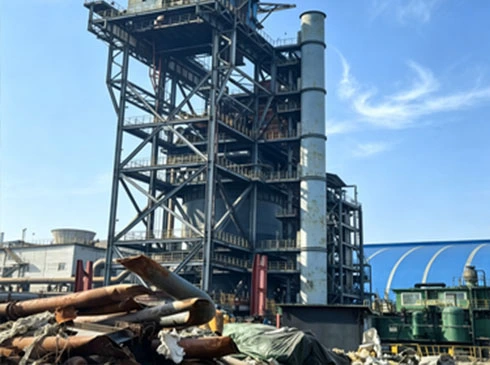
Comparative Advantages Over Other Scrubbing Technologies
When purchasing wet gas cleaning solutions for blast furnaces, teams usually look at three technologies: wet electrostatic precipitators (WESPs), single-ring adjustable scrubbers, and fixed Venturi scrubbers. The blast furnace three-ring cone scrubber works better at removing particles and preventing blockages than single-ring designs. This is because distributed turbulence works better than concentrated turbulence for rough, variable-concentration gas streams.
When compared to fixed Venturi systems, the adjustable throat lets you control the pressure in a way that fixed designs can't. This makes the scrubber the best choice for before Top Gas Recovery Turbines (TRT), where blade protection needs particles that are always less than 2 microns in size. The scrubber uses less energy and doesn't need as much specialized electrical infrastructure as WESPs. In high-pressure casting, where the top pressure can reach 0.2 to 0.3 MPa, the hydraulic control system handles changes in pressure that WESP designs aren't best at handling. The scrubber also works well at gas temperatures up to 250°C, which is the normal temperature range for blast furnace gas and doesn't need any extra cooling.
Procurement Considerations for Blast Furnace Three-Ring Cone Scrubbers
When choosing a supplier for this kind of equipment, you need to look at more than just the catalog specifications. Verified weld quality is needed for structural stability at working pressures up to 150 kPa. Only buy from companies that test all structural welds with ultrasonic (UT) and radiographic (RT) non-destructive testing as regular practice, not as an extra certification upgrade. For the U.S. market, pressure vessels must meet the requirements of ASME Section VIII and have ISO 9001 quality control approval.
Customization is important because no two blast furnace systems have the same gas volume profiles, high pressure ranges, or site limitations. A good supplier should offer engineering advice during the specification process as well as support after the sale. Check the lead times for cone assembly parts and the availability of spare parts under a maintenance contract. The dates for cone re-coating have a direct effect on the planned maintenance schedule.
Conclusion
When it comes to the blast furnace three-ring cone scrubber, promises of less upkeep and fewer blockages are not just marketing hype. They are real engineering results caused by dynamic throat adjustment, spread turbulence zones, and self-cleaning liquid circuits. This cleaning technology is a good way for coking plants, integrated steel mills, and coal chemical facilities that are under real production pressure to move up from traditional fixed-throat systems. The performance data, material standards, and operational flexibility all meet the needs for reliability in large-scale blast furnace gas cleaning today.
FAQ
How often should the scrubber be serviced to prevent blockages?
How often routine inspections are done depends on how much dust is coming in and how well the water quality is being managed. Full internal checks are usually done every 6 to 12 months when everything is running normally and the suspended solids level in the flowing water stays below 50 mg/L. As part of normal shift tracking procedures, nozzle checks and sludge circuit reviews happen more often.
Can the scrubber be retrofitted into an existing blast furnace gas cleaning plant?
Yes. The flexible cone design can be used with existing Gas Cleaning Plant pipe plans as long as the mounting for the hydraulic actuator and the links for the instruments are made to work with what is already there. An engineering review by the supplier during the procurement process is necessary to make sure that the dimensions are compatible.
What environmental advantages does this scrubber offer over conventional models?
The blast furnace three-ring cone scrubber gets dust amounts below 5 mg/Nm³ at the exit, which helps meet strict emission limits. It makes less wastewater because it has a low water-to-gas ratio, and it doesn't have any high-voltage electrical parts, which means it doesn't have some of the dangerous upkeep risks that come with wet electrostatic alternatives.
How does the three-ring design improve efficiency over a single-ring cone?
The three-ring structure has more gas-water contact surface area across more turbulence zones than single-ring designs. This means that it can catch more dust with less pressure drop.
Partner With SMEC for Your Blast Furnace Three-Ring Cone Scrubber Needs
SMEC, which is part of Taiyuan Silian Heavy Industry (Group) Co., Ltd., has been making specialized machines for decades and can offer blast furnace three-ring cone scrubbers. Our equipment meets the standards set by ASME Section VIII and ISO 9001, and our engineering team can help with customization from the design stage all the way through completion. You can talk to us about your gas cleaning needs by emailing project@smec.cc or going to smecltd.com and requesting a professional review.
References
1. American Iron and Steel Institute (AISI). Steel Technology Roadmap: Ironmaking Process Improvements. 2022.
2. U.S. Environmental Protection Agency (EPA). National Emission Standards for Hazardous Air Pollutants: Integrated Iron and Steel Manufacturing Facilities. 2020.
3. Chatterjee, A. Ironmaking and Steelmaking: Theory and Practice. PHI Learning, 2010.
4. ASME. Boiler and Pressure Vessel Code, Section VIII: Rules for Construction of Pressure Vessels. 2021 Edition.
5. Sinha, O.P., and Nag, S. Blast Furnace Gas Cleaning Systems and Energy Recovery. Tata McGraw-Hill, 2015.
6. Industrial Minerals Association – North America (IMA-NA). Dust Control and Gas Cleaning Technologies in Metallurgical Operations. 2021.
Free consultation & volume discounts available
SEMC focuses on the entire metallurgical process—from coking, ironmaking, and steelmaking to continuous casting and rolling. Whether you face challenges related to equipment upgrades, energy efficiency optimization, or overall process transformation, please fill in the following information. Our technical team will provide you with tailor-made high-end equipment upgrade solutions and professional EPC design services to help your project be implemented efficiently.
Recommended Blog
Can Blast Furnace Tuyere Camera Work Under Extreme High Temperature Conditions?
Understanding the Structure of a Blast Furnace Three-Ring Cone Scrubber
Why Modern Steel Plants Use Automatic Drill Rod Replacement Devices
_1786960232216.webp)
Why Cast House Equipment Maintenance Is Critical for Blast Furnace Safety
Why Is Erosion Resistant Lining Essential for Blast Furnace Shaft Protection?
How to Select the Best Blast Furnace Renovation Contractor