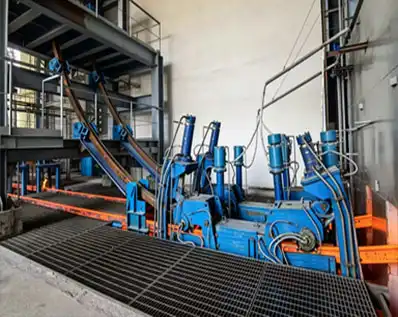
What Does a Blast Furnace EPC Service Include for Turnkey Delivery?
Understanding Blast Furnace EPC Services: Scope and Core Components
- Understanding Blast Furnace EPC Services: Scope and Core Components
- Engineering and Project Management: Ensuring Quality and Efficiency
- Procurement Excellence: Sourcing and Contracting for Optimal Results
- Construction and Commissioning: Delivering On-Time and On-Budget
- Why Choose a Leading BlastAce EPC Contractor?
- Conclusion
- FAQ
- Partner with SMEC for Your Next Blast Furnace Project
- References
A new blast furnace EPC general contracting service represents a comprehensive project delivery model where a single contractor manages engineering, Procurement, and Construction phases from initial design through final commissioning. This approach addresses fragmented vendor management, technical interface risks between subsystems like furnace shells and cooling systems, and budget overruns from divided accountability. By consolidating responsibility under one roof, integrated ironmaking facilities achieve seamless coordination, reducing project timelines by 15-20% compared to traditional multi-vendor approaches while optimizing thermal efficiency throughout the entire production cycle.
Understanding Blast Furnace EPC Services: Scope and Core Components
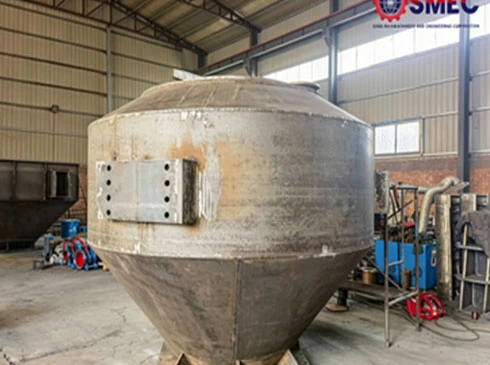
Choosing an EPC provider for blast furnace projects changes the way mining facilities are built in a big way. Clients don't have to coordinate with different engineering firms, equipment suppliers, and construction teams; instead, they work with one group that is responsible for all parts of the project.
What Single-Point Responsibility Means for Your Project?
With single-point responsibility, there are no more communication problems that happen with traditional contracting. When procurement specialists, building managers, and design engineers all work under the same boss, technical choices are made easily and there are no disagreements over the boundaries of the interfaces. Steelmakers try to avoid the common situation where the supplier of the cooling system blames the installer of the refractory for problems with performance, even though both are to blame for mistakes in the design. Under EPC models, who is responsible for what stays clear, and disagreements are settled within the company before they affect your plan.
Complete Lifecycle Coverage from Concept to Operation
SMEC's "turnkey" method is made up of ten service modules that work together to complete a job from start to finish. We start by doing a full analysis of your production capacity needs, the site conditions, the raw material specifications, and your environmental compliance needs. Our engineers create personalized building plans that come with required feasibility studies, construction drawings, and process schemes that are based on real-life situations instead of ideas.
The next step is to design the whole process, which includes the structure of the furnace, the load distribution systems, the blast supply networks, the pulverized coal injection equipment, the cooling circuits, the dust removal and purification systems, and the smart monitoring infrastructure. This approach to design makes sure that all of the parts work together smoothly instead of just meeting their own requirements. The next step is to buy materials and equipment. This is where we choose quality-checked tools and nationally recognized building supplies, avoiding low-quality items that could hurt the project's integrity.
Civil foundation building lays the groundwork for structures and meets strict standards for blast furnace foundations, machine bases, and supporting structures. The next step in installing equipment is to carefully place the furnace bodies, other equipment, pipe networks, electrical systems, and automation controls. During system integration and approval, all process systems, smart devices, and control mechanisms are tested by debugging them together, testing each piece of equipment separately, and running trials to make sure everything works as it should.
During the boiler heating, temperature ramping, starting, and capacity success phases, production support services are provided, and specialized staff are stationed on-site to handle any initial operating problems. Your operations and maintenance teams can get free technical training that teaches them how to do their jobs, how to do maintenance, and how to control the process. As-built records and compliance materials are organized by documentation and acceptance services, which also help with environmental and safety reviews and the final acceptance of the project. Long-term quality promises, repair services, and ongoing expert help are all part of the post-delivery warranty and maintenance support.
How EPC Differs from Traditional Multi-Vendor Contracting
Traditional methods divide project work among several contractors, with each trying to make the most of their own area of responsibility without being able to see how other systems are working. Specialists in refractories may choose materials that are good for the way they place them but not so good for long-term thermal cycles. Electrical companies may handle cables in a way that saves them money on labor costs but makes it hard for repair workers to get to the cables. From the start, EPC workers in new blast furnace EPC general contracting service have to balance these different needs, making choices that are better for the building as a whole rather than just making things easier for one trade.
Engineering and Project Management: Ensuring Quality and Efficiency
Engineering quality and focused project management are what set apart blast furnace projects that go well from ones that don't. SMEC's method combines new technologies with tried-and-true management systems that keep projects on track.
Customized Design Solutions Tailored to Operational Realities
Every steel company has to deal with its own set of problems, such as the chemistry of the raw materials it uses, environmental laws, the services that are available, the infrastructure that is already there, and plans for future growth. We make blast furnace designs that fit the needs of our customers by adding things like better refractory configurations for high-alkali ore environments or special dust collection systems for places with strict particle limits. As a result, environmentally friendly technologies like top-gas recovery turbines, waste-heat utilization, and closed-loop cooling systems that use as little water as possible are taken for granted.
Risk Management Throughout Project Execution
A thorough risk assessment finds problems that might happen before they happen. We look at things like geological conditions that could make foundation work harder, weaknesses in the supply chain for important long-lead equipment, the availability of workers during busy construction periods, and the timelines for getting approvals from the government. Through weekly reviews of progress, variance analysis, and planning of corrected actions, milestone tracking keeps the schedule on track. Cross-disciplinary coordination stops the "silo mentality" that happens when mechanical teams finish works without checking to see if the electrical system is ready or that the instrumentation is finished.
Compliance with International Standards and Regulations
A lot of technical rules and environmental laws must be followed by blast furnace sites. Our designs meet the standards for ASME pressure vessels, IEC electrical systems, and ISO 9001/14001 quality and environmental management. This compliance goes beyond written records and includes things like welding processes, material certifications, and inspection records that show compliance in real-life building work. Environmental compliance is very important. Emissions tracking, water discharge testing, and noise level checking are all done to make sure that regulations are followed before operations begin.
Procurement Excellence: Sourcing and Contracting for Optimal Results
Buying things has a big effect on how much they cost, how long they take, and how reliable they are in the long run. Structured procurement processes at SMEC make sure that both quality and cost-effectiveness are met.
Strategic Supplier Selection and Management
Our purchasing department keeps in touch with approved suppliers of materials and equipment all over the world. Parts of the cooling system could come from European fabricators that are known for making very precise copper staves, and refractory materials could come from companies that have a history of doing well in similar work environments. This variety of suppliers gives you choices while keeping high standards that protect your investment.
Structured buying methods make sure that prices are fair and clear. To get clear technical specifications, we write detailed technical specifications, ask pre-qualified vendors to send us bids, and then we evaluate the bids based on price, delivery schedule, technical compliance, and support after the sale. Standardized contract forms spell out exactly what needs to be done for delivery, acceptance testing, guarantee coverage, and settling disagreements.
Cost Control Without Compromising Quality
Cost management starts in engineering for the new blast furnace EPC general contracting service, when decisions about the plan set the initial budget. Value engineering finds ways to lower costs without lowering quality. For example, it might suggest using different materials that have the same traits but are easier to find, or it might change the way equipment is set up to lower the need for supporting steel. When procurement combines purchases made on various systems, negotiation power goes up because big discounts are possible and coordinating with vendors is easier.
Change order controls that need technical justification and a cost-benefit analysis before accepting scope changes keep the budget safe during building. This discipline stops scope creep, which slowly makes project costs go over what was originally planned.
Construction and Commissioning: Delivering On-Time and On-Budget
If engineering plans become operational reality, construction execution and commissioning validation are what make that happen. SMEC's site management practices stress checking for quality and solving problems before they happen.
Real-Time Monitoring and Quality Control Systems
Modern project management tools let you see how the building is going, when materials are being delivered, how productive workers are, and how good the work is. Daily reports compare finished tasks to planned plans and point out differences that need to be fixed. Photographic recording makes visible records of work that was hidden before the building was shut down for good. This can help with planning future upkeep and, if necessary, warranty claims.
In-process checks are also part of quality control, not just final reviews. Before mounting tools, the strength of the structure is confirmed by checking a concrete cylinder. Before the refractory is put in place, weld radiography checks the important joints. Before the instrument is put into service, calibration papers make sure that the measurements are accurate. These progressive checks find problems early, when they are easiest to fix, instead of finding them during startup, when they get in the way of activities that are important to the project's success.
Safety Protocols and Emergency Preparedness
Site-specific danger analysis, required safety training, the need for personal protective equipment, and daily kit talks all keep an eye on construction safety. Controlling welding and cutting actions near flammable materials is possible with hot work. Procedures for entering confined spaces protect people who work in pipes and vessels. Fall protection systems keep people working at heights on furnace platforms and structures safe.
Planning for emergency preparedness sets up how to handle things like fires, building collapses, releases of dangerous materials, and medical emergencies. Set meeting places, ways to talk to each other, and working together with local emergency services all help make sure that reactions are quick, effective, and have minimal effects.
Structured Commissioning and Client Handover
Commissioning is done in a planned way, with functional tests for each piece of equipment, integration tests for subsystems, and working verifications for the whole system. Flow and pressure tests are done on cooling water circuits. Blast systems show how much air is needed and how hot it needs to be. The burden distribution equipment shows that charging is accurate and consistent. Control systems make sure that safety interlocks and automated sequences work.
Performance testing makes sure that finished facilities meet certain standards for product quality, energy use, production capacity, and emissions levels. When the job is done successfully, it is officially handed over along with operating manuals, maintenance procedures, lists of spare parts, and as-built documentation that helps with ongoing operations.
Why Choose a Leading BlastAce EPC Contractor?
The choice of contractor has a big effect on how the job turns out. The best EPC companies have skills that go beyond just completing building projects.
Certifications and Proven Track Record
Reliable contractors show they are qualified by having well-known certifications, recommendations from past projects that went well, and client feedback. ISO badges show that quality control systems have been in place for a while. Membership in an industry association shows how professional you are. Completed projects with similar uses show that you are technically competent and can reliably meet your deadlines.
As a part of the Taiyuan Silian Heavy Industry Group, SMEC has a long history of making coking tools and is now also growing its skills in other metalworking industries. Out of the 486 people who work for us, 168 are engineers and technical experts, and 30 are senior engineers. This level of technical detail makes it possible to solve difficult problems in a sophisticated way when they come up during planning or building.
Advantages of Integrated Turnkey Delivery
When various contractors work on their own, they often point the finger at each other, but turnkey delivery in new blast furnace EPC general contracting service streamlines conversation through a single reporting channel. When the planning, procurement, and building teams work together from the start of the project instead of one after the other, the schedule can be sped up. Because EPC contractors include interface risks and communication inefficiencies in their fixed-price bids instead of passing these doubts on to clients through change orders, cost predictability gets better.
When digital project management tools, 3D modelling, and automatic quality documentation are used on a regular basis instead of just as one-off projects that need teamwork between many people, technology adoption speeds up.
Future-Ready Technologies for Sustainable Operations
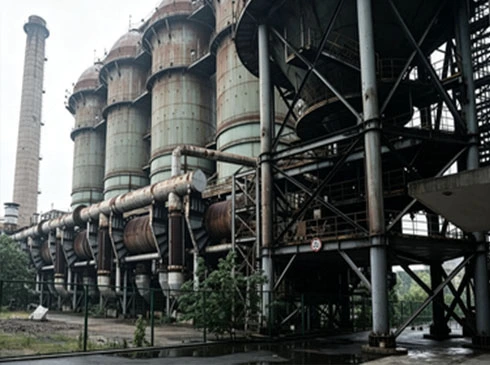
Environmental forces are having a bigger effect on the design of blast furnaces. Leading contractors use technologies that lower emissions, such as advanced gas cleaning, selective catalytic reduction for nitrogen oxides, and enclosed material handling that keeps dust from flying around. Digital monitoring systems keep an eye on environmental factors all the time, so they can spot any changes early on, before they become illegal.
Technologies that use less energy lower prices and help reach environmental goals at the same time. Top gas recovery machines use off-gas from blast furnaces to make energy. Using waste heat from slag and hot stoves to heat processes or make electricity is called waste heat recovery. These features turn following environmental rules from a cost problem into a business benefit.
Conclusion
Comprehensive EPC contracts for turnkey blast furnace delivery are a tried-and-true way for steel makers and metallurgical facilities to complete projects successfully. When planning, procurement, and building are all managed by the same person, clients get more control over costs, schedules, and technology than they would get with separate methods. SMEC's ten-module service framework covers all stages of a project, from case studies to help after the project has started. This makes sure that there are no problems and that the system is ready to go. SMEC is a trusted partner for companies that need blast furnace solutions that meet strict environmental and production standards because they have a lot of technical knowledge, handle projects in a structured way, and are dedicated to quality.
FAQ
What are the primary benefits of hiring a blast furnace EPC contractor?
EPC contractors provide a single point of accountability, which makes project management easier and gets rid of the need for multiple vendors to work together. This shared responsibility speeds up the decision-making process, lowers the risks at the interface, and makes it clear what to do when problems arise. Clients get stable plans, low costs, and unified tech solutions that are best for the overall performance of the building instead of just focusing on the needs of individual parts.
How do project management strategies minimize construction risks?
A thorough risk assessment finds possible problems early on, which lets you plan ahead for how to deal with them. By regularly checking on work and analyzing differences, milestone tracking keeps the plan on track. Coordination between teams from different fields makes sure that mechanical, electrical, building, and robotics teams work together without any problems. In-process verification for quality control finds mistakes early on, when fixes are easy, so expensive rework doesn't have to be done later in the project.
What environmental compliance standards must contractors meet?
EPC companies that work with blast furnaces have to follow rules about releases of carbon monoxide, sulfur oxides, nitrogen oxides, and particulate matter. Control of cooling system blowdown and process water flows are both possible with water output. Noise ordinances limit the amount of noise that can affect nearby communities. To show compliance, you need to keep an eye on things, test them on a regular basis, and keep thorough records that can be used for regulatory reporting and audit replies.
Partner with SMEC for Your Next Blast Furnace Project
SMEC has a lot of experience with blast furnace EPC solutions, and our parent company, Taiyuan Silian Heavy Industry Group, has decades of experience with metallurgy equipment. In our all-inclusive service model, we take care of every part of a project, from the initial feasibility study to long-term operational support. This takes away the need for cooperation and guarantees the highest level of professional excellence. As a well-known provider of new blast furnace EPC general contracting services, we mix advanced engineering skills with organized project management to keep your schedule and budget safe. Get in touch with our team at project@smec.cc to talk about how our turnkey approach can help you achieve your goals for building growth or modernization.
References
1. Smith, J.R. "Modern Blast Furnace Engineering: Principles and Practice." Metallurgical Industry Publishers, 2021.
2. International Iron and Steel Institute. "Best Practice Guidelines for Blast Furnace Construction Projects." Technical Report Series, 2020.
3. Williams, T.K. "EPC Project Management in Heavy Industry: Strategies for Success." Industrial Engineering Press, 2022.
4. Chen, L. and Rodriguez, M. "Environmental Technologies for Clean Ironmaking." Journal of Sustainable Metallurgy, Vol. 15, 2023.
5. Anderson, P.B. "Turnkey Delivery Models in Capital Projects: Comparative Analysis." Construction Management Review, 2021.
6. European Steel Technology Platform. "Advanced Blast Furnace Systems: Technical and Economic Considerations." Industry White Paper, 2022.
Free consultation & volume discounts available
SEMC focuses on the entire metallurgical process—from coking, ironmaking, and steelmaking to continuous casting and rolling. Whether you face challenges related to equipment upgrades, energy efficiency optimization, or overall process transformation, please fill in the following information. Our technical team will provide you with tailor-made high-end equipment upgrade solutions and professional EPC design services to help your project be implemented efficiently.
Recommended Blog
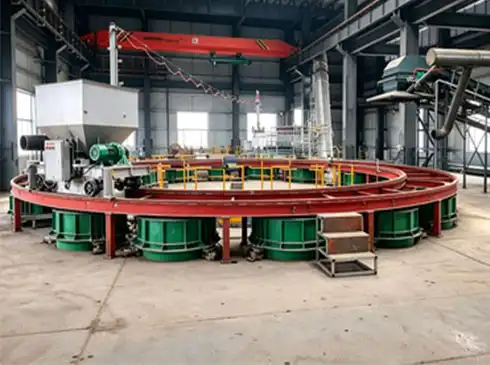
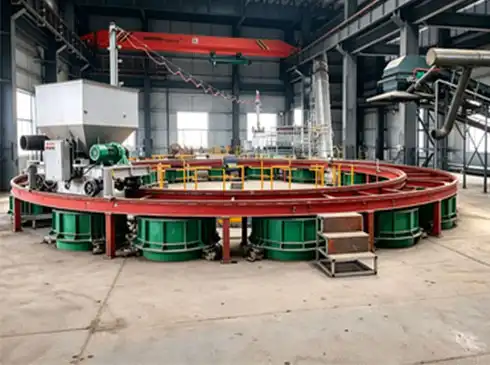
Does Three-ring Cone Scrubber Prevent Blockage and Reduce Maintenance Issues?
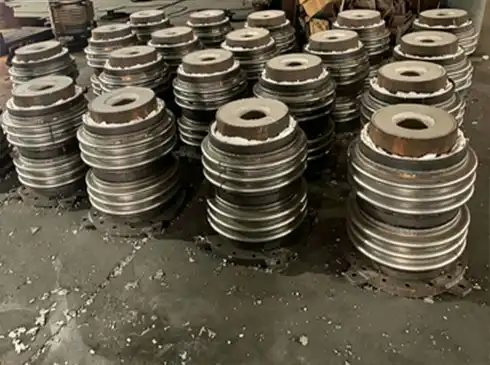
Why Is Erosion Resistant Carbon Brick Essential for Blast Furnace Hearth?
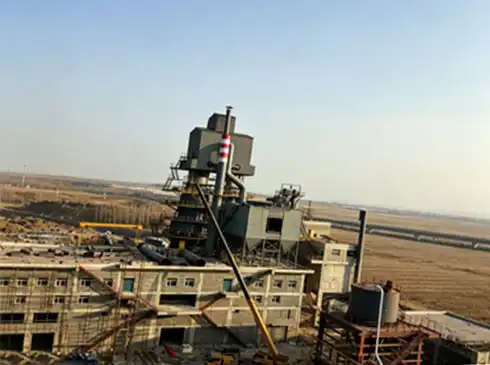
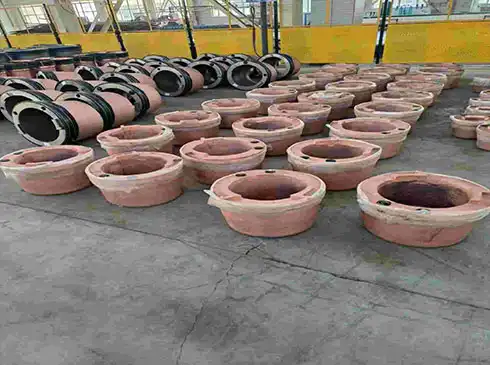
Why Wear-Resistance is Key for Your Next Blast Furnace Riser Pipe?
How Blast Furnace Tower Equipment Supports Large-Scale Production?
How Overall Blast Furnace Renovation Improves Steel Plant Efficiency?