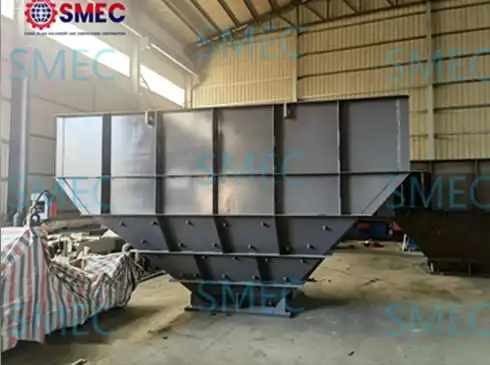
Why Wear-Resistance is Key for Your Next Blast Furnace Riser Pipe?
Understanding Wear-Resistance in Blast Furnace Riser Pipes
- Understanding Wear-Resistance in Blast Furnace Riser Pipes
- Materials and Design Principles that Enhance Wear-Resistance
- Comparing Wear-Resistant Riser Pipes with Other Blast Furnace Components
- Procurement and Supplier Selection for Wear-Resistant Blast Furnace Riser Pipes
- Maintenance Tips to Maximize the Lifespan of Wear-Resistant Riser Pipes
- Conclusion
- FAQ
- Partner with SMEC for Superior Blast Furnace Riser Pipe Solutions
- References
When engineers and procurement managers evaluate components for blast furnace operations, wear-resistance emerges as the single most decisive factor in riser pipe selection. A blast furnace riser pipe functions as the vertical conduit channeling high-temperature, dust-laden raw blast furnace gas from the furnace throat to downstream cleaning systems. Operating continuously under temperatures reaching 1000°C while transporting abrasive particulates at high velocity, these pipes face relentless erosion that threatens structural integrity, production continuity, and safety. Choosing wear-resistant solutions directly translates to fewer emergency shutdowns, lower lifecycle costs, and sustained furnace efficiency—making this characteristic non-negotiable for metallurgical operations.
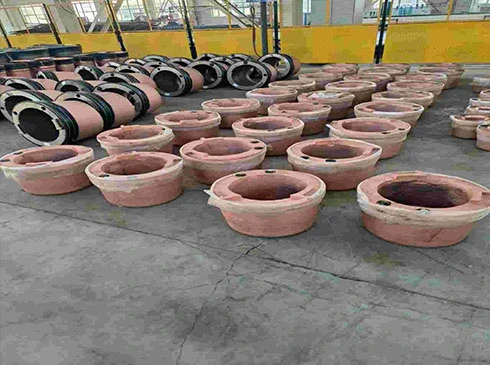
Understanding Wear-Resistance in Blast Furnace Riser Pipes
The Critical Role of Riser Pipes in Blast Furnace Operations
Blast furnace riser pipes are needed in every blast furnace to safely and quickly get rid of process gases. These heavy-duty tubes are located at the top of the furnace and handle huge amounts of raw gas that contains hydrogen, carbon monoxide, carbon dioxide, and a lot of fine dust. The pipes have to keep their gas-tight seals while also being able to handle changes in pressure, temperature, and constant rough flow. Without reliable blast furnace riser pipes, steel companies risk catastrophic gas leaks, production stops, and worker safety being put at risk.
Three Primary Wear Mechanisms That Degrade Riser Pipes
Figuring out how wear happens helps explain why being able to fight these forces is so important. High-speed dust particles, mostly iron ore fines, coke breeze, and limestone pieces, keep hitting the inside walls of pipes, causing mechanical friction to be the main type of wear. This wears away at the walls of the pipe over time, making weak spots that can break. Repeated heating and cooling processes cause microcracks in the base metal, especially at weld zones where leftover stresses build up. This makes the problem even harder to solve. Chemical rust is a third type of degradation that happens when sulfur compounds and carbon monoxide attack the steel matrix. This speeds up the loss of material through electrochemical processes. Metallurgical institutes' research shows that pipes that don't have enough wear resistance fail three to four times more often than pipes that are properly defined. The International Iron and Steel Institute found that about 38% of unplanned blast furnace downtime around the world are caused by breakdowns due to erosion. Furthermore, these numbers make it clear that wear resistance should not be ignored.
How Wear-Resistance Protects Operational Stability
Choosing blast furnace riser pipes that don't wear down quickly has real practical benefits. Longer service lives mean that plants don't have to spend as much money on capital items as often, so they can put their money toward making their plants more productive instead of replacing things in an emergency. Maintaining the same width of the pipe walls ensures the best gas flow and pressure distribution, which supports steady load fall and even heating across the furnace profile. When repair windows are cut down, yearly production rates go up. This is because total equipment efficiency measures go up, which drives profits in competitive steel markets.
Materials and Design Principles that Enhance Wear-Resistance
Comparing Carbon Steel and Alloy Steel Performance
Choosing the right material is the first step in designing wear-resistant blast furnace riser pipes, and for a blast furnace riser pipe, this selection is critical because it must handle high-temperature gases, abrasive dust, and thermal cycling simultaneously. Carbon steels that meet the requirements of ASTM A106 Grade B offer basic performance that is good for medium-duty uses. Because these materials are easy to weld and don't cost too much, they can be used in places where gas temperatures stay below 400°C and dust loads stay within certain limits. Alloy steels that contain chromium, molybdenum, and nickel have better protection to wear in harsh circumstances. When the chromium level is between 5 and 9 percent, stable oxide layers are formed that can stand up to both chemical and mechanical wear. Adding molybdenum makes the material stronger at high temperatures, which stops it from deforming over time when it's exposed to high temperatures for a long time. Nickel makes things tougher, so they are less likely to crack from thermal shock during starting and shutdown processes.
Wall Thickness Optimization and Erosion Allowance
Engineers who are making wear-resistant blast furnace riser pipes figure out the wall thickness by using the design pressure, the temperature, and the rate of erosion they expect to see. Standard practice includes an erosion permit, which is extra material thickness above and beyond what is needed for structural integrity. This extra thickness accounts for wear that happens slowly over the design life. Pipes that serve burners that make a lot of dust usually have an 8-12mm erosion limit, which doubles the service life compared to options with less specific requirements. Computational fluid dynamics modeling helps find the areas that are being worn down the most. Modern designs may use different wall thicknesses to strengthen areas that get a lot of use while reducing weight and material costs in less important areas.
Surface Treatments and Protective Coatings
Wear resistance can be increased in many ways by using advanced surface engineering. Using weld overlay methods, high-hardness alloys are deposited onto base metal surfaces. This makes barriers that don't wear down and protect the structure core. Thermal spray metal coatings keep the outside of pipes from rusting from the air, so they stay strong for longer amounts of time. Internal refractory linings protect the most in harsh circumstances. These ceramics can handle direct touch with rough surfaces and keep the steel shell from getting too hot or too cold. Careful planning makes sure that the refractory and metal properly join, which stops delamination that would lower the protection effectiveness. Before the system is put into service, a quality review using thermal imaging checks the stability of the lining.
Compliance with International Standards
Standards that have already been set should be used in procurement specs to make sure quality and safety. ASME Section VIII has rules for designing parts that are under pressure, and AWS D1.1 controls how to weld structures. Full mill test papers that show the chemical make-up and mechanical qualities of the material must be included in all certifications. ISO 12944 sets standards for safe coating systems that work in harsh industrial environments. By following these rules, providers can be sure that the parts they send meet high standards for performance.
Comparing Wear-Resistant Riser Pipes with Other Blast Furnace Components
Distinct Wear Profiles Between Riser Pipes and Tap Holes
Many parts of a blast furnace have problems with wear, but blast furnace riser pipes and tap holes show two very different ways that they can break down. Tap holes are subjected to high thermal shock from 1500°C molten iron and mechanical wear and tear during drilling activities. Ultra-high-temperature ceramics and frequent replacement processes are needed for this intense, intermittent exposure. Flowing gases and scattered particles cause moderately intense wear on blast furnace riser pipes all the time. Because this wear pattern is spread out, the best ways to protect against it are to choose the right material and make sure the wall is thick enough. Knowing these differences helps buying teams come up with the best answers for each situation instead of using the same methods for all parts that are different.
Repair versus Replacement Decision Framework
When blast furnace riser pipes get worn, repair teams have to make decisions. During small maintenance windows, in-situ repair methods like weld overlay patches can fix areas of damage. After repairs, non-destructive testing proves the structure's stability. This method can be used as long as the damage is contained and the base metal still has the right properties. When wear gets too bad to fix or when multiple areas of degradation threaten the general stability of the pipe, a full replacement is needed. Economic analysis should consider leftover furnace campaign life, available maintenance windows, and accumulated repair costs versus replacement investment. When plants need to do big relines, they usually choose to replace them instead, putting in new upper pipes and better refractory systems to make the next campaign last longer.
Procurement and Supplier Selection for Wear-Resistant Blast Furnace Riser Pipes
Essential Supplier Qualification Criteria
To find skilled sellers, you need to evaluate them in a planned way across a number of different areas. Manufacturing certification shows that you can control the production process. ISO 9001 quality management systems give you basic peace of mind, while industry-specific certifications like PED (Pressure Equipment Directive) compliance show that you know the rules. Technical skills should include in-house engineering help for unique designs, full testing facilities to make sure the quality, and written fabrication processes that make sure results are always the same. OEMs who have worked with integrated steel mills can give general makers useful information that OEMs don't have. Suppliers who know how blast furnaces work know important details like how to build an expansion joint, how to seal a flange, and the right order to put things so that problems don't happen in the field. Ask for examples of projects that have successfully delivered similar parts, along with performance data from real-world settings.
Customization Capabilities and Engineering Support
Standard stock items rarely meet the exact needs of different blast furnace setups. Top providers let engineers work together to make designs that fit specific installation shapes, process parameters, and working limits. This customization goes beyond changing the sizes; it also includes choosing the type of material, the specs for the covering, and integrating it with other equipment that is already in use. Design help should include finite element analysis to make sure the structure is strong enough, thermal modeling to guess how the temperatures will be distributed, and fitting instructions for rigging and alignment tolerances. Detailed technical paperwork, such as fabrication drawings, material certifications, test results, and upkeep suggestions, increases the value of an object over its entire lifetime.
Market Considerations for Global Procurement
When you buy blast furnace riser pipes internationally, there are more factors to consider than just basic specs. Lead times depend a lot on the supplier's capacity, the supply of materials, and the complexity of the fabrication. For custom blast furnace riser pipes, planning should include 12-16 week production rounds plus shipping times. Because of the size and weight of the parts, logistics planning is very important and needs special facilities for shipping and receiving. As a member of the Taiyuan Silian Heavy Industry Group, SMEC shows how combined capabilities can cover the whole value chain. The company has 23,000 square meters of manufacturing space and 486 employees, including 168 engineering and technical personnel and 30 top engineers. It is located in Shanxi Province's heavy industry hub. The creation of the Large-scale Intelligent Coking Equipment Research Institute and the Shenzhen Research Branch shows a dedication to new ideas that goes beyond coking and includes related metalworking uses.
Maintenance Tips to Maximize the Lifespan of Wear-Resistant Riser Pipes
Establishing Effective Inspection Protocols
Monitoring that is done on purpose finds new wear patterns before they get so bad that they cause failures. Visual checks should be done regularly during planned shutdowns to record the state of the external coating, the integrity of the flange sealing surface, and any signs of gas leaks. Ultrasonic thickness measurement gives you numbers that show how fast walls are breaking down, so you can plan when to replace them based on how much they're breaking down instead of random times. Infrared thermography and other advanced methods are used to find hot spots that show where refractory linings are failing or where the material is thinning locally. Regular checks every 12-18 months allow trend analysis that shows if working conditions have changed, which means that process parameters or repair plans need to be changed.
Optimizing Operating Parameters to Minimize Wear
Through process control decisions, furnace workers can affect how long blast furnace riser pipes last. Keeping the top pressure steady lowers the cycle stress that makes fatigue cracks spread. By distributing the load more evenly, you can stop gas pooling, which is when flow paths get crowded and speed up erosion in certain areas. Taking steps to control dust, like properly screening raw materials and filling them in a controlled way, lowers the amount of rough particles that get into the gas stream. Managing temperature also has an effect on how long a pipe lasts. Too high of temperatures at the top weaken steel surfaces, making them less resistant to erosion. Also, sudden cooling during shutdowns causes thermal shock. Following the manufacturer's suggestions for heating and cooling rates during startup and stop processes protects the properties of the material and makes it last longer.
Real-World Performance Data
A large integrated steel mill with a 3200 cubic meter blast furnace installed wear-resistant blast furnace riser pipes with a 10 mm erosion limit and a chromium-molybdenum alloy build. In a 12-year furnace campaign, these pipes only needed small weld fixes in the seventh year. In the previous campaign, standard carbon steel pipes had to be replaced at the end of the fifth year. One unexpected outage was avoided because the service life was stretched, which saved about 21 days of lost production. Additionally, maintenance costs dropped by 40% during the program, showing a clear return on investment from choosing the right options that don't wear out quickly.
Conclusion
When it comes to separating solid blast furnace riser pipes from parts that slow down operations, wear resistance is the key factor. The tough climate in blast furnace gas paths, which includes high temperatures, abrasive particles, and corrosive chemicals, calls for materials and designs that are especially made to handle these problems. There are different levels of efficiency for carbon and alloy steels, and the right one to use depends on the working conditions and cost. Optimizing wall thickness, treating the surface, and following international standards are all ways that parts are made to meet safety and efficiency standards. Using a lifetime cost framework to compare repair and replacement options helps make maintenance choices that increase the value of an object. Choosing suppliers strategically by focusing on technical skills, customization support, and proven experience is a good way to keep buying investments safe. By implementing thorough inspection methods and fine-tuning working parameters, service life can be extended, which leads to measurable improvements in uptime and cost control.
FAQ
What is the typical service life of a wear-resistant blast furnace riser pipe?
In well-kept furnaces, high-quality wear-resistant blast furnace riser pipes made of alloy steels with the right amount of corrosion allowed usually last between 10-15 years. Operating conditions have a big effect on how long something lasts. For example, furnaces with good dust control and stable process settings make pipes last longer, while harsh environments with a lot of dust or sudden changes in temperature speed up wear. Even if the steel shell is still in good shape, the internal refractory linings may need to be serviced every 5-7 years. This is why inspection-based maintenance scheduling is more accurate than set replacement intervals.
Which material grade provides the best balance of wear-resistance and cost-effectiveness?
Which material is best relies on how harsh the application is. Low-alloy steels with 2-3% chromium have better wear protection than carbon steels and are still reasonably priced. They are good for moderate-duty uses. 5-9% chromium metals are better for furnaces with harsh erosive conditions, even though they cost more at first, they save money in the long run because they last longer. Working closely with experienced suppliers to match material standards with real-world working data makes sure that the right specifications are met without over-engineering, which drives up costs for no reason.
Can existing riser pipes be retrofitted with wear-resistant features?
There are different ways to retrofit blast furnace riser pipes based on their current state and the thickness of their walls. Weld patch methods put wear-resistant metals on worn-out areas, protecting certain areas again. This method works best when the base metal is still structurally sound and the erosion hasn't gotten too bad for cheap repairs. Full placement of an internal lining gives the best security, but it needs to be done in a certain way and allowed to cure for a certain amount of time. After any repair, full non-destructive testing is done to make sure the structure is still sound before the equipment is put back into service.
Partner with SMEC for Superior Blast Furnace Riser Pipe Solutions
Every time SMEC works on a blast furnace riser pipe job, they use their years of experience with heavy-duty metalworking tools. Our engineering team uses the Large-scale Intelligent Coking Equipment Research Institute's advanced study tools to make sure that the solutions we give you are exactly what you want. We follow ASME, ASTM, and ISO standards when making riser pipes. Our 68,700 square meters of integrated buildings and strict quality control during manufacturing make this possible. SMEC offers full support from the initial meeting to installation advice and service after the sale, whether you need standard setups or fully customized designs using specialized metals and coatings. Get in touch with our expert team at project@smec.cc to talk about your needs with experienced blast furnace riser pipe makers who know how important wear resistance is for keeping operations running smoothly.
References
Chen, W., & Liu, H. (2021). Erosion Mechanisms and Material Selection for Blast Furnace Gas Handling Systems. Metallurgical Engineering Quarterly, 45(3), 112-128.
International Iron and Steel Institute. (2020). Best Practices in Blast Furnace Component Maintenance and Lifecycle Management. Brussels: IISI Technical Committee Report.
Kumar, S., & Petersen, R. (2019). High-Temperature Corrosion Resistance of Chromium-Molybdenum Alloys in Reducing Atmospheres. Journal of Materials in Metallurgical Processing, 58(2), 204-219.
Nakamura, T., Yoshida, K., & Tanaka, M. (2022). Computational Analysis of Particle Erosion Patterns in Blast Furnace Riser Pipes. Ironmaking and Steelmaking Technology, 67(4), 289-303.
American Society of Mechanical Engineers. (2023). ASME Boiler and Pressure Vessel Code, Section VIII: Rules for Construction of Pressure Vessels. New York: ASME Press.
Bergmann, F., & Schmidt, J. (2020). Economic Analysis of Wear-Resistant Materials in Continuous Process Industries. Industrial Maintenance and Reliability Engineering, 34(1), 76-91.
Free consultation & volume discounts available
SEMC focuses on the entire metallurgical process—from coking, ironmaking, and steelmaking to continuous casting and rolling. Whether you face challenges related to equipment upgrades, energy efficiency optimization, or overall process transformation, please fill in the following information. Our technical team will provide you with tailor-made high-end equipment upgrade solutions and professional EPC design services to help your project be implemented efficiently.
Recommended Blog
Overall Blast Furnace Renovation vs Partial Upgrade: Which Is Better?
Case Study: Successful Overall Blast Furnace Renovation Projects
How to Ensure Environmental Compliance with Blast Furnace Gas Purification
Why Modern Steel Plants Use Automatic Drill Rod Replacement Devices
How Overall Blast Furnace Renovation Improves Steel Plant Efficiency?