What Does Blast Furnace Overall Revamping Include?
Understanding Blast Furnace Overall Revamping
- Understanding Blast Furnace Overall Revamping
- Core Components Included in a Blast Furnace Overall Revamping Service
- Step-by-Step Blast Furnace Revamping Process Overview
- Comparing Revamping with Replacement—Making the Right Choice
- Cost Factors, Scheduling, and Procurement Considerations
- Conclusion
- FAQ
- Partner with SMEC for Your Blast Furnace Revamping Project
- References
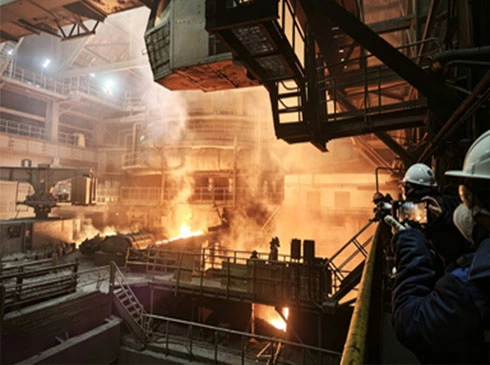
An overall revamping service of blast furnace represents a comprehensive engineering solution designed to restore, upgrade, and extend the operational lifespan of aging ironmaking facilities. This systematic approach addresses critical wear patterns, environmental compliance gaps, and efficiency bottlenecks that develop over 12-15 years of continuous operation. Unlike isolated repairs targeting single components, complete furnace revamping integrates structural rehabilitation, refractory replacement, cooling system optimization, automation upgrades, and emission control enhancements into one coordinated project. Steel producers facing hearth erosion, elevated fuel consumption, or regulatory pressure benefit from this holistic strategy that delivers renewed productivity, reduced operating costs, and compliance assurance while avoiding the substantial capital investment required for new construction.
Understanding Blast Furnace Overall Revamping
Why Complete Revamping Matters for Your Operation
A lot of metallurgical plants hit a point when furnaces that are too old to do their job properly stop working. Partially fixed problems give short-term relief but don't fix the main problems that are causing them. Complete reworking is a strategy option that can deal with multiple types of degradation at the same time.
When integrated steel mills use furnaces past their original mission life, problems get worse. Hearth refractory thinning raises the risk of molten iron penetrating faster. As the cooling stave wears down, hot spots appear on the furnace shell. Pulverized coal is wasted by old injection systems. Current emission standards are broken by gas cleaning equipment that isn't up to par. These problems are linked and need coordinated solutions instead of fixes that are done one at a time.
The Business Case for Systematic Upgrades
When procurement teams look at how to allocate cash, they have to make tough choices. Replacing a furnace costs a lot of money and takes a long time. If you keep running with old equipment, you'll have to pay more for repairs, unscheduled shutdowns, and safety issues. This gap can be filled by strategic reworking, which brings things up to date and costs a lot less than replacing them.
This method works especially well for places with good basic infrastructure. A shell and support system that are well taken care of can support full internal growth. As regional officials tighten limits on carbon and particulate emissions, environmental compliance drivers make things more urgent. During planned renovations, upgrading systems for collecting dust, recovering top gas and automating tasks meets legal requirements and makes the thermal efficiency better.
Core Components Included in a Blast Furnace Overall Revamping Service
Structural and Refractory Rehabilitation
SMEC's full-service remodeling starts with a careful inspection and repair of the structure. To make sure the furnace shell is strong, we use high-grade boiler steel plates for precise welding and strengthening. This work on the foundations makes sure that the building can safely handle thermal loads and interior pressures for another 15 to 20 years.
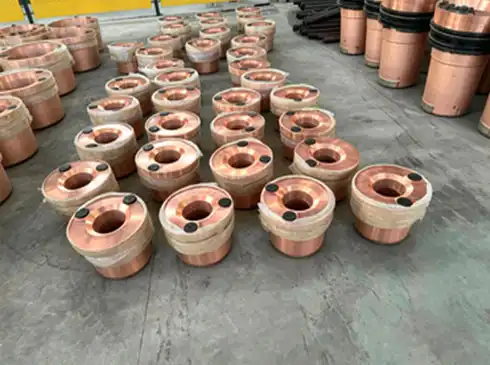
Refractory replacement is the most important part of any full overhaul. Our plan includes a number of important parts that work together to keep the temperature stable and protect the furnace structure. We change the carbon blocks in the hearth and bosh with new microporous materials that are better at conducting heat and resisting molten iron. The whole refractory lining is replaced in a planned way from the bottom of the hearth up the stack. This gets rid of any weak spots that lower the thermal efficiency. Shell temperatures stay below critical levels by replacing or maintaining cooling walls with copper staves or thin-wall cooling panels. Optimised cooling systems make water flow more efficiently and cut down on scaling issues that happen with older designs.
These changes to the structure give it the mechanical strength it needs for high-intensity use and protect it from catastrophic failure modes like breaks.
Process Equipment and Automation Modernization
Precision control is needed for modern ironmaking that can't be provided by hand methods. We use cutting-edge automation and monitoring technology that changes the way operations can be done.
The modernization plan for overall revamping service of blast furnace covers a lot of different aspects of process control. Upgrades to pulverized coal pumping systems make fuel distribution more consistent and allow for higher rates of fuel replacement. New tuyere shapes improve the way blasts are spread out and make refractory last longer in this area with a lot of wear. Level 1 programmable logic processors take the place of old relay systems because they respond faster and log data better. Level 2 statistical models figure out in real time the best way to distribute the load and set the temperature settings. High-density thermocouple arrays are placed all over the refractory profile to allow for continuous monitoring of erosion and planning of preventative maintenance.
These improvements in technology lead to measured increases in output. Operators have better control over the thermal state, which means that changes in temperature that affect quality are less likely to happen. Automated charge processes make the best use of load spread to improve gas flow. Real-time monitoring systems let you know about problems as they start to happen, so small problems don't get worse and cause forced outages.
Environmental and Energy Efficiency Solutions
A lot of money is spent on pollution control and energy return systems to make sure they meet regulations. Our remodeling service includes changes to the surroundings that meet strict standards and make money for the business.
Gas cleaning system improvements move facilities from wet scrubbing to advanced dry bag filtration, which lowers particulate emissions to less than 10 mg/Nm³. With this technology, there are no more costs for treating water, and sensible heat is kept for top gas recovery turbine systems. Better protection of the boiler cuts down on fugitive fumes that pollute the air in the workplace. Newer dust control systems in the casting and stockroom areas meet health and safety standards at work.
Improvements to energy recovery make plants more profitable. Top gas pressure recovery through expansion turbines makes electricity, which lowers the cost of buying power. When heat efficiency is raised, coke use goes down, which directly lowers running costs. Off-gas burning losses that lose chemical energy can be cut down with better process control.
Step-by-Step Blast Furnace Revamping Process Overview
Pre-Project Assessment and Engineering Design
Renovating projects that go well start a long time before the builders get there. We do thorough diagnostic tests to record the current situation and find specific ways to make things better.
To make a map of wear patterns, our engineering team does full inspections using ultrasonic testing, thermal imaging, and refractory sampling. We look at working data to figure out how much efficiency is being lost and where the process problems are. During this step, correct baseline measurements are taken to help with design choices and set goals for improving performance.
During the planning step, the results of the assessment are turned into exact engineering specifications. We come up with custom solutions for each location that take into account the age of the equipment, how it is used, output goals, and environmental needs. Detailed project schedules plan the ordering of materials, the making of things, and the building of things so that there are as few problems as possible.
Execution with Minimal Production Impact
Constraints on production continuity take up most of the buying talks. Longer shutdowns cost a lot of money in lost opportunities, which hurts the project's economics. SMEC has created flexible building methods that cut down on downtime by a huge amount.
Our phased method tells the difference between core tasks that need to be shut down completely and work on other parts of the system that can be done while it's running. We plan for work to be done offline during normal production times so that the planned outage is only used for tasks that need the furnace to be cooled. Pre-fabricating large parts cuts down on the time needed for building on-site. Getting all the materials you need before the shutdown ends cuts down on delays caused by problems in the supply chain.
The staged execution approach has a lot of benefits. While the furnace is still running, improvements are made to other systems, such as the dust collection system, the cooling water system, and the secondary equipment. Before the planned outage starts, we gather all of our resources and finish staging the materials. During shutdown, parallel work teams do several tasks on the critical path at the same time. Tough quality control at every stage stops work that needs to be redone, which adds to downtime.
With this disciplined approach, many clients can get total shutdown times of 60 to 110 days for medium to large furnaces, while with standard ways, it takes six months or more.
Commissioning and Knowledge Transfer
It takes careful planning to go from finishing construction to a stable operation. We offer full commissioning help that checks all updated systems thoroughly before they can start producing again.
Our protocol for commissioning the overall revamping service of blast furnace includes testing each piece of equipment separately, checking the whole system as a whole, and slowly increasing the load while keeping a close eye on things. We stay on-site during the important initial working time and can make any necessary changes right away. Training programs make sure that your operations and repair teams know how to use and take care of new tools properly.
After the remodel, support continues through the warranty period with planned expert visits and help with tracking from afar. This ongoing work helps clients quickly reach their performance goals and stay reliable over time.
Comparing Revamping with Replacement—Making the Right Choice
Financial and Operational Trade-offs
When deciding between replacing the whole furnace and giving it a full makeover, procurement professionals have to think about a number of factors. The choice structure looks at the amount of money needed, the length of the project, the risks involved, and the company's long-term goals.
Usually, remodeling costs 40 to 60 percent of the cost of building something new, but it gives you 80 to 90 percent of the performance benefits. This method works especially well for buildings with good basic infrastructure and a fair amount of structural life left. For integrated mills where blast furnace output feeds constant casting plans, the benefits of production continuity are very important.
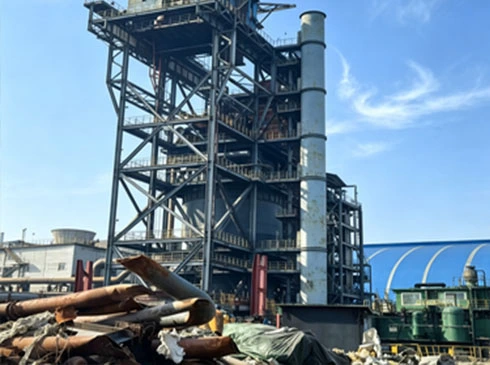
In some situations, it's better to change everything completely. Furnaces that were designed with fundamental flaws may never be able to compete, even if money is spent on upgrades. The cost benefit is lessened by shells that are badly damaged and need a lot of structure repairs. If you want to increase the capacity of the furnace beyond what it can currently handle, you may need to build a new one.
Selecting Qualified Service Providers
The skills and knowledge of the contractors are very important to the success of large industry projects. We suggest judging possible partners on a number of factors that can be used to guess how well they will carry out your plans.
Qualified experts are different from general workers because they have technical knowledge in areas like refractory engineering, cooling system design, and automation integration. How well work stays on plan and on budget depends on how well the project manager does their job. Capacity for production and quality control tools make sure that important parts meet the requirements. Performance evidence comes from past projects that were used in similar situations.
Every time they do a revamping project, SMEC brings 30 years of experience with coking and ironmaking equipment. Thirty top engineers make up our team. They have led dozens of successful furnace rehabilitations. With 23,000 square meters of in-house manufacturing space, quality control and on-time delivery are made possible. Through our Large-scale Intelligent Equipment Research Institute, we keep working with top universities to make sure we have access to the newest technologies.
Cost Factors, Scheduling, and Procurement Considerations
Budget Planning and Cost Drivers
To make accurate cost estimates, you need to know about the main types of costs and the factors that affect the end project investment. The most expensive part is the materials, which include refractory blocks, cooling equipment, steel plate, and other tools.
Specifications for refractory materials have a big effect on costs. The performance of premium microporous carbon blocks is better, but they cost more than regular materials. Copper staves and thin-wall panels are two options for cooling systems. Each has a different starting investment and upkeep schedule. The amount of process control that is needed determines how complex the automation system needs to be.
Working conditions and wage rates in the area affect how much labor costs. While shorter shutdown periods require bigger crews to work longer hours, they also lower the opportunity costs of lost production. 8 to 12 percent of the total cost is usually made up of engineering and project management fees. Environmental system standards add a lot of cost, but they often free up permits that let businesses keep running or grow their capacity.
Timeline Management and Production Coordination
A realistic schedule strikes a balance between the competing goals of keeping quality and safety standards high and minimizing downtime. With the furnace's size, the work that needs to be done, and the site's limitations in mind, we make project schedules.
The time before the shutdown for overall revamping service of blast furnace is crucial to success and lasts between 3 and 6 months. During this step, we finish all of the planning, purchasing, fabrication, and logistics. Deliveries of materials arrive on time and are checked for quality. Pre-built assemblies are ready to be put together. Tests and placements are done on specialized tools and equipment.
For furnaces with an internal volume of 1,000 to 5,000 cubic meters, the stop action window is usually between 60 and 110 days. It may take 45 to 60 days to finish smaller furnaces with limited scope. Large furnaces that need a lot of structure work may take up to 120 days. When compared to traditional ways, our modular building method cuts these times down.
Seasonal factors affect the best time to shut down. A lot of facilities plan big repairs for times when the market isn't as busy or when the weather is nice enough to work outside. To make sure that inventory processes for raw materials and production plans further down the line work together, it needs to be carefully planned.
Contractual Framework and After-Sales Support
For big capital projects, procurement deals should include a few important parts that protect both sides and make it clear what is expected of them. Throughout the lifecycle of a project, we set up contracts so that incentives are aligned and roles are clear.
Technical specifications lay the groundwork by laying out standards for performance, material grades, testing methods, and acceptance criteria. Most of the time, payment terms are based on finishing steps and milestones. Performance guarantees spell out goals for productivity, fuel efficiency, and emissions, along with ways to make sure they are met. The warranty covers problems with the equipment and the work that was done, and it usually lasts for 12 to 24 months after the equipment is put into use.
Service options after the sale make sure that long-term help is available. We keep spare parts for important wear parts in stock. Technical service agreements include regular checks and quick responses to problems with operations. Training programs teach client teams how to get the most out of their tools and make it last as long as possible.
Conclusion
Renovating the whole blast furnace is a smart way for mining facilities to deal with problems caused by old equipment. The all-around plan takes into account the safety of the structure, the efficiency of the process, the need to be environmentally friendly, and the ability to automate. It does all of this by planning upgrades that make the system last an extra 15 to 20 years. With careful planning and flexible execution methods, production problems are kept to a minimum, and performance is close to meeting new building standards at a much lower cost. To be successful, you need to work with experts who have done similar projects before and can bring their proven technical skills, high-quality manufacturing, and project management skills to the table.
FAQ
How frequently should facilities consider comprehensive revamping?
Usually, blast furnaces work for 12 to 18 years before they need to be completely overhauled. However, the amount of work they do and how often they are serviced can change this schedule. If a facility is running a high-productivity program with little upkeep, it may need help sooner. Regularly checking for hearth erosion using thermocouple analysis and heat flux calculations gives accurate information that helps decide when to do a revamp.
What environmental benefits come from updating equipment?
Particulate emissions are kept below 10 mg/Nm³ by advanced gas cleaning systems, which meet the toughest government standards. Better covering around the stove almost completely gets rid of fugitive pollution. Better heating efficiency cuts the amount of coke needed by 5 to 8 percent, which directly lowers the amount of carbon dioxide released per tonne of hot metal. Energy that was going to waste is collected by top-gas recovery systems, which lowers the plant's total carbon footprint.
Can revamping actually improve productivity beyond original design levels?
In properly remodelled furnaces, production levels of 2.5 to 3.0 tonnes per cubic meter per day are possible with modern refractory materials, improved cooling systems, and high-tech robotics. This often goes beyond the original design specs that were made decades ago. Better process control lowers variation, which lets high-intensity work go on for longer periods of time, which older human systems couldn't do safely.
Partner with SMEC for Your Blast Furnace Revamping Project
With over 30 years of experience in metallurgical equipment, SMEC offers turnkey overall revamping service of blast furnace solutions. Our unified method includes thorough diagnostic tests, personalised engineering design, precise manufacturing, and organized project execution to cut down on downtime and boost performance as much as possible. With 168 technical experts, in-house fabrication, and tried-and-true modular building methods, we help steel makers make their tools last longer, work more efficiently, and meet environmental standards.
Our team has the technical depth and project management skills that complex redesign projects need, whether you're in charge of an integrated steel mill that needs coordinated shutdown planning or an independent ironmaking facility that wants to make improvements at a low cost. As a reliable provider of blast furnace refurbishing equipment, we'd love to talk to you about your unique operational problems and how complete modernization can help you stay competitive. Email our technical team at project@smec.cc to set up a preliminary review and get a quote that is tailored to the specific needs of your building.
References
1. International Iron and Steel Institute. "Best Available Techniques for Blast Furnace Ironmaking." Technical Report on Industrial Emission Standards, 2021.
2. Chen, W., and Zhang, L. "Refractory Material Selection and Thermal Management in Modern Blast Furnace Campaigns." Journal of Iron and Steel Research International, Vol. 28, No. 4, 2020, pp. 315-328.
3. American Iron and Steel Technology Conference. "Blast Furnace Life Extension Strategies: Economic and Technical Analysis." Proceedings of the Annual Meeting, Pittsburgh, Pennsylvania, 2022.
4. Kurunov, I.F., and Bizhanov, A.M. "Extending Blast Furnace Campaign Life Through Systematic Revamping." Metallurgist, Vol. 64, No. 9-10, 2021, pp. 983-992.
5. European Commission Joint Research Centre. "Integrated Pollution Prevention and Control: Reference Document on Best Available Techniques in the Iron and Steel Production Industry." Publication Office of the European Union, Luxembourg, 2020.
6. Zhou, H., and Watkinson, A.P. "Blast Furnace Cooling System Design and Optimization for Extended Campaign Life." Canadian Metallurgical Quarterly, Vol. 59, No. 3, 2019, pp. 267-281.
Free consultation & volume discounts available
SEMC focuses on the entire metallurgical process—from coking, ironmaking, and steelmaking to continuous casting and rolling. Whether you face challenges related to equipment upgrades, energy efficiency optimization, or overall process transformation, please fill in the following information. Our technical team will provide you with tailor-made high-end equipment upgrade solutions and professional EPC design services to help your project be implemented efficiently.
Recommended Blog
Does Blast Furnace Lining Replacement Require Long Shutdowns?
Can Gas Purification Upgrades Meet Ultra-Low Emission Standards?
Does Three-ring Cone Scrubber Prevent Blockage and Reduce Maintenance Issues?
How Clear Is the Image Quality of Blast Furnace Tuyere Camera?