Why Is Erosion Resistant Carbon Brick Essential for Blast Furnace Hearth?
Why Is Erosion Resistant Carbon Brick Essential for Blast Furnace Hearth?
Understanding Erosion Resistant Carbon Brick in Blast Furnace Hearths
- Understanding Erosion Resistant Carbon Brick in Blast Furnace Hearths
- Benefits of Using Erosion Resistant Carbon Brick for Blast Furnace Hearth
- Comparing Erosion Resistant Carbon Brick with Alternative Materials
- Procurement Guide for Erosion Resistant Carbon Brick – Making an Informed Decision
- Maintenance and Testing Tips to Maximize the Lifespan of Erosion Resistant Carbon Brick
- Conclusion
- FAQ
- Partner with SMEC for Superior Blast Furnace Solutions
- References
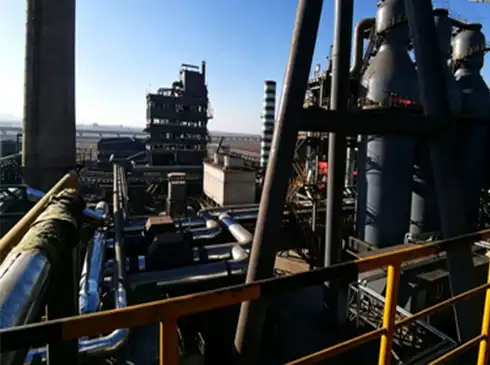
The blast furnace hearth represents the most critical zone in ironmaking operations, subjected to relentless assault from molten iron and slag at temperatures exceeding 1500°C. Erosion resistant carbon brick for blast furnace hearth serves as the indispensable protective barrier in this extreme environment. Unlike conventional refractory materials, these specialized carbon bricks are manufactured using high-purity graphite and advanced bonding agents through high-pressure molding and high-temperature sintering processes, delivering exceptional resistance to iron penetration, slag corrosion, and thermal shock that ordinary refractories simply cannot match.

Understanding Erosion Resistant Carbon Brick in Blast Furnace Hearths
The bottom and sides of the stove have to deal with some of the worst working conditions you can imagine. Extremely hot molten iron is always moving around, and slag compounds are attacking the refractory walls from all sides. Metallurgists call this pattern of chemical erosion, mechanical abrasion, and thermal stress the "elephant foot" erosion pattern. In the past, this pattern has shortened furnace campaigns and caused costly unplanned shutdowns. Erosion Resistant Carbon Brick for Blast Furnace Hearths are designed specifically to mitigate these issues.
Why Standard Refractories Fall Short?
Traditional fire bricks don't have the basic qualities that are needed for use on a hearth. Their relatively high porosity lets liquid metal pass through tiny holes, which causes them to break down inside over time. Within months of being used, regular materials start to crack, flake, and lose their structural integrity. The effects go beyond damage to the material; cases of heat burnthrough can stop all production, put workers in risk, and require emergency repairs that cost millions of dollars in lost productivity.
Composition and Engineering Excellence
Specialized hearth carbon bricks are made with a microporous structure that has pores that are usually less than 0.5 micrometers in width. Using the laws of surface tension, this closed cellular design makes a physical barrier that stops molten iron from getting in. Adding silicon carbide makes the mixture more resistant to alkali metals like potassium and sodium, which are common contaminants in lower-grade rock processes. High-temperature sintering in controlled atmospheres makes materials with very high densities—often more than 1.75 g/cm³—that are better at both mechanical strength and heat conductivity.
Operational Challenges Addressed
When managing the hearth of a blast furnace, operators have to deal with a lot of stress at once. During banking periods, thermal cycling causes stresses to expand and contract. Chemical damage is done to refractory joints by alkali gas coming from the raceway zone. In big furnaces, the huge hydraulic pressure from metal store loads can be more than 30 MPa. To solve these problems, high-quality carbon bricks have carefully balanced thermal expansion coefficients, joint design optimization, and cold crushing strength specifications that keep the structure's integrity over long campaigns.
Benefits of Using Erosion Resistant Carbon Brick for Blast Furnace Hearth
Implementing advanced Erosion Resistant Carbon Brick for Blast Furnace Hearth technology has measurable benefits in terms of operations, the economy, and the environment. Modern integrated steel mills have shown that switching to premium carbon brick methods can extend campaign life from 10 to 12 years to more than 20 years. This huge improvement directly leads to less downtime, lower lifecycle costs, and more certainty in planning production.
Extended Service Life and Reliability
Because customized carbon brick materials are more resistant to erosion, they completely change how much it costs to maintain a fireplace. Normal refractories might show major wear within 5 to 7 years, but quality carbon brick linings show very little wear even after 15 years of constant use. The material's ability to create a safe "freeze lining"—a stable layer of hardened slag and iron that keeps the brick surface from coming into direct contact with moving metal—makes it last longer. The brick's improved thermal conductivity makes this safety mechanism work better by moving heat to outside cooling systems more efficiently.
Operational Efficiency Gains
Keeping the hearth in good shape has a direct effect on how productive the furnace is. When hearth refractories are damaged, they cause temperature fluctuations that make it hard for the load to drop, lower the quality of the hot metal, and require more coke. On the other hand, stable carbon brick linings allow for uniform thermal profiles that make chemical processes better all the way through the furnace stack. Engineers at the plant have found that running with properly kept hearth linings instead of ones that are worn down improves fuel efficiency by 3 to 5 percent. These savings add up to a lot when you consider the millions of tons of goods that are made every year.
Environmental and Safety Compliance
Pressure from regulators to do more is growing around pollution and safety at work in heavy industry. Hearth failures pose huge risks to both people and the environment. When hot iron leaks out, it can release poisonous fumes, pollute groundwater, and put people in instant danger. These risks are greatly reduced by high-quality carbon brick systems, which have known performance traits and early warning signs. The fewer emergency fixes and replacements of materials also mean that less refractory trash needs to be thrown away, which helps companies meet their sustainability goals and makes the environmental permit process easier.
Here are the quantifiable advantages driving procurement decisions:
- Campaign Extension: Service life increases of 30–50% compared to normal carbon materials have been proven, which lowers the total cost of ownership by requiring fewer relining rounds.
- Downtime Reduction: planned repair times have been pushed back from 8 to 10 years to 15 to 20 years, which protects production capacity and keeps money coming in.
- Energy Optimization: Consistent thermal insulation properties keep heat moving efficiently, which lowers the amount of energy needed to make one ton of hot metal.
- Waste Minimization: Fewer replacement rounds mean less dangerous refractory waste that needs to be disposed of in a special way, which improves environmental footprint measures.
These performance traits show why quality carbon brick requirements are now necessary for modern blast furnace operations that want to reach world-class levels of efficiency and dependability.

Comparing Erosion Resistant Carbon Brick with Alternative Materials
On the refractory market, there are many materials that say they can be used in fireplaces. With knowledge of the pros and cons of each choice, you can make smart purchasing choices that meet operational needs and stay within your budget. Erosion Resistant Carbon Brick for Blast Furnace Hearth remains the gold standard for high-intensity zones.
Performance Against Standard Carbon Blocks
Standard carbon bricks work well in furnace zones that don't need as much power, but their flaws become clear in hearth service. Pore structure engineering is what makes them different. Standard blocks usually have pores bigger than 1-2 micrometers and a total porosity above 15%, which lets metals pass through. Variants that are resistant to erosion can make microporous objects with carefully controlled pore distribution and less than 10% overall porosity. This main difference is the reason why standard materials fail in three to five years, but engineered alternatives last longer than fifteen years in the same conditions of use.
Silicon Carbide and Hybrid Solutions
Silicon carbide bricks are very hard and good at transferring heat, which makes them appealing for some fire uses. In places where metals are moving quickly, they are more resistant to wear than carbon materials. However, silicon carbide is brittle, which makes it vulnerable to thermal shock when temperatures change. By mixing carbon brick bottoms with silicon carbide wear surfaces, hybrid designs try to get the best of both material groups. These methods look promising, but they need careful engineering to handle the different ways that different materials expand and contract when heated.
Lifecycle Cost Analysis
The real economic value offer can be seen in choices about purchases that go beyond the initial purchase price. When you buy it, a special carbon brick system might cost 40–60% more per ton than a normal one. But when campaign life doubles and maintenance shutdowns happen half as often, the higher-performance option often has a much lower annualized cost per ton of hot metal produced. To figure out the total cost of ownership, you have to add up the prices of materials, labor for installation, lost output during maintenance, and the value of the leftover lining at the end of the campaign.
Procurement Guide for Erosion Resistant Carbon Brick – Making an Informed Decision
Choosing the right hearth refractory materials and dependable providers is a big strategic choice that will affect operations for years to come. For procurement to go well, technical specifications, supplier capabilities, and service infrastructure must all be carefully looked over when sourcing Erosion Resistant Carbon Brick for Blast Furnace Hearth.
Quality Standards and Certification Compliance
International standards set basic requirements for refractory materials, but for blast furnace hearth uses, these requirements are often not enough. ISO 12677 sets the rules for chemical study of carbon products, and ASTM C133 says how to test for cold crushing strength. The best providers give full test reports that include mercury porosimetry data, ultrasonic inspection records, and alkali resistance test results. Specifications for buying things should require factory acceptance testing and third-party verification to make sure that each batch is the same and get rid of any materials that aren't up to par.
Supplier Evaluation Criteria
A supplier's infrastructure and technical support skills are just as important as the specs of their products when it comes to the success of a long-term relationship. Some of the most important things that are looked at are the company's ability to meet large-scale order requirements, its quality management system certifications, and its track record with similar-sized installations. When you visit a factory, you can see how well the production process is controlled and how strict the quality guarantee is. Checking references with past customers can give you information about how reliable delivery is, how quickly technical issues are fixed, and how well problems are solved during critical operational situations.
Customization and Engineering Support
Different furnace designs have very different hearth shapes, so brick sizes and joint arrangements need to be customized. When suppliers offer engineering collaboration during specification development, they add a lot of value by suggesting the best lining design, thermal modeling, and installation methods. Customization options include different forms for entry areas, the ability to integrate anchoring systems, and the ability to make joint mortar that works with different types of bricks. When compared to generic product catalogs, this method of expert partnerships usually leads to better installation performance.
After-Sales Service and Technical Assistance
The success of refractories rests a lot on how they are installed and how they are managed afterward. After the sale, full support should include supervision of the installation on-site, training programs for operators, and regular inspection services using non-destructive testing methods. The warranty terms must make it clear what the covering limits are, what the performance guaranties are, and how claims will be handled. Having access to fixing experts during unexpected working problems can keep small problems from getting worse and needing emergency help.
Maintenance and Testing Tips to Maximize the Lifespan of Erosion Resistant Carbon Brick
Preventive maintenance and systematic monitoring of the hearth can extend the life of refractory materials and let you know early on when problems are starting to happen. Modern technologies for evaluating conditions allow for data-driven maintenance planning that extends the life of the lining and increases the furnace's availability for Erosion Resistant Carbon Brick for Blast Furnace Hearth systems.
Inspection Methodologies and Monitoring Systems
Visual inspections done regularly during planned maintenance periods give a baseline picture of the condition and show things like surface cracks, joint breakdown, and localized wear patterns. New troubleshooting methods give more information without having to shut down the heater. Thermocouple arrays built into the hearth lining measure changes in temperature that show when the refractory is getting thinner or the cooling system is breaking down. Ultrasonic thickness measurements taken from the outside of the hearth shell make a picture of the leftover thickness of the lining across key zones. Electromagnetic scanning technologies can find holes and breaks in structures that can't be seen from the outside.
Predictive Maintenance Strategies
When data analytics are used on ongoing tracking systems, they allow for predictive maintenance methods that plan repairs to be made before they become major problems. By looking at temperature trends, we can see patterns of gradual erosion that happen months before they get dangerous. When you compare real thermal patterns to basic models, you can find hot spots that need more research. Setting up condition-based maintenance prompts, like when temperatures go above or below certain levels, lets repairs be planned for planned outages instead of having to happen during emergencies that cause production schedules to be thrown off and repair costs to go up by a lot.
Common Problems and Troubleshooting Approaches
Hearth operators should be able to spot warning signs that refractory problems are starting to happen. Hearth shell thermocouples that show slowly rising temperatures suggest that the lining is wearing away and the insulation is getting thinner. Sudden temperature increases are a sign of a possible breakthrough risk that needs to be looked at right away. Changes in the chemistry of hot metals or high levels of alkalis may be signs of refractory dissolution. Taking care of these signs with targeted repairs, like applying gunite over thin spots or improving the cooling system, can make the campaign last a lot longer if done early on in the degradation process.
Conclusion
It is impossible to stress the importance of Erosion Resistant Carbon Brick for Blast Furnace Hearth applications in today's ironmaking. These special refractory materials are the best way to keep the furnace from failing completely, which can lead to longer campaigns that change the economics of operations. Better microporous engineering, better thermal properties, and better chemical protection all lead to measured improvements in safety, efficiency, and the environment. When steel producers choose high-quality carbon brick systems from reputable suppliers and use preventative maintenance plans, they can gain a long-term competitive edge through reliable and efficient blast furnace operations.
FAQ
Why do blast furnace hearths need to use carbon bricks that don't wear away instead of regular refractories?
The hearth is the furnace's harshest working environment. It is constantly covered in liquid iron and slag and has to deal with chemical attacks, mechanical wear and tear, changing temperatures, and high pressure. Normal refractories aren't strong enough to stop iron from penetrating, slag from corroding, and sudden changes in temperature. Within months, normal materials start to break down badly, which can cause burnthrough and other catastrophic failures. Specialized carbon bricks made with microporous structures and advanced additives give campaigns that last for years. This makes them unbeatable for hearth applications where safety and dependability are very important.
How can I be sure of the quality and resistance to erosion of carbon bricks before I buy them?
Performance characteristics can be confirmed by thorough recording of material tests. Ask for mercury porosimetry studies that show the spread of pore sizes is below critical levels. Ask for ultrasonic testing papers that prove the structure's internal stability, making sure there are no gaps or laminations. Look over the chemical analysis results to make sure the makeup requirements are met. Testing for alkali protection shows that the material is stable under vapor attack conditions. Measuring the strength of cold crushing confirms the mechanical properties. Reliable sellers offer certification from a third-party lab and let you visit the plant to see how quality control is done firsthand.
How long do you think special hearth carbon bricks will last?
Conditions of use have a big effect on the real service life, but in current blast furnace hearths, properly chosen and installed premium carbon brick systems usually last longer than 15 to 20 years. Campaigns that last more than 20 years have been recorded for large furnaces larger than 2500 cubic meters that use consistent thermal management and preventative maintenance. Service life depends on things like how productive the furnace is, the quality of the raw materials, how well the cooling system works, and how the furnace is used. Conservative planning should expect at least 12 to 15 years of performance, with the possibility of a lot longer if working methods are improved and conditions are monitored.
Partner with SMEC for Superior Blast Furnace Solutions
SMEC has been a top-notch engineer for decades and can solve problems with blast furnace refractory by mixing cutting-edge carbon brick technology with full expert support. We are a top seller of Erosion Resistant Carbon Brick for Blast Furnace Hearth and are aware of the stringent demands placed on integrated steel operations and coking plants. Our engineering team works with your metallurgical experts to design the best hearth lining systems for your furnace based on its design and how it is used.
We have a lot of production capabilities in Taiyuan, which is the center of China's energy and heavy industry. We ensure uniform quality through strict testing methods that include ultrasonic inspection and chemical resistance verification. Our 168 engineering professionals help with every step of a project, from the initial design to overseeing the installation and planning for long-term maintenance. Contact our international trade experts at project@smec.cc to talk about your fireplace refractory needs and find out how our custom solutions can help you extend your furnace campaign while lowering the costs over its lifetime.
References
1. Chen, Guoqing and Wang, Hao. "Advanced Refractory Materials for Blast Furnace Hearth Lining: Microstructural Design and Performance Optimization." International Journal of Refractory Metals and Hard Materials, vol. 98, 2021.
2. Barthel, Hans-Jürgen and Schenck, Johannes. "The Blast Furnace Hearth: Refractory Wear Mechanisms and Campaign Life Extension Strategies." Proceedings of the Association for Iron & Steel Technology Annual Conference, 2019.
3. Sadrnezhaad, Khatiboleslam and Elliott, Jeffrey F. "Erosion Mechanisms in Carbon Composite Refractories for Blast Furnace Applications." Journal of the American Ceramic Society, vol. 103, no. 5, 2020.
4. Watanabe, Takeshi et al. "Long Campaign Operation Technology for Large Blast Furnaces: Hearth Management and Refractory Selection." ISIJ International, vol. 62, no. 4, 2022.
5. Singh, Rajendra Prasad. "Microporous Carbon Brick Development for Enhanced Resistance to Molten Iron Penetration in Blast Furnace Hearths." Metallurgical and Materials Transactions B, vol. 51, 2020.
6. Pötschke, Johannes and Reichel, Jürgen. "Quality Control and Testing Methodologies for High-Performance Carbon Refractories in Ironmaking Applications." Refractories Worldforum, vol. 13, no. 2, 2021.
Free consultation & volume discounts available
SEMC focuses on the entire metallurgical process—from coking, ironmaking, and steelmaking to continuous casting and rolling. Whether you face challenges related to equipment upgrades, energy efficiency optimization, or overall process transformation, please fill in the following information. Our technical team will provide you with tailor-made high-end equipment upgrade solutions and professional EPC design services to help your project be implemented efficiently.
Recommended Blog
What Are the Key Benefits of Hydraulic Clay Gun for Blast Furnace Cast House?
How to Extend the Service Life of Blast Furnace Tuyere Equipment
How Does a Blast Furnace Drill Rod Replacement Device Work?