How Lining Replacement Extends Furnace Life
Understanding Furnace Body Lining and Its Impact on Furnace Life
- Understanding Furnace Body Lining and Its Impact on Furnace Life
- The Furnace Body Lining Replacement Process Explained
- Choosing the Right Furnace Lining Materials and Services
- Maximizing Furnace Life Through Maintenance and Timely Replacement
- Advancing Furnace Efficiency with Innovative Lining Solutions
- Conclusion
- FAQ
- Partner with SMEC for Expert High Furnace Body Lining Replacement Service
- References
High furnace body lining replacement service is an important preventative maintenance task that directly affects how long metallurgical vessels work and how much they produce. When the refractory materials that protect the inside of the furnace break down because of thermal cycling, chemical attack, or mechanical wear and tear, replacing them at the right time restores the furnace's thermal integrity, stops catastrophic shell damage, and can add 10 to 15 years to its life. This unique engineering process stops degradation in important areas like the bosh, belly, and hearth. This stops wasteful heat loss and keeps the structure stable, which is needed for safe, continuous operation in tough industrial settings.
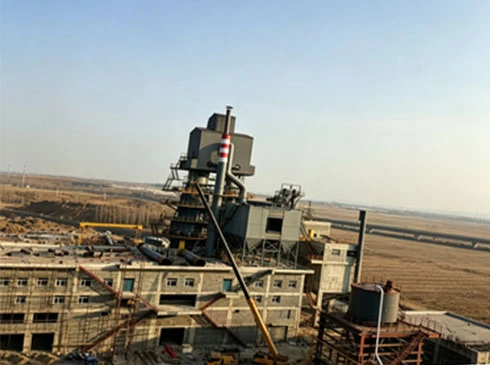
Understanding Furnace Body Lining and Its Impact on Furnace Life
Refractory systems are the first line of defense against temperatures higher than 1700°C for furnace shells. The lining keeps heat in and chemicals out, stopping molten metal from getting in and alkali mist attacks that would weaken structural steel otherwise.
Distinguishing Furnace Body Lining from General Refractories
A lot of professionals use these terms to refer to the same thing, but furnace body lining is the full refractory assembly that is placed inside the furnace shell. This includes the working lining, backup insulation, and grounding systems. General refractories are a larger group of heat-resistant materials that are used in many industrial settings. Knowing this difference helps buying teams be clear about what they need when they hire partners.
Common Lining Materials and Their Service Life
Ceramic fiber blankets are often used as backup layers because they are very good at resisting thermal shock. They can last anywhere from 5 to 8 years, based on how hot or cold they are. High-alumina bricks, which are made up of 60–90% aluminum oxide, work well in moderate-temperature areas and can last for 8–12 years if they are used in safe circumstances. Carbon-based refractories, especially microporous carbon blocks, work great in blast furnace hearths because they don't rust when molten iron hits them. They can last for 12 to 15 years on average. Silicon carbide castables have a service life of 10 to 14 years and are better at resisting wear in places where a lot of material flows through them. The choice of material has a huge effect on both the original investment and the long-term costs of running the business.
Warning Signs That Replacement Is Necessary
Thermal imaging that shows hot spots on the furnace shell means that the insulation isn't as good as it should be, and this needs to be looked into right away. Using more fuel to keep goal temperatures says that the thermal efficiency is going down because the lining is getting thinner or damaged. During planned shutdowns, a visual check may show that the flaking, cracking, or erosion is worse than what is allowed by maintenance guidelines. Unexpected shell warping or structure movement is a sign of advanced lining failure that needs to be fixed right away to avoid safety risks and production losses.
The Furnace Body Lining Replacement Process Explained
Professional replacement of linings is done in a planned way that ensures safety, quality, and as little downtime as possible that affects total production plans.
Initial Inspection and Preparation Phase
A full condition assessment starts with taking detailed pictures, measuring the width with ultrasound waves, and using thermal profiling to make a map of the erosion patterns. Engineering teams make plans for removal and installation that are based on where the damage is and what the limitations of the operation are. Setting up safety rules, handling the flow of materials, and working with production planning to find the best stop time are all parts of site preparation. Preparatory work like this usually takes 7–10 days, but it cuts down on execution time by a large amount and avoids expensive mistakes during active replacement.
Demolition and Installation Sequence
Controlled cooling for high furnace body lining replacement service follows curves set by the maker to protect leftover refractory zones from damage caused by thermal shock. Demolition teams use specialized tools, such as robotic breakers for tight areas and high-pressure water jets to keep dust to a minimum. After getting rid of old materials and setting up anchor systems, installation teams put in new refractories using precise gunning, careful bricklaying, or advanced casting methods, based on the type of material and where it is placed. Quality control experts keep an eye on the whole process and make sure that the measurements are correct and that the materials are placed according to the engineering standards.
Advantages of Professional Service Providers
Experienced workers bring specialized tools that most facilities don't have, like laser scanning systems for checking measurements and regulated heating systems for drying things in a controlled way. Their teams have certifications in high-temperature work, refractory construction, and working in tight spaces. These certifications make sure that workers are safe and that the work is done well. Professional service providers have connections with many material sources, which lets them get the best goods and shortens the time it takes to buy them. The most important thing about them might be that they are good at project management, which means they can organize complicated sequences involving many trades while keeping shutdown times and output losses to a minimum.
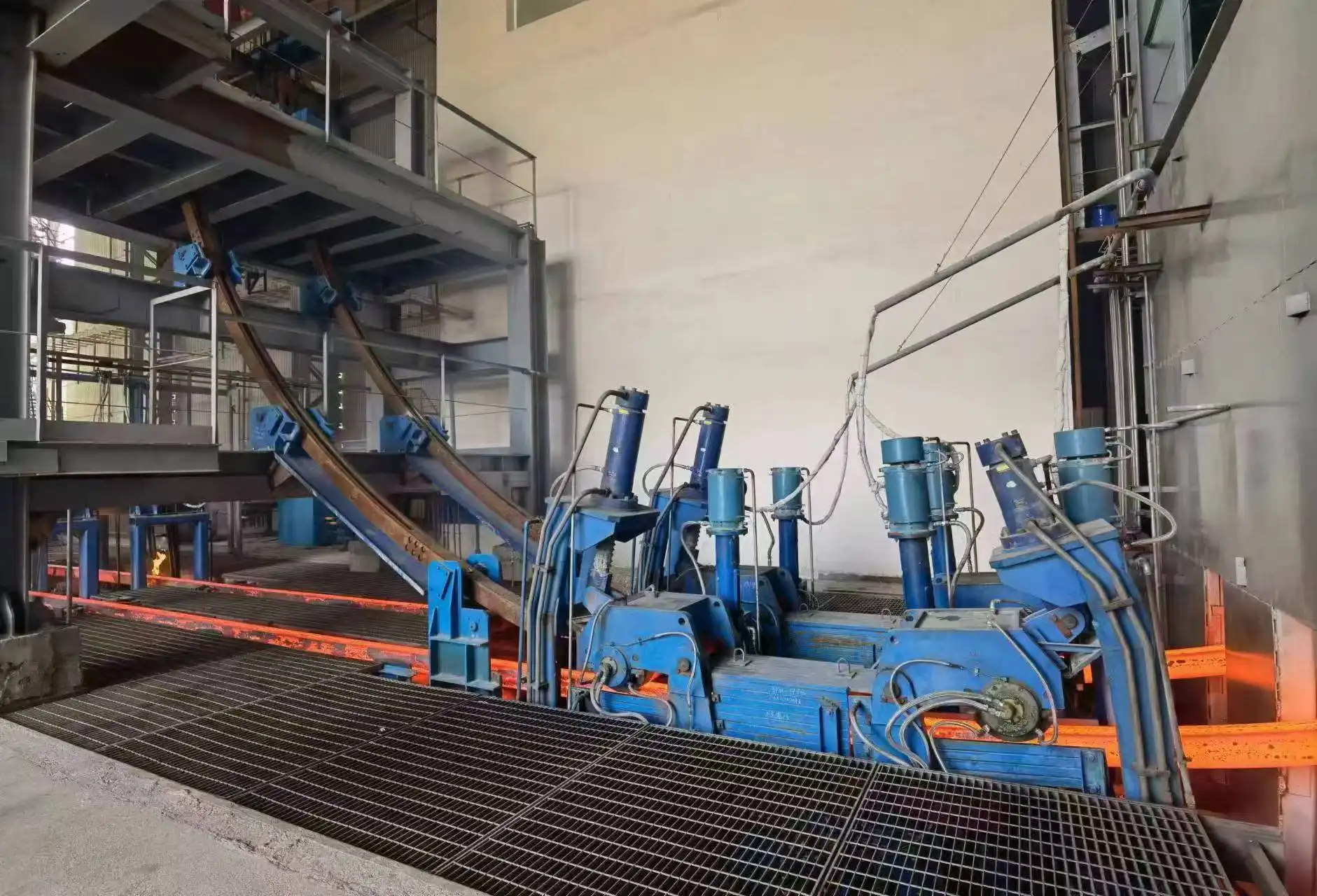
Full Replacement Versus Partial Repair Considerations
All damaged areas are fixed at the same time with complete relining, which creates even heat profiles and extends the service life of the whole vessel. When full replacement isn't possible right away, partial repairs, which are sometimes called "hot repairs," fix small areas of damage during short maintenance windows. This extends the life of a campaign. Even though partial treatments cost 30–40% less at first, they often need to be done more often and may speed up the wear and tear in nearby zones due to temperature discontinuities. When deciding between these two options, procurement managers should look at the remaining lining state in a more thorough way and think about the total lifecycle costs as well as the immediate costs.
Choosing the Right Furnace Lining Materials and Services
The success of the repair project and the furnace's long-term dependability depend directly on the materials chosen and the qualifications of the builder.
Matching Materials to Operational Demands
For blast furnace hearths that are constantly in contact with molten iron, carbon-based refractories are needed that don't let heat flow through easily and are very resistant to iron and slag getting through. Chrome-magnesite or magnesia-carbon bricks are better at withstanding sudden changes in temperature and are often used on the sides of electric arc furnaces. For chemical processing ovens that work in acidic environments, you need special castables that are more resistant to certain chemical attacks. By doing a full operating analysis that includes temperature profiles, chemical exposures, and mechanical pressures, engineers can choose materials that will work best and cost the least over the expected service interval.
Evaluating Contractor Qualifications
Compliance with certification is a basic way to make sure that someone is technically competent and committed to safety. Look for workers who have the right ISO certifications and can show that they follow the ASTM C113 and ISO 13765 standards for quality refractory construction. If you want to reline a blast furnace, you need to know a lot about them because the work is very different from relining a coke oven or a forging furnace. Ask for specific examples from projects that are similar to yours, along with contact information that can be used to check the performance directly. Service agreements should make it clear how long it will take to respond to emergencies, how long technical help will be available, and what the guarantee covers for both materials and work.
Cost Structure Understanding
Material costs for high furnace body lining replacement service usually make up 45 to 55 percent of the total cost of a job, but this can change a lot depending on the type of refractory and quality grade chosen. Labor and specialized tools make up 30 to 40 percent of costs, depending on how hard the job is, how easy it is to get to, and how much work costs in the area. The last 10 to 15 percent are made up of engineering design, project management, and quality testing services. When procurement teams understand this split, they can carefully look at bids and know when unusually low bids may mean that materials are being substituted or there isn't enough quality control, which raises long-term costs.
With these basic knowledge, procurement managers will be able to negotiate well and make sure that the project specifications really meet business needs, not just cut down on beginning costs.
Maximizing Furnace Life Through Maintenance and Timely Replacement
Strategic repair practices and replacement plans based on data generate big returns by extending the life of equipment and cutting down on unplanned downtime.
Routine Inspection Best Practices
Thermal imaging scans done once a month build baseline profiles that help find hot spots early on, which are a sign of localized lining degradation. Three times a year, during short shutdowns, visual checks are done on the visible lining surfaces to see how cracks are spreading and how fast the surfaces are wearing away. Ultrasonic thickness gauging should be part of yearly full exams at set monitoring points so that deterioration trends can be compared to expected wear curves. Setting up routine inspection rules changes upkeep from managing problems after they happen to planning ahead for their whole life.
Replacement Frequency Benchmarks
According to data from the industry, blast furnace hearth linings need to be replaced every 12 to 18 years when everything is working right. However, if the furnace is used too roughly or the raw materials aren't good, this time frame can be shortened to 8 to 10 years. Depending on how much steel is handled and how often, electric arc furnace sides usually need to be replaced every three to five years. Coke oven batteries last a very long time. If the cells are properly kept, they can last for 25 to 30 years before they need to be rebuilt from the ground up. These benchmarks help with planning, but the real timing of replacements should be based on data from condition tracking rather than just dates.
Documented Benefits of Timely Intervention
A steel mill in the Midwest saw a 23% drop in their energy costs right after replacing the hearth of their blast furnace. This was because the new hearth had better thermal insulation, which stopped heat loss through the damaged lining. In the three years that followed, an integrated coking plant saw a 40% drop in unplanned maintenance events. This was because proactive battery fixes fixed weak spots before they broke. These measured gains show that investing strategically in replacements at the right time pays off in ways that far exceed the direct project costs. These benefits include better operating stability and resource efficiency.
Using structured maintenance programs for high furnace body lining replacement service along with condition tracking technology helps teams plan replacements carefully, making sure they work with production needs while equipment is still working, instead of having to fix problems when they happen during crucial production times.
Advancing Furnace Efficiency with Innovative Lining Solutions
Furnace efficiency and operational costs are always getting better as refractory materials and installation methods get better with new technology.
Cutting-Edge Material Developments
Next-generation microporous insulation materials have 30–40% lower thermal conductivity values than older goods. This means they lose a lot less heat and use energy more efficiently. Nano-additives added to advanced castable formulations show a 25% increase in erosion resistance, which means they last longer in high-wear uses. Low-cement and ultra-low-cement castables are stronger at high temperatures and have fewer holes than standard formulas, which makes them better at stopping molten metal from getting through. With these new technologies, burners can work at levels that were not possible with older materials.
OEM and Certified Contractor Contributions
Original equipment makers keep thorough operational data on all of their installed bases. This gives them information on the best materials to use and the best ways to manage each furnace design. Their technical support teams help with planning replacements by giving engineering advice and making sure that the materials chosen are in line with design guidelines and operating goals. Certified workers who have been trained directly by material makers know how to install products in a way that gets the most out of them and avoids common mistakes that can ruin even the best materials. This knowledge is especially helpful when using new refractory technologies that require different installation methods than the ones that have been used in the past.
Strategic Replacement Scheduling
When planned production stops are timed with big relining projects, the extra costs of downtime that would happen during specialized maintenance outages are avoided. Buying materials ahead of time—sometimes 6 to 12 months before they are due to be replaced—secures the best prices and makes sure they are available, even when there are changes in the supply chain. By planning the project carefully and doing a critical path analysis, you can find ways to shorten the schedule, which can lower the length of shutdowns by using parallel work streams and better crew deployment. With these strategic methods, replacing goes from being an annoying necessity to a planned chance to improve things.
Conclusion
Strategic replacing of the furnace's lining through high furnace body lining replacement service is the single most important thing that can be done to make it last longer while still meeting safety and production standards. Procurement managers can create repair plans that maximize long-term value by learning about the properties of materials, spotting signs of wear and tear, and working with skilled service providers. Professional contractors provide the technical know-how, high-quality materials, and tried-and-true fitting methods needed for this specialized high furnace body lining replacement service. When condition tracking data is used to plan proactive replacements, major failures are avoided, total lifespan costs are lowered, and production efficiency is maintained, which is important for competitive metallurgical operations.
FAQ
What determines the actual lifespan of furnace body lining?
The rate at which linings wear out beyond what the base material can handle is greatly affected by operational activity, the quality of the raw materials, and the frequency of thermal cycles. When compared to furnaces with moderate, stable thermal profiles, those that are constantly near their highest temperature levels wear out faster. Chemical conditions that are harsh, like those with a lot of alkali in blast furnace loads, damage the bonds between refractory materials, making them last a lot less time. When you dry things the right way during the initial startup and after major fixes, you can stop moisture-induced spalling that damages new systems too soon.
Can partial repairs effectively extend furnace campaigns?
Localized repairs using special blasting materials can fix isolated damage areas when the surrounding lining is still in good shape. This could add two to four years before a full replacement is needed. The method works best in easily available places where the surface has been properly prepared to ensure a good bond between the old and new refractory. However, partial patches leave heat gaps that can speed up the breakdown of nearby areas, so they are better used as short-term fixes rather than long-term ones. An engineering review should check to see if limited damage points to bigger system problems that need full attention.
How do material costs compare across refractory types?
Even though premium microporous carbon blocks may cost three to four times more per ton than regular fireclay bricks, their better performance in tough situations means that they cost less per hour of operation because they last longer. Castables that are specially made to fight certain chemicals cost more, but they don't break down too quickly in corrosive settings, so the extra cost is worth it. Instead of just looking at the original unit prices of materials, procurement choices should take into account the total lifecycle economics, which includes installation labor, expected service duration, and operational efficiency effects.
Partner with SMEC for Expert High Furnace Body Lining Replacement Service
SMEC offers complete refractory solutions backed by decades of experience with mining tools and a track record of excellent installation in tough industrial settings. Our engineering teams work with clients from the initial condition assessment to specifying materials, overseeing installation, and checking performance after replacement to make sure every project has the best operating results. We increase furnace service life, lower energy costs, and lower the number of times it needs repair by using modern material technologies and precise installation methods. Our technical skills, dedication to quality, and quick response time make us the best choice for procurement managers looking for a reliable high furnace body lining replacement service provider. Get in touch with our expert team at project@smec.cc to talk about your unique needs and find out how our custom method cuts down on downtime and improves furnace performance and efficiency over time.
References
Chen, L., & Morrison, R. (2019). Refractory Materials for Industrial Furnaces: Selection, Application, and Performance Optimization. Metallurgical Industry Press.
Harper, M. T. (2020). "Extending Blast Furnace Campaign Life Through Strategic Refractory Management." Iron and Steel Technology Journal, 17(4), 112-128.
International Refractory Institute. (2021). Best Practices for High-Temperature Furnace Lining Installation and Maintenance. Technical Bulletin IRI-2021-08.
Nakamura, H., & Schmidt, K. (2018). Advanced Refractory Technologies for Energy-Intensive Industries. Springer Engineering Materials Series.
Peterson, D. R. (2022). "Lifecycle Cost Analysis of Refractory Selection in Metallurgical Vessels." Journal of Industrial Maintenance and Plant Operations, 29(2), 45-63.
Williams, G. S., & Thompson, P. A. (2020). Furnace Refractory Systems: Design, Installation, and Troubleshooting. American Society for Metals Technical Reference Manual.
Free consultation & volume discounts available
SEMC focuses on the entire metallurgical process—from coking, ironmaking, and steelmaking to continuous casting and rolling. Whether you face challenges related to equipment upgrades, energy efficiency optimization, or overall process transformation, please fill in the following information. Our technical team will provide you with tailor-made high-end equipment upgrade solutions and professional EPC design services to help your project be implemented efficiently.
Recommended Blog
How Blast Furnace Tower Equipment Supports Large-Scale Production?
How to Choose a Blast Furnace Drill Rod Replacement Device Supplier?
How to Reduce Operating Costs of Three-Ring Cone Scrubbers
Key Benefits of Choosing a Turnkey Blast Furnace Contractor
Why Cooling Water Barrier Systems are the Last Line of Defense in BF Safety?
Future of Steelmaking: AI-Powered Blast Furnace Tuyere Imaging Services
The Impact of Cooling Water Barrier Integrity on Blast Furnace Longevity
How Industrial Water-Cooled Valves Handle Extreme Temperatures?
How to Select the Best Blast Furnace Renovation Contractor