How Overall Blast Furnace Renovation Improves Steel Plant Efficiency?
Understanding Blast Furnace Renovation and Its Impact on Efficiency
- Understanding Blast Furnace Renovation and Its Impact on Efficiency
- The Blast Furnace Renovation Process Explained
- Comparing Renovation with Alternatives—Why Renovate Instead of Replace?
- Choosing the Right Blast Furnace Renovation Service Provider
- Maximizing the Benefits of Blast Furnace Renovation for Your Steel Plant
- Conclusion
- FAQ
- Partner with SMEC for Expert Renovation Solutions
- References
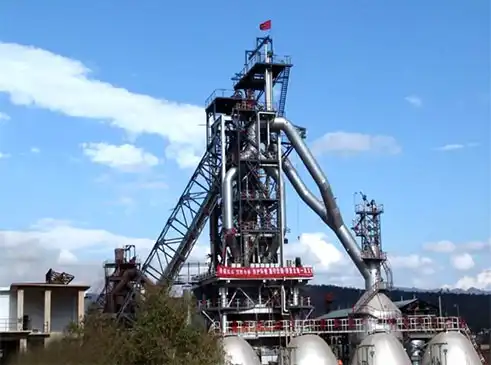
By gradually improving important parts like the furnace shell, cooling systems, refractory linings, and computer controls, the overall blast furnace renovation service converts old ironworks into high-performance production facilities. This all-encompassing engineering answer fixes problems with hearth erosion, using too much coke, and meeting emission standards, and it also makes operating lifecycles last an extra 15 to 20 years. Renovation improves thermal efficiency, daily productivity rates, and long-term operating reliability through precise planning and the integration of modern materials. This makes it a smart investment for steel makers who are having trouble with their old infrastructure.
Understanding Blast Furnace Renovation and Its Impact on Efficiency
Learning about how to renovate a blast furnace and how that affects its efficiency
Renovation of a blast furnace is a major engineering project that goes far beyond regular repair plans. Regular maintenance takes care of wear and tear on the surface, but remodeling fixes the structural and temperature problems that build up over decades of continuous use.
What Makes Renovation Different from Standard Maintenance?
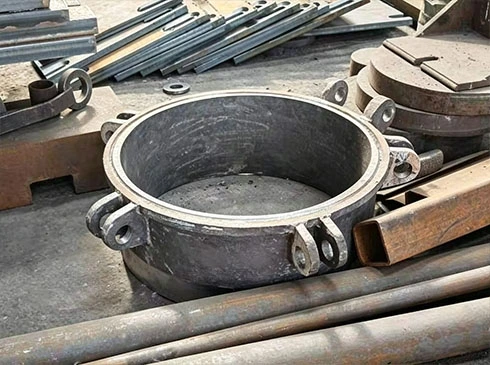
What makes them different is their reach and depth. Regular checks, small repairs to the refractory, and checks of the cooling system are all part of routine maintenance that keep the furnace running between big campaigns. Renovation, on the other hand, includes taking apart worn-out parts, replacing hearth carbon blocks one by one, installing new cooling staves, and strengthening the shell with high-strength boiler-grade steel plates. This method gets to the bottom of why efficiency is dropping instead of just covering up the signs for a short time.
Key Efficiency Improvements After Renovation
When steel companies spend money on full furnace overhauls, they see real improvements in how well they work. After being fixed up, blast furnaces usually have daily output levels of between 2.5 and 3.0 tons per cubic meter, which is a big jump from what they were before they were fixed up. Fuel ratio improvement is possible with better thermal control, which has been shown to cut coke use by 8–12% in many situations. Adding microporous carbon blocks with a thermal conductivity of more than 20 W/m·K stops molten iron from getting inside and keeps the heat evenly distributed across the fire zone.
Environmental and Safety Compliance Benefits
Modern renovations use advanced technologies like fire closing and gas cleaning systems that almost completely get rid of fugitive emissions. This way of upgrading lets older buildings meet stricter environmental rules without having to be completely replaced. Better structural stability through precise welding and non-destructive testing procedures lowers the risk of breakout, which protects both people and equipment nearby from catastrophic failure situations.
The Blast Furnace Renovation Process Explained
Knowing how renovations work helps steel plant managers set up output schedules and make good use of their resources. The steps in the process are organized in a way that combines speed with quality control.
Diagnostic Assessment and Planning Phase
A thorough state survey is the first step in any successful overall blast furnace renovation service. To find out how thick the refractory is and what the thermal stress patterns are, engineering teams use ultrasonic erosion monitors and multi-layered thermocouple arrays. This information helps with choosing materials, planning the order of building, and estimating when things will be finished. The whole "blow-out to blow-in" process takes between 60 and 110 days, depending on the size of the furnace, which is usually between 1,000 and 5,000 cubic meters. This is done using modular building methods that cut down on rest time.
Critical Component Replacement
Replacing parts that directly affect how well the smelting works is what remodeling is all about. When there is a lot of heat flow, high-purity copper staves or thin-wall cooling structures keep the shell temperature below 80°C. This stops damage from thermal expansion. Hearth carbon blocks are completely replaced, and the new ones are made to fight the "elephant foot" erosion problem that older ones had. Special care is taken to make sure the stability of the shell by checking all circular and longitudinal welds without damaging them in any way. This is done using ultrasonic and radiographic methods that meet ASME Section VIII standards.
Testing and Commissioning Procedures
Before putting the heater back into active service, strict validation procedures check that it meets performance standards. To make sure there is no leaking, cooling systems are tested hydraulically at 1.5 times their working pressure. Laser tracking systems check the verticality of the furnace shell and the concentricity of the charging system. Tolerances are kept to within ±5mm to make sure that the gas is distributed evenly during operation. By getting rid of hot spots and improving the chemistry in the reduction zone, these precision standards have a direct effect on the performance further down the line.
Comparing Renovation with Alternatives—Why Renovate Instead of Replace?
There are more important things to think about than just cost when deciding whether to renovate or replace everything. Plant managers have to look at how much cash is available, how long-term operational goals are, and how to make sure that output stays steady.
Capital Investment and Timeline Advantages
Renovation projects usually take 40–60% less money than full furnace replacement, but they can extend the life of the furnace by 70–85% as much as new building can. This low cost comes from keeping the basic infrastructure and using suitable extra systems again and again. Timeline benefits are also very appealing; renovation projects are finished months earlier than new installations, which speeds up the return on investment and reduces the loss of production capacity during changeover times.
Strategic Technology Integration Opportunities
Modern remodeling plans use new technologies that weren't available when the building was first built. For smaller carbon footprints, plants can add hydrogen-rich injection systems, change the tuyere areas to make high-proportion pellets, or set up Level 1 and Level 2 automation systems that make charging processes and temperature state control better. These strategic improvements make it possible for renovated furnaces to compete with younger ones while keeping the practical knowledge built into the infrastructure of older plants.
Brownfield Site Constraints
There are space and environmental limits at many existing steel mills that make greenfield replacement difficult. Renovation projects have to work around crane access issues, tight vertical gaps, and closeness issues that would make new building harder. This flexibility lets plants make more hot metal within their current sizes, which is a huge benefit when it's hard to get permission to expand or when industry development in the area limits their ability to physically grow.
Choosing the Right Blast Furnace Renovation Service Provider
Choosing a good repair partner for overall blast furnace renovation service has a big impact on how the project turns out, how reliable it is, and how much upkeep it will need in the future. Technical skills, quality systems, and service infrastructure should be given a lot of weight during the review process.
Essential Technical Qualifications
Leading remodeling service providers show their skills by having engineering qualifications, knowing about materials science, and using tried-and-true building methods. Look for partners who have their own research sites, like labs that focus on managing refractory heat and making sure cooling systems work well. When businesses work with universities and research centers, they can bring cutting-edge answers to problems that come up in real life. This turns theoretical advances into measurable performance gains.
Quality Assurance and Material Standards
Premium remodeling services only use materials that meet or go beyond international standards. According to ISO 5019 guidelines, refractory materials should have tested bulk density, cold crushing strength, and resistance to heat shock. Components of cooling systems need to have pressure levels that can be checked and rust resistance that can last for decades. Service providers should provide full proof of material traceability and third-party certification that meets the needs of both insurance policies and practical risk management guidelines.
Comprehensive Service Capabilities
The best relationships for renovations last after the building is finished. Integrated service packages that include help with design, supervision of installation, and tracking after the makeover make it easier to buy things and make sure that responsibility stays the same. Providers with "Hearth Heat Flux" math software and digital twin modeling tools can keep improving performance, which extends the life of campaigns and keeps them running at their most efficient levels throughout the working cycle.
Maximizing the Benefits of Blast Furnace Renovation for Your Steel Plant
Putting money into a full furnace repair opens up chances for routine changes that add up over time. Getting these benefits takes planning and commitment from the company after the renovation.
Performance Monitoring and Continuous Improvement
High-density sensor bands are used in modern repair projects that give builders a whole new way to see how furnaces work. Plant managers can see the hearth width in real time, analyze the temperature profile, and get maintenance alerts that keep small problems from turning into major ones that need to be shut down. This tactical information helps make specific process changes, like fine-tuning the blast parameters, making sure the load is spread out evenly, and changing the injection rates to keep the best smelting conditions even when the raw materials change.
Workforce Safety and Morale Enhancement
Modern safety systems have been added to refurbished furnaces to protect workers from dangerous situations. Better structure integrity means that people don't have to keep an eye on possible failure zones all the time. This lets them focus on optimization instead of reducing risk. Better weather controls lower the amount of dust and heat that gets into work areas nearby. These changes lead to fewer accidents, lower insurance costs, and more loyal employees. These are vague benefits that make operations more consistent and help keep institutional knowledge safe.
Sustainability and Regulatory Positioning
Steel companies are under more and more pressure to lower their carbon emissions and show they care about the environment. Blast furnaces that have been updated and fitted with modern gas recovery systems can now use thermal energy that was previously lost to make process steam or electricity. Adding technologies that lower emissions during renovations helps buildings reach compliance gaps that allow for future regulatory tightening without needing bigger capital campaigns. This legal headroom gives businesses the freedom to change their plans as industry standards continue to change toward carbon neutrality goals.
Conclusion
A full overall blast furnace renovation service makes it much more efficient, which makes the investment worthwhile by extending the furnace's useful life, lowering its fuel use, and making it more environmentally friendly. When steel companies regularly update important parts and add new automation and tracking technologies, they get productivity gains similar to those from new construction with a lot less capital. The strategic benefits go beyond instant performance measures. Renovated facilities gain legal flexibility, better worker safety, and operating resilience that make them more competitive in global markets that are becoming more demanding. When steel companies are thinking about how to update their infrastructure, renovation is a tried-and-true way to get the most out of current assets and set them up for decades of high-performance use.
FAQ
How often should a blast furnace undergo renovation?
Renovation times rely on how often the facility is used and the traits of the raw materials it uses, but most facilities need complete overhauls every 10 to 20 years. Furnaces that handle high-alkali ores or run at full productivity rates tend to be closer to the lower end of this range. However, facilities that use conservative working methods and have good feedstock conditions may be able to extend programs beyond 20 years. The best way to tell when to renovate is to keep an eye on the width of the hearth and the soundness of the shell all the time.
What are the most common problems solved by blast furnace renovation?
Renovation fixes three important types of damage: hearth erosion, which lowers the effective volume and makes it harder to hold liquid iron; refractory wear, which uses more fuel and throws off the temperature balance; and shell deformation, which makes the structure less stable. Automation that is no longer supported, cooling systems that don't work well, and gas cleaning problems that make it hard to meet environmental standards can all be fixed by advanced repair programs.
Can renovation extend the blast furnace lifespan significantly compared to maintenance alone?
When done with quality materials and precise construction methods, a full renovation can add 15 to 20 years to a building's useful life, which is a lot longer than the two to three years that can be added by intensive upkeep programs. Replacing the hearth carbon blocks and cooling staves fixes basic wear issues that routine maintenance can't fix, restarting the operating clock in a way.
Partner with SMEC for Expert Renovation Solutions
SMEC offers overall blast furnace renovation services and has a history of success in heavy industrial building. They have decades of experience with metallurgical equipment. Our Large-scale Intelligent Coking Equipment Research Institute brings together 168 engineers, including 30 senior engineers, who work together to find repair solutions that meet strict environmental standards, increase efficiency, and extend the useful life of equipment. As an experienced overall blast furnace renovation service provider, we help with the whole project, from the initial diagnosis to the optimization after the renovation. This way, we can make sure that your facility works at its best with as little downtime as possible. Get in touch with our expert team at project@smec.cc to talk about your unique needs and find out how our integrated approach to furnace modernization can make your steel plant more competitive.
References
Iron and Steel Technology Journal, "Modern Approaches to Blast Furnace Campaign Extension Through Strategic Renovation," American Institute of Steel Technology, 2021.
Metallurgical Engineering Quarterly, "Refractory Material Advances in High-Intensity Blast Furnace Operations," International Metallurgical Society, 2020.
Journal of Industrial Process Optimization, "Cost-Benefit Analysis of Blast Furnace Renovation Versus Replacement in Brownfield Steel Mills," Industrial Engineering Press, 2022.
Proceedings of the International Ironmaking Conference, "Cooling System Technologies for Extended Campaign Life in Renovated Blast Furnaces," Association of Iron and Steel Engineers, 2019.
Environmental Compliance in Heavy Industry, "Emission Reduction Strategies Through Blast Furnace Modernization Programs," Global Environmental Standards Council, 2021.
Steel Production Technology Review, "Automation Integration During Blast Furnace Renovation: Case Studies and Performance Outcomes," European Steel Technology Platform, 2020.
Free consultation & volume discounts available
SEMC focuses on the entire metallurgical process—from coking, ironmaking, and steelmaking to continuous casting and rolling. Whether you face challenges related to equipment upgrades, energy efficiency optimization, or overall process transformation, please fill in the following information. Our technical team will provide you with tailor-made high-end equipment upgrade solutions and professional EPC design services to help your project be implemented efficiently.









Recommended Blog
The Impact of Cooling Water Barrier Integrity on Blast Furnace Longevity
Comparing Manual Inspection vs. Automated Tuyere Imaging Services
What Makes a Three-Ring Cone Scrubber More Efficient Than Traditional Scrubbers?
How Granulated Blast Furnace Slag Supports Sustainable Manufacturing