High Temperature and Corrosion Resistance of Blast Furnace Tower Equipment
High Temperature and Corrosion Resistance of Blast Furnace Tower Equipment
Understanding High Temperature and Corrosion Challenges in Blast Furnace Tower Equipment
- Understanding High Temperature and Corrosion Challenges in Blast Furnace Tower Equipment
- Materials and Design Solutions for Enhanced Temperature and Corrosion Resistance
- Maintenance and Operational Best Practices to Maximize Equipment Lifespan
- Comparing Blast Furnace Tower Equipment: Material Choices and Performance Efficiency
- Guide to Procuring High Temperature and Corrosion-Resistant Blast Furnace Tower Equipment
- Conclusion
- FAQ
- Partner with SMEC for Proven Blast Furnace Tower Equipment Solutions
- References
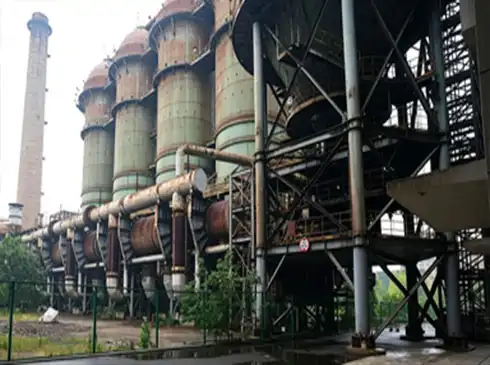
Blast furnace tower equipment sits at the operational heart of modern ironmaking. It encompasses the furnace shell, high-line charging systems, top pressure control units, skip hoist or belt conveyor towers, and all supporting structural infrastructure. These assemblies must endure internal temperatures exceeding 1500°C and top pressures up to 0.3 MPa while resisting sulfurous gases, alkali attack, and abrasive slag. When thermal resistance and corrosion protection fall short, the consequences ripple through the entire production chain—extended downtime, escalating repair costs, and compromised worker safety. Understanding what drives degradation is the first step toward smarter procurement decisions.

Understanding High Temperature and Corrosion Challenges in Blast Furnace Tower Equipment
The Physics Behind Thermal Stress
During each campaign, blast furnace tower equipment goes from being at room temperature to being at temperatures well above 1000°C. This continuous thermal expansion and contraction wears down the furnace shell, the cooling systems for the staves, and the structure supports over time. Micro-cracking spreads through welds and base metals over time, making ways for toxic gasses to get into deeper layers. Low-alloy high-strength steels like Q345R and Q390GJR are often used because their toughness-to-weight ratio slows the start of this fatigue. However, no material is resistant if it is not properly reinforced during design.
Corrosion Mechanisms That Accelerate Wear
Electrochemical oxidation lets acidic gasses, mostly hydrogen sulfide and sulfur dioxide, attack steel surfaces that aren't protected. Alkaline fumes from coke ash stick to parts of the structure that are cooler, making attack zones that are more concentrated. On top of chemical breakdown, slag splatter adds a layer of mechanical wear. These systems can lower the nominal wall thickness by measured amounts during a single blast furnace campaign, which usually lasts between five and ten years. Purchasing engineers who understand these mechanisms are much better able to choose the right protection systems from the start, rather than having to add them after the fact.
Materials and Design Solutions for Enhanced Temperature and Corrosion Resistance
Choosing the right materials is the most important decision in any ironmaking tower project. If you get it right at the specification stage, you won't have to pay as much for repairs in the middle of the campaign.
Here are the core material and design strategies that deliver proven protection:
- Refractory lining with metal anchors: Refractory systems made of castables or bricks that are attached to the furnace shell form a temperature buffer that keeps structural steel below the point where it starts to break down too quickly. Linings that are properly anchored have been used for seven to twelve years before they need major repairs in documented steel mill operations.
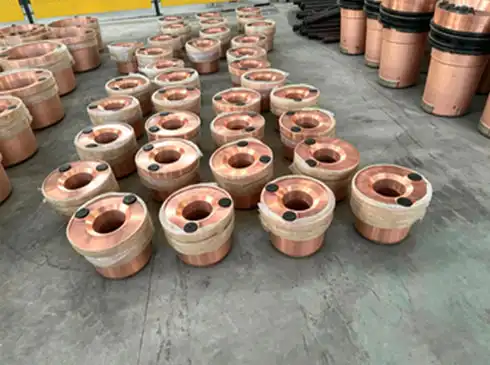
- Heat-resistant alloy stave coolers: Copper and ductile iron staves inserted in the furnace wall move extra heat away from the shell. Modern copper staves have thermal conductivities above 380 W/m·K, which is a lot better than older cast iron designs and stops hotspots from forming, which speeds up rusting.
- ISO 12944-compliant protective coatings: Multi-layer epoxy and zinc-rich primer systems that are applied to the outside of structural steel surfaces can withstand sulfurous atmospheres classified under ISO 12944 Category C5-I (very high industrial corrosivity), which means that the coating can last longer than ten years as long as the DFT goals are met.
- Thermal expansion joints and sliding supports: The structural frames have sliding bearing plates and flexible expansion joints that let the furnace shell and tower steel move separately during thermal cycling. This keeps the stress levels from building up and breaking normal hard connections.
These strategies collectively extend structural tower life to the industry-accepted benchmark of 20 to 30 years, while major mechanical charging components require overhaul cycles of roughly five to eight years. Pairing the right material package with the right structural design is what separates equipment that meets specification on paper from equipment that performs reliably through a full campaign.
Maintenance and Operational Best Practices to Maximize Equipment Lifespan
Even the strongest blast furnace tower equipment needs regular upkeep to last as long as it was meant to. Reactive maintenance, which is done after a problem has been seen, is always more annoying and costs more than planned protection.
Thermal Imaging and Corrosion Sensor Protocols
Infrared thermography of the furnace shell on a regular basis finds hotspots before they get through the cooling stave system. Every year, ultrasonic thickness gaging of structural parts is done in high-risk areas to keep track of wall loss rates and accurately predict the remaining service window. When plants use these non-destructive testing (NDT) processes as part of their shutdown plans, they regularly have fewer unplanned outages than plants that only use visual checking.
Scheduled Coating Renewal and Component Replacement
Protective coating systems need to be tested for adhesion pull-off and DFT re-measurement on a regular basis. When readings drop below the manufacturer's minimums, spot recoating with systems that work with the barrier improves its performance without having to prepare the whole surface. Instead of waiting until they break, worn sealing parts in top-pressure control valves that can handle pressures above 2.5 bar using dual-seal valve technology that has been tested to ISO 10434 should be changed based on when they wear out. This discipline lowers the chance of gas leaks by a large amount, which is good for both safety and the environment.

Comparing Blast Furnace Tower Equipment: Material Choices and Performance Efficiency
A trade-off matrix is being used more and more in procurement decisions instead of a single specification. Traditional tall structures made of steel cost less to build at first, but they need to be repainted and inspected more often. Refractory-lined versions with built-in cooling stave systems cost more to buy at first, but they require significantly less upkeep over the course of a full campaign.
Recent mechanical engineering study says that using new nano-coating technologies on top of regular primers has increased the binding strength in the lab by 30 to 50 percent compared to using standard epoxy systems. Traditional castable refractory is not as hard as advanced composite ceramic tiles that are used in high-wear areas close to the stock line. When integrated steel mills' procurement teams look at these choices, they are giving more weight to the total cost of ownership rather than the cost of the individual pieces of blast furnace tower equipment. This shift favors solutions with higher specifications and longer service intervals.
Energy efficiency is another differentiator. When copper stave cooling systems are the right size, they keep thermal gradients tighter and reduce heat loss through the furnace shell, leading to lower energy use per ton of hot metal produced—a strong indicator for procurement criteria that focus on sustainability.
Guide to Procuring High Temperature and Corrosion-Resistant Blast Furnace Tower Equipment
A structured screening method is needed to find effective blast furnace tower equipment. Procurement managers and plant engineers should evaluate potential suppliers against these criteria:
- Material certification traceability: All structural steel plates have full mill test certificates that prove their chemical make-up, tensile strength, and Charpy impact toughness at low temperatures. Compliance with ASME Section VIII for pressure-bearing parts is a standard that is known all over the world.
- NDT documentation: Full UT and x-ray test records for all load-bearing weld seams confirm internal weld integrity before shipment.
- Dimensional precision verification: 3D laser scanning to certified verticality tolerances ensures that charging equipment and bell-less top systems are installed correctly.
- Warranty and after-sales support terms: A clear warranty that is tied to recorded quality hold points, along with on-site installation advice and commissioning support, lowers the risk of the project for both EPC workers and plant owners.
- Customization capability: For plants that have to work with certain gas atmospheres, throughput goals, or environmental permit conditions, they need suppliers who can build custom solutions instead of just stock items.
Aligning these procurement criteria with a supplier's demonstrated manufacturing capability and technical service infrastructure is what drives long-term operational excellence across the steel production chain.
Conclusion
Thermal decline and chemical attack are still the main reasons why blast furnace tower equipment structures fail. To deal with them, decisions about what materials to use, how to build the structure, when to do maintenance, and how to qualify suppliers must all be made together. Modern steelmaking needs equipment that is made with certified heat-resistant steels, refractory lining systems, ISO 12944 coating packages, and precise expansion joint designs. This kind of equipment has to last a long time and be reliable. When procurement pros use the factors listed here, they can put their plants in a way that makes campaigns last longer, keeps costs down over the lifecycle, and meets stricter environmental standards.
FAQ
How often should furnace tower structures be inspected for corrosion?
Ultrasonic thickness measurements should be done at least once a year in high-risk areas for blast furnace tower equipment. For plants that work in places with a lot of sulfur or humidity, NDT scans every six months are helpful, and so are constant corrosion sensor checks at certain watch points.
How do I balance upfront material cost against long-term durability?
When you look at the total cost of ownership, which includes costs for recoating, unexpected shutdowns, and energy use per ton of output, higher-specification refractory and alloy systems always come out on top over lower-cost standard choices. Most of the time, premium products pay for themselves in the first campaign cycle.
Can existing towers be upgraded for better thermal and corrosion resistance?
Modernizing brownfields is a well-known method. During planned shutdowns for relining, existing shells can be filled with new refractory lining systems, replacement copper staves, and better sealing packages. The possibility depends on how the shells are maintained and how well they fit with the next planned campaign start.
What certifications should I verify before procurement?
Check that the pressure parts meet ASME Section VIII, the protective coatings meet ISO 12944 Category C5-I, and that all the material traceability certificates meet the national or international steel standards that apply.
Partner with SMEC for Proven Blast Furnace Tower Equipment Solutions
With 168 dedicated technical staff and a 68,700-square-meter manufacturing base in Taiyuan, China, SMEC, which is part of the Taiyuan Silian Heavy Industry (Group) Co., Ltd., delivers engineered blast furnace tower equipment. As a reliable company that makes blast furnace tower equipment, we use certified materials, follow strict NDT protocols, and offer full support after the sale. Reach our engineering team directly at project@smec.cc or explore our complete product portfolio at smecltd.com.
References
1. Biswas, A.K. & Davenport, W.G. — Extractive Metallurgy of Copper, Elsevier, 2002.
2. Iron & Steel Technology (AIST Journal) — Special Issue on Blast Furnace Campaign Life, 2019.
3. Fruehan, R.J. (Ed.) — The Making, Shaping and Treating of Steel: Ironmaking Volume, AISE Steel Foundation, 1999.
4. ISIJ International — "Thermal and Mechanical Behavior of Blast Furnace Cooling Staves," Vol. 58, 2018.
5. Corrosion Science — "Sulfurous Gas Attack on Protective Coatings in High-Temperature Industrial Environments," Elsevier, Vol. 152, 2019.
6. ISO 12944-2:2017 — Paints and Varnishes: Corrosion Protection of Steel Structures by Protective Paint Systems, International Organization for Standardization, 2017.
Free consultation & volume discounts available
SEMC focuses on the entire metallurgical process—from coking, ironmaking, and steelmaking to continuous casting and rolling. Whether you face challenges related to equipment upgrades, energy efficiency optimization, or overall process transformation, please fill in the following information. Our technical team will provide you with tailor-made high-end equipment upgrade solutions and professional EPC design services to help your project be implemented efficiently.
Recommended Blog
Why Is Blast Furnace Dry Dedusting Better Than Wet Dedusting?
Why Choose Blast Furnace EPC Contracting Over Separate Outsourcing?
Does Tuyere Camera Support Automatic Dust Cleaning and Low Maintenance?
Can Hydraulic Clay Gun Adapt to Different Blast Furnace Taphole Sizes?
Does Three-ring Cone Scrubber Prevent Blockage and Reduce Maintenance Issues?
How Does a Blast Furnace Drill Rod Replacement Device Work?