What Is Overall Blast Furnace Renovation Service?
Understanding Blast Furnace Renovation Services
- Understanding Blast Furnace Renovation Services
- The Blast Furnace Renovation Process Explained
- Comparing Renovation Options — Repair vs. Renovation vs. Replacement
- How to Choose and Work with Blast Furnace Renovation Service Providers?
- Maintenance Tips Post-Renovation for Long-Term Performance
- Conclusion
- FAQ
- Partner with SMEC for Comprehensive Furnace Renovation Solutions
- References
Overall blast furnace renovation service is an all-in-one engineering solution for bringing old ironmaking facilities back to life and making them better by refurbishing important parts like the furnace shell, cooling systems, refractory linings, and automation controls. Unlike regular maintenance, which only fixes single problems, this service takes care of large-scale wear patterns, like hearth erosion and heat stress damage, while using the latest technologies for environmental compliance. The update makes operating lifecycles last longer than 15 to 20 years. This improves energy efficiency and smelting capacity for steel makers who are dealing with problems like old infrastructure and stricter emission rules.
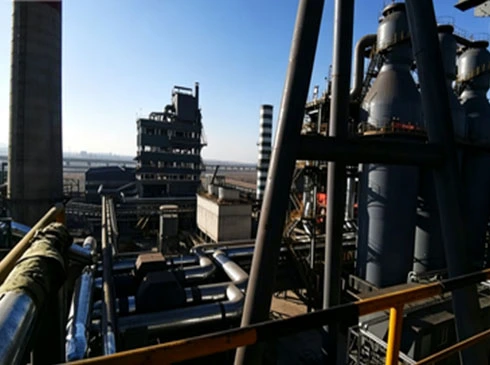
Understanding Blast Furnace Renovation Services
Renovating a blast furnace is more than just fixing small problems. It's a full makeover that gives buildings that have been used for decades a new lease on life. The major difference between this method and regular maintenance is the size and effect of the work. When a furnace shows signs like less hot metal output, uneven thermal profiles, or using too much coke, these are all signs of deep-seated damage that can't be fixed with easy fixes.
Why Renovation Becomes Necessary
Usually, factories plan repairs for furnaces that have been used nonstop for 12 to 15 years. At this point, the hearth carbon blocks are getting too thin, which creates blowout risks that put both worker safety and output at risk. The well-known "elephant foot" effect, in which liquid iron flows through weak layers of refractory, is just one of several major failure modes that renovation fixes. When cooling systems break down and old control systems can't make the best use of load sharing or temperature management, energy inefficiency goes up.
The Business Case for Proactive Intervention
Putting off renovations causes problems that get worse over time. Steel companies lose a lot of money when they have to shut down unexpectedly instead of regularly, because unplanned maintenance breaks down supply lines and hurts relationships with customers. We've seen that factories that do renovations on time stick to their production plans, get better fuel ratios, and meet environmental standards without having to deal with the stress that comes with emergency fixes. If plant engineers understand these changes, they can keep their businesses competitive in markets that are becoming more and more focused on efficiency standards and carbon footprint reporting.
The Blast Furnace Renovation Process Explained
The remodeling process is carefully planned out so that there is as little downtime as possible while still getting good results. Each step builds on the one before it, laying the groundwork for years of steady use.
Inspection and Decommissioning Phase
Before any actual work is done, detailed diagnostic tests are used to make a map of the furnace's state. Advanced methods like ultrasonic thickness readings, thermographic images, and laser alignment verification can find patterns of damage that aren't obvious. To figure out how things fail, engineers look at the chemistry of cooling water, refractory samples, and operating data. This information leads the renovation plan and makes sure that resources are focused on the areas where they will have the most effect.
After review, safe dismantling can happen. Furnaces cool down slowly over weeks, which protects the structure and lets controlled removal of material happen. During this phase, strict safety rules are needed because heat and chemicals can still be dangerous long after production stops.
Core Renovation Activities
At the heart of repair work is replacing worn-out parts in a planned way. Putting in microporous carbon blocks with a heat conductivity of more than 20 W/m·K starts at the hearth and works its way up. These materials keep liquid iron from getting through while controlling heat flow to keep the furnace shell safe. Installation accuracy is very important—differences of only a few millimeters can change the way gases are distributed, which affects how well the burning works.
Along with refractory work, improvements are being made to the cooling system during overall blast furnace renovation service. In modern repairs, high-purity copper staves or advanced cast iron cooling plates that keep shell temperatures below 80°C even when there is a lot of heat flux are often used. Before they are put into service, these systems are tested hydraulically at 1.5 times their working pressure to make sure they don't leak. As part of structural fixes, full non-destructive testing is used to check the stability of the shell. Ultrasonic and radiographic methods are used to make sure the weld meets ASME Section VIII standards.
Environmental Compliance Integration
Modern remodeling projects make changes to the environment all the way through the process. Better gas cleaning systems catch particles and allow energy recovery, and better fire closing gets rid of almost all fugitive emissions. These improvements help facilities follow EPA rules and put businesses in a good situation as carbon pricing systems grow. Because modern renovations look at the whole building, changes to environmental performance are built in with practical upgrades and aren't expensive extras.
Testing and Commissioning
Renovated furnaces go through a lot of tests before they can be used again. Pressure tests make sure the system is solid, and geometric checks with laser tracking make sure the system is straight and centered within ±5mm. These strict rules make sure that the gas is distributed evenly, which is a basic need for smelting to work well. Automation systems go through a lot of tests before they are put into service. These tests make sure that the PLC logic and mathematical models that control charging processes and heat state control during the next campaign are correct.
Comparing Renovation Options — Repair vs. Renovation vs. Replacement
When burner performance drops, procurement teams and engineering managers have to make important choices. Knowing the difference between repair, renovation, and replacement helps businesses make the best use of their money and keep operations running as smoothly as possible.
Repair: Tactical Fixes with Limited Scope
Repairs fix particular problems without a full review of the system. Replacing a broken cooling plate or fixing small areas of refractory damage will keep production going for a while, but it won't fix the underlying damage. This method works well when furnaces are still fairly new and the damage is really limited. But as buildings age, they often need fixes more often, which drives up care costs and causes unplanned downtime that makes it hard to plan.
Renovation: Strategic Refurbishment for Extended Life
Comprehensive renovation is the middle ground; it gives a big increase in life without the high cost of rebuilding. Renovating all key systems in a planned way makes an old boiler work as well as a new one, but it costs a lot less and has much less downtime—usually 60 to 110 days, depending on how much work is being done. The restored building has more modern technology, better safety features, and better environmental performance. When current infrastructure is still physically sound and replacement choices are limited by the site, metallurgical businesses often find that renovation is the best option.
Replacement: Maximum Performance at Premium Cost
Full replacement offers the latest technology and the highest level of efficiency, but it also comes with a lot of costs and downtime that can last longer than six months. This choice makes sense when furnaces can't be fixed in a sensible way, when production needs to be greatly increased, or when big steps forward in technology make the expense worthwhile. When brownfield restrictions make renovations impractical or when strategic plans call for huge production increases, EPC contractors and integrated steel mills sometimes choose replacement.
Making the Decision: Key Evaluation Factors
There are a number of things to think about when choosing between overall blast furnace renovation service options. Age and condition of the furnace are important, but so are output goals, cash constraints, and the level of competition. When demand is high and plants are close to full, replacing them might be a good way to get a bigger share of the market. On the other hand, when margins are tight, renovations often give a better return on investment. The decision framework should include a thorough cost-benefit analysis, accurate predictions of downtime, and an honest look at how well the company can handle large tasks.
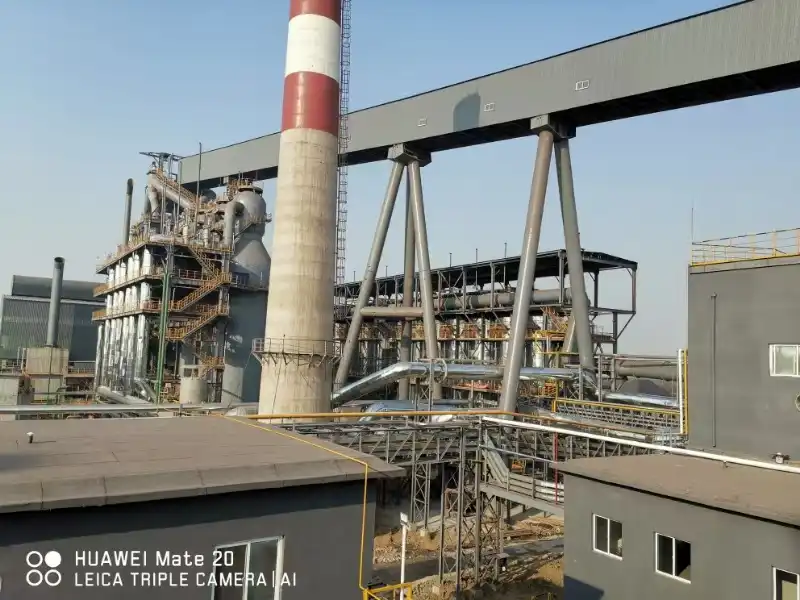
How to Choose and Work with Blast Furnace Renovation Service Providers?
Choosing partners for a makeover is one of the most important choices you can make when planning a project. The provider's skills have a direct effect on the project's results, touching everything from technical performance to meeting deadlines and being reliable in the long run.
Essential Evaluation Criteria
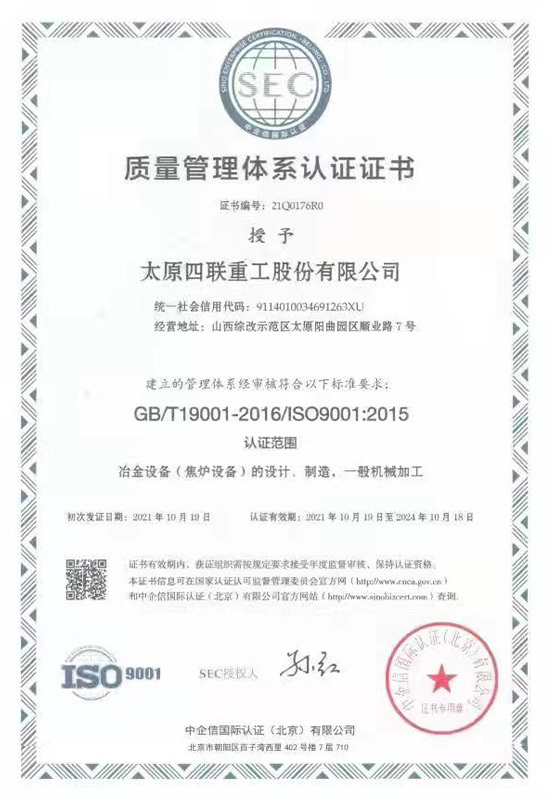
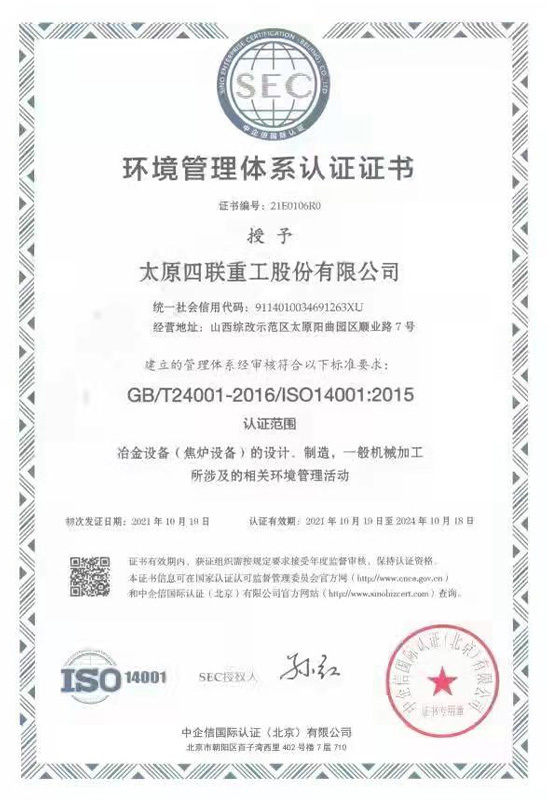
When looking at possible service companies, we suggest looking at a few important factors. Experience in the field is very helpful; service providers who have run successful campaigns for decades know how to deal with the unexpected problems that come up during major upgrades. A dedication to quality management is shown by certifications that include ISO compliance and well-known engineering standards. Technical skills are also important; providers should have access to high-tech materials like specific refractory compounds and know how to integrate modern technology.
Client recommendations give you proof from the real world. By talking to past clients, you can learn how service providers deal with issues, how they talk to clients during tough times, and how they help facilities after they've been renovated. Plants that got the expected performance gains and had smooth restarts after renovations say more about a provider's skills than any marketing materials.
Material and Technology Considerations
The products and methods that companies offer have a big effect on how well renovations turn out. The technical basis for successful repairs includes high-quality carbon blocks with the right thermal properties, long-lasting cooling system parts made to strict standards, and tried-and-true methods for installing refractories. Level 1 PLC systems and Level 2 mathematical models are examples of advanced automation features that make charging and temperature control more efficient. This has a direct effect on fuel economy and production accuracy.
New technologies are brought to remodeling projects by companies who are on the cutting edge. Digital twin modeling lets you plan ahead for maintenance by making virtual copies that mimic fire conditions using thermocouple data. These tools help workers spot problems before they become failures, which makes the most of remodeling investments.
Project Management and Scheduling Excellence
If project management isn't done right, even great expert work can fail. To do a good renovation, you need to coordinate multiple workers, keep track of material deliveries, and make sure that jobs are done in the right order to avoid critical path delays. Providers should show strong project management techniques, such as thorough planning, risk management guidelines, and clear communication systems that keep everyone involved in the renovation updated.
Getting as little downtime as possible needs extra care. Every day that a heater isn't working, money and goods are lost. When providers use modular building methods, prefabricate parts off-site, and do their work with military accuracy, they save money because the projects are finished faster. When you're assessing providers, you should ask specific questions about how they handle scheduling, how they plan for what could go wrong, and how well they've met deadlines in the past.
Maintenance Tips Post-Renovation for Long-Term Performance
Investing in overall blast furnace renovation service only pays off in the long run if you stick to an upkeep schedule. What is done after the heater is turned on directly affects whether it lives up to its 15- to 20-year campaign goals or breaks down too soon.
Establishing Structured Maintenance Routines
Schedules for detailed inspections are the first step in comprehensive repair plans. Every week, walkthroughs are done to check the flows, temperatures, and pressure differences in the cooling water that show problems that are starting to form. Thermal imaging is used in monthly refractory exams to find hot spots that show damage. Every three months, structural parts are checked for signs of stress, such as cracks or movement that doesn't make sense. These stacked inspection methods find problems early, when they are easy to fix and don't cost much.
Good documentation methods help with upkeep. Keeping careful records of working conditions, upkeep tasks, and changes to materials is an important part of understanding the past. When strange things happen, engineers can look at past trends to tell the difference between normal changes and real problems that need to be fixed.
Predictive Maintenance Technologies
Sensor networks and analytical tools that allow for predictive repair are being used in more and more modern buildings. Throughout the hearth, multi-layered thermocouple arrays send data to specialized software that figures out the real-time thickness of the refractory. These digital systems let workers know about unusual erosion rates a long time before they become a safety risk. This lets them plan actions instead of responding in an emergency.
Ultrasonic erosion monitors help with tracking by measuring the thickness of the shell to find material loss. When these tools are combined with practical data like blast parameters and burden makeup, they give a full picture of the health of the furnace. Plants that use these technologies report a lot less unexpected downtime and longer component life, which shows that the money spent on tracking was well spent.
Emergency Response Preparedness
No matter how hard you try to avoid problems, they still happen. Keeping in touch with repair service providers makes sure that problems are fixed quickly. Because critical extra parts are kept, service agreements have already been agreed upon, and communication methods have been set up, emergency actions can start quickly, reducing production losses. Being ready is like insurance against the unexpected things that happen in heavy industry activities.
Conclusion
In conclusion, for steel makers, metallurgical businesses, and industrial operations facing infrastructure issues, the overall blast furnace renovation service provides strategic value. Renovating an asset in a way that takes into account its structural, thermal, and environmental aspects can make it last longer, cost less, and be more compliant. With a methodical approach that includes thorough diagnostics, precise installation, and rigorous testing, rebuilt facilities are set up to work well for 15 to 20 years. Success depends on both good technical execution and disciplined upkeep after the makeover. Choosing the right provider and following good operating practices are important for getting the most out of these big projects.
FAQ
How long does typical blast furnace renovation require?
The length of the project depends on the size and scale of the furnace, but from blow-out to blow-in, most repairs of 1,000 to 5,000 cubic meter furnaces take 60 to 110 days. These timelines are possible thanks to modular building methods and prefabrication, though site-specific issues can sometimes make plans longer. During the engineering phase, detailed planning helps set realistic deadlines that strike a balance between being thorough and minimizing downtime.
Can renovation improve environmental compliance effectively?
Of course. Modern remodeling projects include better sealing to get rid of fugitive pollution, better gas cleaning systems, and better technology that makes burning more efficient. These changes help sites meet current EPA standards and set them up well for future rules that are expected. Energy recovery systems are often used during renovations to collect leftover heat that would have otherwise been lost and put to useful use.
What performance improvements can operators expect?
Usually, furnaces that have been renovated get between 2.5 and 3.0 tonnes per cubic meter per day in daily output, with fuel ratios getting 10% to 15% better than they were before the repair. These benefits come from better refractory setups, more efficient cooling systems, and improved automation that keeps the right thermal profiles. The cumulative result makes production much more cost-effective while also lowering the damage done to the earth per tonne of hot metal made.
Partner with SMEC for Comprehensive Furnace Renovation Solutions
Not only do we know a lot about coking tools, but we also offer full metallurgical solutions, such as blast furnace renovation services. We use advanced engineering skills from our Large-scale Intelligent Coking Equipment Research Institute and the support of 168 technical professionals, including 30 senior engineers, to complete repair projects that use both tried-and-true methods and new technologies. Our all-around method covers everything, from the initial diagnostics to commissioning and continued support, making sure that facilities get the performance boosts and longer operating lives that were planned. As an overall blast furnace renovation service provider with a lot of experience, we know how hard it is for steel makers and metallurgical businesses to keep their operations running smoothly. That's why we can tailor solutions that keep downtime to a minimum while maximizing long-term value. Get in touch with our team at project@smec.cc to talk about how our renovation services can help you with your unique business problems and long-term goals.
References
Biswas, A.K. (2020). Principles of Blast Furnace Ironmaking: Theory and Practice. Brisbane: SIM Publications.
Geerdes, M., Toxopeus, H., & van der Vliet, C. (2019). Modern Blast Furnace Ironmaking: An Introduction. Amsterdam: IOS Press.
The Iron and Steel Technology Association. (2021). "Best Practices in Blast Furnace Maintenance and Renovation." AIST Technical Report Series, Volume 47, pp. 112-145.
Nightingale, R.J. & Tanzil, F.W. (2018). "Extending Blast Furnace Campaigns Through Strategic Renovation Planning." Metallurgical Plant and Technology International, Issue 3, pp. 58-67.
European Commission Joint Research Centre. (2019). Best Available Techniques (BAT) Reference Document for Iron and Steel Production. Luxembourg: Publications Office of the European Union.
Zhou, C.G., Liu, Z.J., & Wang, H.T. (2022). "Advanced Refractory Materials and Cooling Technologies in Modern Blast Furnace Renovation." International Journal of Minerals, Metallurgy and Materials, Volume 29, Number 4, pp. 623-635.
Free consultation & volume discounts available
SEMC focuses on the entire metallurgical process—from coking, ironmaking, and steelmaking to continuous casting and rolling. Whether you face challenges related to equipment upgrades, energy efficiency optimization, or overall process transformation, please fill in the following information. Our technical team will provide you with tailor-made high-end equipment upgrade solutions and professional EPC design services to help your project be implemented efficiently.








Recommended Blog
Maximizing ROI: Is Investing in Tuyere Imaging Service Worth the Cost?
How Blast Furnace Tower Equipment Supports Large-Scale Production?
What Makes a Three-Ring Cone Scrubber More Efficient Than Traditional Scrubbers?
OEM Blast Furnace Tuyere Equipment: Benefits for Steel Plants
How Granulated Blast Furnace Slag Supports Sustainable Manufacturing