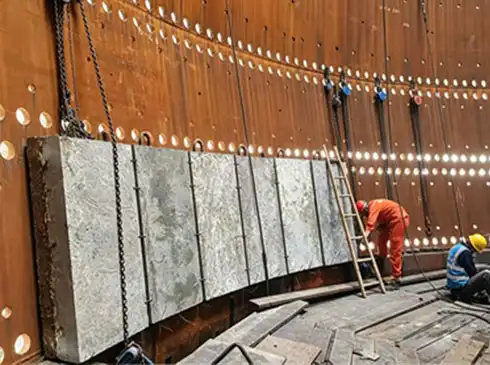
Why Is Blast Furnace Dry Dedusting Better Than Wet Dedusting?
Introduction
- Introduction
- Understanding Blast Furnace Dedusting Systems
- Key Benefits of Blast Furnace Dry Dedusting Over Wet Dedusting
- Technical Comparison: Dry Dedusting System vs Wet Dedusting System
- How to Choose the Best Blast Furnace Dry Dedusting System for Your Needs?
- Improving Efficiency and Longevity of Your Blast Furnace Dry Dedusting System
- Conclusion
- FAQ
- Partner with SMEC for Advanced Dust Control Solutions
- References
Blast Furnace Dry Dedusting System Equipment represents a transformative leap in metallurgical environmental control technology. Unlike conventional wet scrubbing methods that depend on massive water circulation, dry dedusting captures particulates through advanced filtration media without generating wastewater or contaminating blast furnace gas quality. This next-generation solution addresses the steel industry's most pressing challenges: reducing environmental footprint, lowering operational expenses, and maximizing energy recovery potential through systems like Top-pressure Recovery Turbines (TRT).

Introduction
Modern steel manufacturing requires more than just high production efficiency. It also needs to be good to the environment, follow the rules, and be able to keep running even when things go wrong. At the heart of these needs is blast furnace dedusting technology, which has a direct effect on emissions levels, energy use patterns, and long-term profits. Traditional wet dedusting systems are good at collecting dust particles, but they come with hidden costs like the need for expensive water treatment equipment, problems getting rid of sludge, and a lot of heat loss from gas cooling.
Understanding the strong benefits of dry dedusting systems is important for procurement managers, plant engineers, and EPC contractors working in the steel industry in the United States. This leads to smarter capital allocation and operational advantages that are more competitive. Moving from wet to dry technology isn't just an improvement in technology; it's also an investment in environmentally friendly ways of making things that are in line with stricter EPA emission rules and company environmental pledges.
Understanding Blast Furnace Dedusting Systems
What Defines a Dry Dedusting System?
Fabric filter bags or electrostatic precipitators are used in dry dedusting technology to remove dust from blast furnace gas at high temperatures between 100°C and 280°C. The system keeps the gas's integrity without adding water, which keeps the chemical makeup and thermal energy. Pre-separation cyclones, high-temperature-resistant filter housings, automated pulse-jet cleaning mechanisms, and combined control systems with real-time emission tracking are some of the most important parts.
How Dry Systems Differ from Wet Scrubbing Technology
Raw burner gas is pushed thru water sprays or venturi scrubbers by wet dedusting systems. This cools the gas below its dew point and traps dust in a liquid suspension. Even tho this method gets good catch rates of 85–92%, it creates large amounts of wastewater with heavy metals that are dissolved in it and needs large settling ponds or clearing equipment. The process removes useful heat, which limits the ability to collect energy further down the line and calls for complicated water recycling loops that can have problems with scaling and corrosion.
These problems don't happen at all with dry systems. By keeping the gas temperature above the condensation thresholds, they stop corrosive condensate from forming and allow direct integration with TRT power generation units. The filtered dust falls into sealed hoppers where it can be recycled and used again in sintering processes. This stops any other pollution pathways from happening.
Integration into Modern Steel Production Lines
These days, Blast Furnace Dry Dedusting System Equipment blast furnaces are becoming more and more aware that dry dedusting is an important part of the cycle economy. The technology works perfectly with furnace top equipment and gas utilization facilities, giving very clean fuel to power turbines, hot blast stoves, or industrial users outside the furnace. Plants that are upgrading from older wet systems say that the whole retrofitting process takes 12 to 18 months and doesn't affect output plans too much when phased execution strategies are used.
Key Benefits of Blast Furnace Dry Dedusting Over Wet Dedusting
Environmental Excellence Without Compromise
When dry dedusting is done, there is no wastewater release at all. This means that millions of gallons of polluted process water don't have to be treated every year. Facilities that work in areas with limited water supplies or that have to follow strict waste rules will immediately be more compliant. The technology doesn't make any liquid waste that needs to be treated biologically, its pH adjusted, or heavy metals dissolved. For wet systems, this kind of treatment can cost more than a few million dollars in infrastructure costs.
In addition to saving water, dry methods allow particulate emissions below 5 mg/Nm³, which is much lower than most legal limits. This performance cushion gives operations flexibility during maintenance periods and protects against future regulatory tightening without the need for extra capital.
Dramatic Energy Efficiency Gains
Energy use is a major cost factor in the economy of steel making. Dry dedusting systems use 30–40% less electricity than their wet counterparts. This is mostly because the fan resistance is lower and there is no need to pump water. Adopting a dry system can help a typical 3,000 m³ blast furnace save more than 8 million kWh of energy each year, which means big savings on utility costs.
Because the thermal energy in cleaned gas is still there, TRT systems can make 15 to 25 kWh of electricity for every ton of pig iron they make. This turns waste pressure into useful electricity. Wet systems miss this chance because they cool the gas below the levels needed for the engine to work efficiently. When plants combine dry dedusting with TRT recovery, they get their money back in three to five years just from making energy.
Superior Gas Quality for Enhanced Downstream Performance
Blast furnace gas that comes out of dry dedusting systems has higher heating values and less moisture (usually less than 10g/Nm³ compared to 50–80g/Nm³ in wet systems). This quality improvement directly improves the efficiency of burning in hot blast stoves, keeping the flame temperature stable and lowering the need for extra fuel. When metallurgical companies move from wet-cleaned gas feed to dry-cleaned gas feed, they save 8–12% on fuel.
According to maintenance records from changed facilities, the lack of entrained water droplets also stops corrosion in downstream pipes, valve systems, and burner equipment. This makes parts last 40–60% longer. When corrosion is lower, there are fewer unexpected shutdowns and fewer extra parts on hand.
Streamlined Maintenance and Operational Simplicity
Wet dedusting systems need constant care for the chemistry of the water, the processes for removing sludge, the integrity of the pump seals, and the fouling of the heat exchangers. Maintenance teams at places that use both technologies regularly say that dry system maintenance takes 50–70% less time and work. The simpler mechanical setup, which is mostly made up of filter bags, pulse valves, and dust hoppers, lowers the chances of failure and parts becoming obsolete.
When pulse-cleaning is done correctly, Blast Furnace Dry Dedusting System Equipment filter bags can last up to 24 to 36 months. Replacement can be done during short maintenance windows that don't require the whole system to be shut down. Wet systems need to keep dredging the settling ponds, replacing the insides of scrubbers that are corroded, and managing sludge disposal contracts that are problematic and put the government at risk.

Technical Comparison: Dry Dedusting System vs Wet Dedusting System
Capture Efficiency and Filtration Performance Metrics
Modern dry dedusting systems always get rid of more than 99.5% of the particles they come across. They do this by using advanced filter media made of PTFE, P84, or Nomex fiber mixes, which can trap particles as small as 0.5 microns. Comparative studies from integrated steel mills show that dry systems keep pollution profiles fixed even when the furnace is running at different temperatures. On the other hand, wet scrubbers lose efficiency when there is a lot of dust in the water or when the water chemistry is off.
Wet systems usually reach a level of 90–92% catch efficiency. Performance depends a lot on the ratios of water to gas, the distribution of droplet sizes, and the speeds of the venturi throats. One major problem with the inertial impaction principles that govern how wet scrubbers work is that they can't capture sub-micron particles without causing too much pressure drop.
Maintenance Requirements and Operational Complexity
Dry systems need regular checks on the filter bag, the pulse-jet valve, and the hopper release device. These can be done during planned maintenance windows by people who don't need a lot of training. Automated monitoring systems keep an eye on differences in pressure between filter banks and send out alerts before performance starts to drop.
Wet dedusting infrastructure needs constant attention to many systems that work together, such as water pumps, cooling towers, chemical dosing stations, clarifiers, sludge drainage equipment, and wet surfaces that are prone to rusting. For wet technology plants, maintaining the dedusting system takes two to three full-time workers, while for dry technology plants, it only takes one to five full-time workers.
Total Cost of Ownership Analysis
Because they use more complex filtration media and more precisely designed filter housings, dry dedusting systems usually cost 15 to 25 percent more to buy at first. When you look at the costs over 15 years, this premium goes away very quickly. Dry systems do not need the costs of water treatment chemicals, sludge disposal contracts, component replacements due to corrosion, or water circulation that uses a lot of energy.
Using financial models to look at several case studies in the steel industry shows that dry dedusting systems break even within three to four years of use, and then save an additional forty to fifty percent over the life of the equipment compared to wet technology. Plants that change from wet to dry have internal rates of return of more than 20%. This is mostly because they save money on energy costs and don't have to pay for as much maintenance.
How to Choose the Best Blast Furnace Dry Dedusting System for Your Needs?
Assessing System Capacity and Compatibility Requirements
To correctly size a system, you must first accurately describe the amount of gas coming from the blast furnace, the amount of dust present, the temperature profiles, and the chemicals that are in it. For a 2,500 m³ furnace that makes 180,000 Nm³/h of raw gas with 15-20 g/Nm³ of dust, you need to figure out the filtration area while taking into account the target face speeds, the expected bag service life, and plans to increase production in the future.
The compatibility assessment has to look at the limitations of the current infrastructure, such as the amount of floor space that can be used for installing the filter house, the structure's ability to support the weight of the equipment, the availability of enough electrical power for pulse-jet compressors and induced draft fans, and the points where the new system can connect to existing gas utilization systems. More and more, facilities that don't have a lot of room are using small modular designs with vertical filter cartridges that take up 30 to 40 percent less space than standard bag house arrangements.
Evaluating Supplier Credentials and Technology Offerings
Procurement professionals should give more weight to Blast Furnace Dry Dedusting System Equipment manufacturers with a lot of experience in the metallurgical sector, full engineering support, and a history of success in similar-sized projects. The criteria used to judge a supplier should include:
• Design customization flexibility You can make changes to the design to work around problems that are unique to your spot, like earthquakes, very high or low temperatures, or short installation windows.
• Reference installations Reference installations that can be visited on-site are a great way to back up promises about performance and operating efficiency.
• Warranty structures Effective risk reduction is guarantyd by warranty structures that cover the performance of the filter media, the stability of the structure, and emission compliance.
• After-sales support infrastructure Long-term operational success is guarantyd by an after-sales support system that includes spare parts availability, quick technical troubleshooting, and operator training programs.
New technologies like online filter bag tracking systems, predictive maintenance algorithms, and automatic opacity control are features that make operations more efficient beyond the basic function of particulate capture.
Professional Installation and Commissioning Considerations
A dry dedusting system that works well depends on careful installation methods that account for thermal expansion, reduce air leakage, and make sure the filter bag is properly tensioned. EPC companies with a lot of experience working in metallurgical plants know how important it is to follow nitrogen purging routines during the first few hours of operation to keep dangerous gas mixes from building up inside filter housings.
When a pressure vessel is being commissioned, its integrity should be checked by testing for leaks (with a target of less than 1% leakage), the effectiveness of pulse-jet cleaning should be checked by keeping an eye on the pressure drop, and emission compliance should be confirmed by getting a continuous emissions monitoring system (CEMS) certificate. Comprehensive operator training that covers normal operation, how to respond in an emergency, and regular repair practices sets the stage for long-term high-performance operation.
Improving Efficiency and Longevity of Your Blast Furnace Dry Dedusting System
Preventive Maintenance Best Practices
As part of regular inspection procedures, the difference pressure trends across filter banks should be checked for slow rises that could mean the bags aren't completely cleaned or there is too much dust in them. Every three months, the compressed air system is checked to make sure the pulse-jet valve works and that the supply pressure is maintained properly. Inspections of filter bags every six months find early signs of chemical attack, thermal degradation, or mechanical abrasion that can be stopped before they fail completely.
Regular checks must be done on dust hopper release devices to keep them from bridging or building up in a way that stops material flow. Monitoring temperatures at key points finds unusual situations that could damage filter media and set off automatic cooling systems or bypasses. Keeping written records of upkeep allows for trend analysis, which predicts when parts will need to be replaced and improves the management of extra parts inventory.
Technological Upgrades and Retrofit Opportunities
Facilities that use dry dedusting equipment from the first generation can get big performance gains by making specific upgrades. Advanced filter media formulas that include nanofiber surface processes improve the efficiency of capture while lowering pressure drop by 15 to 20 percent. Automated opacity control systems change cleaning cycles based on feedback from emissions in real time. This makes bags last longer while keeping compliance margins the same.
Integration with plant-wide distributed control systems (DCS) lets charging plans for blast furnaces, TRT power production optimization, and predictive maintenance platforms work together. Retrofit projects that use these technologies usually pay for themselves in 18 to 24 months because they use less energy and parts last longer.
Sustainability Strategies and Environmental Stewardship
Aligning dedusting operations with a company's sustainability goals means measuring and reporting environmental performance metrics, such as the amount of water saved, the amount of energy used, the amount of waste avoided, and the reduction in carbon emissions compared to baselines for wet technology. A lot of steel companies that are working toward Science-Based Targets or industry decarbonization programs point to the use of dry dedusting as proof that they care about the environment.
Material loops are closed when captured dust is recycled into sintering processes. Waste streams are turned into useful raw materials. Investors, customers, and regulators who are looking more closely at industrial environmental practices than just basic compliance thresholds really like this circular economy approach.
Conclusion
Wet dedusting isn't as good as dry dedusting in every way that matters for modern metalworking, including protecting the environment, saving energy, making sure processes run smoothly, and making money. As regulations get stricter and people expect businesses to be more environmentally friendly, the strategic benefits of Blast Furnace Dry Dedusting System Equipment become stronger. Facilities that want to stay competitive in the long term know that investing in advanced environmental control technology pays off in many ways, not just meeting emission standards. For example, it improves energy recovery, lowers maintenance costs, and makes operations the leaders in responsible manufacturing practices in their industry.
FAQ
Can dry dedusting completely replace wet systems in all furnace configurations?
Dry dedusting works well in blast furnaces with capacities ranging from 1,000 m³ to over 5,000 m³, and can handle different gas amounts, temperatures, and types of dust. Proper thermal management is needed to keep the gas temperature above the condensation thresholds, which is a vital condition. Buildings that use older furnaces that can't control the temperature as well may need extra heating or better insulation during the retrofitting process. For new construction and expansion projects, modern installations always choose dry technology.
What maintenance intervals should operators expect?
Filter bags are usually checked every three months, and they need to be replaced every 24 to 36 months, based on the gas chemistry and the conditions of use. Maintenance on pulse-jet valves is done every six months and includes cleaning, replacing seals, and making sure the valves work properly. To keep materials from bridging, dust hopper discharge systems need to be checked once a week. Overall maintenance labor needs are 60–70% less than for wet systems, and unplanned downtime is very rare if preventative protocols are followed regularly.
How does energy consumption compare in large-scale operations?
A 3,500 m³ blast furnace with dry dedusting uses about 1,200 to 1,500 kW for induced draft fans and pulse-jet compressors. On the other hand, it uses about 2,000 to 2,800 kW for wet scrubber systems that run water circulation pumps, cooling towers, and high-pressure spray systems. For businesses that pay around $0.08/kWh for industrial electricity, the annual savings on energy costs are usually more than $500,000. This doesn't include the extra value from TRT power output that is only possible with dry technology.
Partner with SMEC for Advanced Dust Control Solutions
As a member of the Taiyuan Silian Heavy Industry Group, SMEC has decades of experience developing and making Blast Furnace Dry Dedusting System Equipment for harsh metallurgical settings. Our engineering teams, which are made up of 30 senior engineers and are supported by advanced research and development facilities in Taiyuan and Shenzhen, come up with custom solutions to solve the problems that coking plants, integrated steel mills, and chemical processing facilities in North America face.
As a reliable provider of Blast Furnace Dry Dedusting System Equipment, we offer full help, from the initial feasibility studies to installation supervision and ongoing expert support. Our 23,000-square-meter production complex uses strict quality control procedures to guaranty the stability of our equipment and the performance of our emission controls. Contact our International Trade Department at project@smec.cc if you are a procurement professional looking for tried-and-true technology backed by quick engineering support. We can talk about project requirements, reference installations, and technical specifications that are specific to your operational goals.
References
1. Steelmaking Process Optimization and Environmental Control Technologies, Iron & Steel Technology Journal, 2022.
2. Advanced Filtration Systems for High-Temperature Industrial Gas Cleaning, American Society of Mechanical Engineers Technical Paper Series, 2021.
3. Comparative Analysis of Dust Removal Technologies in Integrated Steel Plants, Journal of Environmental Engineering and Management, 2023.
4. Energy Recovery Systems in Modern Blast Furnace Operations, International Journal of Metallurgical Engineering, 2022.
5. Lifecycle Cost Assessment of Industrial Air Pollution Control Equipment, Environmental Protection Agency Technical Report, 2021.
6. Best Available Techniques Reference Document for Iron and Steel Production, European Commission Industrial Emissions Directive, 2023.
Free consultation & volume discounts available
SEMC focuses on the entire metallurgical process—from coking, ironmaking, and steelmaking to continuous casting and rolling. Whether you face challenges related to equipment upgrades, energy efficiency optimization, or overall process transformation, please fill in the following information. Our technical team will provide you with tailor-made high-end equipment upgrade solutions and professional EPC design services to help your project be implemented efficiently.
Recommended Blog
How to Choose the Right Upper Sealing Valve for BLT Equipment?
Why Modern Steel Plants Use Automatic Drill Rod Replacement Devices
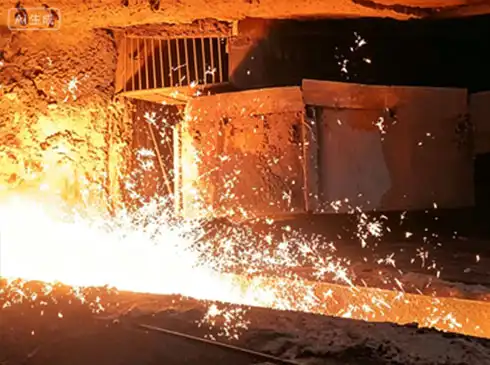
Case Study: Successful Overall Blast Furnace Renovation Projects
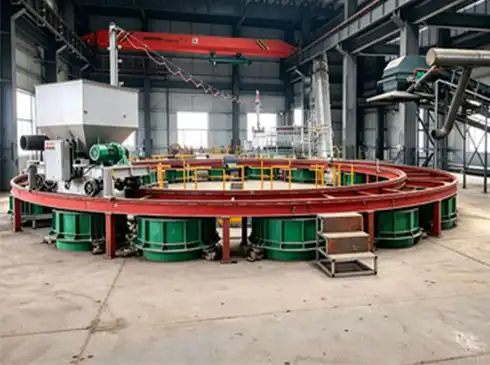
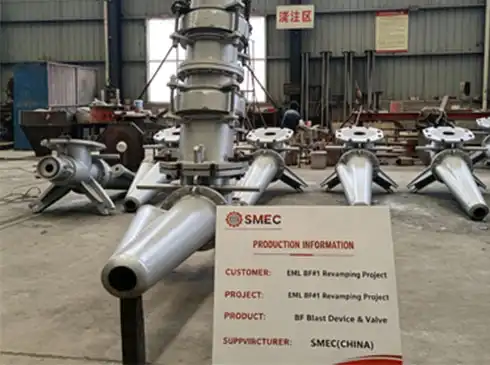
OEM vs Standard Blast Furnace Vent Valves: Which Is Better?
Blast Furnace Riser Pipe Failures: Causes, Prevention, and Best Practices