Complete Process of Blast Furnace Slag Utilization
Understanding Blast Furnace Slag: Properties and Environmental Benefits
- Understanding Blast Furnace Slag: Properties and Environmental Benefits
- SMEC's Eight-Stage Full-Chain Slag Resource Management Service
- Comprehensive Utilization Methods for Blast Furnace Slag in Construction
- Comparing Blast Furnace Slag with Alternative Materials
- Procure and Source High-Quality Blast Furnace Slag: Best Practices for B2B Buyers
- Case Studies and Future Outlook on Blast Furnace Slag Utilization
- Conclusion
- FAQ
- Partner with SMEC for Complete Slag Resource Solutions
- References
The resource utilization of blast furnace slag transforms industrial waste into valuable construction and engineering materials through systematic processing. During iron smelting, molten slag is rapidly cooled through water quenching or air-cooling methods to create granulated material with latent hydraulic properties. This byproduct, rich in calcium silicates and aluminosilicates, becomes ground granulated blast furnace slag (GGBFS) after grinding to specific fineness levels. The complete utilization process addresses critical environmental challenges while generating revenue streams, reducing landfill burden, and lowering carbon emissions associated with traditional cement production by up to 70% per ton replaced.
Understanding Blast Furnace Slag: Properties and Environmental Benefits
Industrial trash is converted into useful building and engineering products through the resource utilization of blast furnace slag through methodical processing. When iron is smelted, water quenching or air cooling are used to quickly cool the liquid slag, which turns it into granules that have hidden hydraulic qualities. After being ground to a certain level of sharpness, this waste product, which is high in calcium silicates and aluminosilicates, is called ground granulated blast furnace slag (GGBFS). The whole process solves important environmental problems, brings in money, lessens the amount of trash that ends up in landfills, and cuts carbon emissions from making standard cement by up to 70% per tonne that is replaced.
Chemical Composition and Physical Characteristics
Blast furnace slag has specific chemical properties that show what kind of use it has in industry. CaO makes up about 35–45% of the material, SiO2 makes up 30–40%, Al2O3 makes up 10–18%, and MgO makes up 5–15%. When processed correctly, this mixture has latent hydraulic activity. X-ray diffraction research shows that the structure that forms when something is quickly cooled is glassy and not solid. It has more than 90% glass content. When the slag is ground to a Blaine fineness of 400–600 m³/kg, it reacts with Portland cement in ways that make concrete stronger. Controlling the fineness is very important during processing because the specific surface area is directly related to the rate at which strength builds up.
Environmental Impact Reduction
Steel companies are under more and more pressure to handle industry waste in a responsible way. By turning slag waste into extra cementitious materials, millions of tonnes of waste are kept from taking up valuable land every year. When GGBFS is used instead of regular Portland cement, about 0.9 to 1.0 tonnes of CO₂ are saved during the clinker production process. In addition to lowering carbon emissions, using slag saves resources like limestone and clay that are usually used to make cement. The closed-loop method turns the costs of dumping into ways to make money while also following stricter environmental rules. Companies that use full slag management systems show real progress toward the environmental goals needed by government agencies and corporate responsibility frameworks.
Workplace Safety Considerations
To keep people and tools safe, handling molten and processed slag needs strict safety rules. Fresh slag is hotter than 1,400°C, so it needs to be cooled in a controlled way to avoid the risk of uncontrolled burning. During grinding and handling, dust control systems keep workers from breathing in crystalline silica. OSHA rules say that processing areas must have enough ventilation to keep the air quality at a certain level. Specifications for personal safety equipment include clothes that can handle heat in areas where hot slag is handled and respiratory protection during mechanical processes. Environmental monitoring on a regular basis makes sure that exposure limits are followed at work, protecting both employees and the communities around the workplace from possible health risks.
SMEC's Eight-Stage Full-Chain Slag Resource Management Service
SMEC has a full solution for steel mills that want to process slag without investing or running anything in resource utilization of blast furnace slag. Our integrated approach to slag conversion lets steelmakers focus on their core activities while we manage the entire resource recovery cycle.
The comprehensive service model eliminates steel mill capital costs. We supply personnel, tools, materials, vehicles, and deep-processing equipment to maintain operations. Without spending money on equipment or monitoring activities, steel plant managers can start making money and complying with environmental laws. Through application in numerous metallurgical locations, this eight-step process has been developed and proven to function in a variety of production scenarios.
Stage One: Source Collection and Aggregation
Our teams set up at the tapping floors of blast furnaces, slag runners, and slag yards to get the material as soon as it is made. Molten slag, cooled water-quenched material, and slag heaps built up over years of operation all need special tools to handle them. The collection protocol makes sure that everything is taken care of every day and that nothing builds up on-site. This stops storage problems that could threaten facility safety and environmental compliance. Hydraulic excavators with heat-resistant attachments move new material to areas set aside for cooling, while tracked loaders pack down older dumps so they can be processed in a more organized way. Collection crews and furnace operations work together in real time to keep the production flow going smoothly.
Stage Two: Safe Cooling and Stabilization
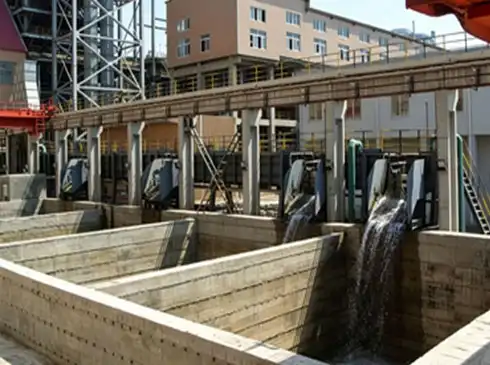
Controlled quenching of high-temperature liquid slag is done with precise water spray systems that drop temperatures from 1,400°C to below 100°C in minutes. Enclosed cooling rooms stop the production of steam and stop the release of heat into the atmosphere that could start localized fires. The fast cooling process makes the amorphous glass structure that is needed for final goods to have hydraulic properties. Temperature tracking devices make sure that the material is completely stable before it moves on to the next step in the preparation. This controlled environment gets rid of the explosion risks that come with touching wet slag that hasn't cooled down all the way, which is one of the biggest safety issues in normal slag handling.
Stage Three: Multi-Level Separation and Purification
Sequential sorting methods are used in processing tools to get the most value out of streams of different types of slag. Heavy-duty magnetic separators get rid of ferrous particles, which can be anything from big chunks of metal to tiny drops of iron that are mixed in with the slag. Gravity screening systems sort materials into groups based on their sizes. They send big pieces to breaking circuits and send smaller pieces to grinding mills. The multi-stage method separates materials more than 95% of the time, leaving behind clean slag feedstock that doesn't contain any impurities that could lower the quality of the final product. Automated controls change the separation settings based on the properties of the material in real time, which improves recovery rates across all shifts.
Stage Four: Metallic Iron Recovery and Recirculation
Iron-bearing materials that have been separated are refined even more until they reach metallurgical-grade purity, which means they can be used to refuel blast furnaces. The recovered iron particles, which usually have 85–92% metallic iron, go straight back into the systems that prepare the burden, which lowers the amount of new ore that is needed. This closed-loop recovery saves steelmakers money right away on the cost of raw materials and lessens the environmental impact of mining iron ore. Recovery levels each month often hit 3–5% of the total amount of slag that goes through the plant, which is a big deal for the economy over an entire year. The recycled material fits right into the filling systems that are already in place, so there are no changes to the process or quality issues.
Stage Five: Value-Added Product Manufacturing
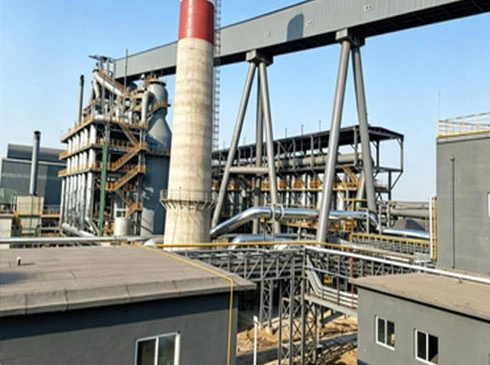
Vertical roller mills or ball mills are used to grind purified slag into GGBFS with surface areas that meet ASTM C989 or EN 15167 standards in resource utilization of blast furnace slag. High-quality slag micropowder for mixing with cements, concrete aggregates graded for specific structural uses, road base materials that meet the requirements of the highway department, and permeable paving materials for long-lasting urban infrastructure are all part of the company's product lines. In quality control labs, tests are done all the time to make sure that the chemical makeup, sharpness modulus, activity index, and moisture content are correct. Customization options for products let grinding settings be changed to meet specific customer needs, such as for ultra-fine cement additives or rougher drainage aggregates.
Stage Six: Regulatory Compliance Documentation
Full traceability systems keep track of the flow of materials from the time they are made until they are distributed as finished goods. Digital platforms keep track of daily production amounts, processing amounts, product grades, and marketing routes in a way that meets the reporting requirements of environmental agencies. Integration with state and federal databases for solid waste management makes reporting to regulatory bodies clear. Every year, audits make sure that the data is correct and that it follows the rules for industry byproduct control. The documentation system meets both environmental protection requirements and quality assurance standards set by customers in the building business further down the line.
Stage Seven: Inventory Management and Commercial Distribution
When a product is finished, it is moved to a covered storage area where it stays in good condition until it is shipped. Sales networks connect companies that make ready-mixed concrete, precast concrete, highway contractors, and cement plants that need extra cementitious materials. Pricing structures are based on how the market is doing right now, and revenue-sharing agreements are set up so that everyone benefits. Monthly financial reconciliation makes it clear how much was sold, how much was realized in prices, and how much profit was distributed. The business turns the cost of getting rid of trash into a source of income, and many systems pay for themselves in less than 24 months.
Stage Eight: Site Standardization and Ongoing Operations
Processing zones get concrete paving, dust control sprinklers, stormwater collection networks, and edge fences. Regular maintenance schedules keep equipment functioning well with little downtime. Environmental tracking ensures noise, water flow, and air quality compliance. Site management guidelines organize material movement and prevent contamination between handling phases. The standard operational approach maintains performance regardless of weather or host facility steel production.
These steps give steel plant managers peace of mind. Only periodic steel producer checks and financial reconciliation are needed for the turnkey solution. This allows technical workers to concentrate on steelmaking. This strategy has worked well for plants under government pressure to remove old waste mounds and improve environmental performance.
Comprehensive Utilization Methods for Blast Furnace Slag in Construction
Performance Enhancement in Concrete Systems
Slag added to concrete mixes makes the concrete last longer and work better over time. The substance mixes with the calcium hydroxide that is released when cement hydrates, creating more calcium silicate hydrate gel that makes the texture of the concrete denser. This pozzolanic reaction keeps going for months after the initial setting, giving strength gains that often beat control mixes at testing times after 90 days and one year. Increasing permeability keeps chloride from getting into embedded steel reinforcement, which increases its service life in coastal settings and de-icing salt exposure situations. Workability improvements let you use less water and cement without changing how the concrete is placed, which is good for both the structure's strength and the finishing process.
Infrastructure and Pavement Applications
Transportation departments are using slag aggregates more and more for highway construction in the resource utilization of blast furnace slag because they have better mechanical properties and drainage. The angular shape of the particles makes it easy for them to interlock in unbound base layers, so they don't bend when there is a lot of traffic. Using air-cooled slag to make high-friction surfaces shortens the distance needed to stop in wet situations, which raises safety standards for roads. Soil stabilisation projects use finely ground materials to change the subgrade's bearing capacity. This cuts down on the amount of dig needed and speeds up the building schedule. Using slag aggregates in permeable pavement systems helps control stormwater runoff while meeting the load-bearing needs of parking lots and low-volume roads.
Comparing Blast Furnace Slag with Alternative Materials
Performance Metrics Against Fly Ash and Silica Fume
To choose the right material, you need to know what benefits each extra cementitious material gives to concrete systems. When it's cold outside, slag usually works better than fly ash at activation, and it keeps building strength at acceptable levels when temperatures drop. The substance is more resistant to sulfates than regular Portland cement, but silica fume works better in very harsh chemical conditions. Because it is cheaper, slag is more common in places where steel is made, while fly ash is more common where coal-fired power plants are. At 28 days, the activity index for quality slag always reaches 95–115% of the strength of control concrete. This shows that the mix designs work reliably.
Economic Analysis for B2B Procurement
Instead of just looking at unit prices, procurement professionals need to look at the total costs over the whole lifecycle. Because slag makes things last longer, they don't need to be maintained as often and can be replaced more often. The modest cost structure of the material makes it competitive with both new cement and other additional materials. Bulk buying deals keep prices stable over the course of multiple years, which makes budgeting for big building projects easier. Logistics for transportation have a big effect on delivered costs, which is why local sourcing relationships are useful for keeping supply chain costs low. Regular quality from well-known suppliers lowers the number of tests that need to be done and the chance that specifications won't be met, which can cause project schedule delays.
Procure and Source High-Quality Blast Furnace Slag: Best Practices for B2B Buyers
Supplier Qualification Criteria
To find reliable material sources, production skills and quality control methods need to be checked. Certified providers follow the ISO 9001 quality standards and the ISO 14001 environmental management systems, which shows that their businesses are mature. Third-party testing center ties let you check the product specs that are written in technical data sheets without having to rely on the manufacturer. Site visits to processing facilities show how well the equipment is maintained, how well the facilities are kept clean, and how well inventory is managed. All of these things show how reliable the source is. Checking references with current customers shows a history of delivery performance and how well the company responds to quality concerns. To protect the project's interests, the contract should spell out acceptance testing procedures, delivery dates, and ways to fix materials that don't meet the requirements.
Logistics and International Trade Considerations
When you buy something across a border, you have to figure out how to deal with different customs classifications, import taxes, and phytosanitary requirements. For slag, there are usually certain Harmonized System codes that tell you the tariff rates and paperwork you need to send. To avoid complaints for being overweight and to make sure the container stays stable during ocean transport, the specs must take into account the material's density and moisture content. The terms of a letter of credit should make sure that payment responsibilities are in line with quality checks and delivery confirmations. Freight forwarders who work with industrial bulk materials can make it easier to clear customs and keep track of all the paperwork. Having good ties with specialized logistics providers can cut down on delays and keep transportation costs low, which can have a big effect on the total landing price.
Case Studies and Future Outlook on Blast Furnace Slag Utilization
Real-World Implementation Results
Large-scale infrastructure projects show how useful it is to use slag in this way. A recent project to fix up a coastal bridge in the southeast of the United States replaced half of the cement with GGBFS. This made the bridge last 75 years longer than planned because it is more resistant to chloride. Compared to normal concrete standards, the project showed that 8,500 tonnes of CO2 emissions were cut down. In the Midwest, slag aggregates were used in more than 40 lane-miles of pavement base layers during highway repair projects. This saved 15% of the cost of using standard limestone and made the drainage better. These implementations give measurable proof points that get procurement over their doubts about using different materials.
Market Evolution and Technology Advancement
Processing technology keeps getting better by adding automation and artificial intelligence in resource utilization of blast furnace slag. Sensor networks keep an eye on the properties of the material in real time and change the grinding settings automatically to keep the goal fineness levels. Predictive maintenance algorithms find patterns of wear in parts before they break, which cuts down on equipment downtime. Market demand forecasts show that it will continue to grow, thanks to laws that require buildings to reduce carbon emissions and green building certifications such as LEED and Envision. Regulatory frameworks are becoming more aware of slag's environmental benefits by giving tax breaks and special requirements for publicly funded projects. When it comes to growing markets for low-carbon building products, companies that are ahead of these trends have a competitive edge.
Conclusion
Using slag resources in its entirety is a way for steelmakers and buyers in the building business to be both environmentally friendly and make money at the same time. Things that were once thrown away can be turned into valuable goods that help build sustainable infrastructure by collecting, cleaning, and selling them in a planned way. SMEC's combined service model gets rid of the usual problems that come up when slag management is put into place. It also provides real financial benefits and meets environmental standards. As carbon reduction and resource conservation become more important in the global construction market, building reliable slag supply relationships helps procurement professionals meet changing requirements and stakeholder expectations.
FAQ
What environmental advantages does slag provide compared to traditional cement?
When you replace Portland cement with ground-granulated blast furnace slag, you lower CO₂ emissions by about 0.9 to 1 tonne per tonne that you replace. This is because making slag as a waste of the steel industry doesn't add much extra carbon to the atmosphere. The material also keeps limestone and clay resources from running out and keeps industrial waste out of landfills.
Can slag aggregates perform reliably in road construction applications?
Because its particles are angular and have a high friction coefficient, air-cooled slag works very well in highway base layers. Compared to regular broken stone, this material is better at holding weight and draining water. It has also been used for decades in high-traffic areas and has been shown to last.
How should buyers evaluate potential slag suppliers?
People who work in procurement should make sure that the company has the right ISO certifications, look over the test results from an independent lab, inspect the building, and call references from past clients. Suppliers that can handle big building projects that last for years can be told apart by their consistent quality, dependability in delivery, and expert support.
Partner with SMEC for Complete Slag Resource Solutions
Through our eight-stage resource management system, SMEC offers the best knowledge in the industry when it comes to handling blast furnace slag. Our "turnkey" approach gets rid of the need for capital investments and turns waste into money-making materials. Steel makers gain from following all environmental rules, getting rid of old stockpiles, and setting up profit-sharing plans that make facilities more profitable. Buyers in the construction industry can get certified, high-quality slag products through our well-established distribution networks. These networks are backed by strict quality control and technical support.
Get in touch with our foreign trade experts at project@smec.cc to talk about your unique needs for slag utilization equipment or a steady supply of materials. As an experienced resource utilization of blast furnace slag supplier, we provide customized solutions addressing unique operational challenges across coking plants, steel mills, and metallurgical facilities. Our engineering team offers site assessments, feasibility studies, and implementation planning that accelerate project timelines from concept to commercial operation.
Find out how SMEC's tried-and-true technology and top-notch operations can turn your slag management problems into long-term profit centers. Ask for detailed technical specs, case studies of past projects, and business proposals that are made to fit the production profile and environmental goals of your facility.
References
1. American Society for Testing and Materials. (2021). "Standard Specification for Slag Cement for Use in Concrete and Mortars." ASTM C989/C989M-21, West Conshohocken, PA.
2. European Committee for Standardization. (2020). "Ground Granulated Blast Furnace Slag for Use in Concrete, Mortar and Grout – Definitions, Specifications and Conformity Criteria." EN 15167-1:2020, Brussels, Belgium.
3. National Slag Association. (2022). "Slag: The High Performance Aggregate." Technical Report on Construction Applications, Pleasant Grove, Utah.
4. Xu, A., and Sarker, P. (2019). "Microstructural Development in Blast Furnace Slag Concrete: Effect of Curing Regimes." Journal of Materials in Civil Engineering, Vol. 31, No. 8.
5. International Energy Agency. (2023). "Technology Roadmap: Low-Carbon Transition in the Cement Industry. "Clean Energy Technology Assessment, Paris, France.
6. Highway Research Board. (2022). "Performance Evaluation of Steel Slag Aggregates in Highway Pavements." Transportation Research Record 2673, Washington, DC.
Free consultation & volume discounts available
SEMC focuses on the entire metallurgical process—from coking, ironmaking, and steelmaking to continuous casting and rolling. Whether you face challenges related to equipment upgrades, energy efficiency optimization, or overall process transformation, please fill in the following information. Our technical team will provide you with tailor-made high-end equipment upgrade solutions and professional EPC design services to help your project be implemented efficiently.
Recommended Blog
Why Modern Steel Plants Use Automatic Drill Rod Replacement Devices
Comparing Different Types of Blast Furnace Tuyere Equipment
Innovative Tuyere Imaging Technologies: Remote Monitoring in Extreme Heat
OEM Feeding Hopper for Blast Furnace BLT Equipment: Benefits and Applications