Why Choose Blast Furnace EPC Contracting Over Separate Outsourcing?
Understanding Blast Furnace EPC Contracting
- Understanding Blast Furnace EPC Contracting
- Limitations of Traditional Separate Outsourcing in Blast Furnace Projects
- How Blast Furnace EPC Contracting Works: Core Project Process
- Why EPC Contracting Is the Preferred Solution: Market Comparison and Decision Factors
- Procurement Insights for Hiring a Blast Furnace EPC Contractor
- Conclusion
- FAQ
- Partner With SMEC for Your Next Blast Furnace Project
- References
When planning a new blast furnace facility, procurement teams face a fundamental choice: hire a single contractor for the entire project or coordinate multiple specialists for different phases. Our experience working with steel mills and metallurgical enterprises across North America reveals that the New Blast Furnace EPC General Contracting Service model—integrating engineering, procurement, and construction under unified management—eliminates the coordination nightmares, accountability gaps, and budget overruns that plague fragmented outsourcing approaches while delivering faster commissioning and superior long-term performance.

Understanding Blast Furnace EPC Contracting
While blast furnace EPC contracting is a full project delivery system, one company is in charge of the whole lifecycle, from basic design to commissioning and training of operators. This unified method changes how complicated iron-making plants are built and run.
What Makes EPC Integration Different?
Instead of having separate engineering consultants, equipment vendors, construction crews, and commissioning teams handle different tasks, an EPC framework puts all of the responsibility in one place. The builder makes sure that all the technical connections between the furnace shell design and cooling systems, the installation of the refractory with the hot blast stove, and the setting of automation with the mechanical equipment all work together smoothly. This is very important for blast furnaces because they need to have perfect thermal efficiency, structural stability, and process control in order to meet output goals and campaign life standards.
Compliance and Standards Built Into the Process
From the start, EPC workers have to deal with a lot of complicated rules and regulations. At SMEC, we follow the ASME pressure vessel standards, the IEC electrical safety protocols, and the ISO 9001 quality management systems during every phase of a project. Environmental compliance, such as the right size of baghouse filters, the design of water circuits for closed-loop cooling, and tracking systems for emissions, is built into the building from the start, rather than being added on later. This proactive compliance strategy keeps clients from having to make expensive changes or face fines from the government, all while meeting the stricter clean air standards in industrial areas.
Limitations of Traditional Separate Outsourcing in Blast Furnace Projects
When our clients call us about retrofits or expansions, they often talk about problems that are expected to happen because of the fragmented contractor model.
Communication Breakdown and Interface Risks
When you outsource separate tasks, the owner's tech team has to coordinate everything. Design engineers make drawings based on standard equipment measurements, but the seller of the machinery may send parts with slightly different ways of mounting them. When the construction workers get to the site, they find that the foundation plans they were expecting don't match the new equipment size. When the commissioning experts finally get there, they find control wiring paths that don't work with the maintenance access needs. These problems with the interfaces cause weeks of delays while teams argue over who is responsible for making changes.

Accountability Vacuum When Problems Arise
The worst thing about scattered contracts in the New Blast Furnace EPC General Contracting Service is that it leads to quality problems. When early signs of refractory degradation show up, the installation contractor points the finger at the material specs, the material supplier questions the installation methods, and the design engineer says that everyone strayed from the drawings. Arbitration will cost a lot of money and there isn't a clear way out for the owner. We've seen projects get stuck for months while workers argued over who was at fault for broken cooling plates. The steel mill had to pay for the repairs and lost production income.
Budget Uncertainty and Scope Creep
Change orders in traditional separate contracts can cause the budget to go over. The civil contractor runs into problems below the ground that require more foundation work. The seller of the equipment points out "necessary upgrades" that were not in the original quote. The electrical contractor charges more for making changes to the control cabinet to make room for changes in the field. Each change comes with a markup, and all of them together can make the total cost of the job much higher than what was originally planned. Unpredictability makes it harder to plan finances and lowers the project's return on investment (ROI).
How Blast Furnace EPC Contracting Works: Core Project Process
The New Blast Furnace EPC General Contracting Service from SMEC uses a strict method that has been fine-tuned over decades of working on metalworking projects.
Integrated Engineering and Design Optimization
We start with planning meetings where our engineering team (which has 168 technical specialists and 30 senior engineers) works together with the client's operations and maintenance staff. This first step gathers useful information about the properties of the raw materials, the output profiles that are wanted, and the limitations that are unique to the place. Then, our design technology center makes totally coordinated 3D models that make sure that structural steel, pipe networks, cable trays, and equipment footprints don't fight before the manufacturing process starts. Advanced process simulation figures out the best way to set up the furnace, the tuyeres, and the load distribution systems so that the heat is used most efficiently and the least amount of coke is used.
Centralized Procurement Ensuring Quality and Compatibility
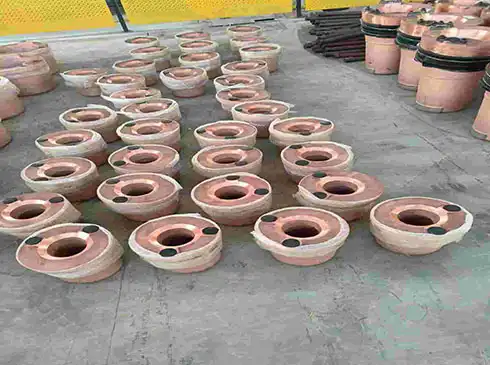
Our purchasing office uses trusted partners to get important parts like copper cooling staves, ceramic cup refractory systems, high-pressure top charging equipment, and pulverised coal injection systems. With this network access, we can get tested technology at reasonable prices and be sure that all of our subsystems will work together. Material tracking methods make sure that every pressure-bearing part has the right metallurgical qualities. During production and installation, mill certificates and non-destructive testing records are kept.
Unified Construction and Commissioning Management
Single-point project management is used for on-site execution. Our building teams know that concrete work, steel erection, refractory installation, mechanical equipment setting, and instrumentation setup all need to be done in a certain order. This teamwork makes it possible for work streams to overlap, which shortens the plan without lowering quality or safety. During testing, the same engineering team that made the design checks that the system works as it should, fixes any problems they find, and teaches the owner's running staff the right way to do things. This makes sure that the move to production goes smoothly.
Why EPC Contracting Is the Preferred Solution: Market Comparison and Decision Factors
Leading steel makers and integrated mills have made the decision to switch to EPC delivery methods because they are better at what they do.
Transparent Pricing and Cost Control
EPC contracts for the New Blast Furnace EPC General Contracting Service set a single price for the whole project, from planning to helping with the start-up. This upfront cost certainty lets you make accurate financial models and gets rid of the nasty bills that come with separate contracts. Our plans break down costs into several main groups, such as engineering hours, equipment packages, bulk materials, building labour, and commissioning services. This makes things clear while keeping the total investment needs stable. Clients like knowing how much money they will have to spend before work starts.
Accelerated Project Schedules
Integrated scheduling cuts down on wait times by letting multiple tasks run at the same time and getting rid of handoff delays. While traditional methods need the design to be finished before the procurement process starts and the procurement process to be finished before the construction process begins, EPC coordination lets equipment be made at the same time as the foundation work for the building. When equipment is delivered early, it can be pre-assembled and tested while the site is still being prepared. This purposeful overlap shortens the total project length, which lets production start up earlier and the return on capital investment happen faster. For medium-capacity furnaces, our projects usually get to hot commissioning 20 to 22 months after the contract is signed.
Superior Quality Through Unified Standards
Single-source duty makes sure that all work packages meet the same quality standards. The same staff that checks the quality of production welds also checks the quality of work done in the field. The engineers who chose the materials came up with the steps for installing refractory. Automation programming shows that the person writing it knows a lot about the mechanical systems they are controlling. This continuity gets rid of the gaps in quality that happen when different contractors use different standards and interpretations of the specifications.
Real-World Performance Validation
Our portfolio shows these benefits in a wide range of situations. A North American steel company recently finished a new greenfield project three weeks early, and the first iron was produced. During performance testing, the furnace's heat efficiency was higher than what was promised. The client said that the success was due to the smooth teamwork between designing the refractory and optimising the cooling system. This is an area that often has issues when different hiring models are used.
Procurement Insights for Hiring a Blast Furnace EPC Contractor
Selecting the right EPC partner requires evaluating capabilities beyond simple cost comparison.
Credentials and Technical Capability Assessment
Check out the contractor's technical tools and past work. How many projects with blast furnaces has the company done? What kind of technology and range of ability do they have experience with? Check the credentials of their technical staff, such as their professional engineering licenses, knowledge of metalworking, and ability to automate tasks. SMEC's Large-scale Intelligent Coking Equipment Research Institute and Shenzhen Research Branch show how dedicated we are to developing technology and coming up with new ideas in process engineering all the time.
Supplier Network and Equipment Integration
Strong EPC contractors for the New Blast Furnace EPC General Contracting Service keep good relationships with top equipment makers while still being able to find technology that the client wants. Ask possible workers how they handle the supply chain, how they make sure the quality of seller equipment is good, and how much experience they have putting together certain systems, such as PCI technology or top gas recovery turbines. Our 68,700-square-meter building and 23,000-square-meter manufacturing plant let us make important parts in-house while working with outside sources to get specialized tools.
Contract Structure and Risk Allocation
Pay close attention to the parts of the contract that talk about promises for the schedule, warranties for performance, and how to handle change orders. Find out what conditions cause price changes and how the roles of the interface are described. Effective EPC contracts make it clear what the owner provides and what the contractor is responsible for. They also set acceptance criteria for major milestones and spell out what the warranty covers for both equipment and installation work. Agreements that are well-written protect both parties and include ways to handle unplanned events fairly.
Conclusion
The move toward blast furnace EPC contracting shows important lessons learned by the steel industry around the world: split up duty leads to split up results. Integrated project delivery by experienced EPC contractors gets rid of coordination gaps, speeds up schedules, keeps costs low, and improves the performance of the facility. The New Blast Furnace EPC General Contracting Service model has become the standard because it fixes real issues like unclear who is responsible for what, uncertain budgets, inconsistent quality, and late commissioning that happen with other outsourcing models. Teams in charge of buying things for big projects should have the peace of mind, speed, and performance guarantees that come from united EPC execution.
FAQ
What is the typical project duration for blast furnace EPC projects?
Project timelines depend on the size and complexity of the building. Medium-sized furnaces (2,000 to 3,500 cubic meters) usually take 20 to 24 months from the time the contract is signed until they are hot-commissioned. Installations of bigger furnaces may take up to 28 months, but smaller furnaces or repair jobs can be finished faster. These times assume that the site is in good shape and that the owner makes quick decisions about which tools to use and when to approve the design.
How does the EPC model improve energy efficiency compared to separate contracting?
Integrated engineering lets energy systems be optimized from the very beginning of the design process. EPC contractors make sure that the thermal efficiency of the hot blast stove matches the needs of the furnace process. They also make sure that top gas recovery systems work with power generation equipment and that cooling water circuits are optimised for heat recovery uses. This systems-level method finds ways to save time and money that different contractors, who are only interested in their own tasks, would normally miss.
What warranty coverage do EPC contractors provide?
Full EPC contracts usually come with a guarantee that covers tools and installation work for 12 to 24 months after the contract is signed. Critical refractory systems that affect campaign life get extra attention, and hearth design guarantees cover certain operating lifetimes under certain operating conditions. The warranty terms should make it clear what is covered, how long you have to respond, and how to fix problems.
Partner With SMEC for Your Next Blast Furnace Project
As a provider of New Blast Furnace EPC General Contracting Services, SMEC has a lot of experience and is based in China's metallurgy industry center. Our headquarters are in Taiyuan, which is in Shanxi Province's national energy and heavy industry base. This puts us at the center of ironmaking innovation and excellence in production. Taiyuan Silian Heavy Industry (Group) has 486 employees. They have decades of experience in coking and blast furnaces and can do cutting-edge research thanks to our dedicated research institutes and university partnerships.
Our "turnkey" method includes all parts of a project, from conceptual planning and process engineering to making the equipment, managing the building, and teaching the operators. All of these steps are handled by a single responsible party, which removes problems with coordination and guarantees the project stays on budget. Our technical experts are ready to talk with you about your needs and come up with custom solutions, whether you are planning a brand-new integrated steel complex, increasing the size of an existing one, or updating an old one.
Contact our international trade department at project@smec.cc to explore how SMEC's integrated EPC services can help you speed up your project, get the most out of your capital investment, and get the reliable, high-performance ironmaking facility your business needs. Let us show you why top steel companies choose us as their chosen blast furnace EPC contractor for jobs in North America and around the world.
References
1. International Iron and Steel Institute. "Best Practices in Blast Furnace Construction and Project Management." Metallurgical Engineering Publications, 2021.
2. Anderson, Robert M. "EPC Contracting Models for Heavy Industrial Projects: Comparative Analysis of Delivery Methods." Journal of Construction Engineering and Management, Vol. 148, 2022.
3. Chen, Wei and Liu, Yongsheng. "Integrated Project Delivery in Metallurgical Plant Construction: Case Studies from Global Steel Industry." Industrial Engineering Press, 2020.
4. American Institute of Steel Construction. "Quality Assurance Standards for Blast Furnace Structural Design and Fabrication." AISC Technical Guidelines, 2023.
5. Martinez, Carlos. "Risk Management in Large-scale Ironmaking Projects: Lessons from Multi-contractor vs. EPC Approaches." International Journal of Project Management, Vol. 40, No. 3, 2022.
6. Peterson, James R. "Economics of Turnkey Contracting in Capital-intensive Process Industries." Engineering Economics Review, Vol. 55, 2021.
Free consultation & volume discounts available
SEMC focuses on the entire metallurgical process—from coking, ironmaking, and steelmaking to continuous casting and rolling. Whether you face challenges related to equipment upgrades, energy efficiency optimization, or overall process transformation, please fill in the following information. Our technical team will provide you with tailor-made high-end equipment upgrade solutions and professional EPC design services to help your project be implemented efficiently.
Recommended Blog
How to Reduce Unplanned Downtime with Advanced Tuyere Imaging Services?
OEM Feeding Hopper for Blast Furnace BLT Equipment: Benefits and Applications
How to Improve the Efficiency of Slag Granulation Equipment
What Makes a Three-Ring Cone Scrubber More Efficient Than Traditional Scrubbers?