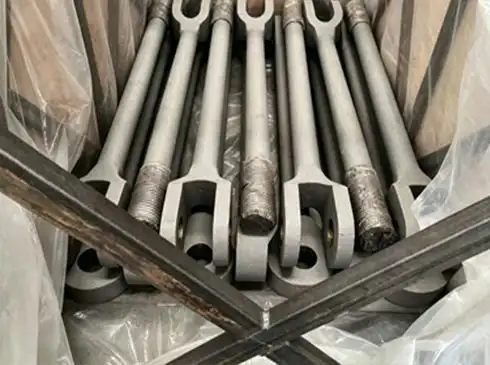
Can Hydraulic Clay Gun Adapt to Different Blast Furnace Taphole Sizes?
Can Hydraulic Clay Gun Adapt to Different Blast Furnace Taphole Sizes?
Understanding Hydraulic Clay Guns in Blast Furnace Cast Houses
- Understanding Hydraulic Clay Guns in Blast Furnace Cast Houses
- Challenges With Different Taphole Sizes in Blast Furnace Operations
- How to Choose the Right Hydraulic Clay Gun for Different Taphole Sizes?
- Maintenance and Safety Practices for Hydraulic Clay Guns in Variable Size Applications
- Benefits of Using Adaptable Hydraulic Clay Guns for Blast Furnace Efficiency
- SMEC Hydraulic Clay Gun: Full-Range Taphole Adaptability
- Conclusion
- FAQ
- Partner With SMEC for Hydraulic Clay Gun Solutions That Fit Every Furnace
- References
Yes — and this is one of the most practical questions procurement engineers and plant operators ask when evaluating cast house equipment. The short answer is that a well-engineered hydraulic clay gun for blast furnace cast house applications can absolutely adapt to different taphole sizes, provided it features adjustable nozzle heads, variable hydraulic pressure control, and a modular installation interface. Modern designs from qualified manufacturers cover the full range of blast furnace volumes and taphole geometries, making them viable for both new construction and retrofit scenarios.

Understanding Hydraulic Clay Guns in Blast Furnace Cast Houses
How the Sealing Mechanism Works?
High-pressure hydraulic pistons move refractory clay, which is usually dry taphole mass, into the taphole opening after each tapping cycle. This is how a hydraulic clay gun for blast furnace cast house works. When the gun is close to the taphole frame, the injection tip sends clay at a controlled pressure and stroke depth. This makes a thick plug that can stand up to molten iron pressure until the next tapping.
Precision is what sets hydraulic systems apart from their mechanical predecessors. The operators can set the injection pressure, stroke length, and location of the nozzle on their own. This amount of control is very important when the width or depth of the taphole changes between heats, which happens a lot in blast furnaces that are in use.
Some important design elements that make something adaptable are:
- Adjustable nozzle head geometry: Allows for different taphole diameters without having to switch out all the equipment, which speeds up the reconfiguration process on-site.
- Variable hydraulic pressure output: Keeps clay density the same at all taphole levels and furnace sizes, which protects the integrity of the refractory.
- Modular mounting interface: Standardized connection points make installation easier on both old cast-iron buildings and new platforms, which makes retrofitting easier.
All of these features work together to cut down on switching time and protect taphole refractory from incomplete seals, which are a major cause of unplanned downtime.
Challenges With Different Taphole Sizes in Blast Furnace Operations
Why Taphole Variability Creates Real Operational Risk?
Taphole sizes don't stay the same very often. Continuous temperature cycling, iron flow erosion, and refractory relining every so often all change the taphole's useful width and depth over time. In a 3,000 m³ blast furnace, the diameter of the tapholes could change by a few millimeters between campaigns. This is big enough for a fixed-size clay gun to fail the seal.
In the past, mechanical clay guns weren't flexible enough to make adjustments. Because of fixed nozzle sizes and limited stroke adjustment, operators had to either settle for less-than-ideal sealing or do the shimming by hand, which can be dangerous and results in uneven clay plug quality. If the seals aren't full, iron could leak out of the taphole face, which could be dangerous and damage the floors of the cast house.
With hydraulic clay gun for blast furnace cast house versions that have dynamic pressure control, you don't have to guess. Real-life data from integrated steel mills shows that hydraulic taphole closing systems with changeable parameters cut down on delays caused by tapholes by a large amount compared to older mechanical setups. This is especially true for high-production furnaces that tap several times a day.
How to Choose the Right Hydraulic Clay Gun for Different Taphole Sizes?
Matching Equipment Specifications to Your Furnace Profile
To choose the right hydraulic clay gun for blast furnace cast house, you need to know three main things: the range of taphole diameters, the required injection pressure, and how well the equipment works with the clay. A 300-m³ furnace needs a very different input force and clay amount than a 5,000-m³ large-scale ironmaking unit.
Here are the most important selection factors that procurement experts with a lot of knowledge use:
- Taphole diameter coverage: Make sure that the gun's nozzle adjustment range matches the operating diameter of your taphole during the whole campaign, not just when it's being rebuilt.
- Injection pressure range: Make sure the hydraulic system can keep the pressure the same at different taphole levels and clay viscosities, especially for mixes that don't contain water.
- Clay compatibility: Different types of refractory clay react differently to pressure, so make sure the gun's cylinder design can handle the taphole mass you want to use without wearing out too quickly.
- Supplier customization capability: To lower installation risk, it's important to work with a maker that offers engineered-to-order setups, standardized retrofit interfaces, and dedicated testing support.
These factors are just as important for EPC workers who are planning the layout of new cast houses as they are for plant engineers who are updating old equipment on furnaces that are already in use. Total lifecycle risk is further reduced by a supplier who offers documented after-sales service coverage and spare parts availability.
Maintenance and Safety Practices for Hydraulic Clay Guns in Variable Size Applications
Keeping Adaptable Systems Running at Peak Performance
Different taphole sizes put extra stress on the parts of the hydraulic clay gun for blast furnace cast house that deal with it, especially the nozzle head, hydraulic seals, and clay cylinder lining. It is necessary to have an organized repair schedule because it is the difference between expected performance and breakdowns that happen during busy tapping.

Checking the quality of the hydraulic fluid is important for maintaining the machine because contaminated fluid speeds up the wear of the seals, checking the nozzle head for erosion on a regular basis, and cleaning the barrel of clay residue after each heat to keep it from hardening. During routine repair windows for the cast house, the stability of the hydraulic pressure lines should be checked.
For safety reasons, any mechanical changes to the nozzle shape or stroke settings must be done according to written lockout-tagout processes. Before any repair work is done on the clay cylinder or injection device, the hydraulic pressure must be fully released. A lot less damage to equipment and injuries to people are likely to happen during size reconfiguration tasks if operators are trained on adjustment protocols as well as routine operation.
Benefits of Using Adaptable Hydraulic Clay Guns for Blast Furnace Efficiency
Operational Flexibility That Pays for Itself
Adjustable hydraulic clay guns for blast furnace cast houses give measurable results that manual or fixed-size guns can't match. Faster tapping frequency capacity is directly increased by faster tapping hole closing cycles, and solid clay plug formation lowers the amount of refractory used around the taphole.
Long-term costs are better because maintenance is done less often, emergency repairs are less likely to happen, and equipment lasts longer. This means that the total cost of ownership is lower than with mechanical or first-generation hydraulic systems. Automation integration, in which the operation of the clay gun syncs with the control systems in the casting house, is a new feature that cuts down on manual work even more and makes it easier to track data for predictive maintenance programs.
SMEC Hydraulic Clay Gun: Full-Range Taphole Adaptability
That's why SMEC's hydraulic clay gun for blast furnace cast house uses can work with blast furnace amounts ranging from 300 m³ to 5,000 m³, and it can handle all taphole sizes used in ironmaking around the world. The size of the nozzle head, the injection stroke, and the hydraulic pressure output can all be changed to fit the width of the taphole, the volume of the furnace, and the tapping rate of each installation.
For projects that want to fix up older blast furnaces, SMEC's standard mounting interface lets existing mechanical or hydraulic clay guns be replaced right in place. The cast house steel frame, hydraulic pipes, or control system don't need to be changed in a big way. This means short installation windows, low upgrade costs, and easy setup, all of which are very important for plants that need to keep running and can't afford long periods of downtime.
For new blast furnace projects, SMEC works directly with EPC contractors during the cast house planning phase to create a custom installation plan that fits with the general schedule of the building project.
Conclusion
Any hydraulic clay gun for blast furnace cast house will have to deal with taphole sizes that change over time. These problems can be solved with hydraulic clay guns for blast furnace cast houses that have nozzle shapes that can be changed, pressure controls that can be changed, and standard mounting interfaces. These guns can be used for both new installations and equipment upgrades on furnaces that are already in use. SMEC's solution works with all 300–5,000 m³ furnaces and has parameters that can be set individually. It provides a safe and reliable way to seal all tapholes during the whole furnace campaign.
FAQ
Can one hydraulic clay gun model cover all taphole sizes?
Some models, like SMEC's hydraulic clay gun for blast furnace cast house series, have nozzle heads, injection strokes, and pressure outputs that can be changed individually. This means that a single platform can be used for a wide range of taphole diameters and depths in furnaces with volumes from 300 m³ to 5,000 m³. During the technical consultation phase, each project is matched with the right configuration.
What is the recommended maintenance interval for variable-size taphole applications?
Every 3 to 6 months, based on how often the clay is tapped and how rough it is, the hydraulic seal and valve head wear should be checked. Every time you plan to do repair on your cast house, you should check the clay cylinder core.
What are the lead time and customization options?
SMEC can make unique setups with different nozzle sizes, hydraulic clay gun for blast furnace cast house pressure requirements, and mounting options. Lead times depend on the size and type of the job. Get a quote and delivery schedule for your project by emailing project@smec.cc.
Can SMEC's equipment retrofit directly onto an existing cast house?
Yes. The standard installation interface lets old mechanical or hydraulic clay guns be replaced directly in-place, without having to make any structural changes to the cast house.
Partner With SMEC for Hydraulic Clay Gun Solutions That Fit Every Furnace
From 300 m³ to 5,000 m³, SMEC has a hydraulic clay gun for blast furnace cast house manufacturer options. Each parameter can be set to your exact needs, and the gun comes with standard retrofit connections and global after-sales support. Our engineering team can help you with technical questions, custom installation plans, and long-term service, whether you are planning a new cast house or upgrading old equipment. To get a technical proposal for a specific project, email project@smec.cc or go to smecltd.com and ask for one.
References
1. Iron & Steel Technology — AIST, 2021
2. Ironmaking & Steelmaking: Processes, Products and Applications — Maney Publishing, 2019
3. Journal of Iron and Steel Research International — Elsevier, 2022
4. Refractory Technology for Blast Furnace Cast House Operations — The Steel Technology Group, 2020
5. Taphole Practice and Refractory Performance in Modern Blast Furnaces — Millennium Steel, 2018
6. Hydraulic Systems in Metallurgical Equipment: Design and Maintenance Standards — Industrial Press, 2020
Free consultation & volume discounts available
SEMC focuses on the entire metallurgical process—from coking, ironmaking, and steelmaking to continuous casting and rolling. Whether you face challenges related to equipment upgrades, energy efficiency optimization, or overall process transformation, please fill in the following information. Our technical team will provide you with tailor-made high-end equipment upgrade solutions and professional EPC design services to help your project be implemented efficiently.
Recommended Blog
Why Is the Upper Sealing Valve Important for BLT Equipment?
_1788860717698.webp)
How to Choose a Blast Furnace Drill Rod Replacement Device Supplier?

How to Choose Durable Blast Furnace Water-Cooled Valves for Long-Term Use?
Why Does a Blast Furnace Taphole Drilling Machine Need a Drill Rod Changer?