Does Tuyere Camera Support Automatic Dust Cleaning and Low Maintenance?
Does Tuyere Camera Support Automatic Dust Cleaning and Low Maintenance?
Understanding Tuyere Cameras and Their Operating Environment
- Understanding Tuyere Cameras and Their Operating Environment
- Automatic Dust Cleaning Technology in High Temperature Resistant Tuyere Cameras
- Maintenance Challenges and Low Maintenance Design Features
- Comparing High Temperature Resistant Tuyere Camera Models With Dust Cleaning Features
- Enhancing Blast Furnace Efficiency Through Automated Dust Cleaning Tuyere Cameras
- Conclusion
- FAQ
- Partner With SMEC for Proven Tuyere Monitoring Solutions
- References
If you have ever wondered whether a high temperature resistant tuyere camera for blast furnace operations can truly handle dust on its own — the short answer is yes. Modern tuyere cameras, especially those developed by SMEC, integrate intelligent high-pressure automatic purging systems paired with fully sealed enclosures. These designs eliminate the need for frequent manual cleaning, keep lens surfaces consistently clear, and protect internal imaging components from particulate intrusion. For coking plants, steel mills, and EPC contractors, this translates directly into lower labor costs, fewer unplanned shutdowns, and more stable furnace monitoring around the clock.

Understanding Tuyere Cameras and Their Operating Environment
Why the Blast Furnace Environment Is So Demanding?
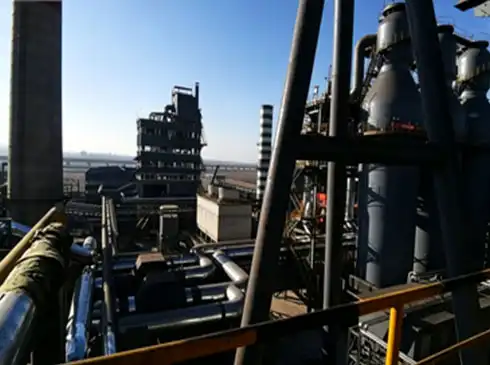
The temperature in the tuyere zone of a blast furnace usually goes above 1600°C. In addition to the heat, workers have to deal with rising levels of dust, slag particles that are rough on the skin, smoke vapor, and pressure spikes that happen from time to time. Any monitoring device put at the tuyere has to be able to handle both high temperatures and a constant flow of tiny particles hitting the optical surfaces within hours of being put in place.
The Cost of Poor Visibility at the Tuyere
When the clarity of the lens decreases, operators can't see the raceway dynamics, which is the swirling combustion zone where the efficiency of pulverized coal injection is measured. Studies on blast furnace instrumentation consistently show that blocked tuyere visuals are linked to slower fault detection, higher coke ratios, and a higher chance of tuyere burnout going unnoticed. That risk of burnout is not small; a broken copper tuyere can cause a huge amount of water to leak into the furnace hearth, which requires long and expensive shutdowns.
Automatic Dust Cleaning Technology in High Temperature Resistant Tuyere Cameras
Cleaning the lens of a high temperature resistant tuyere camera for blast furnace by hand is not only difficult, it's also very dangerous. Technicians have to get close to a furnace that is hot, risk getting burned, and work with fragile sapphire optics while they are under a lot of pressure. Even a small scratch made while cleaning can ruin the quality of a picture for good.
The high temperature resistant tuyere camera for blast furnace on SMEC's blast furnace solves this problem with a smart high-pressure automatic purging system. These are the main things this system can do:
- Customizable purging schedules: The built-in independent purging channel lets operators set timed or intermittent purging cycles based on the dust density at the site. When there are a lot of particles in the air, purge times can be shortened. When the air is better, energy use stays low.
- Multi-contaminant clearance: The system actively removes dust, smoke residue, and fine oil mist from the lens surface at the same time, so the optics stay clear without the need for human touch.
- Full-seal explosion-proof housing: The whole unit has a sealed, dust- and explosion-proof structure with no open spaces. Fine dust and fumes can't get into the inside, which keeps the sapphire glass lens, cooling channels, and electrical parts safe where they start.
All of these features fix what has been one of the biggest problems with watching blast furnaces for a long time: images that are blurry because of dust blockage.
Maintenance Challenges and Low Maintenance Design Features
Traditional Maintenance Burdens Are Significant
Normal high temperature resistant tuyere camera for blast furnace tracking systems need lens wipes once a week, or even every day in places with a lot of dust. When there are no protective cleaning mechanisms, lens replacement cycles are much shorter. Procurement managers and plant engineers have long known that each maintenance event comes with costs for labor, risks of access, and short periods of not being able to watch over things.
How SMEC's Design Breaks That Pattern
SMEC's high temperature resistant tuyere camera for blast furnace completely changes what people expect from upkeep. Because the automatic purging channel takes care of normal lens contamination, there is no need for daily operational interventions. The full-seal enclosure stops particles from getting in at the structural level. This keeps the internal parts safe from both surface dust and the slow infiltration that breaks down thermal dissipation and damages electronics over time.
As part of routine maintenance, the purging system's operational state is checked on a regular basis. This includes checking the air pressure source, the condition of the filters, and the purge cycle logs. Because the care profile of the high temperature resistant tuyere camera for blast furnace is so simple, it can be used in places with small maintenance teams or for remote tracking.
The high temperature resistant tuyere camera for blast furnace has two ways of cooling: vortex tube air cooling and flowing water cooling. This keeps the electronics inside below safe temperatures even when the probe tip is exposed to temperatures close to 2000°C. This temperature control directly makes parts last longer and cuts down on how often they need to be replaced.
Comparing High Temperature Resistant Tuyere Camera Models With Dust Cleaning Features
A lot of different types of people buy furnace tracking cams. Entry-level industrial cameras might only have simple heat protection and cleaning tools built in. Some mid-range options come with simple air blower attachments, but since they don't have sealed housings, dust and other particles still get into the camera body over time.
Because of its unique set of features, SMEC's high temperature resistant tuyere camera for blast furnace stands out. The real difference between professional-grade models and regular ones is shown in the items below:
- Probe material: The probe is made of 316L stainless steel or an Inconel 600 cooling jacket that can withstand high temperatures and pressures for a long time.
- Optical specification: The lens is made of sapphire glass, which lets a lot of infrared light through and doesn't cause any chromatic aberration even when the furnace is lit very brightly.
- Image output: 1080P or 4K quality with ultra-wide dynamic range (WDR) to make images clear even when there is a lot of flame glare.
- Safety mechanism: A fail-safe hydraulic auto-retraction device pulls the camera out in less than two seconds if the pressure in the cooling medium falls below safe levels.
- Certifications: The dustproof and waterproof ratings of IP67 and IP68 were confirmed through standard testing, including hydrostatic jacket pressure tests at 1.5 times the maximum working pressure.
These differences aren't just for looks; they have a real effect on downtime, picture stability, and the total cost of ownership over the course of a service lifecycle that lasts more than one year.
Enhancing Blast Furnace Efficiency Through Automated Dust Cleaning Tuyere Cameras
Clear, continuous images of the tuyere let workers see the depth of the raceway in real time, precisely change the rates of pulverized coal input, and spot early signs of tuyere wall erosion before they get worse. As long as the camera lens is kept clean naturally, this tracking can go on 24 hours a day, every shift.
It is possible to measure the gains in downstream efficiency. Monitoring stable combustion helps keep the coke ratio low by letting you manage the furnace's heat proactively. Unplanned shutdowns can be avoided by finding erosion early on. Technicians can do more important work when they don't have to do as much manual maintenance. Looking ahead, SMEC's monitoring systems naturally fit with Industry 4.0 integration pathways. They support SCADA and DCS connectivity via ONVIF/RTSP protocols and fiber optic signal transmission, making the monitoring infrastructure for digitally driven furnaces ready for the future.

Conclusion
A well-designed high temperature resistant tuyere camera for blast furnace shouldn't make upkeep work harder; instead, it should make it easier. SMEC's way of keeping an eye on blast furnace tuyeres includes smart automatic purging, full-seal dustproof architecture, dual cooling, and fail-safe retraction. These features work together to make a system that doesn't need much operator input. This level of design maturity really makes a difference for steel mills, coking plants, and metallurgical engineering firms that put furnace uptime and lean operations first. It's no longer a question of whether automatic dust cleaning is possible; it is. The question is whether your current tracking system makes it possible.
FAQ
Does the automatic purging system work continuously or on a schedule?
The purging system has a schedule that can be changed to fit your needs. Based on the real dust content on the site, operators can set up timed purging, sporadic purging, or continuous purging. This adaptability keeps compressed air from being used for no reason and keeps the lens clean in a variety of working situations.
Can the camera be integrated with our existing DCS or SCADA system?
Yes. The high temperature resistant tuyere camera for blast furnace from SMEC works with both ONVIF and RTSP protocols, which makes it easy to connect to current control systems. In steel plants with a lot of electrical noise, fiber optic output makes sure that signals can be sent over long distances without any problems.
What is the expected maintenance interval for routine upkeep?
As part of routine maintenance, the air pressure source and filter state of the purging system are checked on a regular basis, and the lubrication of the pneumatic retraction cylinder is checked every three months. Under normal operating conditions, the lenses don't need to be cleaned by hand on a regular basis.
What happens if the cooling system loses pressure during operation?
The fail-safe pneumatic auto-retraction system instantly pulls the camera probe out of the furnace environment in less than 2 seconds, which meets safety standards for protecting instruments at high temperatures.
Partner With SMEC for Proven Tuyere Monitoring Solutions
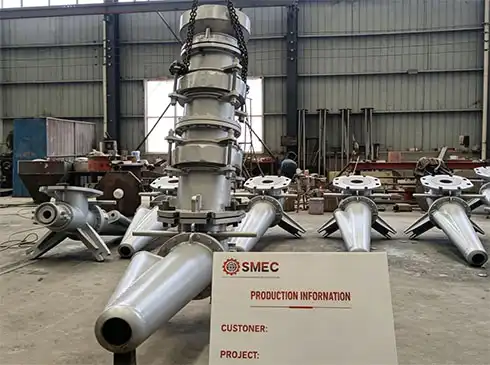
SMEC makes reliable, high-performance high temperature resistant tuyere camera for blast furnace devices that are designed to work in harsh blast furnace conditions. This is a well-known high temperature resistant tuyere camera for blast furnace made by our company. To protect your furnace operations in the long term, we mix precise engineering, rigorous quality testing, and committed after-sales support. Get in touch with our technical team to ask for a product consultation, a review of the specifications, or a proposal for a custom solution. You can visit smecltd.com or email our international team directly at project@smec.cc. We'll get back to you quickly and understand how your business works.
References
1. Iron and Steel Technology — AIST, 2021
2. Journal of Iron and Steel Research International — Elsevier, 2020
3. Steel Times International — Quartz Business Media, 2022
4. Industrial Automation & Process Control — ISA Publications, 2019
5. Ironmaking & Steelmaking: Processes, Products and Applications — Taylor & Francis, 2018
6. Sensors and Actuators A: Physical — Elsevier, 2023
Free consultation & volume discounts available
SEMC focuses on the entire metallurgical process—from coking, ironmaking, and steelmaking to continuous casting and rolling. Whether you face challenges related to equipment upgrades, energy efficiency optimization, or overall process transformation, please fill in the following information. Our technical team will provide you with tailor-made high-end equipment upgrade solutions and professional EPC design services to help your project be implemented efficiently.
Recommended Blog
A Complete Guide to Blast Furnace Riser Pipe Maintenance and Replacement
Does Gas Purification Revamping Require Blast Furnace Shutdown?
How to Choose a Reliable Blast Furnace Vent Valve Manufacturer?
How Blast Furnace Tower Equipment Supports Efficient Ironmaking?
Future of Steelmaking: AI-Powered Blast Furnace Tuyere Imaging Services