Blast Furnace Waste Heat Recovery System: 6 Industrial Applications in Steel Mills
Blast Furnace Waste Heat Recovery System: 6 Industrial Applications in Steel Mills
Introduction
- Introduction
- Understanding Blast Furnace Waste Heat Recovery Systems
- Six Industrial Applications of Waste Heat Recovery in Steel Mills
- Choosing the Right Waste Heat Recovery System for Your Blast Furnace
- Partnering with Trusted Waste Heat Recovery Suppliers
- Optimizing Blast Furnace Waste Heat Recovery Performance
- Conclusion
- FAQ
- Partner with SMEC for Advanced Waste Heat Recovery Solutions
- References
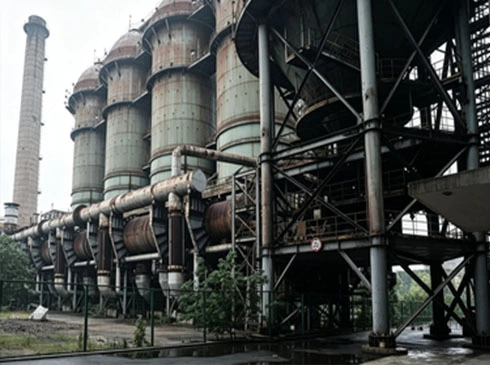
When steel mills operate blast furnaces, massive amounts of thermal energy escape through flue gases—often at temperatures exceeding 350°C. The waste heat recovery of blast furnace hot blast system captures this energy and redirects it back into production processes, cutting fuel consumption by up to 15% per ton of iron. This technology transforms what was once wasted heat into a reliable secondary energy source, directly addressing rising energy costs and tightening environmental regulations across the U.S. steel industry.
Introduction
Running a modern steel mill means combining the need for production with strict rules about using energy efficiently and being good to the environment. Waste heat recovery of blast furnace hot blast systems are a useful way to reach both goals at the same time. These systems lower carbon emissions, depend less on fossil fuels, and make plants more profitable overall by collecting leftover heat from hot blast stove flue gases. Procurement managers and plant engineers know that using advanced heat recovery technologies isn't just the right thing to do to follow the rules; it's also the smart thing to do to gain a competitive edge through lower costs and better environmental credentials.
The parts that follow talk about six main industrial uses of thermal recovery in steel mills, as well as technical selection factors, supplier partnership issues, and ways to make things work better. If you're in charge of an integrated steel mill, an EPC project, or equipment for brownfield retrofits, knowing these basics will help you make decisions that improve energy performance and return on investment in a way that can be measured.
Understanding Blast Furnace Waste Heat Recovery Systems
Core Principles of Thermal Energy Capture
Flue gases from hot blast stoves, which are usually between 250°C and 450°C, give off a lot of waste heat during blast furnace operations. Recovery systems use heat exchanges, like heat pipe technology or plate-type designs, to move thermal energy back into combustion air, fuel gas, or process fluids instead of releasing it directly into the air. This closed-loop method collects useful heat that would otherwise escape, which can increase thermal efficiency by 70% to 80% in well-designed systems.
Different temperatures and surface area contact inside the heat exchanger are what make the basic mechanism work. Hot flue gases move through one side of the exchanger, and cooler combustion air or process fluids move through the other side. These cooler fluids absorb heat through convection and conduction. Heat pipe technology is used in more advanced systems. It uses phase-change materials to achieve superconductivity and constant heat transfer. This reduces temperature differences and increases the efficiency of energy absorption.
Environmental and Economic Benefits
Using waste heat recovery of blast furnace hot blast system has immediate benefits for the environment. Cutting down on fuel gas use lowers CO₂ emissions directly, which helps steel mills meet EPA rules and state climate initiatives. A normal large-scale blast furnace can cut the amount of coke it needs by 5 to 15 kilograms per ton of iron. This means that the whole plant will produce a lot less pollution each year. Also, recovering heat lowers the amount of heat that is released into the environment, which helps clean the air and improve neighborhood ties.
From an economic point of view, the benefits are just as strong. Spending less on fuel directly leads to cost saves, and many systems pay for themselves in 12 to 24 months. In addition to saving fuel, recovered heat can get rid of or cut down on the need for extra heaters. This lowers upkeep costs and makes equipment last longer. Thermal recovery is an important part of modern steel mill operations because it lowers energy costs and makes processes more stable, which increases overall plant profitability.
Six Industrial Applications of Waste Heat Recovery in Steel Mills
The SMEC waste heat recovery of blast furnace hot blast system uses recovered thermal energy in a way that depends on the production priorities. This is called "cascading utilization." The system makes sure that all six possible plant situations are covered, which stops waste heat loss and makes the best use of resources. Let's take a close look at each program.
Application 1: Hot Blast Stove Combustion Air Preheating
The best use of reclaimed heat is to warm up the combustion air for hot blast fires. The method raises the starting temperatures by using high-temperature waste heat to warm up the burning air and blast furnace gas that come into the stove. This directly lowers the amount of fuel gas used in the stove while keeping the blast temperature stable and raising it in the blast furnace. This leads to a lower complete coke ratio at the source, which gives the ironmaking process its best return on investment. This double-preheating effect works best in large integrated steel mills with furnaces that are bigger than 2,500 cubic meters. It helps them reach the very high blast temperatures needed for high-intensity smelting.
Heating the air before it is used in a fire also makes it burn more efficiently and lowers the stress that heat puts on refractory linings. In places where the weather changes a lot, keeping the inlet temperatures stable stops thermal cycles that can damage or crack stove bricks. This application can cut fuel gas use by 10% to 15% on its own, making it the most important part of any waste heat recovery plan.
Application 2: Industrial Process Water and Deionized Water Heating
The cold water systems and deionized water sources used throughout the plant are heated by thermal energy that has been recovered. By heating up the boiler's feedwater and cooling loop fluids ahead of time, the system cuts down on how often the boiler has to start up and on the amount of fuel and electricity it uses. This application helps keep the whole plant running smoothly, especially when temperatures change with the seasons and it's hard to keep process temperatures stable. Being able to heat a lot of water without using separate boilers frees up space and keeps primary heating equipment from wearing out as quickly.
Using recovered heat to heat industrial water also makes the plant more flexible overall. When production is high, thermal energy can be directed to important processes. When production is low, extra heat keeps other systems at the right temperature. This changing distribution makes sure that energy use is always efficient, no matter what the conditions are.
Application 3: Raw Material Preheating and Drying
Blast furnace feedstocks, such as iron ore, powdered ore, and crushed coal, are heated and dried using thermal energy that is recovered from the hot blast system. Getting rid of some of these materials' wetness makes the load column permeability better inside the furnace, which improves gas flow and makes the conditions for smelting better. Also, dryer materials need less energy to heat up, which makes the heater even more efficient and increases the amount of work that can be done. This tool is especially useful in wet places or when working with things that naturally have a lot of water in them.
Preheating the raw materials also helps the furnace run more smoothly. Temperature changes and shocks in the material are less likely to mess up the smelting process when they are stable. This means that the quality of the iron is more reliable and there are fewer rejections. Over time, these changes lead to higher productivity and lower costs per ton of production.
Application 4: Process Heating for Production Areas
In the winter, recovered heat is used instead of traditional industrial heating boilers to heat ironmaking workshops, tapping floors, pump stations, and control rooms. This application cuts down on the use of fossil fuels for temperature control in buildings while keeping workers safe and comfy at work. Heating important work areas with used heat keeps equipment running well and lowers the chance of problems caused by freezing or condensation in cold weather.
Using recovered heat to heat a building shows a commitment to sustainability and resource efficiency, in addition to making the building more comfortable and safe. It also lowers the pressure on outside heating systems, which means less upkeep is needed and regular boilers last longer during heating seasons when they would normally be used all the time.
Application 5: Cross-Facility Energy Sharing
Extra recovered heat can be sent to nearby steelmaking and rolling mills to heat process circulation media and lower the overall energy use of the plant. Sharing energy between facilities makes a network of energy that works well together, so heat made in one area helps make things in another. By making the best use of every unit of recovered heat, this method makes sure that no energy is wasted and helps the company reach its sustainability goals.
Sharing energy also makes operations more resilient. The integrated thermal network provides flexible backup support when one building needs more heating capacity during repair or peak production. This makes the plant less dependent on outside energy sources and more self-sufficient overall.
Application 6: Emergency Backup Heat Reserve
Thermal storage tanks hold extra restored heat for when the blast furnace is underperforming or it's cold outdoors. This backup capability maintains blast temperatures during main heating system modifications. This preserves boiler performance and product quality. The system assigns heat energy based on output needs and can be adjusted between manual and AI-driven automatic modes.
Emergency heat backups reduce plant risk and increase flexibility. Stored thermal energy maintains critical processes during equipment failures and fuel supply outages. This maintains furnace integrity and prevents costly production stops. This is especially useful in regions with unreliable power or frequent severe weather.
When all six uses are implemented, the plant's hot blast system's inefficient heat losses diminish by over 85%. This makes waste heat a reliable supplementary clean energy source that reduces fossil fuel use across the operation.
Choosing the Right Waste Heat Recovery System for Your Blast Furnace
Evaluating System Technologies and Efficiency
You must examine all available instruments to determine the optimum waste heat recovery of blast furnace hot blast system. Traditional recuperative heat exchangers are inefficient and simplistic. However, regenerative systems and modern heat pipe exchangers work harder but are more efficient. Superconductivity and isothermal heat pipe systems can manage 8–12 m/s flue gas rates. Heat exchange rates are 70%–80% in these systems. The heat exchanger's heat transfer, pressure drop, and sulfur-filled waste gas rust resistance are important.
Quality requirements like ISO 50001 for energy management, ASME Section VIII for pressure parts, and GB/T 32235 for metallurgy ensure systems work in dirty, dusty, sulfur-filled steel mills. These criteria ensure long-term performance and dependability, thus buying teams should prioritise them.
Site-Specific Design Considerations
Every steel mill has its own space limitations, building needs, and ways of doing things. Brownfield retrofits work best with modular and compact heat exchanger designs that can fit into existing flue gas ductwork without having to make a lot of structural changes. This is especially true for older ironmaking plants with limited space. Adaptability is a very important design factor for these systems because they have to work in places with a lot of shaking and with pipes that have complicated shapes.
Scalability is also very important. As the needs of production change, the recovery system should be able to grow or be upgraded to work with new features. Engineers should check to see if the system can work with new monitoring technologies, like IoT-enabled sensors or AI-powered control platforms, so that the system can be constantly improved and maintained before they break down.
Cost-Benefit Analysis and Payback Periods
A full financial analysis weighs the costs of capital investments against the money that will be saved on energy over time. Most steel mills get their money back within 12 to 24 months because they use less fuel and pay less for other heating systems. In addition to saving money, the system helps companies meet regulations and reach their sustainability goals, which is an intangible benefit that helps them stay competitive in the long term.
There are incentives that can make a project even more profitable, such as government funds for energy efficiency or carbon reduction programs at the state level. During the planning process, procurement teams should look into these possibilities because they can cut down on upfront costs and speed up the time it takes to get a return on investment.
Partnering with Trusted Waste Heat Recovery Suppliers
Supplier Qualifications and Track Record
It is just as important to pick the right technology as it is to pick the right manufacturing partner. Suppliers who have worked with the steel industry before know what the specific needs of blast furnace operations are and can make waste heat recovery of blast furnace hot blast systems that work well in those settings. Look for makers that can offer full turnkey solutions, from the initial design and engineering support to help with installation and service after the sale.
You can feel more confident when you have certifications and quality testing programs. Suppliers who follow ISO quality management standards and have the right certifications for mining tools show that they are dedicated to quality and dependability. Referrals from current customers, especially those who run similar-sized facilities, are a great way to find out how well a product or service works in real life.
Customization and After-Sales Support
Standard options that can be bought off the shelf don't always meet the needs of different steel mills. The recovery system works perfectly with the plant's current infrastructure and operations because it lets you change the layout of heat exchangers, control systems, and integration interfaces. When suppliers offer full technical support during the planning phase, it's easier to find the best configurations and avoid having to make expensive changes during installation.
Support after the sale is just as important. Strong warranty programs, easy access to spare parts, and quick expert support make sure that systems stay up and running for the 10 to 15 years that the equipment is under guarantee. When makers build long-term ties with suppliers, they learn more about what their customers want and can suggest specific upgrades or improvements as new technologies come out. This leads to continuous innovation.
Optimizing Blast Furnace Waste Heat Recovery Performance
Addressing Operational Challenges
Well-designed recovery systems can still have issues that reduce their effectiveness. Common issues including unstable temperatures, ash buildup, and ageing equipment must be addressed. Sound or steam-based automatic soot blowing systems prevent ash from bridging and staying on heat transfer surfaces. Certain tube designs and materials reduce corrosion, especially in sulfur-rich waste gases.
Keeping the minimum wall temperature above the acid dew point prevents sulphuric acid mist from damaging heat exchanger surfaces quickly. Modern systems monitor and control temperature to keep heat exchange surfaces safe. This prolongs equipment life and lowers maintenance expenses.
Monitoring and Diagnostic Techniques
Using good monitoring tools allows you spot speed issues early. Infrared thermography and on-site heat balancing formulae detect hotspots and cool patches that may indicate fouling or air leakage. Regular sensor calibration and soot blowing system checks provide accurate data collection and blast boiler hot blast system waste heat recovery.
Modern IoT sensors deliver real-time temperature, pressure decrease, and heat transfer data to centralized control platforms. Plant engineers may monitor performance trends, predict repairs, and dynamically determine optimal operating conditions using these platforms. Artificial intelligence can identify subtle trends that indicate new issues, allowing them to be addressed before they become costly failures.
Maintenance and Retrofitting Strategies
Maintenance is essential for long-term performance. In addition to sensor calibration and soot blowing system checks, regular weld inspections utilising ultrasonic or radiographic testing ensure the structure remains strong after numerous thermal expansion cycles. Tests for air loss rates below 0.5% maintain the system running and prevent gas pollution.
Upgrading and replacing parts boosts healing. New heat exchanger tubes that transfer heat better or don't rust are more efficient and last longer between service visits. By incorporating new control technologies like automatic switching between human and AI-driven modes, operations can react faster to changing production needs.
Conclusion
Steel companies that want to cut down on energy use, pollution, and costs can use waste heat recovery of blast furnace hot blast systems, which have been shown to work and are very affordable. These systems turn trash into a useful secondary energy source by taking thermal energy from hot blast stove flue gases and using it in six important plant processes. Choosing the right system, working with a trusted supplier, and continuing to improve it all will ensure long-term success and worth. As environmental rules get stricter and energy costs go up, steel mills that invest in new thermal recovery technologies will be able to stay competitive and keep running smoothly in an industry that is always changing.
FAQ
How does waste heat recovery enhance blast furnace efficiency?
Recovered thermal energy warms up the fuel gas and burning air that go into hot blast stoves. This lowers the amount of fuel used by 10 to 15 percent and raises the temperature of the blast. This lowers the coke ratio, makes the furnace more productive, and lowers CO₂ pollution, which is good for both the economy and the earth.
What integration challenges should we anticipate?
It's important to plan carefully for brownfield retrofits because of space limitations and making sure the waste heat recovery of blast furnace hot blast system works with the current flue gas pipes. Modular heat exchanger designs and the ability to adapt to complicated pipe geometries keep delays to a minimum, and automated controls make sure that the new systems work seamlessly with the ones that are already in place, so production doesn't stop.
How do we select the right recovery technology?
Look at methods based on how well they share heat, how much pressure they drop, how resistant they are to corrosion, and how much care they need. Think about things that are unique to the site, like the temperature of the flue gas, the amount of dust in it, and the size of the footprint that you have. Systems that are approved to ISO 50001 and ASME standards should be given priority. This will ensure their long-term dependability in harsh steel mill settings.
What kind of maintenance is needed?
Regular sensor calibration, automated soot blower inspections, and non-destructive weld testing keep things running at their best. Most systems don't need much help from a person, and heat exchanges are made to last 10 to 15 years. Regular tracking with IoT sensors and infrared thermography lets you plan repair ahead of time and find problems early.
Partner with SMEC for Advanced Waste Heat Recovery Solutions
SMEC, which is part of Taiyuan Silian Heavy Industry (Group) Co., Ltd., offers cutting-edge waste heat recovery of blast furnace hot blast system supply solutions that are custom made to meet the needs of steel mills around the world. Our 23,000-square-meter manufacturing facility is based in Taiyuan City, Shanxi Province, which is the national hub for China's energy and heavy chemical industries. It has the latest production, testing, and research and development tools. We have 168 engineering and technical professionals on staff, including 30 top engineers. Our main job is to plan, build, and support full thermal recovery systems that use less energy, work more efficiently, and meet strict quality standards.
Our Large-scale Intelligent Coking Equipment Research Institute and Shenzhen Research Branch are always coming up with new ideas. They make sure that our solutions use the newest heat pipe technology, IoT monitoring, and AI-driven controls. We help you with everything, from the initial engineering and custom design to installation advice and long-term service after the sale. This can help you get your money back in as little as 12 months. Get in touch with us right away at project@smec.cc to talk about your unique needs and find out how our proven knowledge can help you improve the way your blast furnace works and meet your sustainability goals.
References
1. International Energy Agency (2022). "Energy Efficiency in the Steel Industry: Best Practices and Case Studies." IEA Publications, Paris, France.
2. American Iron and Steel Institute (2021). "Waste Heat Recovery Technologies for Blast Furnace Operations." AISI Technical Report, Washington, D.C.
3. Chen, L., Zhang, H., & Wang, Y. (2023). "Advanced Heat Pipe Technology for Industrial Waste Heat Recovery Systems." Journal of Metallurgical Engineering, Vol. 45, No. 3, pp. 112-128.
4. U.S. Department of Energy (2020). "Industrial Waste Heat Recovery: Technology and Application Guide." DOE Office of Energy Efficiency and Renewable Energy, Washington, D.C.
5. Smith, R. & Thompson, K. (2022). "Optimizing Thermal Performance in Integrated Steel Mills." Metallurgical Transactions B, Vol. 53, No. 2, pp. 456-472.
6. European Commission Joint Research Centre (2021). "Best Available Techniques Reference Document for Iron and Steel Production." EU Science Hub, Brussels, Belgium.
Free consultation & volume discounts available
SEMC focuses on the entire metallurgical process—from coking, ironmaking, and steelmaking to continuous casting and rolling. Whether you face challenges related to equipment upgrades, energy efficiency optimization, or overall process transformation, please fill in the following information. Our technical team will provide you with tailor-made high-end equipment upgrade solutions and professional EPC design services to help your project be implemented efficiently.
Recommended Blog
How to Reduce Operating Costs of Three-Ring Cone Scrubbers
How to Reduce Unplanned Downtime with Advanced Tuyere Imaging Services?
How Industrial Water-Cooled Valves Handle Extreme Temperatures?
Why Is the Upper Sealing Valve Important for BLT Equipment?
What Are the Main Components of a Blast Furnace Sealing System?