Can High Oxygen Injection Cause Blast Furnace Tuyere Damage?
Understanding High Oxygen Injection and Tuyere Damage in Blast Furnaces
- Understanding High Oxygen Injection and Tuyere Damage in Blast Furnaces
- Analyzing the Causes and Risks of Tuyere Damage from High Oxygen Injection
- Principles and Best Practices for Safe Oxygen-Enriched Combustion
- Case Studies and Industry Insights on Oxygen Injection and Tuyere Longevity
- Procuring and Maintaining Oxygen-Enriched Combustion Systems for Blast Furnaces
- Conclusion
- FAQ
- Partner with SMEC for Advanced Blast Furnace Oxygen Enrichment Solutions
- References
High oxygen injection through an oxygen-enriched combustion system service for blast furnace operations can potentially cause tuyere damage if managed improperly. Traditional manual oxygen enrichment methods often trigger adverse effects like tuyere erosion, localized furnace wall buildup, and chaotic gas flow patterns. However, modern intelligent control systems now successfully prevent such damage by coordinating multiple operational parameters simultaneously—including pulverized coal injection rates, blast humidity, burden distribution, cooling wall thermal loads, and hearth temperatures—ensuring theoretical combustion temperatures remain within safe optimal ranges while protecting critical tuyere equipment.
Understanding High Oxygen Injection and Tuyere Damage in Blast Furnaces
Oxygen enrichment has changed the way iron is made by making production much more efficient and cutting down on carbon emissions. When we add more oxygen to the hot blast, the combustion processes at the raceway get stronger. This lets us feed more pulverized coal at a faster rate while using less coke. The ideal flame temperature is changed directly by this process. Depending on the settings, it can reach between 2000°C and 2300°C.
The Critical Role of Tuyeres in Modern Ironmaking
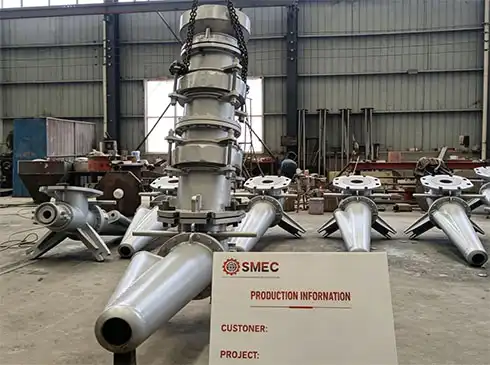
When hot blast and air are brought into the lower zone of the blast furnace, they go through the tierres. When these copper parts are put together with heat-resistant materials, they can handle high temperatures and mechanical pressures for a long time. The durability and effectiveness of tuyeres' cooling decide how long they last and, eventually, how often the furnace is used. Knowing how adding oxygen to the air affects these important parts helps workers find a balance between making equipment last longer and making it more productive.
Thermal and Mechanical Stresses from Oxygen Enrichment
Several physical things happen at the same time when the amount of oxygen in the air goes above normal levels. The flame's temperature rises quickly, sending more heat to the sides of the tuyere. As chemical processes speed up, more violent slag and metal mixtures are made that can eat away at copper alloys. When fast-moving gas streams carrying solid particles hit the insides of tuyeres, mechanical wear gets worse. By understanding these processes, metallurgy engineers can take steps to prevent damage before it happens.
Early Warning Signs of Tuyere Degradation
Through specific indicators, operational monitoring shows how healthy a turbine is. If you see strange temperature readings at the tuyere cooling water outlets, that means the heat isn't being cooled enough. Changes in the pressure of the blast show that there are bottlenecks or erosion patterns. During repair windows, cracks, walls that are getting thinner, or strange stains may be seen. If you act quickly on these warning signs, you can avoid catastrophic fails that stop production and need emergency fixes.
Analyzing the Causes and Risks of Tuyere Damage from High Oxygen Injection
Damage to the tuyere in oxygen-rich circumstances is caused by a number of factors that work together and get worse over time. Too much oxygen in the air makes hot spots where the temperature of burning is higher than what the material can handle. When operators raise enrichment levels without changing other factors that work with them, like blast volume or coal input rates, thermal imbalances happen very quickly.
Root Causes of Accelerated Tuyere Wear
The main cause of early tuyere failure is temperature rise that is not managed. Simple manual methods for adjusting oxygen levels are not accurate enough to keep the temperature even at all tuyere positions around the furnace's edge. Some tuyeres get too hot, while others don't get used enough, which leads to uneven wear patterns. Not enough cooling water flow or bad water quality can also speed up copper rust and thermal fatigue. Also, when oxygen supply pipes have moisture or particulate contaminants, these impurities cause internal erosion that weakens the structure.
Understanding Safe Oxygen Enrichment Thresholds
For each type of blast furnace, there are certain times when adding air is beneficial without putting stress on the equipment. These limits depend on the size of the furnace, the number and arrangement of tuyeres, the cooling system's power, and the properties of the raw materials. Smaller furnaces can usually handle enrichment levels of 2% to 4%. Larger, more modern furnaces can safely work at levels of 6% to 10% enrichment when they have advanced control systems. Going over these limits without the right safety measures in place could cause the tuyere to break down quickly and the furnace to become unstable.
Quantifying Business Impact of Tuyere Failures
Routine repairs of tuyeres cause a chain reaction of problems that affect operations in oxygen-enriched combustion system service for blast furnace. When a tuyere fails badly, production stops right away. This is because emergency shutdowns put stress on refractory linings and throw off the temperature balance. It takes several hours for repair teams to replace broken tuyeres, which means that production tons are lost and customer deliveries are late. During restart times, when the furnace conditions settle down, quality problems may show up. These events also raise upkeep costs by making it more difficult to get spare parts and paying workers extra hours. If you add up all the direct and secondary costs, a single tuyere failure can cost steel companies fifty thousand to two hundred thousand dollars.
Principles and Best Practices for Safe Oxygen-Enriched Combustion
To use oxygen enrichment effectively, you need to know basic flame chemistry and temperature dynamics. As the amount of oxygen in the air rises, carbon burns more efficiently, making more heat per unit of fuel. This better release of energy leads to higher production through faster melting rates and more hot metal produced each day.
Multi-Parameter Coordinated Control Strategy
Safe oxygen enrichment at SMEC is done with AI-driven multi-factor coordination methods that keep the oven conditions at their best. Instead of just raising the oxygen level, the system changes the rates at which powdered coal is injected, the blast humidity level, the burden distribution matrix, the cooling wall thermal loads, and the fire temperatures all at the same time. This whole-systems approach to control keeps theorized combustion temperatures within safe, ideal ranges. This stops overheating in certain areas, which destroys the tuberées. This method has been used in hundreds of blast furnaces and has never caused any damage to the tuyeres due to oxygen enrichment.
Smart control logic works with advanced hardware. Specialized flashback avoidance and pressure release valves keep the flow going in the opposite direction. When tube temperatures go above certain limits or pipeline pressures change from normal levels, emergency oxygen cutoff interlocks act within 0.2 seconds to protect the equipment. Oxygen filtering and drying units get rid of the water and particles that would eat away the inside of the tube through abrasive wear.
Zone-Specific Oxygen Distribution Optimization
Improvements at the process level make safety and performance even better. The method uses graded, zone-specific oxygen supply so that each tuyere gets a different flow of oxygen based on the conditions in its own furnace. Areas with low hearth activity get mild oxygen boosts to speed up burning, while edge areas that are likely to form skulls get lower oxygen ratios to keep temperatures from getting too high. This circular balance gets rid of the source of high-temperature buildup on the furnace walls and problems with slag sticking together in a strange way.
Predictive Maintenance Through Continuous Monitoring
Routine monitoring of tuyere imaging data is part of operational protocols, and visual monitoring services that check on tuyere condition in real time are also built in. Modern sensors can find early signs of erosion before they damage the structure. When operating conditions start to stray from the best ones, the system lowers the amount of oxygen in the air automatically, protecting furnace equipment in case something goes wrong. This complete control system keeps oxygen enrichment processes inside safe melting windows. This improves the quality of the combustion process without changing the structure of the furnace or its normal operation.
Case Studies and Industry Insights on Oxygen Injection and Tuyere Longevity
In real life, using oxygen enrichment correctly increases the life of tuyeres and makes furnaces more productive generally. It has been found that improved systems increase daily output by 8 to 15% while lowering specific coke consumption by 12 to 18%, according to data from the industry.
Success Stories from Integrated Steel Mills
An advanced oxygen-enriched combustion system service for blast furnace operations was installed at a sizable integrated steel plant in the Midwest of the United States. Within six months, they saw a 14% drop in the fuel ratio and a 13% rise in the output of hot metal. Due to less thermal stress from balanced combustion, the time between Tuyere inspections went from sixty to ninety days. It only took nine months for the investment to pay off, thanks to savings on fuel and higher production.
Lessons from Premature Failures
On the other hand, sites that tried to increase oxygen levels without the right limits had expected problems. One steel company raised the oxygen content very quickly without changing the coal injection rates in a way that made sense. This caused flame temperatures to reach over 2400°C. Within three weeks, they had to replace four tuyeres because the copper was wearing away so badly. Analysis done after the event showed that changes to parameters that weren't planned led to temperature spikes that were too high for the cooling system to handle. This case shows how important it is to have combined control systems instead of separate changes.
Comparative Performance Analysis
Studies that compare oxygen-enriched operations to standard air-blast methods always find that oxygen-enriched operations are better for the environment. Oxygen enrichment lowers the total volume of off-gas by about 20% per ton of hot metal, which means that gas cleaning systems need less energy. When people drink less coke, their carbon dioxide emissions go down by the same amount. These environmental benefits go hand in hand with higher productivity. This makes oxygen enrichment appealing for facilities that want to achieve both operational excellence and sustainability goals.
Procuring and Maintaining Oxygen-Enriched Combustion Systems for Blast Furnaces
To choose the right oxygen enrichment options, you need to carefully look at how well they work with other technologies, how well the supplier can do their job, and how well the system will work in the long run. The best method works with current tools for automating blast furnaces and can be expanded in the future to handle more work.
Key Selection Criteria for Oxygen Enrichment Systems
Technical leaders should put a number of important factors at the top of their list when considering oxygen-enriched combustion system service for blast furnace uses. Precision in control is very important—systems must keep oxygen concentration within +/- 0.5% of setpoints, even if blast pressure or furnace demands change. In places with a lot of oxygen, safety certifications are very important. The equipment should meet the standards for ASME B31.3 process piping and NFPA 55 compressed gas.
Integration skills decide how hard a project is and how well it works in the long run. Standard industrial protocols like Modbus and Profinet make it possible for modern systems to fully connect with existing SCADA platforms. This allows for centralized monitoring and control. Verification of material compatibility makes sure that all valves, seals, and pipes meet oxygen-service grade standards to keep fires from happening.
Professional Installation and Retrofit Considerations
For oxygen enrichment projects to be successful, they must start with thorough technical studies of the furnace's current infrastructure. Companies with a lot of experience, like SMEC, carefully check out blast delivery systems, tuyere configurations, cooling water circuits, and instrumentation networks. This diagnostic step finds any changes that need to be made before installation starts. This keeps shocks during commissioning to a minimum.
Retrofit services have to find a way to integrate new equipment while still keeping up with output plans. With phased execution, workers can keep up with work while gradually upgrading systems. Before going into full-scale operation, thorough testing procedures are used to make sure that the system works well in real-world situations.
Maintenance Strategies and Spare Part Management
To keep working well, you need to stick to repair plans that are specifically made for oxygen service needs. Calibration of sensors every three months keeps measurement accuracy at a level that is necessary for safe control. Ultrasonic thickness testing of oxygen lances and distribution manifolds finds wear and tear before they break. Finding helium leaks is an important part of making sure that oxygen supply networks have safe pipelines.
Strategic stocks of extra parts balance the cost of keeping them on hand with their availability. Important parts like flow control tools and emergency shutoff valves need to have a backup collection on-site. Establishing connections with qualified oxygen-enriched combustion system service for blast furnace suppliers guarantees quick access to specialized parts during unforeseen maintenance events.
Conclusion
When done correctly with the right control systems and operating procedures, high oxygen input does not damage blast furnace tubes by itself in oxygen-enriched combustion system service for blast furnace. Coordinated multi-parameter management that balances the heat of the fire with the equipment's thermal limits is the key. SMEC's AI-driven approach shows that adding oxygen can increase output, lower emissions, and extend the life of tuyeres all at the same time. This is made possible by smart process control, zone-specific oxygen distribution, and a lot of safety interlocks. If steel companies want to gain a competitive edge through oxygen enrichment, they should look for combined solutions from experienced companies that know both how to protect tools and meet the needs of the metalworking industry. Oxygen-enriched burning can turn blast furnaces into better, more efficient production tools with the right tools and careful use.
FAQ
Does oxygen enrichment always reduce tuyere lifespan?
When done right, oxygen addition doesn't have to shorten the life of truffles. By making the best use of combustion patterns, advanced systems with integrated parameter control lower heat stress. Through balanced oxygen distribution and real-time temperature control, SMEC installations in a number of blast furnaces have shown that tuyere repair intervals can be stretched.
How frequently should tuyeres be inspected under oxygen-enriched conditions?
How often inspections are done depends on the level of enrichment and how hard the furnace is working. Facilities with modest enrichment levels (2% to 4% of the total amount of matter) usually have inspections once a month. Higher enrichment processes benefit from visual checks every two weeks and constant thermal tracking as well. Condition-based checks, not set times, are possible with predictive maintenance systems that use infrared imaging and cooling water temperature analysis.
What are the first signs of oxygen-induced tuyere damage?
Early warning signs include rising temperatures at certain tuyeres' cooling water outlets, uneven blast pressure distributions, flame irregularities that can be seen, and gradual rises in oxygen use without corresponding increases in productivity. Taking care of these signs right away stops them from getting worse and needing emergency shutdowns.
Partner with SMEC for Advanced Blast Furnace Oxygen Enrichment Solutions
Steel companies that want to get the most out of their blast furnaces while also keeping important equipment safe need experts who know how to use oxygen-enriched combustion technology. SMEC combines a lot of knowledge about metals with cutting-edge AI control systems to create complete solutions that have kept hundreds of blast furnaces around the world safe without a single oxygen-related tuyere failure. Our engineering team carefully looks at how your current operations work, creates custom oxygen distribution networks, and offers ongoing optimization support that changes with your production goals and raw materials. As a top provider of oxygen-enriched combustion system service for blast furnace solutions, we provide full turnkey services, including initial planning, testing, and ongoing expert support. Talk to our experts at project@smec.cc about how our combined oxygen enrichment solutions can help you save money on fuel, get more done each day, and make sure that your turbines will work for a long time. You can look at our full line of blast furnace improvement tools at smecltd.com.
References
1. Geerdes, M., Toxopeus, H., and van der Vliet, C. (2020). Modern Blast Furnace Ironmaking: An Introduction. Amsterdam: IOS Press.
2. Peacey, J. G., and Davenport, W. G. (2019). The Iron Blast Furnace: Theory and Practice. Oxford: Pergamon Press.
3. Biswas, A. K. (2021). Principles of Blast Furnace Ironmaking: Theory and Practice. Brisbane: Australasian Institute of Mining and Metallurgy.
4. Gupta, G. S., and Rudolph, V. (2018). "Oxygen Enrichment and Its Impact on Blast Furnace Tuyere Performance." Metallurgical and Materials Transactions B, 49(4), 2156-2168.
5. Zhou, C. Q., Wang, J., and Li, Y. (2022). "Advanced Control Strategies for Oxygen-Enriched Blast Furnace Operations." ISIJ International, 62(3), 489-501.
6. European Commission Joint Research Centre (2019). Best Available Techniques (BAT) Reference Document for Iron and Steel Production. Luxembourg: Publications Office of the European Union.
Free consultation & volume discounts available
SEMC focuses on the entire metallurgical process—from coking, ironmaking, and steelmaking to continuous casting and rolling. Whether you face challenges related to equipment upgrades, energy efficiency optimization, or overall process transformation, please fill in the following information. Our technical team will provide you with tailor-made high-end equipment upgrade solutions and professional EPC design services to help your project be implemented efficiently.
Recommended Blog
How to Improve the Efficiency of Slag Granulation Equipment
How to Select the Best Blast Furnace Renovation Contractor
What Does a Blast Furnace Safety Monitoring System Include?
How Does High Furnace Body Lining Replacement Improve Efficiency?