Why Cast House Equipment Maintenance Is Critical for Blast Furnace Safety
Why Cast House Equipment Maintenance Is Critical for Blast Furnace Safety
Understanding the Role of Cast House Equipment in Blast Furnace Safety
- Understanding the Role of Cast House Equipment in Blast Furnace Safety
- How to Effectively Maintain Blast Furnace Cast House Equipment?
- Benefits of Professional O&M Services for Blast Furnace Cast House Equipment
- How to Choose the Right O&M Service Provider for Blast Furnace Cast House Equipment?
- Real-World Impact: Case Studies and Best Practices in Cast House Equipment Maintenance
- Conclusion
- FAQ
- Partner with SMEC for Comprehensive Cast House Maintenance Solutions
- References
Blast furnace cast house operations represent one of the most hazardous zones in steel manufacturing, where molten iron exceeding 1400°C flows through intricate channels, demanding absolute equipment reliability. When O&M service for blast furnace cast house equipment falls short, consequences escalate rapidly—from personnel injuries to catastrophic production shutdowns. Professional maintenance isn't merely a cost center; it's the defensive barrier preventing multi-million-dollar losses and protecting human lives. Understanding why rigorous upkeep matters helps procurement teams, plant managers, and EPC contractors make informed decisions that balance operational efficiency with safety imperatives.
Understanding the Role of Cast House Equipment in Blast Furnace Safety
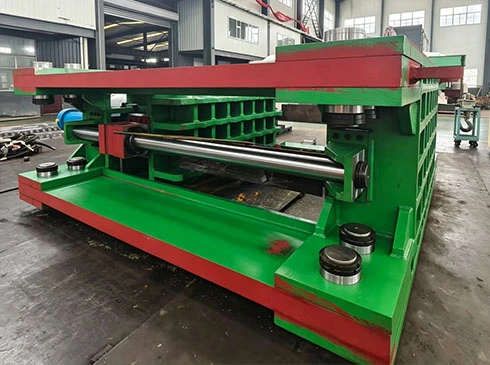
The tools in the cast house is the most important link between making iron in a blast furnace and making steel later on. This group has tools that open tap holes, mud guns, iron runners, slag skimmers, and tilting systems that control the flow of liquid metal. A lot of temperature cycles, chemical corrosion, and mechanical stress are put on these parts all the time, which is something that not many industrial systems have to deal with.
Core Components and Their Safety Functions
The tap hole drill makes paths for controlled iron release, and the mud gun closes the holes made by tapping to keep the pressure in the furnace. Iron runners direct streams of molten metal to ladle cars, and slag pots separate impurities. Every part has to work perfectly because problems set off chain reactions. When the tap hole gets stuck, pressure builds up inside the furnace stack, which could lead to leaks or damage to the structure. On the other hand, a premature seal failure lets iron leak out uncontrollably, destroying nearby infrastructure.
Operating Environment Challenges
People who work in cast house zones have to deal with temperatures above 200°C and hot iron drips and corrosive gases. Electrical panels get covered in dust from slag and coke particles, which makes them vulnerable to short-circuits. If you don't clean and check things regularly, conductive residue can catch fire and spread to dust collection systems. This domino effect shows how small mistakes can quickly become plant-wide problems.
Historical Incidents Highlighting Maintenance Gaps
Many disasters have been linked to putting off maintenance, according to industry records. One integrated steel mill had a problem with the hydraulics in their mud gun system, which meant that the tap hole wasn't sealed properly. Because of this, there was too much iron, which melted control panels and badly burned two operators. It was found that hydraulic fluid checks had been missed and old seals had been noted but not changed. Another plant had to shut down its furnace because the tilting trough mechanism broke. This caused the ladle to move out of place and 30 tons of molten iron to fall to the floor. Over $8 million was spent on repairs and missed production, all of which could be traced back to bad lubrication procedures.
How to Effectively Maintain Blast Furnace Cast House Equipment?
Scheduled preventative measures and reactive fixing are both important parts of effective maintenance strategies for O&M service for blast furnace cast house equipment that make sure equipment is ready before an emergency happens. Structured methods cut down on unintended downtime and make assets last longer.
Scheduled Inspection Protocols
High-risk checkpoints should be the hydraulic pressure levels in mud guns, the accuracy of the alignment of the drilling mechanisms, the integrity of the refractory lining in the runners, and the flow rates of cold water through the trough systems. Once a week, thermal imaging finds spikes that show shielding is breaking down. Once a month, vibration analysis finds worn bearings before they cause a seizure. Metallurgical sampling of refractory materials every three months shows deterioration patterns that need to be fixed. These diagnostic layers find problems early, so they can be fixed during set maintenance times instead of having to shut down the system for no reason.
Troubleshooting Common Failures
Some types of failure happen over and over again in cast house processes. Technicians check the hydraulic pump pressure, drill bit wear, and power supply in that order when tap hole drills lose penetration force. Check the quality of the material, the tip for blockages, and the response of the pneumatic actuator if the mud gun's discharge slows down. When iron runners start to leak, check the quality of the refractory patch, look for structural cracks, and make sure the thermal expansion joint works. Standardized decision trees for solving help maintenance teams fix problems quickly, which lowers the mean time to repair.
Professional O&M Services vs. In-House Maintenance
There are several things that affect the choice between internal teams and external support partners. With multi-site support contracts and their specialized knowledge of metallurgical equipment and advanced diagnostic tools, professional service providers bring economies of scale to the table. They keep spare parts on hand and promise response times in line with service level agreements. In-house teams are quick to respond and know the ins and outs of the company well, but they need to be trained all the time and may not have the right welding or hydraulic licenses. An increasing number of businesses use a mix of internal teams and outside experts for both everyday chores and major repairs or emergencies.
Benefits of Professional O&M Services for Blast Furnace Cast House Equipment
Hiring qualified professionals to do maintenance has real benefits that improve both safety and financial performance. These benefits go beyond simple repairs and include planned changes to how things are run.
Enhanced Equipment Reliability and Lifespan
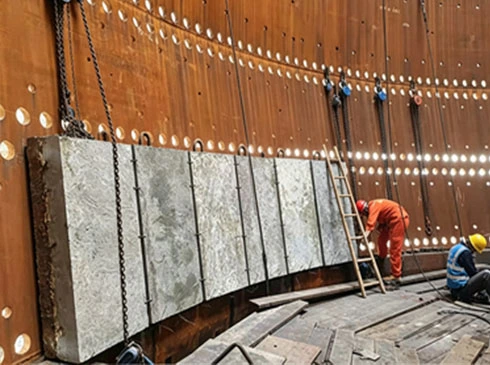
Professional repair teams use best practices that have been developed over many installs. They use OEM-approved substitute parts that are exactly the same as the originals, do precise alignments that lower mechanical stress, and put on protection coatings that stop heat damage. This careful attention greatly increases the life of the parts. When maintained by professionals, cast house cranes usually last 25 to 30 years, compared to 15 to 20 years when maintenance is done on the spot. Longer asset lifecycles delay capital spending and cut lifecycle costs by a large amount.
Compliance Assurance and Risk Mitigation
Steel producers around the world have to follow strict rules about safety and the environment. In the US, OSHA rules say that lockout/tagout processes, confined space entry routines, and emergency reaction drills for working with molten metal must be written down and followed for O&M service for blast furnace cast house equipment. EPA rules limit the amount of stray pollution that come from cast houses. Professional O&M providers keep their certifications up to date in these regulatory frameworks, making sure that maintenance activities meet the rules. They keep records of everything they do so that they can be found again if needed. This makes audit trails that are acceptable to regulators and insurance companies. Businesses don't have to worry about fines, lost work, or damage to their image after an event thanks to this compliance infrastructure.
Turnkey Solutions and SLA Models
Modern service agreements include full repair in monthly fees that are easy to budget for and come with clear promises of performance. SLA contracts spell out the longest reaction times, which are usually 4 hours for major problems, as well as uptime goals, like having 98% of equipment available. Regular checks, getting extra parts, emergency repairs, and technology upgrades are all included in turnkey deals. This makes the contract clear, which helps the finance team make accurate budgets for maintenance costs, while success measures hold operations accountable. When service providers don't meet SLA goals, they are automatically punished. This makes sure that incentives are aligned and that service quality stays the same.
How to Choose the Right O&M Service Provider for Blast Furnace Cast House Equipment?
Before choosing upkeep partners, they need to be carefully checked out from a professional, financial, and organizational point of view. Making the right choice sets the stage for long-term operational excellence.
Evaluating Technical Credentials
Qualified providers show credentials in important technical areas, such as AWS welding certifications for refractory repairs, credentials for diagnosing hydraulic systems, and electrical safety training that meets NFPA 70E standards. Check out how experienced their engineering team is. Senior techs should have worked with metallurgical equipment for at least 15 years and have written down how they fixed difficult failures. Ask for client examples from businesses that are similar to yours and visit the projects they take care of. Check the quality of their work directly: are the spare parts arranged in a way that makes sense? Do technicians follow the steps that are written down? Is safety gear always being used?
Comparing Service Scope and Technology
Leading companies set themselves apart by offering services that go beyond basic fixes. Some companies offer predictive repair programs that use IoT sensors to constantly check on equipment and let teams know about any problems before they happen. Others offer training programs for operators that cut down on mistakes made by people, which is a big reason why equipment gets damaged. For multinational businesses, geographic coverage is important. Service providers with regional service centers can respond faster than those who use centralized teams. Using new technologies shows that you can do things. For example, companies that buy 3D scanners for making custom parts or virtual reality remote fixing show that they are innovative in ways that help their clients.
Contract Negotiation and Cost Optimization
Clear pricing models stop arguments and keep fees hidden for O&M service for blast furnace cast house equipment. Ask for detailed proposals that include labor rates, markups on parts, travel costs, and fees for emergency call-outs. Time-and-materials agreements and fixed-fee SLA contracts should be compared to find the best fit. Fixed fees work well for businesses that want to keep their budgets stable, while time-and-materials fees are better for plants with strong internal teams that need expert help every once in a while. Talk about performance rewards, like giving companies bonuses when their uptime goes above and beyond their goals or lowering their fines if they find ways to save money on their own. Long-term results are better when relationships are based on partnerships instead of transactions.
Real-World Impact: Case Studies and Best Practices in Cast House Equipment Maintenance
Real-life examples show how high-quality maintenance leads to measured changes in safety and operations.
Success Story: Integrated Steel Mill Transformation
An integrated mill that made 2.5 million tons of steel a year had trouble with cast house downtime that lasted an average of 12 hours a month, which meant that 15,000 tons of production were lost. After putting in place a full repair plan with a specialized provider, they standardized the time between inspections, set up dedicated spare parts stockpiles, and taught workers how to do basic diagnostics. Unplanned outages dropped to three hours a month in 18 months. The mill thought that higher production and lower emergency repair costs would save them $4.2 million a year. Over 36 months, the number of safety incidents in the cast house dropped from 8 injuries per year to none.
Lessons from Maintenance Failures
A medium-sized producer put off changing their mud gun system's old hydraulic lines, choosing to "run to failure" instead to save money up front. During tapping, a high-pressure hose burst. Hydraulic fluid shot onto hot surfaces and started a fire that destroyed the control center. The building wasn't usable for 11 days while the electrical systems were fixed. Repairs, lost output, and fines from the government added up to more than $6.5 million in costs. A root cause study showed that replacing the broken hose ahead of time would cost $340. This difference between the cost of preventative maintenance and the damage caused by failure shows that putting off maintenance is not a good economic decision.
Integrating Maintenance with Production Planning
Maintenance schedules and output efforts are synchronized by advanced operations. When blast furnaces are shut down for planned maintenance every 18 to 24 months to reline the refractory, all of the equipment in the cast house is completely reworked at the same time. By focusing on downtime, this coordination makes working times more productive. Planning together with maintenance engineers and production schedulers also finds the best times to replace parts, like when demand is low or when there is a lot of iron on hand to act as a buffer. With this combination, maintenance goes from being a bothersome task to an important part of running the business.
Conclusion
Maintenance on cast house equipment is the most important thing for keeping blast furnaces safe because it stops catastrophic breakdowns that put lives at risk and wreck production plans in O&M service for blast furnace cast house equipment. Extreme temperatures, mechanical stress, and corrosive surroundings all work together in complicated ways that require proactive repair plans led by experts. Professional O&M services offer specialized knowledge, a guarantee of regulatory compliance, and stable cost structures that are hard for internal teams to match. Steel producers protect their most valuable assets, like people and money, by hiring qualified repair partners and following strict inspection routines. Operations can either have world-class safety records or avoidable disasters based on the choice they make between reactive fixes and preventive greatness.
FAQ
What are the major safety incidents caused by inadequate cast house maintenance?
Six critical failure modes are caused by poor maintenance. When the hydraulics in a mud gun don't properly close the tap holes, molten iron can leak out and burn equipment and people. The iron can be over 1400°C. When the tap systems in a furnace don't work right, iron and slag build up, which leads to a pressure surge. The furnace may have to be shut down quickly and cooled down, which can take weeks to fix. When turning mechanisms get stuck, misaligning ladles and spilling tons of molten metal, equipment chains break. Electrical fires start when electrical dust builds up on panels that aren't cleaned regularly. When safety interlocks fail while equipment is moving, mechanical accidents can happen. Environmental violations happen when dust collection systems don't work right and let out fugitive emissions, which are punished by the government. Most big blast furnace accidents are caused by small problems with tools in the cast house zone that haven't been fixed.
How often should cast house equipment undergo professional inspection?
How often an inspection is done depends on how important the equipment is and how much it is used. High-risk parts like mud guns and tap hole drills should be visually checked once a week and fully diagnosed once a month. Fluids in hydraulic systems need to be checked every three months, and seals need to be replaced every year. Thermal imaging must be done on refractory linings every two weeks, and they must be inspected visually every three months. Every year, non-destructive tests are done on structural elements. When facilities use high coal injection rates or run at maximum campaign rates, they wear out faster, which is why intervals should be set more often. Professional maintenance contracts usually include customized plans that are based on failure mode analyses and suggestions from the maker.
Partner with SMEC for Comprehensive Cast House Maintenance Solutions
SMEC is ideally qualified to provide full maintenance excellence for blast furnace operators looking for dependable O&M service for blast furnace cast house equipment providers. SMEC is in Taiyuan City, which is the national hub for heavy industry and energy in China. It has a staff of 486 people, including 30 top engineers who specialize in blast furnace support systems and more than 30 years of experience in making metallurgical equipment. Our all-in-one method includes predictive diagnoses, emergency repairs, stocking up on extra parts, and operator training programs that are specifically designed for cast house operations. SMEC has a history of safe and reliable installations in both domestic and foreign settings, so you can be sure that your cast house equipment will work well and safely whether you are in charge of independent coking plants, integrated steel mills, or EPC projects that need approved maintenance partners. Get in touch with our team at project@smec.cc to talk about unique maintenance contracts that will protect your investment and staff while maximizing business uptime.
References
1. Smith, J.R. & Anderson, K.L. (2021). Blast Furnace Cast House Operations: Safety Protocols and Maintenance Best Practices. Metallurgical Industry Press.
2. International Iron and Steel Institute. (2020). Maintenance Management Guidelines for Ironmaking Facilities. Technical Report Series, Vol. 47.
3. Chen, W., Thompson, D., & Rodriguez, M. (2022). "Predictive Maintenance Strategies for Blast Furnace Auxiliary Equipment." Journal of Iron and Steel Research International, 29(6), 891-904.
4. European Commission Joint Research Centre. (2019). Best Available Techniques (BAT) Reference Document for Iron and Steel Production. Publications Office of the European Union.
5. Williams, P.T. (2023). Industrial Equipment Reliability: Case Studies in Heavy Manufacturing. Cambridge University Press.
6. Zhao, Y., Kumar, S., & Petersen, H. (2021). "Risk Assessment Framework for Molten Metal Handling Systems in Integrated Steel Mills." Safety Science, 138, Article 105201.
Free consultation & volume discounts available
SEMC focuses on the entire metallurgical process—from coking, ironmaking, and steelmaking to continuous casting and rolling. Whether you face challenges related to equipment upgrades, energy efficiency optimization, or overall process transformation, please fill in the following information. Our technical team will provide you with tailor-made high-end equipment upgrade solutions and professional EPC design services to help your project be implemented efficiently.
Recommended Blog
Why Steel Plants Prefer Custom Blast Furnace Tuyere Equipment?
How Industrial Water-Cooled Valves Handle Extreme Temperatures?
Comparing Manual Inspection vs. Automated Tuyere Imaging Services
Blast Furnace Dedusting vs Gas Purification: Key Differences
The Working Principle of Blast Furnace Water-Cooled Valves