How Does Blast Furnace Slag Granulation Equipment Work?
Understanding Blast Furnace Slag Granulation Equipment
- Understanding Blast Furnace Slag Granulation Equipment
- Key Components and Operation Principles of Blast Furnace Slag Granulation Equipment
- Types and Comparison of Blast Furnace Slag Granulation Equipment
- Maintenance, Efficiency Optimization, and Economic Considerations
- How to Choose and Procure Blast Furnace Slag Granulation Equipment?
- Conclusion
- FAQ
- Partner with SMEC for Advanced Slag Granulation Solutions
- References
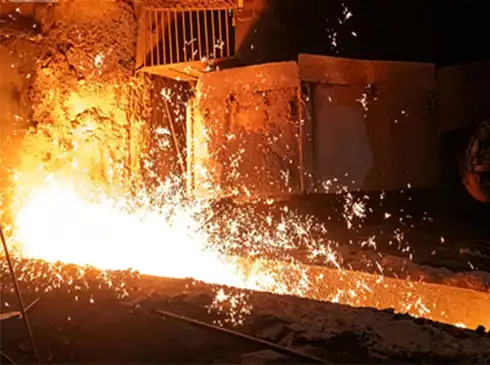
Blast furnace slag granulation equipment works by quickly cooling down liquid slag that comes out of the furnace at temperatures between 1450°C and 1550°C. This can be done with high-pressure water jets or mechanical atomization. This controlled cooling process changes the slag into Granulated Blast Furnace Slag (GGBFS), a glassy, granular state that keeps minerals from crystallizing and keeps the material's useful cementitious properties. Extreme temperature changes can be handled by this equipment, which also controls harmful sulfur emissions and recovers thermal energy. This makes it an important part of sustainable metalworking operations.
Understanding Blast Furnace Slag Granulation Equipment
Defining the Technology
Slag grinding systems are a special kind of industrial machinery that was made to deal with two problems at once: getting rid of trash and making money in ironmaking. When molten slag runs out of the blast furnace, it holds a lot of heat and could be bad for the environment. Without the right treatment, this stuff would harden into rigid forms that wouldn't be useful for business and would give off dangerous gases.
Through carefully controlled cooling systems, the equipment turns this problem into a chance. In water-based devices, high-pressure jets are set up in specific ways to break up the hot stream and cool it down in milliseconds. When this fast temperature change happens, it stops the formation of crystal structures. Instead, it creates an amorphous glassy material that reacts better when added to cement. As a result, the product meets ASTM C989 standards for ground powdered blast furnace slag and sells for more money in building markets around the world.
Core Granulation Methods
There are two main ways to process industrial slag, and each has its own set of advantages and disadvantages that make it better for different types of facilities. Wet granulation methods use water as a cooling agent, which quickly removes heat in a way that makes the glass phase form best. When melted slag meets fast-moving water streams inside tight rooms, fine granules usually between 0.5mm and 5mm in diameter are formed.
After the cooling step, the material is mechanically dewatered to get the moisture content down to 12–15% before it is stored or processed further. Modern systems use spinning drum designs, which are also known as INBA methods, to combine granulation and dehydration in small packages. Compared to standard filter tank methods, these systems make better use of room, but they need more complex mechanical maintenance procedures.
Dry granulation is a different method that uses air to cool things down and mechanical breaking up. However, this method usually results in materials with less glass content and less cementitious activity, even though it doesn't use water or require cleaning. When plant engineers look at these choices, they have to think about production goals, the supply of water in the area, environmental rules, and the specifications of the finished product to find the best configuration.
Key Components and Operation Principles of Blast Furnace Slag Granulation Equipment
Critical System Elements
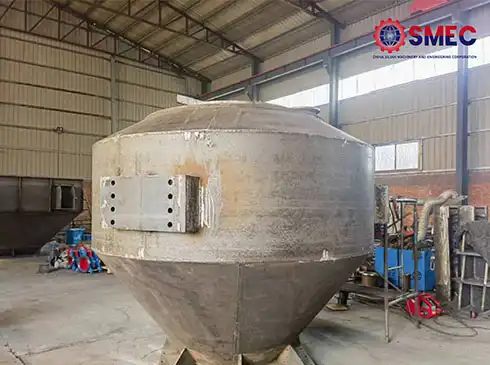
The quenching room is the most important part of any granulation device. This is where the molten material meets the cooling media in carefully controlled conditions. Despite the rough nature of liquid silicates, modern designs use chromium-molybdenum wear-resistant metals in the granulator heads and contact surfaces to keep performance stable and service times longer. These tanks have designed shapes that make droplet formation and heat transfer more efficient while using less water.
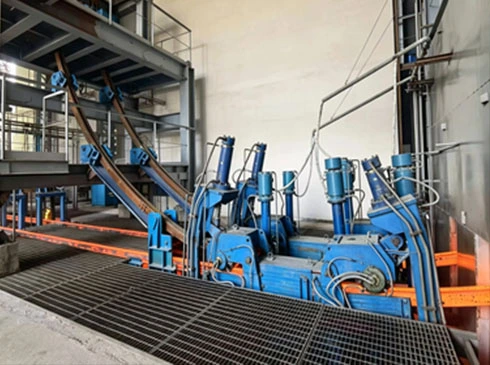
Programmable logic processors (PLCs) run the whole process through automated control platforms. These PLCs keep an eye on things like water flow rates, slag temperature, chamber pressure, and the spread of granule sizes. Variable frequency drives let you change the pump speeds and valve pressures in real time, so they can adapt to changes in the chemistry and viscosity of the slag. With this technology, operators don't have to do as much work, and the result is always the same, even when operating conditions change.
Environmental management systems are built right into the granulation process and collect the steam and gases that could be toxic that are released during cooling. Vapors are sent through chemical cleaning towers that reduce hydrogen sulfide and sulfur dioxide before they are released into the air. These built-in pollution controls help businesses meet ever stricter emission standards while also keeping workers safe and the health of the community at large.
Operational Workflow
By understanding the order of the steps in the processing of slag for blast furnace slag granulation equipment, you can see how the different parts work together to get the results you want. When liquid slag moves from the blast furnace along runners made of refractory toward the granulation zone, the process starts. Temperature monitors make sure that the material is within the ideal range of 1450°C to 1550°C, which makes sure that it is flexible enough for atomization to work.
When the slag stream goes into the cooling chamber, it meets water jets that are set up at specific angles and pressures. The water-to-slag ratio, which is usually kept between 1:8 and 1:12, decides how fast the metal cools and what the finished product looks like. When heat is taken out quickly, it causes thermal shock, which breaks up the molten stream into droplets. These droplets then harden into glassy granules before crystallization can happen. This change takes only seconds and requires exact coordination of flow rates and conditions inside the box.
Granules that have solidified leave the main cooling zone and go through stages of dewatering. During these steps, rotational force or mechanical screening removes any extra water. Before being stored or shipped, the finished product is put through particle size analysis and quality testing to make sure it meets the requirements. During these steps, energy recovery systems may be able to use the heat from the cold water in other parts of the plant, making the whole thing run more smoothly.
Types and Comparison of Blast Furnace Slag Granulation Equipment
Wet Granulation Systems
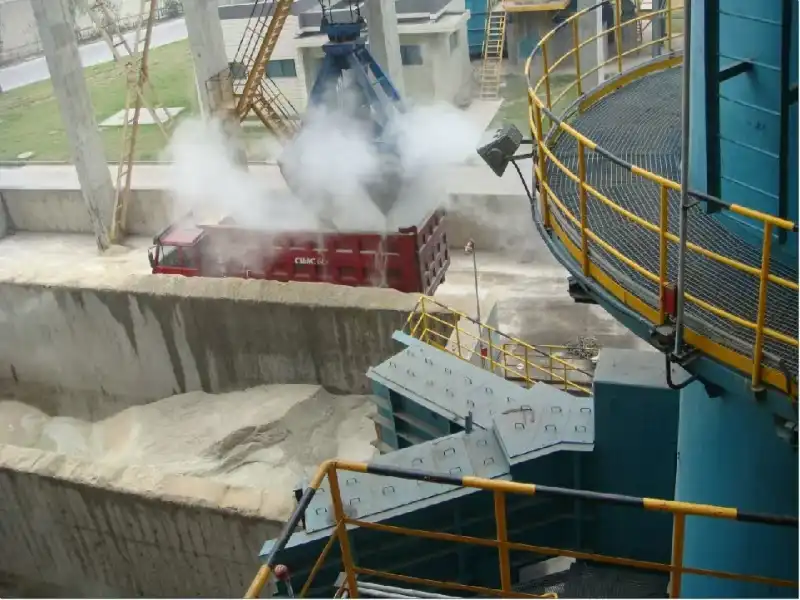
Water-based quenching is the standard in the business for places that put quality of the product and processing capability first. These methods are great at making materials with more than 95% glass phase, which meets the strictest requirements for cement uses. Water contact cools things down quickly, which stops devitrification and protects the reacting calcium-alumino-silicate structures that help with hydraulic action.
For large steel mills that process a lot of slag, wet systems are useful because they can handle more than 1,500 tons of slag per day per unit. Changes in slag makeup and temperature can be handled by the technology with few changes, giving operators more options for different ironmaking programs. However, facilities must think about the infrastructure for treating water, how to deal with possible corrosion, and operating issues linked to the weather in colder areas where freezing is a problem.
Dry Granulation Alternatives
Mechanical systems that are cooled by air are good for places that don't have a lot of water or have to deal with certain natural issues. These arrangements get rid of the need for garbage treatment and the permits that go with them, which makes following the rules easier in areas with limited water supplies. Because there are no liquid media, there are also no worries about underground pollution, and the costs of getting and treating water are lower.
The difference shows up in the way the product works and how much it can hold. When compared to wet systems, dry-cooled material usually has a lower glass content (often 85–90%). This means it is less reactive and has fewer uses in the market. Processing speeds are usually lower than what a wet system can handle. This method works best in smaller facilities or operations where slag is used for less demanding tasks than in premium cement supplement markets.
Application-Specific Configurations
In some business situations, granulation methods need to be specially designed to meet specific needs. Integrated steel buildings benefit from having systems right next to blast furnace activities. This lowers the risks of handling molten materials and improves the efficiency of transportation. Because they are close, the slag can be moved directly without being held or heated up first. This saves energy and makes the safety ratings better.
For cement factories to make material with certain particle sizes and glass contents, they need grinding equipment that has been measured. These systems have better quality control tracking and may have multiple cooling stages to get the small size fractions that grinding processes need. To get the best packing density and resistance to chloride entry in coastal concrete uses, infrastructure projects that use slag need grains with specific gradations, which are usually between 0.5 mm and 5 mm.
Maintenance, Efficiency Optimization, and Economic Considerations
Preventive Maintenance Protocols
To keep the blast furnace slag granulation equipment system working well, it needs organized inspection plans that check for wear parts and operational parameters. The granulation head has to deal with harsh conditions like temperature changes between room temperature and near-slag temperatures and particle hits that wear it down, so it needs to be checked regularly. Facilities usually do thorough checks every 3,000 hours of operation, and every 12 to 18 months, the metal liner needs to be replaced. This depends on how acidic the slag is and how many hours the facility has been running.
It is important to pay extra attention to nozzle arrays because even small jams or erosion patterns can change the spray geometry and make cooling less effective. Maintenance teams check that the hydraulic pressure is stable across the manifold system. This makes sure that the water is spread evenly in the cooling chamber. Manufacturers tell you how often to service pump seals, bearing systems, and drive components so that they don't break down when you least expect it and stop production.
Control platform diagnostics find sensor movement or calibration problems before they affect product quality. They do this for more than just mechanical systems. Safety interlocks and emergency shutdown processes should be tested regularly to protect both people and machinery. By keeping track of maintenance tasks, you can find standard performance measures that show how things are slowly breaking down. This lets you replace parts before they break completely.
Performance Enhancement Strategies
To make granulation work better, you need to do more than just simple upkeep. You also need to improve operations and get new technology. Modern systems use laser diffraction tools to measure particle sizes in real time. This gives instant input for changing water pressures and flow rates. This closed-loop control keeps product standards the same even if the slag composition or furnace working conditions change. This cuts down on off-spec material and raises the amount of output that can be sold.
Adding energy recovery makes granulation less of a need for energy and more of a source of energy. Heat exchanges take heat from cooling water lines, heat boiler feedwater before it goes into the boiler, or help district heating systems work. Some advanced systems recover more than 60% of the thermal content of the slag, which greatly improves the energy balance of the whole plant and lowers running costs.
Improvements to automation cut down on the need for workers while increasing uniformity. Predictive maintenance programs look at patterns of sound, temperature, and power use to guess when parts will wear out and plan maintenance work for when the system is shut down for maintenance. These systems reduce unplanned downtime, which is often the most expensive interruption in continuous processing, and increase the service life of equipment by making the best use of its working settings.
Investment Analysis Framework
When looking at investments in granulation equipment, it's important to look at the total cost of ownership, which includes more than just the original buy price. Capital spending includes not only the main machines but also building work, installing utilities, setting up environmental systems, and helping with the start-up. Building changes to make room for new equipment can add up to big project costs, especially when the equipment is old and space is limited and engineers have to come up with creative solutions.
Utility costs, mostly water and energy for pumps, as well as repair supplies, new parts, and labor, are all part of operational costs. These ongoing costs are directly affected by the quality and design of wear parts. This makes the name of the seller and the availability of parts very important when choosing one. Designs that use less energy and have better hydraulic systems mean lower running costs that add up to big savings over the 15 to 20 years that most equipment lasts.
Granulation projects are different from pure cost centers because they can bring in money. High-quality GGBFS is highly valued in the cement and concrete industries, and some businesses make enough money from it within three to five years to cover the full cost of their grinding system. A study of the local market's demand, how competitors are positioned, and price trends helps make accurate financial predictions that back the case for investment and get management approval.
How to Choose and Procure Blast Furnace Slag Granulation Equipment?
Critical Selection Criteria
Finding the right blast furnace slag granulation equipment option starts with a full analysis of the factors and restrictions that apply to the facility. Basic system sizing is based on how much slag needs to be made, and equipment levels are chosen to match peak slag production rates plus a fair range for future growth. When systems are too small, they cause bottlenecks that slow down the whole plant, and when systems are too big, they raise capital costs and make operations less efficient at normal production levels.
The chemistry of slag has a big effect on the specs of tools and the choice of materials. High-sulfur slags speed up the corrosion of common metals, which means that touch parts need better metalworking. Changes in the amounts of silica, alumina, and calcium oxide have an effect on the viscosity and cooling behavior, so the water ratio factors and chamber configurations need to be changed to match. Giving possible suppliers a thorough slag analysis allows for accurate system engineering and keeps expensive changes from having to be made after the installation is complete.
Site elements, such as room availability, utility connections, environmental permit requirements, and temperature, affect the kinds of tools that can be used. Facilities that don't have a lot of water may prefer dry systems or closed-loop water treatment setups. Operations that take place in cold places need freeze prevention systems and warming parts. Regulatory settings with strict emission standards need base system designs that include better gas capture and treatment features.
Supplier Evaluation Process
To find certified equipment makers, you need to look beyond their marketing materials and look at their real skills and track records. Established sellers show a lot of reference setups in similar situations, with performance data and customer reviews that can be checked. Site visits to sites that are already running show how the equipment is holding up after years of use and allow honest conversations with plant staff about dependability, support responsiveness, and long-term happiness.
The technical competency review looks at engineering tools, design methods, and the ability to come up with new ideas. Leading makers keep separate research sites and work with universities to improve the technology used to handle slag. Their design teams use computational fluid dynamics modeling, finite element analysis, and other high-tech tools to make sure that the equipment works as well as it can before it is built. This level of technical rigor means that systems will meet requirements from the very first start-up.
Quality assurance methods give people faith in the standards of making and the dependability of parts. Certification to the ISO 9001 quality management standards means that there are organized ways to keep an eye on the design, make sure that suppliers are qualified, oversee production, and follow testing methods. When equipment meets the requirements of ISO 13500 and ASTM C989, it shows that it is compatible with foreign quality standards. This is important for businesses that serve customers all over the world.
Long-term owner happiness is often more affected by the ability to provide help after the sale than by how well the equipment worked at first. Comprehensive support includes overseeing the installation, training operators, writing up upkeep procedures, and quick expert help when problems appear. Downtime risks are kept to a minimum by suppliers who keep regional service centers stocked with parts and staffed by trained techs. Manufacturers who offer clear guarantee terms and fair prices for spare parts show that they believe in their goods and want their customers to succeed.
Total Cost of Ownership Perspective
Going beyond the purchase price to look at the total cost of ownership shows how choices about tools really affect the economy. Installation costs, such as civil work, connecting utilities, and finishing services, add a lot to the cost of a project and change a lot depending on the site conditions and the complexity of the equipment. Detailed project quotes that list all of these parts allow for accurate budgeting and keep costs from going over budget without warning.
Operational cost estimates include the amount of energy used, the materials needed for regular upkeep, and the replacement of major parts on a regular basis over the planned life of the equipment. When you use less water and energy, your saves add up over decades of operation. This is especially true for systems that use less pumping power. Maintainability-friendly designs with easy-to-reach parts and standard new parts cut down on both the cost of materials and the time needed for service tasks.
Environmental compliance costs, such as tracking emissions, treating water, and filing regulatory reports, are becoming bigger and bigger operating costs that change based on the design of the equipment and local rules. Systems that have built-in pollution control and keep emissions well below legal limits protect against future standards being tightened and keep you from having to pay fines or limit your operations. Sustainability standards also help a company's image and may affect what customers buy in places where people care about the environment.
Conclusion
Slag handling technology with blast furnace slag granulation equipment today is a complex field that combines thermodynamics, materials science, environmental engineering, and economic planning. Equipment that turns molten garbage into useful products is both good for the environment and makes money, so choosing the right equipment is a smart choice for metallurgical operations. When procurement workers know about operational principles, technical specs, and suppliers' skills, they can choose systems that work well, follow the rules, and give good returns on investment over long service lives.
FAQ
What capacity ranges does blast furnace slag granulation equipment typically handle?
Modern granulation systems can handle a wide range of capacities, from small units that can handle 200 to 300 tons per day for smaller integrated mills to large setups that can handle over 1,500 tons per day for big steel plants. Modular designs let you add more capacity by connecting units in parallel instead of replacing the whole system. This gives you more options as your production grows. When buying teams say how much capacity they need, they should include peak slag production rates plus a fair margin instead of normal production levels. This way, there won't be any bottlenecks during times when production is at its highest.
Can wet granulation systems operate effectively in smaller facilities?
Wet granulation technology works well for all building sizes, but at smaller capacities, economic concerns change. Water circulation systems that are easier to use and chamber designs that are small help smaller businesses because they require less equipment. Some of the most important things that go into the evaluation are the amount of water that is available, the rules for dumping in the area, and the difference in value between powdered slag and other ways of getting rid of waste. Facilities that handle less than 500 tons per day should do a full cost-benefit study of both wet and dry options, taking into account both the initial investment and the ongoing costs over the life of the equipment.
What certifications matter most for environmental compliance?
Equipment that meets ISO 13500 standards shows that it can make materials that meet world quality standards. As long as the output meets ASTM C989 standards, it can be used in cement uses around the world. Environmental licenses depend on the rules in the area, but usually include proof of emissions tests, water discharge quality verification, and safety compliance at work. Suppliers who provide detailed technical documents to support permit applications make the regulatory approval process easier and lower the risks to project timelines that come with not knowing for sure if compliance rules will be followed.
Partner with SMEC for Advanced Slag Granulation Solutions
As a part of Taiyuan Silian Heavy Industry (Group) Co., Ltd., SMEC offers complete blast furnace slag granulation equipment processing options based on our proven experience in coking and metallurgical equipment. Our 168-person technical staff, which includes 30 top engineers, uses decades of experience in the heavy industry to create granulation systems that can handle the tough conditions of continuous steel production. We know what integrated steel mills and specialized slag producers have to deal with because we are located in Shanxi Province, which is the national center for the energy and heavy chemical industries.
Our Large-scale Intelligent Coking Equipment Research Institute works with top universities to make metalworking processes more automated and efficient. With this kind of study power, real-world innovations are made that cut down on maintenance needs, raise product quality, and make tools last longer. As a reliable provider of blast furnace slag granulation equipment, we offer full solutions, from the initial engineering to installation support and ongoing expert help. Get in touch with our International Trade Department at project@smec.cc to talk about your unique needs and find out how our customized approach can help your business.
References
American Society for Testing and Materials. (2021). Standard Specification for Slag Cement for Use in Concrete and Mortars. ASTM C989/C989M-21, West Conshohocken, PA.
Chen, J., & Wang, H. (2020). Thermal Energy Recovery from Blast Furnace Slag: Principles and Industrial Applications. Metallurgical Industry Press, Beijing.
European Slag Association. (2019). Best Available Techniques for Slag Production and Processing in Iron and Steel Industry. Technical Report ESA-2019-04, Brussels.
Kumar, S., & Reddy, M. V. (2022). Advanced Materials Engineering for Slag Granulation Equipment: Wear Resistance and Longevity. Journal of Materials in Metallurgical Engineering, 48(3), 215-234.
World Steel Association. (2023). Sustainability Indicators in Steel Production: By-product Utilization and Environmental Performance. Annual Statistical Report, Brussels.
Zhang, L., Wang, Q., & Liu, X. (2021). Process Optimization and Automation in Modern Blast Furnace Slag Treatment Systems. International Journal of Mineral Processing and Extractive Metallurgy, 126(2), 89-107.
Free consultation & volume discounts available
SEMC focuses on the entire metallurgical process—from coking, ironmaking, and steelmaking to continuous casting and rolling. Whether you face challenges related to equipment upgrades, energy efficiency optimization, or overall process transformation, please fill in the following information. Our technical team will provide you with tailor-made high-end equipment upgrade solutions and professional EPC design services to help your project be implemented efficiently.
Recommended Blog
Key Considerations Before Starting a Blast Furnace Renovation
Why Every High-Capacity BF Needs an Automatic Cooling Water Barrier?
Comparing Different Types of Blast Furnace Tuyere Equipment
Installation Process for Blast Furnace Cast Iron Cooling Walls
How to Choose the Right Partner for a Blast Furnace Modular Renovation Project?
Why Modern Steel Plants Use Automatic Drill Rod Replacement Devices