Why Is the Upper Sealing Valve Important for BLT Equipment?
Understanding the Role of the Upper Sealing Valve in Blast Furnace BLT Equipment
- Understanding the Role of the Upper Sealing Valve in Blast Furnace BLT Equipment
- Key Benefits and Performance Advantages of Upper Sealing Valves
- Common Challenges and Maintenance Best Practices for Upper Sealing Valves
- How to Choose the Best Upper Sealing Valve for Your Blast Furnace BLT Equipment
- Procurement Insights and Building Trust with Your Equipment Partner
- Conclusion
- FAQ
- Partner with SMEC for Reliable Blast Furnace Sealing Solutions
- References
The upper sealing valve for the blast furnace BLT equipment acts as a crucial pressure-tight barrier between the charged materials and the outside atmosphere, preventing the escape of toxic gases and keeping the top pressure needed for effective ironmaking. Without this strong sealing mechanism, modern blast furnaces would not be able to work reliably, would pose serious safety risks, and would not meet environmental standards. In continuous smelting operations, this part is the first line of defense against the high temperatures, rough dust, and high-pressure gases that come with them.
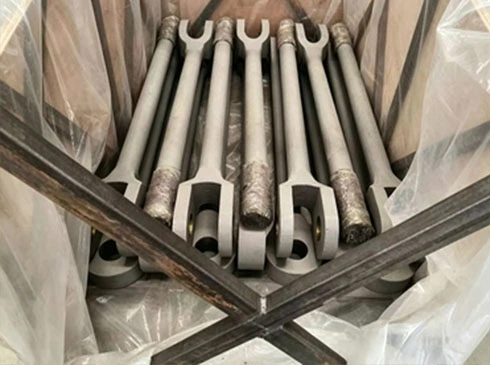
Understanding the Role of the Upper Sealing Valve in Blast Furnace BLT Equipment
What Defines the Upper Sealing Valve in Modern Ironmaking
The upper sealing valve for the blast furnace BLT equipment is at the very top of Bell-Less Top charging systems. It controls the flow of materials into blast furnaces and keeps the pressurized air inside the furnaces separate. During filling processes, this valve opens to let ore, coke, and flux fall into the furnace. It then closes again to keep the air out. This cycle happens thousands of times every month, so dependability is very important for production to keep going.
Nowadays, gates come in circular or wedge-shaped shapes that make them easier to clean themselves when they are closed, so dust doesn't build up on the closing surfaces. The body of the valve is usually made of high-strength alloy steel castings like ZG25Mn or ZG35CrMo, which are made to be able to handle going from room temperature to temperatures close to 350°C. Cobalt-based Stellite or tungsten carbide coatings are used to give sealing surfaces special treatments that make them harder, with HRC 50–55 ratings, so they can withstand wear from sinter fines and coke dust.
Operating Principles and System Integration
There are hydraulic or pneumatic systems that move the valve and precisely control the force during the opening and closing sequences. In large setups, hydraulic systems are the most common because they are better at damping and can make enough shutting force to counter the pressure inside the furnace, which can reach 0.4 MPa in high-efficiency operations. The action sequence works with material discharge mechanisms and pressure equalization systems to keep the charging process smooth and free of pressure spikes.
Working together with the material hoppers, distribution chutes, and the lower sealing valve to make a sequential charging process is what integration with the BLT system is all about. The upper valve is the main seal against the atmosphere, and sensors check its position, the integrity of the seal, and the force used to open and close it. Modern installations have nitrogen purge systems that inject inert gas into the sealing zone while the door is closed. This clears the area of dust and keeps the sealing surfaces from oxidizing. This integration makes a charging environment that is fail-safe and saves both people and tools.
Technical Specifications That Matter
The valve's ability to keep its sealing integrity under normal operating conditions is shown by its pressure rating. There are different furnace top pressure methods that fit within the standard range of 0.25 MPa to 0.4 MPa. Temperature resistance covers continuous operation from 200°C to 350°C, and peak tolerance accounts for thermal spikes that happen sometimes when charging isn't done correctly. The makeup of the material strikes a balance between its mechanical strength and its heat expansion properties. This keeps the dimensions from changing in ways that could damage the seal contact.
How well a seal works against particle intrusion depends on its geometry. Mirror-finished sealing surfaces have roughness values of Ra 0.8 or higher, which makes metal-to-metal contact that stops gas flow but lets heat expand. Following manufacturing standards like YB/T 4255 makes sure that measurements are correct and that materials can be tracked back to their source. Quality management rules based on ISO 9001 make sure that inspection methods, material certifications, and performance test results are properly recorded and can be used to build trust in the buying process.
Key Benefits and Performance Advantages of Upper Sealing Valves
Safety Enhancement Through Gas Containment
There are levels of carbon monoxide in blast furnace gas that are higher than 20%. If this gas gets into working areas, it can kill people. The Upper sealing valve for the blast furnace BLT equipment stops fugitive emissions during the yearly thousands of charging cycles. This keeps plant workers safe and meets safety standards. Gas-tight performance is put through a lot of tests using nitrogen or air at 1.1 to 1.25 times the maximum working pressure. For the tests to be considered successful, there can be no leaks found during certain hold periods.
When sensors notice unusual pressure differences or temperature changes, the emergency shutdown feature lets the valves close quickly, cutting off the furnace from the charging equipment. This fail-safe design stops hot gases from flowing back into material handling systems. This keeps equipment from getting damaged and keeps fires from starting. In more advanced designs, backup containment is provided by redundant sealing mechanisms in case the primary seals wear out. This keeps safety margins during the maintenance interval.
Operational Efficiency and Energy Optimization
Keeping the top pressure steady has a direct effect on how well the furnace works by controlling how the gas flows through the load layers. Top pressure drops when upper seals are broken, which messes up the planned patterns of gas-solid contact that drive reduction reactions. Even small damage to the seals can lower fuel economy by 2% to 3%, which adds up to a lot of wasted energy over the course of a year. Reliable sealing keeps the engineered pressure profile, which increases the efficiency and productivity of the coke rate.
Modern valve designs cut down on actuation time, which shortens the time that pressure changes happen during charging. Rapid closing processes that last less than 10 seconds quickly recover stable conditions. This makes it possible for higher charging frequencies that support higher production rates. Hydraulic systems that use less energy recover pressure when valves are opened, which lowers the amount of power that is wasted. These operational benefits add up over time, leading to measurable improvements in the economics and environmental performance of the plant.
Material Innovation Driving Longevity
In places that handle low-quality raw materials, where there was a lot of dust, traditional valve designs wore out quickly. These problems are solved by modern engineering's advanced surfacing technologies, which join metal frames with materials that don't break down easily. These treatments for the hard surfaces can handle gritty particles hitting them while still being flexible enough to handle temperature expansion and mechanical shock.
Thermal barrier coats keep valve bodies from being exposed to direct heat, which makes parts last longer in furnaces that run at high temperatures. Ceramic-based coatings insulate metal surfaces, lowering the stress caused by thermal cycling and stopping materials from breaking down too quickly. Wear parts can be replaced without taking the whole valve off with modular seal designs. This cuts down on maintenance downtime from days to hours. When you combine material science with real-world engineering, you get longer service intervals that make plants more available and lower their lifecycle costs.
Common Challenges and Maintenance Best Practices for Upper Sealing Valves
Typical Failure Modes and Their Causes
Wear on sealing surfaces is the most common type of degradation. This is caused by rough dust particles getting stuck between mating surfaces while they are closed. When sticky sinter fines and water mix, they make aggressive slurries that remove material faster, especially when self-cleaning geometries are harmed by uneven load distribution. Seal leakage happens slowly as surface roughness rises, and it needs to be fixed when pollution tracking systems find high gas concentrations.
Failures in the hydraulic system stop the upper sealing valves for the blast furnace BLT equipment from moving, which could be dangerous if the valves can't close against the pressure of the furnace. Hydraulic fluid that is contaminated speeds up the wear on cylinder seals and control valves, and particles can damage precision parts when there isn't enough filtration. Extreme temperatures can change the viscosity of fluids and make seals less effective, especially in places that don't have enough thermal protection. These chain failures that make valves less reliable can be avoided by regularly testing the fluid and maintaining the filtration system.
Proactive Maintenance Strategies
Inspection times that are based on operating hours instead of calendar time take into account how production changes and how heavy the load is. When planned shutdowns are used to look at sealing surfaces visually, early-stage wear patterns can be found before the surfaces stop working properly. By using precision gauges to measure dimensions, you can keep track of how fast the seal face wears away. This lets you make repair decisions based on facts that balance the life of the part against its performance risk.
Troubleshooting Techniques for Extended Service Life
Nitrogen purge systems need to be checked regularly to make sure they have the right flow rates and pressure differences. When purge nozzles get clogged, they don't clean as well, and dust builds up, which speeds up seal wear. During operations, measuring flow and keeping an eye on pressure give early warning of purge system degradation. During maintenance times, filters are changed and distribution pipes are inspected to keep the system working well throughout the valve's life cycle.
Uneven wear patterns that show partial seat contact show that the valve disc and body are not lined up properly. Aligning the hydraulic cylinder and checking the guide bearings can find mechanical problems before they lead to the seal failing completely. Shimming and adjusting methods get the shape back to normal, which extends the service life without having to replace expensive parts. Keeping track of the past of adjustments helps with predicted maintenance by showing patterns in how stable the machine is.
How to Choose the Best Upper Sealing Valve for Your Blast Furnace BLT Equipment
Critical Selection Criteria for Furnace Compatibility
The size of the furnace directly affects the size of the upper sealing valve for the blast furnace BLT equipment that is needed. For larger installations, the sealing diameters and actuation forces need to be bigger. Facilities that use furnaces bigger than 2500 cubic meters need heavy-duty valves that can handle material surge loads during fast filling processes. Pressure ratings must be higher than the highest expected pressure by a sufficient amount to allow for any possible operational deviations that may happen during grade changes or changes in the chemical load.
Material compatibility with burden characteristics determines coating selection and maintenance intervals. Plants processing high-silica ores experience different wear patterns compared to facilities using iron-rich burdens with lower abrasive potential. Moisture content in charged materials affects sealing effectiveness, requiring enhanced purge systems in humid climates or when handling materials with elevated surface moisture. Understanding these operational variables guides appropriate valve specification that balances performance against total cost of ownership.
Comparing Valve Designs and Technologies
Gate valve designs are most common in blast furnaces because they have straight-through flow paths that keep material from getting stuck while they're charging. Wedge designs have self-centering actions that keep the seal in place even when the temperature changes, and parallel-slide gates need less force to open and close, making them suitable for pneumatic systems. Spherical disc designs work well in places where things stick together because they use rotational motion to get rid of fines that build up during closure.
Evaluating Suppliers and Manufacturing Quality
When choosing an actuator technology, you have to weigh the benefits and drawbacks of force, speed, and upkeep. Hydraulic systems provide the strong closing forces needed for large valves to work at high pressures, but they need extra parts like pumps, accumulators, and fluid conditioning systems. For smaller furnaces with lower pressure ratings, pneumatic actuation is a good choice because it makes installation and maintenance easier. Electric actuators allow precise position control and eliminate the risk of hydraulic fluid leaks, making them popular in modernization projects that put environmental compliance first.
Suppliers with a history of making metallurgical equipment can be trusted to have the right technical knowledge and understand how to use it. Manufacturers who have blast furnaces that are already up and running can show that their designs have worked in the real world. References from operating facilities help with choosing a supplier because they show how reliable the product is, how much maintenance it needs, and how good the support is after delivery.
Procurement Insights and Building Trust with Your Equipment Partner
Understanding Total Cost of Ownership
Long-term economics are mostly about upkeep, downtime, and energy efficiency, so the initial buy cost is only a small part of the total costs. Upper sealing valves for the blast furnace BLT equipment designs that allow for longer service intervals use less maintenance labor and spare parts, which makes up for higher acquisition costs by making the valves more available. Energy-efficient actuation systems reduce the amount of extra power that is used, which saves money on operations over many years of use. These things are taken into account by comprehensive cost analysis to find real value that goes beyond just comparing prices.
Lead times are very different depending on how customized the product needs to be and how much space the factory has. Standard designs that have been used before have faster delivery times that make them good for replacing things quickly. On the other hand, engineered solutions that are made to fit specific furnace setups take longer to build and make. Total project timelines are affected by things in the global supply chain, such as shipping, clearing borders, and local rules. Getting involved with providers early on in the planning stages of a project can help with these issues and keep the schedule from getting thrown off.
The Value of Comprehensive After-Sales Support
By providing technical support throughout the lifecycle of an item, suppliers become strategic partners instead of just transactional vendors. Assisting with pre-installation tasks like checking dimensions, coordinating interfaces, and creating installation procedures can lower the risks and delays that come with commissioning. On-site commissioning help makes sure that the installation, calibration, and first use are done correctly, and that the knowledge is shared with the plant's care teams.
Spare parts availability affects long-term operational security, especially for facilities that are far from manufacturing centers. Suppliers who keep a strategic inventory of critical wear parts can respond quickly to unplanned maintenance needs, which keeps production from stopping too often. Technical training programs for maintenance staff make it easier for them to do everyday service jobs without having to rely on outside help. This makes it easier to solve problems when operational problems arise.
Building Confidence Through Quality Credentials
Manufacturing certifications show that the process is being followed correctly and that quality management is advanced. Compliance with ISO 9001 means following written rules for quality control during design, tracking materials, inspections, and corrective action methods that make sure the quality of the final output is always the same. Pressure equipment certifications make sure that the engineering calculations, choice of materials, and testing methods meet safety standards that are common in high-pressure industrial settings.
Customer references and case studies show how applications have worked well in similar settings, providing operational proof to back up provider claims. Facilities that deal with similar types of loads, pressures, and output needs can be used as success standards. Site visits to reference sites let you see the state of the equipment firsthand and talk to operating staff about how reliable it is, their experiences with maintenance, and how quickly the provider responds to support needs.
Conclusion
The upper sealing valve is an important part of modern blast furnace processes that affects safety, economy, and environmental compliance. Its well-thought-out design takes into account the harsh facts of constant ironmaking, and the upper sealing valve for the blast furnace BLT equipment keeps gases contained reliably through thousands of charging cycles and can handle rough materials and high temperatures. To get the best lifecycle performance, you need to carefully look at the furnace parameters, operational needs, and supplier capabilities before choosing the right valve technology. Maintenance plans that focus on preventive inspections and replacing parts before they break down can increase service life and reduce unplanned downtime. Strategic relationships with experienced providers offer technical support, quality certification, and quick service that improves the long-term success of operations.
FAQ
1. What service life can be expected from a quality upper sealing valve?
High-quality valves can usually work continuously for 18 to 24 months before the seal surface needs to be refinished. However, the actual lifespan depends on how rough the load is, how often it is charged, and how well it is maintained. Facilities that handle higher-grade materials and have effective cleaning systems may be able to go above and beyond these standards. On the other hand, facilities that work with sticky or wet materials experience faster wear that needs more frequent maintenance.
2. Can sealing components be replaced without complete valve removal?
Modern modular designs let you change the sealing rings and valve plates as separate wear parts during planned repair breaks. Compared to replacing the whole valve, this method drastically cuts down on downtime, and fixes are usually finished within 8 to 12 hours. Facilities should check the modularity of the equipment they buy before they buy it to make sure it works with their maintenance plans and spare parts planning.
3. Why do hydraulic systems prevail over pneumatic actuation?
Higher closing forces are needed to deal with high furnace pressures, and hydraulic systems provide better damping that stops mechanical shock. Precise force control lets the valve close slowly, which reduces changes in the pressure and keeps the furnace stable during charging transitions. These performance benefits make the more complicated hydraulic infrastructure worth it in tough situations.
Partner with SMEC for Reliable Blast Furnace Sealing Solutions
At SMEC, we know how important it is for your blast furnace processes that the seals are tight. Our engineering team has a lot of experience with BLT charging systems and can provide upper sealing valve options that are perfect for the tough conditions of modern ironmaking. Our 23,000-square-meter factory is in Taiyuan City, which is in Shanxi Province's comprehensive industrial zone. It has advanced machining capabilities and strict quality control protocols that meet international standards.
Our Large-scale Intelligent Coking Equipment Research Institute comes up with new sealing technologies that help steelmakers and mining facilities deal with problems they face in the real world. We provide full expert help from the initial design phase through installation and commissioning. Our responsive after-sales service also makes sure that your business stays running. Our team has the skills and dependability you need whether you're upgrading old equipment to meet environmental standards or planning for new installations. Contact us at project@smec.cc to talk to one of our engineering experts about your specific needs and find out why leading manufacturers trust SMEC as their trusted supplier of upper sealing valves for the blast furnace BLT equipment.
References
1. Chen, W., & Liu, H. (2021). Advanced Materials and Design Optimization for Blast Furnace Top Charging Equipment. Metallurgical Industry Press.
2. International Iron and Steel Institute. (2020). Best Practice Guidelines for Bell-Less Top Charging Systems in Modern Blast Furnaces. IISI Technical Report Series.
3. Zhang, Y., Wang, S., & Li, J. (2019). Tribological Performance of Hard-Facing Alloys in High-Temperature Abrasive Environments. Journal of Materials Engineering and Performance, 28(6), 3421-3435.
4. European Committee for Standardization. (2018). Pressure Equipment Directive Compliance for Metallurgical Process Valves. CEN Technical Specification.
5. Anderson, P. R. (2022). Maintenance Strategies for Extended Equipment Life in Ironmaking Operations. Association for Iron & Steel Technology Conference Proceedings.
6. Nakamura, T., & Suzuki, K. (2020). Energy Efficiency Optimization Through Improved Top Pressure Control in Large Blast Furnaces. ISIJ International, 60(4), 789-798.
Free consultation & volume discounts available
SEMC focuses on the entire metallurgical process—from coking, ironmaking, and steelmaking to continuous casting and rolling. Whether you face challenges related to equipment upgrades, energy efficiency optimization, or overall process transformation, please fill in the following information. Our technical team will provide you with tailor-made high-end equipment upgrade solutions and professional EPC design services to help your project be implemented efficiently.
Recommended Blog
What Are the Benefits of a Blast Furnace Cast Iron Cooling Wall?
How Does a Three-Ring Cone Scrubber Work in Blast Furnace Gas Cleaning?
Why Steel Plants Prefer Custom Blast Furnace Tuyere Equipment?
OEM Blast Furnace Tuyere Equipment: Benefits for Steel Plants
How to Choose a Reliable Blast Furnace Vent Valve Manufacturer?