How to Reduce Operating Costs of Three-Ring Cone Scrubbers
Understanding Operating Cost Drivers of Three-Ring Cone Scrubbers
- Understanding Operating Cost Drivers of Three-Ring Cone Scrubbers
- Optimizing Design and Operating Parameters to Cut Costs
- Maintenance Best Practices to Minimize Unexpected Expenses
- Comparing Three-Ring Cone Scrubbers with Alternative Scrubbing Technologies
- Leveraging Supplier Expertise and Support to Lower Total Cost of Ownership
- Conclusion
- FAQ
- Partner with SMEC for Cost-Effective Gas Cleaning Solutions
- References
To lower the costs of running blast furnace three-ring cone scrubbers, you need a plan that combines efficiency, maintenance, and smart buying choices. These specialized wet-type dust removal systems are necessary in ironmaking gas cleaning plants, but they can take up a lot of money if they aren't handled well. Plant managers and buying teams can find specific ways to cut costs by looking at things like how much energy pumps and compressors use, how often consumables need to be replaced, and the amount of work that goes into upkeep. By adopting preventive maintenance plans, optimizing practical factors, and working with experienced suppliers, you can save money while keeping the ultra-clean gas output that is needed for processes further down the line and the stability of the blast furnace.
Understanding Operating Cost Drivers of Three-Ring Cone Scrubbers
Finding out where costs add up is the first step toward lowering them in a real way. We know that the main cost of wet scrubbing systems comes from the energy they use because we've worked with coking plants and steel makers. A big chunk of monthly energy bills can come from the pumps that move the cleaning liquid around and the fans that keep the system pressure steady. This is especially true for places that are always working.
Energy Consumption Analysis
The biggest cost factor that can be controlled is the demand for electricity from extra equipment. Centrifugal pumps that recycle cleaning water usually work all the time, and types that aren't very efficient or equipment that's too big waste power without improving performance. Keeping the difference pressure across the circular gaps with compressors is another big part of energy bills. When large businesses that process more than 300,000 cubic meters of gas per hour switched to variable frequency drives, the energy use of the pumps dropped by 18 to 24 percent. This saved the companies a lot of money every year.
Consumables and Spare Parts Replacement
The wear-resistant parts in the scrubber system need to be replaced every so often, depending on how rough the gas is and how many hours it has been used. Impacts from fast-moving particles wear away the center cone, which is usually made of alloy steel with a tungsten carbide or ceramic covering. Even though the three inner rings are safer, they still need to be checked for scaling and mechanical wear. Under normal conditions, these parts should be replaced every three to five years. However, harsh working conditions can cut this time frame by a large amount. Teams in charge of buying things have to plan for these known costs and keep an eye on stock for important parts like seals, nozzles, and hydraulic actuators.
Maintenance Labor and Downtime Costs
Unplanned shutdowns mess up output schedules and cause costs to rise across the whole plant. Every hour of pause not only stops gas cleaning, but it can also affect how the blast furnace works, making it harder to control the pressure and possibly putting people in danger. Maintenance labor costs include more than just pay. They also include hiring expert contractors to do things like applying coatings, servicing hydraulic systems, and inspecting structures. When plants put off upkeep to "save" money, they often end up with longer outages and more expensive emergency fixes that are far more than what they would have spent on preventative care.
Optimizing Design and Operating Parameters to Cut Costs
If you carefully change the setup and operating settings of the scrubber, you can get instant efficiency gains without having to spend any money on new equipment. Because blast furnace three-ring cone scrubber designs are adjustable, they offer more freedom than set Venturi systems, letting workers fine-tune performance for different gas situations.
Material Selection and Multi-Ring Configuration Benefits
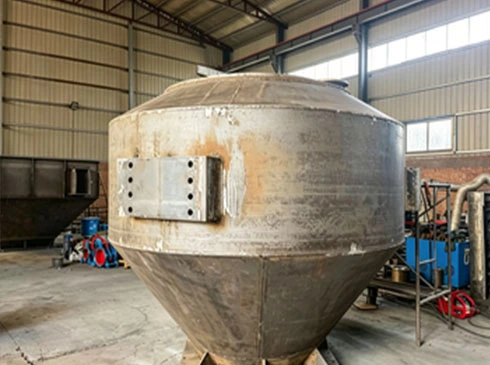
The three-ring structure makes many swirling zones that increase the surface area where gas and water touch. This makes it possible to collect more dust at lower pressure drops than with single-stage designs. Because of this design benefit, less energy is needed to move gas through the system. When designing equipment, choosing materials that are both resistant to rust and low-cost can make it last longer without spending more than necessary. We make our core parts out of 316L stainless steel and offer an optional Stellite coating for very rough settings. This gives them long-lasting performance that makes the initial investment worthwhile by lowering the number of times they need to be replaced.
Ceramic overlays on the center cone of the blast furnace three-ring cone scrubber have hardness values of HRC 55–62. This makes a wear surface that stays stable in size even when processing dust amounts of 10–20 grams per normal cubic meter. This careful attention to material engineering cuts down on the number of time-consuming and expensive re-coating processes needed and keeps the annular gap sizes constant, which keeps the best flow properties.
Parameter Tuning for Efficiency
One of the most important practical changes that plant engineers can make is to change the amount of liquid to gas. Most blast furnace three-ring cone scrubbers work well at rates of 0.3 to 0.6 liters per cubic meter. This is a lot less than older Venturi designs, which may need 1.0 or higher. Too much water flow raises the cost of pumping without cleaning as well, and not enough liquid causes dust to not be fully captured and equipment risks further downstream.
Temperature control also affects how well cleaning works and how much energy is used. The scrubber can handle gas temperatures of up to 250 degrees Celsius, but it wastes water and energy to cool the stream more than it needs to be. By keeping an eye on the temperatures coming in and going out, workers can change the flow rates of water on the fly, adjusting the cooling needs to the real process conditions instead of always running at full capacity.
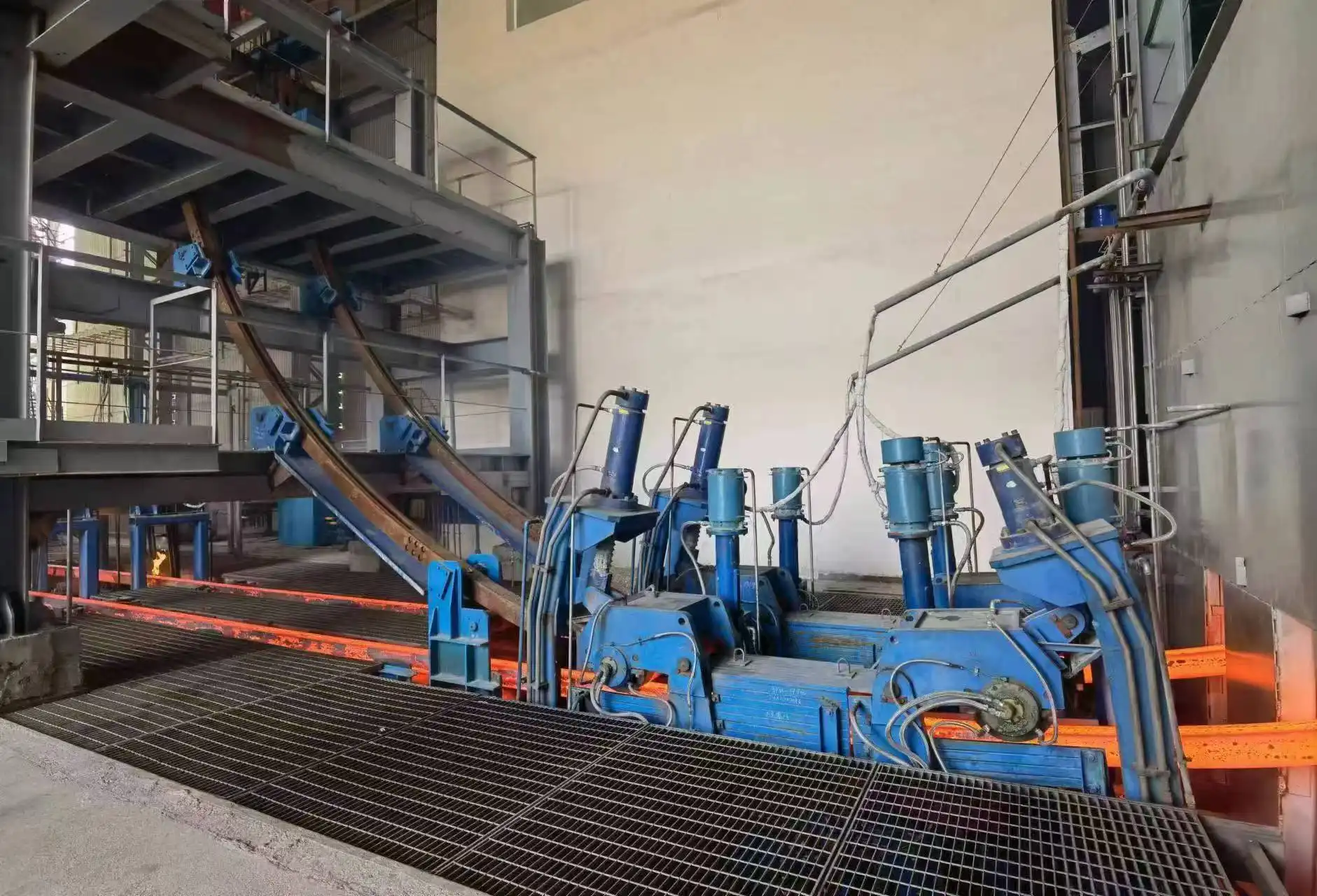
With automated control systems, you don't have to guess how to make these changes. Within 1.5 to 2 seconds, hydraulic actuators react to changes in the top pressure of the blast furnace by moving the center cone to keep the best difference pressure of about ±2 kilopascals. This accuracy stops the waste of energy that comes with making changes by hand and lowers the workload of operators, freeing them up to work on more important tasks.
Maintenance Best Practices to Minimize Unexpected Expenses
With preventive maintenance, fix costs that are hard to predict become reasonable regular costs. Setting up check schedules based on how things wear over time helps find problems early, when fixes are still easy and cheap.
Scheduled Inspection Protocols
Critical wear spots should be inspected visually once a month, either during short breaks in operation or through viewing ports while the machine is running continuously. Plant engineers should keep track of the state of spray nozzles and look for damage or clogging that would make the spray pattern less effective. Scale growth needs to be checked on the ring surfaces, especially when the recirculating water has more than the suggested 50 milligrams per liter of suspended solids. Finding scale early on lets acid cleaning happen during planned shutdowns instead of having to be done in an emergency, which stops output.
Checks of the hydraulic system make sure that the actuator responds correctly and find worn-out seals before they cause leaks. We suggest checking the accuracy of tracking every three months to make sure that the system stays in control within a one percent mistake range. Testing the quality of hydraulic fluid can find contamination that speeds up the wear on parts, and replacing the fluid when it's time is much cheaper than rebuilding an actuator.
Predictive Maintenance Technologies
With the help of more advanced diagnostic tools, upkeep can go beyond regular times and become condition-based. Monitoring vibrations in pump systems finds worn bearings and unbalanced impellers before they cause major problems. Ultrasonic thickness tests on the cone assembly and pressure tank walls shows how corrosion is spreading, so replacements can be planned based on how much material is being lost instead of how long the parts are expected to last. Thermal imaging shows patterns of heat that show when insulation is breaking down or when mechanical systems are rubbing together in strange ways.
These technologies don't cost much to develop, but they pay for themselves many times over by avoiding the secondary damage that happens when main components fail. When a pump bearing breaks all of a sudden, the shaft often gets out of line, which damages the impeller and housing and makes the fix costs go up. Predictive signs let you change the bearings on time when only one of them needs to be fixed.
Corrosion and Scaling Management
The nature of the water for the blast furnace three-ring cone scrubber has a direct effect on how long equipment lasts and how well it works. To keep calcium and magnesium from building up on the rings, the hardness of the recirculating scrubbing water should be checked. Internal spray nozzles clean themselves in some ways, but high-pressure water jetting during planned shutdowns gets rid of buildups that make touch less effective. Water softening systems may help plants that work in places with very hard water. These systems raise the cost of cleaning slightly but greatly reduce scaling issues and make parts last longer.
Corrosion control starts with choosing the right materials and continues with the way things are done on the job. Steel parts are less likely to be damaged by acidic water if the pH level in the cleaning water stays between 6.5 and 8.0. Cathodic protection systems or corrosion-inhibiting additives offer extra defense in tough chemical environments that are common in coal processing plants where the scrubber deals with gases that contain sulfur compounds and other acidic substances.
Comparing Three-Ring Cone Scrubbers with Alternative Scrubbing Technologies
Strategic choices about tools are based on how well different scrubber designs work in terms of cost and efficiency. When used in a blast furnace, the blast furnace three-ring cone scrubber design has clear benefits over other technologies.
Performance and Efficiency Advantages
Venturi scrubbers are very good at collecting dust, but they cause big drops in pressure, which means the fan needs more power. Their set shape means that it can't adjust to different gas amounts, so they have to work at full capacity even when the conditions of the blast furnace would let them use less energy. Blast furnace three-ring cone scrubbers change their throat area dynamically to keep the best speed. This lowers pressure drops by twenty to thirty percent compared to set Venturi designs while capturing dust down to particle sizes of five milligrams or less per standard cubic meter.
Cyclone scrubbers use less energy, but they have trouble getting rid of fine particles, so they can't be used to protect sensitive devices like Top Gas Recovery Turbines on their own. Centrifugal separation and multiple gas-water contact zones in blast furnace three-ring cone scrubber designs get rid of particles smaller than two microns. This stops blade wear that shortens the life of turbines and requires expensive upkeep.
Lifecycle Cost Analysis
The full cost of ownership includes not only the price of buying it but also the costs of running it for decades. Blast furnace three-ring cone scrubbers usually have lower lifetime costs because they use less energy, need parts to be replaced less often, and are easier to maintain. The flexible cone assembly has fewer wear parts than complicated Venturi throat systems. The strong pressure vessel design meets ASME Section VIII standards, which guarantees structural stability over long service lives.
When plants switched from older set designs to newer blast furnace three-ring cone scrubbers, they saved a lot of energy and saw a payback in three to five years. They also got more benefits like less upkeep work and more stable processes. Being able to keep the top pressure of the furnace stable even when the load is moving or hanging stops production interruptions that cost a lot more than the cost of the equipment.
Selection Criteria for Procurement
To pick the right scrubbing technology, you have to make sure that the equipment's skills match the needs of the job. Blast furnace three-ring cone scrubbers work great in high-pressure smelting with top pressures of 0.2 to 0.3 megapascals. Their changeable resistance keeps furnace processes stable. Facilities that prioritize ultra-clean gas for TRT systems benefit from better fine particle removal that keeps turbine parts safe. Plants that have changing production plans can be more efficient when they can make changes on the fly, which isn't possible with set designs.
When buying something, suppliers' dependability and their ability to provide expert help are very important. Part of how long a piece of equipment lasts depends on how well it was designed, but it also depends on how well the maker can provide legitimate replacement parts, field service knowledge, and quick technical help when operational questions come up.
Leveraging Supplier Expertise and Support to Lower Total Cost of Ownership
Strategic relationships with experienced makers of blast furnace three-ring cone scrubber help cut costs even more by giving expert support that goes beyond just delivering equipment. Suppliers who know a lot about the industry can help with system integration and long-term business success.
Customization and System Integration
Standard equipment doesn't always perfectly match the needs of a particular spot. Reputable makers offer technical design that makes blast furnace three-ring cone scrubbers work best in real-world situations, with different types of gases and limited room. We do thorough site surveys to make sure that the hydraulic actuator capacities, pressure tank ratings, and material choices meet the exact needs of each building. This customized method stops both over-engineering, which raises costs, and under-specification, which limits how the product can be used.
To connect to current gas cleaning systems, you need to pay close attention to how the pipes are set up, how the control systems talk to each other, and how the safety interlocks work. During the planning process, our engineering team works with plant staff to make sure that the installation goes smoothly. This cuts down on the time it takes to commission and prevents having to make costly changes during startup. When integration is done right, it improves gas flow patterns, lowers noise losses, and places instruments so that they can accurately watch the process.
Comprehensive Warranty and Installation Support
Manufacturers who make good products stand behind their products with guarantees that cover problems with the way they were made and products that break down too soon. We cover all structural parts, hydraulic systems, and the stability of the coating, which lowers the risk to your finances during the important early working period. Professional installation services make sure that the equipment is properly put together, aligned, and set up so that it works at its best from the start.
Using a laser to measure during installation makes sure that the three rings and central cone are all centered and lined up. This creates even circular gaps that stop high-velocity wear in certain areas. Before process gases are added, the casing and seal are checked for soundness using hydrostatic pressure tests at 1.5 times the design pressure. When trained workers follow these strict installation steps, problems that would happen because of bad assembly are avoided. These problems would otherwise lead to warranty claims and working headaches.
After-Sales Service and Genuine Parts Availability
Long-term cost control rests on being able to get replacement parts and expert help when you need them. Our Taiyuan facility keeps a full inventory of parts, so we can quickly send crucial parts that keep downtime to a minimum during maintenance events. Original equipment manufacturers make sure that genuine parts work with their machines and don't break down early like cheaper aftermarket parts tend to do.
Our after-sales service team is made up of engineers with a lot of experience in the field. They offer technical support over the phone, on-site help, and training programs for operators. This knowledge helps plant workers improve operational factors, understand diagnostic data, and use best practices that make tools last longer. Talking to customers on a regular basis helps you understand new problems and make product changes that help the whole industry.
Conclusion
To lower the costs of running blast furnace three-ring cone scrubbers, you need to pay attention to the design, the way they are run, preventative upkeep, and your strategic ties with suppliers. By fine-tuning parameters and upgrading equipment, you can save energy and money right away, and predictive maintenance can keep expensive problems from happening. Choosing advanced adjustable designs over set options has long-term benefits like better performance and lower costs over the span. Partnering with makers that offer full technical support, original parts, and engineering knowledge guarantees that operations will run smoothly and costs will stay low for decades.
FAQ
How does the three-ring design improve efficiency over single-ring configurations?
The three-ring structure makes many swirling zones that greatly increase the surface area where gas and water can touch each other. This improved relationship makes it possible to collect more dust while keeping pressure drops across the system low. The result is better cleaning performance with less energy use compared to simpler systems that only use one stage of touch.
What typical service intervals should plants expect for major components?
Depending on how abrasive the gas is and the coating material chosen, the center cone piece usually needs to be re-coated or replaced every three to five years. Similar amounts of time need to pass before hydraulic actuator seals need to be replaced. However, structural parts like the pressure tank and ring assemblies can last for decades if they are kept free of rust. Following the manufacturer's instructions, bearings should be serviced every 8,000 to 12,000 hours of operation for pumps and motors.
Can water quality variations significantly impact operating costs?
The chemical of the water directly affects how often parts need to be maintained and how long they last. Scaling on ring surfaces is caused by hard water, which makes cleaning less effective and requires more frequent chemical cleaning. Solids in the water that are higher than 50 milligrams per liter make spray nozzles and pump impellers wear out faster. Putting money into water cleaning systems pays off because the parts last longer and work consistently, which keeps the efficiency from dropping.
Partner with SMEC for Cost-Effective Gas Cleaning Solutions
SMEC has decades of experience with coking and metallurgical tools, and they use that experience on every blast furnace three-ring cone scrubber job. Our factory in Taiyuan makes precision-engineered systems that use advanced materials, automatic controls, and tried-and-true three-ring designs to get the best cost-benefit ratio. We work closely with plant engineers and procurement teams to define, adapt, and deliver solutions that meet the needs of particular operations. From the first meeting to installation, commissioning, and continued service, our 168 engineering experts offer full support. Our expert team is ready to talk about how our blast furnace three-ring cone scrubber source can help you lower your operating costs and make your equipment more reliable, whether you need a full gas cleaning system or just a few parts to make your current equipment better. Get in touch with us at project@smec.cc to find out how our solutions can help your facility and why top steelmakers and coking plants around the world trust SMEC for their most important gas cleaning needs.
References
Anderson, M. J., & Chen, L. (2021). Energy Optimization in Industrial Gas Cleaning Systems: Best Practices for Wet Scrubbers. Journal of Environmental Engineering, 147(8), 04021032.
Kumar, R., Singh, A., & Patel, D. (2020). Lifecycle Cost Analysis of Blast Furnace Gas Cleaning Technologies. Iron and Steel Technology, 17(3), 112-125.
Schmidt, H., & Wagner, K. (2019). Maintenance Strategies for High-Temperature Dust Removal Equipment in Ironmaking Facilities. Metallurgical Plant and Technology International, 42(5), 68-79.
Thompson, P. R. (2022). Comparative Performance of Adjustable Venturi and Multi-Ring Cone Scrubbers in Blast Furnace Applications. Process Safety and Environmental Protection, 158, 445-458.
Zhang, W., Liu, Y., & Wang, X. (2020). Material Selection and Coating Technologies for Wear-Resistant Components in Wet Gas Scrubbing Systems. Materials and Corrosion, 71(9), 1523-1537.
Zhou, T., & Lee, S. (2021). Predictive Maintenance Technologies for Industrial Dust Collection Equipment: Implementation and ROI Analysis. Maintenance and Reliability, 23(2), 289-302.
Free consultation & volume discounts available
SEMC focuses on the entire metallurgical process—from coking, ironmaking, and steelmaking to continuous casting and rolling. Whether you face challenges related to equipment upgrades, energy efficiency optimization, or overall process transformation, please fill in the following information. Our technical team will provide you with tailor-made high-end equipment upgrade solutions and professional EPC design services to help your project be implemented efficiently.
Recommended Blog
How to Choose a Blast Furnace Drill Rod Replacement Device Supplier?
OEM Blast Furnace Tuyere Equipment: Benefits for Steel Plants
How Overall Blast Furnace Renovation Improves Steel Plant Efficiency?
How to Extend the Service Life of Blast Furnace Tuyere Equipment
How Three-Ring Cone Scrubbers Improve Blast Furnace Gas Quality
How to Choose the Right Partner for a Blast Furnace Modular Renovation Project?
How Real-Time Tuyere Imaging Service Can Extend Your Blast Furnace Life