What Are the Main Components of a Blast Furnace Sealing System?
Overview of Blast Furnace Sealing Systems
- Overview of Blast Furnace Sealing Systems
- In-Depth Analysis of the Upper Sealing Valve for Blast Furnace
- Comparing Upper Sealing Valve Types and Brand Solutions
- Maintenance, Troubleshooting, and Installation Guidance for Upper Sealing Valves
- Procurement and Supply Chain Considerations for Upper Sealing Valves
- Conclusion
- FAQ
- Partner With SMEC for Advanced Blast Furnace Sealing Solutions
- References
A blast furnace sealing system is made up of several parts that work together to keep the furnace airtight even when it's under a lot of stress. The system's main components are the upper sealing valve for the blast furnace BLT equipment, which keeps harmful gas from escaping at the charging interface, and the lower sealing valve, which keeps the hopper section isolated during material discharge cycling. Supporting parts like hydraulic control units, nitrogen purge circuits, and special sealing rings all work together to keep the internal pressure stable while dealing with the problems that come with making iron today, like abrasive dust and temperature expansion.
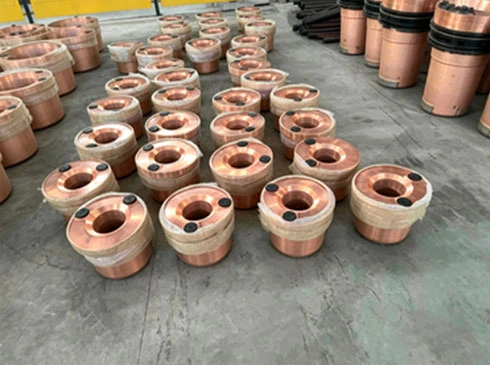
Overview of Blast Furnace Sealing Systems
Controlling the atmosphere inside a modern blast furnace needs to be done with great accuracy, especially when adding raw materials to high-pressure smelting environments. The sealing system watches over this closed-loop process and keeps the top pressure that is needed for efficient iron reduction while stopping dangerous blast furnace gas from escaping. Anyone who works with steelmaking equipment needs to know how these systems are put together.
Critical Role in Maintaining Furnace Pressure
In Bell-Less Top charging systems, the sealing piece makes a stepped pressure lock that lets material in without changing the temperature or pressure inside the furnace. As the battery charges, the upper and lower valves open and close at different times, creating an airlock effect. The internal pressure stays stable at 0.25 to 0.4 MPa when the upper sealing valve for the blast furnace BLT equipment is closed. This makes the best use of gas flow distribution across the load layers. This controlled climate has a direct effect on how much coke is used and other productivity measures that steel plant managers keep a close eye on.
Material Engineering for Extreme Conditions
When a blast furnace is working, it puts a lot of stress on the parts that seal it. Specialized metalworking solutions are needed for parts that are exposed to temperatures between 200°C and 350°C all the time, along with rough dust from sinter and coke fines. Precision casting and heat treatment are used to make the bodies of high-strength alloy steel parts. Cobalt-based alloy overlays are used to make the sealing surfaces as hard as HRC 50 to 55. These choices about materials have a direct effect on how often they need to be serviced and how much it costs to maintain them. This makes them an important factor in purchasing decisions.
In-Depth Analysis of the Upper Sealing Valve for Blast Furnace
The upper sealing valve for the blast furnace BLT equipment is the main divider between the furnace's internal atmosphere and the outside air. It is located at the highest point of the BLT charge system. How a plant is run affects whether it meets environmental goals and keeps up the levels of productivity needed to be competitive in the steelmaking industry.
Sealing Mechanism and Design Architecture
The gate of the valve is usually shaped like a sphere or a wedge, and it cleans itself during each closure cycle. As the valve plate moves down onto the sealing seat, it scrapes off any dust that has gathered there. This keeps the dust from building up and damaging the seal. Modern models have pressurized nitrogen purge systems that inject gas through strategically placed ports right before seating. This makes a cushion that moves particles around even more. Compared to static seal designs, this two-step cleaning method greatly increases service life.
Actuation Systems and Control Integration
In large-scale operations, hydraulic actuation has become the best way to move the upper sealing valve for the blast furnace BLT equipment. The hydraulic system provides the strong closing force needed to beat the pressure inside the furnace, along with exact damping properties that keep the machine from going into mechanical shock. Position monitors and pressure detectors are built into modern systems. These send data to the plant's distributed control system, which lets seal performance be tracked in real time. When something isn't normal happens, like an incomplete closure or too much leakage, the system sounds an alarm. This makes sure that the problem is looked into right away, before it gets worse and stops production.
Performance Metrics That Matter
To figure out how well an upper sealing valve for the blast furnace BLT equipment works, you need to look at a number of measurable factors. Gas-tightness testing, which is done with nitrogen at 1.1 to 1.25 times the maximum operating pressure, shows any tiny flaws in the seal. To make sure that the mechanical alignment and actuator synchronization are correct, cycle life testing mimics hundreds of open-close operations while the temperature is high. These validated performance metrics give procurement professionals objective ways to compare what different suppliers have to offer and explain to management why they need to spend money on capital projects.
Comparing Upper Sealing Valve Types and Brand Solutions
There are many different ways to solve the sealing problem on the market, from basic cast iron designs to more modern composite ones with ceramic plates and elastomeric backup seals. Knowing these differences helps technical teams choose solutions that fit their unique organizational mindset and load factors.
Traditional Versus High-Performance Designs
Conventional valve designs often sacrifice durability for lower initial cost, and they depend on replacing the seal ring often to keep working. High-performance options made for long campaigns have modular sealing parts that can be switched out during maintenance windows without taking out the whole valve assembly. This design theory cuts down on both the number of parts that need to be kept on hand and the number of hours that skilled workers are needed for upkeep tasks. These advanced designs are especially helpful for facilities that process low-quality raw materials with a lot of dust because they can handle rough conditions that would quickly break down standard equipment.
Technology Differentiation in the Market
Leading companies set their goods apart by using their own unique ideas in engineering design and materials science. Some suppliers offer sealing surfaces that are reinforced with tungsten carbide and are very resistant to wear in places with a lot of dust. Others are working on better actuator designs that use less energy and have shorter turn times. The upper sealing valve for the blast furnace BLT equipment from well-known brands goes through strict non-destructive testing, which includes ultrasonic and magnetic particle inspection of all important welds and structural parts. This makes sure that there are no internal flaws that could lead to catastrophic failures.
Real-World Performance Validation
Case studies from integrated steel mills show that valve methods work very differently in real-world situations. A major North American producer said that after upgrading to more advanced valve technology, they were able to extend the time between maintenance visits from 12 to 24 months. This cut their annual maintenance workload in half. Another site saw a 15% drop in unexpected downtime caused by sealing system failures after using predictive maintenance plans with valve-mounted sensors to back them up. When buying teams look at rival bids, these written results give them the evidence base they need.
Maintenance, Troubleshooting, and Installation Guidance for Upper Sealing Valves
Getting the most out of your investment in blast furnace sealing systems means setting up structured maintenance programs and learning how to fix problems on your own. When you take good care of your equipment, it works the way it's supposed to for as long as it's supposed to.
Preventive Maintenance Best Practices
Setting up a regular inspection schedule stops small wear from getting worse and causing a component to break. Visual checks of the hydraulic cylinder should be done once a month to see if there are any oil leaks or rod scoring that could mean the seals are wearing out. Every three months, the sealing ring surface is inspected with high-precision measuring tools to look for signs of wear that could make the gas seal less effective. During yearly shutdowns, the whole machine is taken apart so that all of its parts can be carefully looked at. Dimensional verification makes sure that important limits stay within the allowed range. Facilities that keep detailed service records create predictive models that figure out the best time to replace parts, so they don't have to be replaced too soon or when they don't expect to fail.
Common Issues and Diagnostic Approaches
When seal leaking happens, thorough troubleshooting quickly finds the cause. Pressure decay testing measures the rate of leaking and helps figure out if the problem is caused by wear on the seal's surface, a mechanical misalignment, or not enough shutting force. Thermal imaging shows hot spots that show where gases can escape. Vibration analysis finds structural or bearing wear that might be stopping the valve from seating properly. Developing this diagnostic skill in-house cuts down on reliance on outside service providers and speeds up the return to normal operation when issues arise.
Installation Requirements and Commissioning Procedures
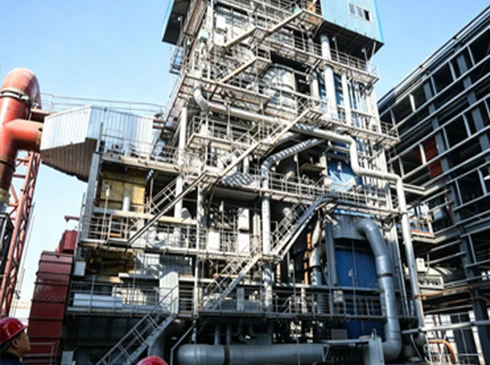
Installing something correctly sets the stage for years of solid service. Precision instruments must be used to check the alignment tolerances before the final bolt-up, because even a small angle misalignment can cause the seal to load unevenly and wear out faster than it should. As part of commissioning a hydraulic system, all pressure relief and flow control valves must be tested to make sure they work as expected. Before putting the furnace back into production, leak testing at working pressure makes sure that the fitting was done right. By teaching plant workers these steps during the initial installation, they will have the knowledge they need for future maintenance tasks.
Procurement and Supply Chain Considerations for Upper Sealing Valves
When buying blast furnace sealing parts strategically, you have to weigh the immediate cost against the total lifecycle value. The choices made during the design and source selection process affect how the equipment works for a long time.
Specification Development and Supplier Evaluation
By making detailed technical specifications, you can be sure that the solutions you're quoted will meet your actual operational needs. Some important factors are the highest leakage rates that can be used, the minimum cycle life that should be expected, and the environmental operating limits. Certifications of materials make sure that the parts that are sent meet the requirements for alloy compositions and heat treatment methods. The manufacturing skills of a supplier should be carefully evaluated. Facilities with advanced machining centers and full testing laboratories show the quality commitment needed for important uses. Referrals from current customers who use similar blast furnace configurations can tell you a lot about how well a supplier will do in the long term and how quickly they can respond to your needs.
Total Cost of Ownership Analysis
The price of the tools is only one part of its total cost. Lifetime economics are affected by things like how often maintenance is needed, how easy it is to get replacement parts, and how much energy is used during operation. By doing an organized total cost of ownership study, you can see how different options really affect your finances. If the seal ring on an upper sealing valve for the blast furnace BLT equipment needs to be replaced every 18 months, it may cost a lot more over ten years than a premium design that only needs to be replaced every 24 months, even if the premium design costs more at first. In addition to saving energy, hydraulic systems that use less power also save money on running costs, which add up over years of continued use.
Supply Chain Risk Management
Problems in the global supply chain have shown how important it is to have stable suppliers and parts on hand. By building relationships with manufacturers who keep enough of the most important wear parts in stock, you can avoid long periods of downtime when replacements are needed. Some facilities use a technique called "dual-sourcing" for major parts, which means they get parts from two or more suppliers instead of just one. This is done so they don't have to rely on a single source. When the market is unstable or when unexpected equipment breaks down, these ways of lowering risk show their worth.
Conclusion
Metallurgical engineering, materials science, and industrial design all come together in blast furnace closing systems, which meet the airtight needs of modern ironmaking. The upper sealing valve for the blast furnace BLT equipment is the most important part of this assembly because it keeps gas inside and can handle high temperatures and high loads. Steel producers can improve both practical efficiency and long-term economics by paying close attention to the valves they choose, how they are maintained, and their ties with suppliers. The technical issues we've talked about here give procurement workers and plant engineers the information they need to make choices that keep the blast furnace running smoothly, efficiently, and safely.
FAQ
1. How long does an upper sealing valve typically operate before requiring maintenance?
When used properly and under normal conditions, high-performance upper sealing valves for the blast furnace BLT equipment last 18 to 24 months before they need to have their seal rings replaced. Facilities that work with materials that produce more dust or that have high top pressures may have shorter periods. By using condition monitoring systems that keep track of leakage rates and cycle counts, you can switch from calendar-based to condition-based maintenance. This lets you choose the best time to replace parts and avoid doing things that aren't necessary.
2. What factors most significantly affect sealing valve service life?
The amount of burden dust has the most significant effect on valve life since rough particles wear down sealing surfaces with each operation. Extreme temperatures and changes in pressure cause thermal and mechanical fatigue, which weakens parts over time. Proper maintenance, such as lubricating and checking the alignment on a regular basis, can greatly increase the time between service visits by stopping wear from speeding up.
3. Can facilities upgrade existing sealing systems without complete furnace shutdowns?
With modular valve designs, the seal ring and valve plate can be changed during normal repair breaks that last a few days instead of weeks. Usually, replacing the whole valve body requires a long shutdown while the boiler cools down. However, if you plan ahead, these major repairs can be done in less time. Adding new valves at the same time as planned relining activities makes the best use of resources and cuts down on the number of production breaks.
Partner With SMEC for Advanced Blast Furnace Sealing Solutions
Choosing the right upper sealing valve for the blast furnace BLT equipment source is important for making sure that your business meets its goals for performance and dependability. SMEC has decades of experience as an engineer working with coking and metallurgical tools. Our 68,700-square-meter facility in Taiyuan also has a wide range of production skills. Our engineering team of 168 technical experts, including 30 senior engineers, uses their knowledge of materials science and new ideas in mechanical design to make sealing systems that are perfect for your needs. We have strict quality control procedures in place that include non-destructive testing, precision cutting checking, and full pressure testing to make sure that every part meets the highest standards. Along with delivering the equipment, our after-sales support includes technical advice and easy access to parts that ensure long-term operational success. Get in touch with our team at project@smec.cc to talk about your blast furnace sealing needs and find out how our solutions can improve reliability, safety, and the cost of ownership over time.
References
1. Peacey, J. G., & Davenport, W. G. (1979). The Iron Blast Furnace: Theory and Practice. Pergamon Press, Oxford.
2. Geerdes, M., Toxopeus, H., & van der Vliet, C. (2009). Modern Blast Furnace Ironmaking: An Introduction. IOS Press, Amsterdam.
3. Babich, A., Senk, D., & Gudenau, H. W. (2008). "Effect of Coke Reactivity and Nut Coke on Blast Furnace Operation," Ironmaking & Steelmaking, Vol. 35, No. 6, pp. 437-443.
4. Nightingale, R. J., & Tanzil, F. W. (2003). "Bell-Less Top Charging Systems for Blast Furnaces," Iron & Steel Technology, Vol. 1, No. 3, pp. 71-79.
5. Steiler, J. M., & Danloy, G. (2004). "Long Campaign Life for Blast Furnaces: Engineering and Maintenance Considerations," Revue de Métallurgie, Vol. 101, No. 5, pp. 435-446.
6. ISO 5755:2012, Coke - Determination of Mechanical Strength. International Organization for Standardization, Geneva.
Free consultation & volume discounts available
SEMC focuses on the entire metallurgical process—from coking, ironmaking, and steelmaking to continuous casting and rolling. Whether you face challenges related to equipment upgrades, energy efficiency optimization, or overall process transformation, please fill in the following information. Our technical team will provide you with tailor-made high-end equipment upgrade solutions and professional EPC design services to help your project be implemented efficiently.
Recommended Blog
How to Choose a Reliable Blast Furnace Coal Injection System Upgrade Provider?
A Complete Guide to Blast Furnace Riser Pipe Maintenance and Replacement