How Does Three-ring Cone Scrubber Improve Blast Furnace Gas Purification?
How Does Three-ring Cone Scrubber Improve Blast Furnace Gas Purification?
Introduction
- Introduction
- Understanding the Role and Design of Three-ring Cone Scrubbers
- Advantages of Three-ring Cone Scrubbers Over Traditional Scrubbing Methods
- Optimizing Blast Furnace Gas Purification with Three-ring Cone Scrubbers
- Selecting and Procuring the Right Blast Furnace Three-ring Cone Scrubber
- Case Studies and Future Outlook for Three-ring Cone Scrubbers in Blast Furnace Gas Treatment
- Conclusion
- FAQ
- Upgrade Your Gas Cleaning System with SMEC
- References
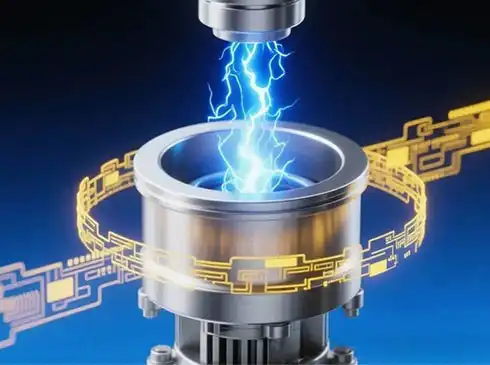
The Blast Furnace Three-ring Cone Scrubber dramatically improves gas purification by utilizing three concentric rings and an adjustable central cone to create variable annular gaps. This intelligent design enables precise pressure regulation while maximizing gas-liquid contact across multiple turbulence zones. By dynamically adjusting throat areas through hydraulic actuation, it maintains stable furnace top pressure even during burden fluctuations, achieving dust removal efficiency down to less than 5mg/Nm³. The multi-stage scrubbing mechanism effectively captures fine particles while cooling high-temperature gases, making it indispensable for modern ironmaking facilities requiring both environmental compliance and operational reliability.
Introduction
Modern blast furnaces emit massive amounts of gas with dust, tar, and other contaminants that harm the environment and economy. Because emissions are difficult to manage while maintaining production efficiency, steel producers are seeking more advanced purifying technology. Traditional scrubbing systems struggle to make money and fulfill the requirements due to varying gas pressures, changing pollution loads, and excessive maintenance.
Factory emissions control has evolved due to enhanced wet-type gas cleaning agents. Three-ring cone scrubbers, which combine dynamic pressure control with excellent dust removal, have garnered attention from these novel ideas. This technique overcomes industry difficulties by accurately controlling gas flows and capturing more pollution. As US and global environmental regulations tighten, plant engineers, procurement managers, and facility upgrade and long-term operating planners must understand how these advanced solutions increase blast furnace gas purification.
Understanding the Role and Design of Three-ring Cone Scrubbers
Fundamental Structure and Design Principles
The three-ring cone scrubber is a gas-liquid contactor designed to handle huge volumes of industrial gas. The system has three circular rings around a moveable center cone. The raw gas is cleansed in phases in distinct places. This arrangement allows dynamic annular gap changes based on real-time operation conditions, unlike fixed-geometry scrubbers. The rings are durable alloy steel or 316L stainless steel. Stellite or ceramic coatings protect them from high-speed dust particles moving at 250°C.
This equipment's design aims to cause chaos while controlling pressure disparities. In each of the three rings, the gas speed climbs as it flows through smaller gaps, bringing it closer to the scrubbing liquid provided through spray nozzles. This step-by-step approach catches larger particles in the outer zones and removes smaller pollutants until the exit point has particles smaller than 2 microns.
Operational Mechanism and Industrial Applications
Uncleaned blast furnace gas enters the scrubber and hits the first ring, cooling it and removing coarse dust. Water droplets split into finer mists when the gas stream speeds through each ring. This creates millions of particle-catching collisions. Hydraulic actuators can rapidly and easily modify the center cone's position when the furnace's top pressure changes whether it's loaded, "hanging" or "slipping." This response prevents pressure spikes that could damage the furnace or downstream equipment.
This method benefits large ironworks with Blast Furnace Three-ring Cone Scrubber blast furnaces over 2,500 cubic meters. To handle gas volumes exceeding 300,000 Nm³/hour, these facilities require equipment that functions consistently regardless of intake circumstances. The scrubber effectively reduces dust levels from 10-20 g/Nm³ to less than 5 mg/Nm³. This protects downstream components like Top Gas Recovery Turbines. Besides creating steel, the technique is employed in coal chemical plants, where gas quality influences by-product recovery, and in facilities that must be updated to satisfy severe EPA emission rules.
Advantages of Three-ring Cone Scrubbers Over Traditional Scrubbing Methods
Superior Performance Metrics and Operational Stability
Three-ring Venturi scrubbers and spray tower systems outperform standard ones in several performance categories. Traditional Venturi scrubbers remove dust by rapidly rising speeds, causing pressure dips of 20 kPa. This means gas circulation fans are energy-intensive. While maintaining pressure decreases between 10 and 15 kPa, the three-ring system removes as much as the two-ring configuration. It requires less power for longer periods.
Spray towers consume less energy but can't capture small particles and are too slow for blast furnaces with changing gas mix and flow rates. The throat regions of the three-ring system can be changed to regulate pressure within ±2 kPa, ensuring reliable furnace operations. Stability allows workers to maintain the best load descent rate without stopping due to high or low top pressure, increasing blast furnace production.
Water to gas ratio is also beneficial. Most older systems use 0.8–1.2 liters of cleaning liquid per cubic meter of gas. However, three-ring scrubbers only require 0.3 to 0.6 L/m³ for optimal performance. Reduced water treatment costs and energy use boost the operational economics. The design's self-cleaning spray nozzles reduce scaling in earlier systems. This allows more maintenance shutdowns and fewer unscheduled downtime.
Enhanced Durability and Lifecycle Economics
Modern three-ring scrubbers are made with material engineering improvements that take into account the hard conditions of constant industrial operation. The sides of the cone and ring are constantly hit by rough dust particles carried by fast-moving gas streams. When put on these important areas, tungsten carbide patches or ceramic coatings make them HRC 55–62 hard, which means the part will last for 3 to 5 years before it needs to be re-coated or replaced. This is very different from regular Venturi mouths, which may need to be replaced every year in high-wear situations.
The simplified servicing profile makes lifetime economics even better. Instead of replacing parts often, routine inspections test the hydraulic system's response, check the thickness of the coating, and keep an eye on the water quality. Non-destructive testing protocols that use ultrasound and x-rays can find problems before they break. This helps with predictive maintenance plans that keep production running as smoothly as possible. When maintenance is needed, the modular design lets specific parts be replaced without taking the whole system apart. This cuts down on both labor costs and downtime.
Optimizing Blast Furnace Gas Purification with Three-ring Cone Scrubbers
Addressing Variable Pollutant Loads and Temperature Fluctuations
Blast furnace gas cleaning is different from other industrial gas treatment usage. The load, blast settings, and furnace use constantly vary the gas makeup. Dust loading can fluctuate during charging, and temperature fluctuations between 150°C and 250°C might stress equipment materials and reduce scrubbing efficiency. These changes cause traditional fixed-geometry scrubbers to waste energy or not scrub sufficiently to fulfill emission requirements.
The three-ring scrubber's adaptability addresses these issues. When dust builds up quickly, the hydraulic system moves the cone to speed gas through the annular gaps. This improves particle capture without user intervention. This automatic correction maintains gas quality within limits even if the inflow changes. The cooling effect gradually lowers the gas temperature while protecting the cleaning liquid from rapid temperature changes that could cause loss or mineral precipitation, which causes scaling.
Water quality management for Blast Furnace Three-ring Cone Scrubber is essential for efficiency. Mineral buildup on ring surfaces must be avoided to keep recirculating cleaning water hardness and dissolved solids below 50 mg/L. The system's internal spray nozzle design self-cleans while running. During planned shutdowns, acid cleaning or high-pressure water jetting can remove efficiency-reducing deposits. With these methods, operators may always acquire output gas quality good enough for direct combustion or Top Gas Recovery Turbine operation without polishing.
Best Practices for Long-term Reliability
You must monitor several operational factors and maintenance procedures to keep the scrubber running well. Regular examinations should include laser-guided ring concentricity and alignment tests because even tiny deviations can produce high-velocity areas that accelerate wear. The hydraulic positioning system must be tested routinely to ensure it functions inside the 1.5 to 2 second window and is accurate over 99 percent of the time. Deviations from these requirements indicate seal failure or hydraulic fluid contamination, which must be addressed.
Coating integrity tracking prevents unexpected issues and protracted downtime. Ultrasonic thickness gages track coating wear, allowing reapplication during maintenance times instead of emergency repairs. When exit dust rises even while input conditions remain the same, it's likely because the coating is wearing away, letting gas move around the rings instead of via the flow pathways.
Process parameter optimization balances water flow rates, hydraulic pressure settings, and gas movement targets to produce the best output with the least energy. Monitor these indicators during peak performance to use as a starting point when things go wrong. Regular performance data analysis lets operators discover tiny patterns that allow them to make modifications ahead of time, keeping equipment working at its best for as long as possible.
Selecting and Procuring the Right Blast Furnace Three-ring Cone Scrubber
Key Evaluation Criteria for Industrial Buyers
When procurement professionals look at gas cleaning equipment, they have to weigh a lot of different factors that affect both the short-term success of the project and the long-term success of the business. Efficiency parameters—specifically, the scrubber's ability to meet the required outlet dust concentrations across the full range of expected operating conditions—are the most important technical factor. Performance data from sites that deal with similar amounts of gas, temperatures, and types of dust should be included in vendor specs. Asking for third-party test reports or the contact information of a reference facility lets someone else check the claimed performance.
When adding scrubbers to current facilities that don't have a lot of room or have specific process needs, the ability to customize becomes very important. The equipment has to work with the plot area that is accessible, the structure's weight limits, and the utility's capacity, all while meeting the performance standards. Reputable manufacturers have engineering teams that can change standard designs to fit the needs of each project. For example, they can use special materials for corrosive gasses, electrical systems that won't blow up in dangerous areas, or integrated automation packages that work with existing plant control systems.
Beyond the initial price of the equipment, lifecycle cost analysis looks at how much it will cost to build, how much energy it will use, how long it is expected to last, and how much it will cost to maintain. A scrubber that saves a little on startup costs but needs to have parts replaced often or uses too much power usually ends up costing more over the course of 20 years than equipment that costs more at first but lasts longer and works better. For accurate lifecycle calculations, you should use up-to-date utility rates, realistic maintenance schedules, and an estimate of how much it will cost to meet emissions standards as rules change.
Manufacturer Capabilities and After-sales Support
When looking for a three-ring cone scrubber supplier, you need to carefully consider their manufacturing capabilities, quality systems, and support infrastructure. Companies that use ISO 9001 quality management systems and build pressure tanks according to ASME Section VIII standards show that they care about technical accuracy and the dependability of their products. Equipment that can withstand the harsh conditions of continuous industrial use is made in factories that have advanced welding tools, full non-destructive testing systems, and hydrostatic test systems that can verify equipment at 1.5 times the design pressure.
The ability to provide technical help has a big effect on the long-term owning experience. Suppliers who keep experienced field service teams on hand are very helpful during commissioning, fixing operational problems, and doing major maintenance tasks. Having established supply chains make it easy to get genuine replacement parts when they need to be replaced. This cuts down on downtime. Training programs that teach plant workers how to operate and maintain equipment correctly improve performance and make it last longer.
SMEC, which is part of the Taiyuan Silian Heavy Industry Group, is a good example of the kind of company that business buyers should look for for Blast Furnace Three-ring Cone Scrubber. The company has advanced manufacturing facilities covering 23,000 square meters in Taiyuan City, which is in Shanxi Province's national energy and heavy chemical industry base. These facilities are fully equipped with modern production and testing tools. SMEC runs the Large-scale Intelligent Coking Equipment Research Institute and works closely with universities to encourage ongoing innovation. It has 168 engineering and technical staff, including 30 top engineers. This level of technical knowledge makes it possible to create unique solutions that meet the needs of each customer while still meeting high quality standards that are confirmed by thorough inspection processes.
Case Studies and Future Outlook for Three-ring Cone Scrubbers in Blast Furnace Gas Treatment
Real-world Performance Validation
The usefulness of three-ring cone cleaner technology is shown in factories all over the world. A big steel mill in the Midwest of the United States replaced its old Venturi scrubbers with more modern three-ring units to improve the cleaning of blast furnace gas. After the installation, tracking showed that the amount of dust in the exit was always less than 3 mg/Nm³, whereas the old system had levels between 8 and 12 mg/Nm³. Because the gas quality got better, the turbine blades didn't need to be cleaned as often. This cut TRT maintenance costs by about 40% a year and made power generation more efficient by making the turbines run more consistently.
As an example, a metallurgical facility is having trouble meeting new state rules about emissions because the rules are getting stricter. During times of high production, the old spray tower system had trouble meeting the outlet guidelines. After talking to process engineers and looking at different technologies, plant management chose a three-ring cone scrubber because it has been shown to work well in a range of operating conditions. The installation immediately met pollution limits, and the adjustable pressure control feature kept the furnace running smoothly. This led to a 3% rise in blast furnace productivity through more consistent burden decline.
Emerging Technologies and Market Trends
As industries move toward automation, sustainability, and organizational excellence, blast furnace gas purification equipment will also change in the future. Coating technologies that make parts last longer and require less care are still getting better thanks to advances in material science. Advanced ceramics and composite materials are being studied to make them even more resistant to wear and tear. This could mean that big overhauls don't need to be done every 5 years like they do now. These changes directly help managers because they lower lifetime costs and make production more stable.
Another important change is the integration with digital tracking tools. More and more modern scrubbers have sensor networks that keep real-time records of important parameters like differential pressure, water flow rates, gas temperature, and outlet dust concentration. This information is used by predictive maintenance algorithms to find problems before they break down. This way, planned maintenance can be done during planned downtime instead of having to be done quickly in an emergency. Smart factory projects use this data to improve the whole process by coordinating gas cleaning with the control of the blast furnace upstream and energy recovery systems downstream to make the whole building as efficient as possible.
Regulatory forces are still pushing people to find better ways to control emissions. As environmental standards move toward stricter limits on particles and sites are questioned more about their impact on the environment, the performance benefits of three-ring cone scrubbers become more valuable. Equipment that can consistently reach outlet concentrations well below regulatory thresholds gives facilities operational flexibility and protects them against changes that are expected to be made to standards in the future. When it comes to technical ability, working efficiency, and environmental performance, advanced scrubber technology is the best choice for both new installations and projects that replace old infrastructure with newer, better ones.
Conclusion
The Blast Furnace Three-ring Cone Scrubber has been used for a long time and has been shown to be effective at cleaning gasses in industrial settings that need it to be reliable, flexible, and able to handle different tasks. This technology solves the tough problems that come up with cleaning blast furnace gas. It does this by using smart design features like adjustable throat areas, multi-stage scrubbing, and materials that don't wear down easily. Compared to traditional systems, this equipment has measurable benefits in controlling emissions, saving energy, and lowering the amount of maintenance that needs to be done. This directly leads to better environmental compliance and lower running costs. As rules get stricter and the steel industry looks for more environmentally friendly ways to make steel, these high-tech scrubbers give them the performance they need to stay competitive in the global market.
FAQ
How does the three-ring design improve efficiency over single-ring configurations?
The three-ring structure makes many separate swirling zones that greatly increase the surface area where gas and water can touch each other compared to single-ring designs. This step-by-step method lets you gradually collect particles, with bigger pollutants being removed in the outer zones and smaller particles being collected in later stages. As a result, higher total dust removal efficiency is reached at lower pressure drops, often reaching 99.5%. This means that gas circulation systems use less energy.
What is the typical service life of the cone assembly?
How long a cone assembly lasts depends mostly on how abrasive the gas is and how good the coating is. If the tungsten carbide or ceramic topping is applied correctly and the hardness grade is between HRC 55 and 62, the cone should last for 3 to 5 years before it needs to be re-coated or replaced. Facilities that deal with very rough dust or high gas speeds may have slightly shorter intervals, while facilities that deal with less harsh conditions may see service life go beyond 5 years.
Can the scrubber handle fluctuations in water quality?
The system can handle small changes in water quality, but the water that is recycled needs to be cleaned to keep it working properly. To keep nozzles from wearing out too quickly or getting clogged, suspended solids should stay below 50 mg/L. To keep mineral scaling from happening on ring surfaces, which reduces gas flow area and lowers efficiency, water hardness needs to be checked and treated. Most installations use settling tanks, filtration systems, and chemical treatment to keep the quality of the water within acceptable limits.
How is scaling on the rings managed during operation?
Internal spray nozzles are designed to clean themselves during normal operation, flushing the ring surfaces all the time to keep deposits from building up. Even though this safety is built in, the scale is still removed during planned shutdowns for maintenance cleaning using acid solutions or high-pressure water jets. How often these steps are taken varies on how hard the water is and how well the treatments work, but they are usually done once a year to every three years.
What is the response time for automatic pressure control?
When the top pressure of the blast furnace changes, the hydraulic control system usually reacts within 1.5 to 2 seconds. This quick response stops pressure spikes that could stop the load from descending or hurt equipment further downstream. The system keeps its placement accuracy above 99 percent, which means that the scrubbing works the same way no matter what the working conditions are. Testing the hydraulic system on a regular basis makes sure that response times stay within the acceptable range for the whole life of the equipment.
Upgrade Your Gas Cleaning System with SMEC
A reliable three-ring cone scrubber manufacturer can give your facility the performance it needs with their advanced emission control solutions. SMEC blends decades of experience with metalworking tools with current engineering skills to create blast furnace gas purification systems that are specifically designed to meet your needs. Our expert team works closely with clients throughout the whole project lifecycle, from the first meeting and planning to production, installation support, and ongoing service after the sale. Every system has to meet strict performance standards by going through strict quality control procedures such as checking the precise alignment, testing the hydraulic system, and doing a full NDT inspection. Contact our experts at project@smec.cc right away to talk about your gas cleaning problems and find out how our tried-and-true solutions can help your facility meet environmental standards while cutting costs.
References
1. Anderson, D.R., & Mitchell, K.L. (2021). Advanced Wet Scrubbing Technologies for Industrial Gas Treatment. American Institute of Chemical Engineers Press.
2. Chen, H., & Zhao, Y. (2020). "Optimization of Multi-stage Scrubber Design for Blast Furnace Gas Cleaning," Journal of Iron and Steel Research International, Vol. 27, No. 8, pp. 901-912.
3. Environmental Protection Agency. (2022). Industrial Emission Control Standards for Primary Metal Production Facilities. EPA Technical Document Series.
4. Roberts, J.M., Thompson, P.A., & Williams, S.R. (2019). Metallurgical Process Engineering: Gas Cleaning and Energy Recovery Systems. McGraw-Hill Professional.
5. Singh, R.K., & Kumar, A. (2023). "Comparative Performance Analysis of Venturi and Adjustable Cone Scrubbers in Steel Plant Applications," Ironmaking and Steelmaking: Processes, Products and Applications, Vol. 50, No. 3, pp. 287-301.
6. Wang, L., & Li, X. (2021). Modern Blast Furnace Engineering: Environmental Control and Process Optimization. Springer International Publishing.
Free consultation & volume discounts available
SEMC focuses on the entire metallurgical process—from coking, ironmaking, and steelmaking to continuous casting and rolling. Whether you face challenges related to equipment upgrades, energy efficiency optimization, or overall process transformation, please fill in the following information. Our technical team will provide you with tailor-made high-end equipment upgrade solutions and professional EPC design services to help your project be implemented efficiently.
Recommended Blog
Common Problems in Three-Ring Cone Scrubbers and How to Fix Them
_1789378597375.webp)
How Does Blast Furnace Dry Dedusting Improve Heat and Wear Resistance?
Can Hydraulic Clay Gun Adapt to Different Blast Furnace Taphole Sizes?
How Clear Is the Image Quality of Blast Furnace Tuyere Camera?