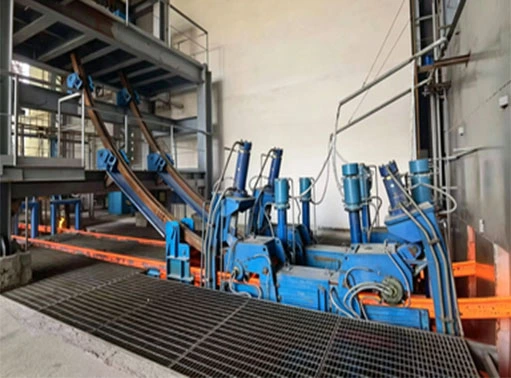
How Does Blast Furnace Dry Dedusting Improve Heat and Wear Resistance?
How Does Blast Furnace Dry Dedusting Improve Heat and Wear Resistance?
Understanding the Principles of Blast Furnace Dry Dedusting Systems
- Understanding the Principles of Blast Furnace Dry Dedusting Systems
- Comparing Dry Dedusting with Traditional Wet Dedusting Systems
- How Dry Dedusting Optimizes Blast Furnace Performance and Component Longevity?
- Maintenance and Operational Best Practices to Maximize System Efficiency
- Procurement Considerations: Selecting the Ideal Dry Dedusting System
- Conclusion
- FAQ
- Partner with SMEC for Reliable Blast Furnace Dry Dedusting Solutions
- References
Blast furnace dry dedusting system equipment improves heat and wear resistance by eliminating moisture from the gas cleaning process, which prevents thermal shock, corrosion, and abrasive particle accumulation on critical furnace components. Operating continuously at temperatures between 100°C and 280°C, these systems use high-performance bag filters or electrostatic precipitators to capture fine particulate matter without introducing water. The result is a stable thermal environment inside the furnace, reduced mechanical wear on refractory linings, and measurably longer equipment service intervals—outcomes that matter deeply to procurement managers and plant engineers managing high-throughput metallurgical operations.

Understanding the Principles of Blast Furnace Dry Dedusting Systems
A simple but effective idea behind dry dedusting is to take dust out of exhaust gas while keeping the gas dry and fixed in temperature. In wet scrubbing, water is injected to pick up particles. In dry systems, pulse jet cleaning and improved filter media separate particles physically.
How Filtration Technology Preserves Thermal Stability?
The filter media in high-performance dry dedusting units are usually P84, PTFE, or Nomex composite mixes. They don't get damaged by acidic blast furnace gas components or by being heated and cooled over and over again. Filtration speed is usually kept between 0.2 and 0.5 m/min, which is a good range for cleaning well with little pressure drop across the filter bags. Temperature changes that cause micro-cracks in refractory walls and speed up surface wear on ductwork and structural parts can be avoided by keeping gas conditions dry and stable.
The Role of Pulse Jet Cleaning in Reducing Abrasive Buildup
Dust that builds up on filter surfaces isn't just a problem with filtration; it's also a concentrated source of abrasive material that can wear down equipment walls when gas flows quickly through them. Pulse jet cleaning cycles move particles that have been captured before they harden and compact. They are then sent to sealed collection hoppers where they will be recycled in sintering operations further down the line. This proactive removal cycle keeps the filter's integrity and the shell of the equipment around it from coming into long-term contact with abrasives.
Comparing Dry Dedusting with Traditional Wet Dedusting Systems
For many years, wet dedusting has been useful for the steel business, but there are known problems with how it works. Adding water quickly cools down blast furnace gas, which creates temperature differences that put stress on refractory linings. When moisture mixes with sulfur compounds in blast furnace dry dedusting system equipment, blast furnace gas, weak acids are made that eat away at pipes, valves, and the outside of structures from the inside out.
When systems are dry, these processes don't work at all. If there is no water in the process stream, there is no thermal quench effect, acid condensation, or sludge that needs to be treated by wastewater infrastructure. Metallurgical engineering studies consistently show that switching from wet to dry gas cleaning shortens the time between system maintenance visits and increases the useful life of downstream parts, such as Top-pressure Recovery Turbines (TRT). In TRT uses, dry-cleaned gas is 30–50% more efficient at making electricity than wet-cleaned gas. This is because the gas keeps its useful heat and pressure energy instead of losing them to evaporation.
The image of the surroundings also changes in a good way. Particulate emission levels below 5 mg/Nm³ are reached by dry systems, which meet stricter U.S. and foreign legal standards without creating liquid waste streams.
How Dry Dedusting Optimizes Blast Furnace Performance and Component Longevity?
One of the most constant causes of localized overheating can be fixed by keeping dust from building up inside the blast furnace system. When abrasive particles settle on refractory brick surfaces and in gas flow channels, they create hotspots that speed up the degradation of the bricks by insulating some areas and trapping heat in others. A good blast furnace dry dedusting system equipment keeps the gas flow steady, which spreads the heat evenly across the refractory surfaces and increases the number of times the lining needs to be replaced.
Here are the core performance contributions of an optimized dry gas cleaning system:
- Sustained thermal uniformity: The system keeps the exhaust gas temperatures stable without letting wetness affect them. This stops the cycle stress that breaks down furnace linings and metal parts, which greatly increases the refractory's service life.
- Reduced abrasive contact on structural surfaces: SMEC's dry dedusting units have special surface treatments that make the equipment casing, ductwork, and flow deflection parts less likely to wear down. This process of hardening them makes them strong enough to be exposed to high-concentration dust-filled gas for a long time without developing wear leaks that damage the system's integrity.
- Real-time temperature monitoring and automatic protection: Built-in temperature warning and over-temperature protection devices keep an eye on the waste gas conditions at all times. When temperatures get close to dangerous levels, the system automatically makes changes and sends out alerts. This stops heat damage to filter media and structural parts before it happens.

These features directly lead to observable operating outcomes, such as longer periods of time between planned shutdowns, lower costs for replacing refractory, and less unexpected downtime. These factors all lower the total cost of ownership over the furnace's useful life.
Maintenance and Operational Best Practices to Maximize System Efficiency
Whether or not blast furnace dry dedusting system equipment works as planned over time depends on how well it is maintained. The most common ways for failure to happen are for filters to get clogged, pulse jet valves to break down, and dust hoppers to get blocked. All of these can raise the differential pressure across the system and force gas to go around filtering paths.
Scheduled Inspection Priorities
Testing the pressure vessel's air leakage rate is an important regular job that must be done. Leakage rates must stay below 1–2% to keep the filter working properly. Using luminous powder tracing to test the stability of the filter bag after installation and on a regular basis finds small leaks before they get worse. Testing with a nitrogen pulse jet system shows that cleaning cycles are effectively getting rid of dust without putting too much stress on the seams of the filter bags.
Monitoring Parameters That Protect Heat and Wear Performance
Calibration of the Continuous Emissions Monitoring System (CEMS) makes sure that the amount of particles in the air stays below the legal limits for discharge. Monitoring changes in difference pressure between filter banks is also very important because it finds gradual clogging before it needs to be shut down in an emergency. Automated PLC/DCS integration is normal in current dry dedusting systems. It lets one person control temperature, pressure difference, and emission concentration from afar at the same time.
Procurement Considerations: Selecting the Ideal Dry Dedusting System
To choose the best gas cleaning option, you need to make sure that your technical knowledge matches your working needs. Some of the most important things that go into the evaluation are the working temperature range compatibility, the filter media standard based on the local gas chemistry, the ability to be installed in stages, and the manufacturer's track record of experience with blast furnace-scale deployments.
It is recommended that the procurement team ask for proof that the bag house meets ISO 9001 standards and performance standards like GB/T 6719. Lead time, commissioning support, and long-term parts availability are all important factors. This is especially true for integrated steel mills, where the failure of a single blast furnace dry dedusting system equipment can affect the whole production chain.
Conclusion
The mechanical, temperature, and chemical levels of blast furnace dry dedusting system equipment technology all work together to solve problems of heat and wear resistance. These systems protect refractory linings, extend the time between service visits for parts, and allow high-efficiency energy recovery through TRT integration by keeping blast furnace gas dry, stable in temperature, and clean. The practical and environmental benefits over wet washing are big, and data from the industry backs them up. Buying a well-designed dry gas cleaning system is a technically sound and business-smart choice for procurement managers and engineers who are looking at how well furnaces will work in the long term.
FAQ
How does a dry dedusting system reduce thermal wear compared to a wet system?
When water is injected into wet systems, the temperature drops quickly. This creates thermal differences that put stress on refractory linings. When dry systems are used, the temperature of the gas stays the same. This stops thermal shock from wearing down furnace parts and lets them keep working within their normal temperature range.
How long do filter bags typically last in blast furnace dry dedusting applications?
Quality PTFE or P84 composite filter bags usually last for two to three years when used normally and cleaned with pulse jets at the right times. Managing the operating temperature correctly and performing regular pulse cleaning are the main things that determine how long something lasts.
What happens if the gas temperature exceeds the filter media's rated limit?
Modern systems for dry dedusting have automated emergency bypass valves and temperature-triggered diversion systems that turn on when gas temperatures reach 280°C. This keeps the system running continuously and keeps the filter bags from getting too hot.
Can captured dust cause secondary environmental problems?
No, the collected dust is put into airtight hoppers and then moved through vacuum conveying systems to be recycled into sintering processes. This stops the release of extra dust and turns a trash stream into a source of raw materials that can be used again.
Partner with SMEC for Reliable Blast Furnace Dry Dedusting Solutions
SMEC makes engineered blast furnace dry dedusting system equipment that can work in the roughest metalworking environments. Our systems protect your furnace investment over time by using modern filter media, wear-resistant structure parts, and built-in automation. Our expert team can help you with everything from designing the equipment to putting it into service, whether you are upgrading an old plant or choosing equipment for a new one. Visit smecltd.com or email us at project@smec.cc to learn more about custom solutions.
References
1. Geerdes, M., Chaigneau, R., & Lingiardi, O. — Modern Blast Furnace Ironmaking: An Introduction, IOS Press, 2020.
2. Zhang, J., & Qi, Y. — "Dust Removal Technologies in Blast Furnace Gas Cleaning Systems," Journal of Iron and Steel Research International, 2019.
3. American Iron and Steel Institute (AISI) — Steel Technology Roadmap: Environmental and Energy Efficiency Priorities, AISI, 2021.
4. Chatterjee, A. — Ironmaking and Steelmaking: Theory and Practice, PHI Learning, 2012.
5. European Environment Agency — Best Available Techniques Reference Document for Iron and Steel Production (BREF), EEA, 2023.
6. Wang, L., & Liu, H. — "Performance Evaluation of Dry Bag Filter Systems in High-Temperature Metallurgical Gas Cleaning," Ironmaking & Steelmaking, Taylor & Francis, 2022.
Free consultation & volume discounts available
SEMC focuses on the entire metallurgical process—from coking, ironmaking, and steelmaking to continuous casting and rolling. Whether you face challenges related to equipment upgrades, energy efficiency optimization, or overall process transformation, please fill in the following information. Our technical team will provide you with tailor-made high-end equipment upgrade solutions and professional EPC design services to help your project be implemented efficiently.
Recommended Blog
_1788773636949.webp)
Can Temperature Sensors Fit Different Types of Blast Furnace Cooling Staves?
Blast Furnace Riser Pipe Failures: Causes, Prevention, and Best Practices
Innovative Tuyere Imaging Technologies: Remote Monitoring in Extreme Heat