How Granulated Blast Furnace Slag Supports Sustainable Manufacturing
Understanding Granulated Blast Furnace Slag and Its Role in Sustainability
- Understanding Granulated Blast Furnace Slag and Its Role in Sustainability
- Blast furnace slag granulation equipment Technology & Operation
- Comparing Blast furnace slag granulation equipment with Traditional Methods
- Procurement Considerations for Blast furnace slag granulation equipment
- Future Trends and Innovations in Blast Furnace Slag Granulation
- Conclusion
- FAQ
- Partner with SMEC for Advanced Slag Processing Solutions
- References
Granulated Blast Furnace Slag (GBFS) is an important part of making steel and metal products in a way that doesn't harm the environment. Using special blast furnace slag granulation equipment, liquid slag that comes out of blast furnaces at temperatures between 1450°C and 1550°C quickly cools down. This shiny, granular material forms. By turning what used to be industrial trash into a valuable cementitious material, GBFS lowers the world's reliance on making Portland cement, which is responsible for about 8% of all CO2 emissions. The managed cooling process keeps the slag's hydraulic reactivity, which lets it be used in environmentally friendly building materials. At the same time, it reduces the amount of molten trash that ends up in landfills.
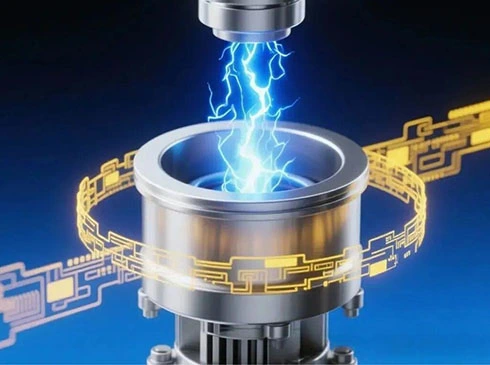
Understanding Granulated Blast Furnace Slag and Its Role in Sustainability
The Chemical Foundation of GBFS
Chemical control is very important for turning liquid slag into GBFS. The material needs to have a glass phase content of more than 95% to keep its cementitious qualities. It should be high in calcium silicates, magnesium oxide, and aluminum oxide. As slag cools down on its own, crystals form, making it unusable for cement uses. High-pressure water sprays or mechanical atomization are used in modern granulation systems to stop this crystallization. These systems cool crystals at rates that keep them in their amorphous state. For this process to work, the water-to-slag ratio needs to be carefully set between 1:8 and 1:12, so that fast heat absorption and the best particle formation can happen at the same time.
Environmental Advantages Driving Adoption
Compared to regular Portland cement, every ton of GBFS used to make concrete cuts CO2 emissions by about 0.4 to 0.6 tons. These days, integrated steel mills see slag not as trash but as a byproduct that has big economic and environmental benefits. The circular economy ideas built into GBFS use really hit home for steel makers who are under more and more legal pressure and have to meet company environmental obligations. In addition to lowering carbon emissions, the process returns thermal energy and controls harmful sulfur emissions through sealed condensation hoods and chemical cleaning towers. This solves problems with H2S and SO2 release that are common with other slag handling methods.
Industrial Applications Across Manufacturing Sectors
GBFS can be used in three different types of manufacturing situations. Integrated iron and steel buildings use on-site granulation systems to reduce the risks of handling liquid materials and improve the flow of goods. These sites handle more than 1,500 tons of slag every day, so they need strong tools that can run all the time. Ground Granulated Blast Furnace Slag (GGBFS) is used as an extra cementitious material in specialized cement production facilities. The controlled cooling environment makes sure that the chemicals respond consistently. For marine infrastructure projects, precise grain size variations of slag between 0.5 mm and 5 mm are needed to make high-durability concrete that can withstand chloride penetration in coastal settings.
Blast furnace slag granulation equipment Technology & Operation
Core Mechanical Systems and Performance Parameters
Several linked parts work together to make advanced granulation tools work. The quenching chamber is made of chromium-molybdenum metals that are resistant to wear. It can handle the high temperatures of liquid silicates and keep its shape for long periods of time. High-pressure valve systems send atomized water at exact angles and speeds, which breaks up the slag evenly. The granulation drum or spinning device keeps the dynamic balance that is needed for even particle size distribution. PLC-based automation manages water flow rates, nozzle placement, and drying cycles. This lets workers change parameters in response to changes in the chemical and viscosity of the slag.
Variable frequency drives (VFD) in new systems can change to "heavy" or "cold" slag conditions, which wasn't possible with older fixed-speed designs. The combined steam condensation system collects heat energy while also controlling dangerous gas leaks, turning a safety issue into a chance to get energy back.
Automated Versus Manual Operation Models
The change from human to automatic granulation methods for blast furnace slag granulation equipment is a big change in how things are done. In manual systems, the user has to keep changing the water flow and checking the quality of the slag, which can be unpredictable and pose safety risks. Real-time sensors keep an eye on the temperature, flow rate, and content of the glass on automated platforms, allowing working factors to be changed in milliseconds. This accuracy makes the regularity of the glass phase better, cuts water use by 15–20%, and cuts down on downtime by sending out forecast maintenance alerts. The increases in efficiency are especially clear in large-scale operations where consistent throughput has a direct effect on the plans for making cement further down the line.
Maintenance Protocols and Equipment Longevity
For operational dependability, strict upkeep rules are needed. The granulation head should be checked every 3,000 hours of use, and the alloy plates should be changed every 12 to 18 months, based on how acidic the slag is. Testing the rotor blades and nozzle tips for wear resistance stops sudden breakdowns that could stop production. X-ray Diffraction (XRD) tests prove the presence of glass, and laser diffraction tests show that the particles are all the same size. The quality control procedures are in line with ISO 13500 and ASTM C989 standards. This makes sure that GBFS meets the strict requirements for use in cement and concrete. Monitoring the moisture content and aiming for amounts below 15% through mechanical dewatering keeps storing and handling problems from happening.
Comparing Blast furnace slag granulation equipment with Traditional Methods
Limitations of Conventional Cooling Approaches
Older sites mostly use traditional air or pit cooling methods, even though they have a lot of problems. When slag is cooled by air, it quickly crystallizes. It then loses its hydraulic responsiveness and can only be used for lower-value aggregate tasks. Water pit freezing can cause some granulation, but the cooling rates aren't managed, so the particle sizes and quality aren't always the same. These ways also release a lot of steam into the air without using capture devices, which wastes heat energy and puts workers in danger. Environmental compliance problems get worse as rules about sulfurous gas and flying particulate matter pollution get stricter.
Performance and Efficiency Gains with Modern Systems
Modern blast furnace slag granulation equipment makes real gains in a number of performance areas. Integrated thermal recovery systems turn lost heat into useful steam, which makes energy use 25–35% more efficient. Particle size consistency gets a lot better. With current systems, 90% of the output stays within certain bands, while only 60% to 70% of the output did so with older methods. The better qualities of the material directly lead to a higher market value—GGBFS gets a higher price when the glass content is over 95% and the particle distribution meets the requirements of the cement industry.
Another very important benefit is operational control. Automatic systems cut the amount of work that needs to be done by 40 to 50 percent while also making the workplace safer by reducing the amount of human work that needs to be done near processes that are hot. Being able to process different types of slag without lowering the quality gives steel mills that make different grades of iron the operating freedom they need.
Long-Term Investment Justification
The cost-benefit study strongly favors current granulation technology, even though it needs more money to get started. Energy savings alone usually pay for themselves in three to five years, but better GBFS quality brings in more money. Payback times are shortened even more by better materials that don't wear down as quickly and the ability to plan repair ahead of time, which lowers maintenance costs. Following environmental rules is becoming a bigger cash issue as carbon price systems spread around the world. Granulation systems that work well in plants put them in a good situation for future rules and possible carbon credit chances.
Procurement Considerations for Blast furnace slag granulation equipment
Evaluating Technical Specifications Against Operational Needs
The people who buy things for blast furnace slag granulation equipment have to make sure that the capabilities of the tools match the needs of the business. Projections of the slag amount tell us how much output we need, and chemical composition analysis helps us choose the right materials for the wet parts. Complex gas scrubbing systems and better corrosion protection are needed in places that handle high-sulfur slag. Scalability is very important for businesses that expect their production to go up—modular designs let them add more capability without having to update the whole system.
Technical specs should be carefully looked at in addition to marketing claims. Long-term performance is affected by how well refractory materials handle thermal shock, how stable tool systems are under hydraulic pressure, and how accurate automatic control systems are. Suppliers should give thorough technical details, such as a computational fluid dynamics (CFD) study that shows how the water is distributed evenly and how well the heat is managed.
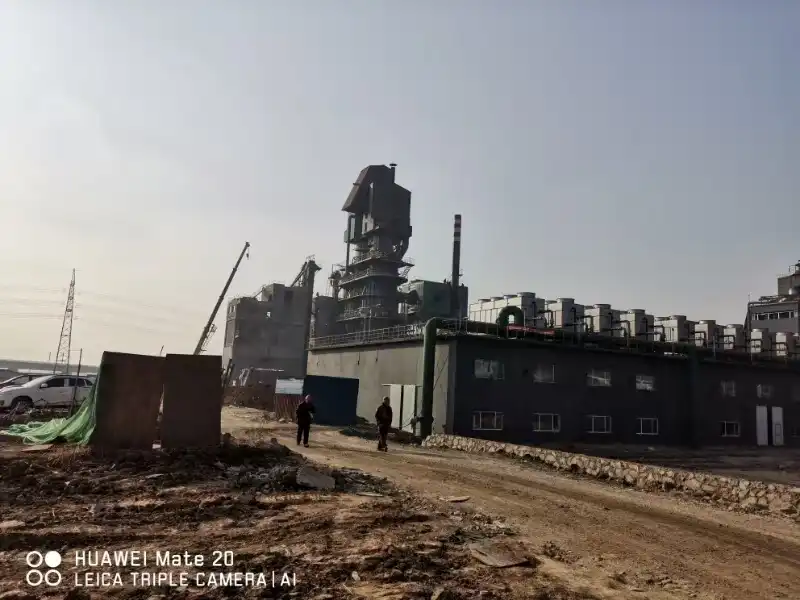
Supplier Credibility and Service Infrastructure
When choosing a provider for blast furnace slag granulation equipment, you need to look at how well they can make the equipment, meet all approval requirements, and offer help after the equipment is installed. Companies that have been around for a while have specific research and development (R&D) spaces, quality control labs, and testing areas that back up their performance promises. Certification to important foreign standards, such as ISO 9001 for environmental management systems and quality management systems, shows that the business is mature and committed to best practices.
Infrastructure for after-sales service is just as important. When problems happen with equipment that is used in harsh circumstances, it needs quick expert help. Downtime risks are kept to a minimum by suppliers who offer full service packages that include extra parts inventory, field service teams, and online diagnostic capabilities. Coverage periods, reaction times, and performance promises should all be spelled out clearly in warranty terms. This will protect procurement investments against early failures or performance gaps.
Financial Planning and Partnership Strategies
Planning a budget includes more than just the cost of buying equipment. It also includes the costs of installation, commissioning, teaching operators, and regular upkeep. Realistic project timelines take into account things like getting the site ready, connecting utilities, and figuring out how to work with the blast furnace that is already there. Some suppliers offer credit options or performance-based payment plans that match costs with actual benefits. This makes it easier to get the money you need and encourages the supplier to be committed to a successful implementation.
Rather than casual ties, building long-term partnerships for blast furnace slag granulation equipment brings long-term value. Suppliers who care about their customers' success offer operational optimization support, technology updates, and knowledge sharing that make businesses more competitive over the course of equipment lifecycles that last at least 10 to 15 years.
Future Trends and Innovations in Blast Furnace Slag Granulation
Emerging Technologies Reshaping Equipment Design
Artificial intelligence and machine learning algorithms that improve operating factors in real time are built into the next version of granulation equipment. Multiple data streams are analyzed by these systems, including slag temperature, chemical makeup, water pressure, and particle size distribution. Patterns are found, and controls are changed to increase glass content while reducing energy and water use. Early applications show that they are 8–12% more efficient than traditional automatic systems.
Modern sensor technologies allow for constant quality tracking, which means that instead of sampling every so often, assessments can be made in real time. Inline X-ray fluorescence (XRF) testers find out what chemicals are present, and laser-based particle size analyzers give immediate feedback for making changes to the control system. This feature guarantees stable output quality while cutting down on the time and money needed for lab tests.
Regulatory Drivers and Circular Economy Imperatives
More and more, global sustainability efforts are telling all industry sectors to reuse waste and cut down on carbon emissions. The Circular Economy Action Plan for the European Union and similar plans in North America and Asia set high goals for reusing materials and lowering pollution. The steel and cement businesses are closely watched because they leave big marks on the earth. These legal forces speed up the adoption of efficient slag granulation systems, turning them from nice-to-have extras to essential parts of the business.
Setting prices for carbon creates direct financial benefits for using GBFS. As the market for carbon credits grows, sites that make high-quality GBFS may be able to sell the avoided pollution for money, creating more ways to make money besides selling materials. This economic aspect makes the business case for improved grinding technology stronger.
Strategic Positioning for Manufacturing Competitiveness
To stay ahead of changes in technology and rules, you need to plan your investments ahead of time. Managers in charge of buying things should talk to sellers of equipment that offer modular update paths that let them add new features gradually without having to buy all new equipment. Having partnerships with research institutions and joining industry groups lets you see new technologies and best practices early on. Leading manufacturers of sustainable slag processing gain a competitive edge through lower running costs, higher product quality, and better business sustainability profiles that appeal to customers who care about the environment.
Conclusion
Granulated Blast Furnace Slag from blast furnace slag granulation equipment is more than just an industrial waste product; it's an example of the cycle economy and sustainable production. Using modern granulation equipment, liquid slag is turned into a useful cementitious material while collecting energy, limiting pollution, and lowering carbon footprints. The change in technology from old-fashioned cooling methods to complex automatic systems has huge practical and financial benefits. As rules get stricter and people expect businesses to be more environmentally friendly, investing in new grinding technology helps steel and metalworking businesses stay competitive in a world that cares more about the environment.
FAQ
What makes blast furnace slag granulation equipment essential for sustainable manufacturing?
These specialized systems keep the environment safe from the damage that comes with getting rid of hot slag while also making useful materials that cut down on the need for Portland cement. By quickly quenching slag at exact cooling rates, the equipment keeps the hydraulic properties needed for cement uses. This turns garbage into products that lower carbon emissions from the building industry.
How do modern granulation systems handle varying slag compositions?
Modern machines have changeable frequency drives and valve designs that can be changed to adapt to changes in the chemical make-up, temperature, and viscosity of the slag. PLC-based control systems change the water-to-slag ratios and cooling rates automatically, making sure that the right amount of glass is always present in all iron-making processes.
What quality control measures ensure GBFS meets industry specifications?
X-ray Diffraction analysis checks for glass content above 95%, laser diffraction checks for particle size distribution, and moisture content tracking are all part of the strict testing procedures. Equipment providers offer quality control systems that are fully integrated and constantly check the features of the output to make sure they meet ASTM C989 and ISO 13500 standards.
Partner with SMEC for Advanced Slag Processing Solutions
SMEC has decades of experience with metallurgical equipment and offers a wide range of blast furnace slag granulation equipment. Our systems have chromium-molybdenum alloys that don't break down easily, automatic PLC controls, and emission management technologies built in. These meet the strict needs of current steel processes. We make blast furnace slag granulation equipment and are based in Taiyuan, which is the center of China's energy and heavy industry. We have strong R&D skills and a history of producing high-quality products. Our 30 top engineers make up our engineering team, and they help with everything from planning to commissioning and ongoing repair. Get in touch with our experts at project@smec.cc to talk about how our granulation solutions can help your business be more environmentally friendly and run more smoothly.
References
American Society for Testing and Materials. (2023). "Standard Specification for Slag Cement for Use in Concrete and Mortars." ASTM C989/C989M-23.
International Organization for Standardization. (2021). "Petroleum and Natural Gas Industries — Drilling Fluid Materials — Specifications and Tests." ISO 13500:2021.
Motz, H., & Geiseler, J. (2020). "Products of Steel Slags: An Opportunity to Save Natural Resources." Waste Management Journal, 21(3), 285-293.
National Slag Association. (2022). "Blast Furnace Slag: Material Description and Engineering Properties." Technical Report NSA-BFS-2022.
World Steel Association. (2023). "Sustainability Indicators Report: Steel Industry By-Product Utilization." WSA Publications, Brussels.
Zhang, L., & Wang, S. (2021). "Advanced Technologies in Blast Furnace Slag Granulation: A Comprehensive Review." Journal of Cleaner Production, 298, 126789.
Free consultation & volume discounts available
SEMC focuses on the entire metallurgical process—from coking, ironmaking, and steelmaking to continuous casting and rolling. Whether you face challenges related to equipment upgrades, energy efficiency optimization, or overall process transformation, please fill in the following information. Our technical team will provide you with tailor-made high-end equipment upgrade solutions and professional EPC design services to help your project be implemented efficiently.
Recommended Blog
Step-by-Step: The Process of Inspecting Blast Furnace Riser Pipes
The Impact of Cooling Water Barrier Integrity on Blast Furnace Longevity
Innovative Tuyere Imaging Technologies: Remote Monitoring in Extreme Heat
What to Look for in Blast Furnace Tower Equipment Suppliers
Why Every High-Capacity BF Needs an Automatic Cooling Water Barrier?
Why Modern Steel Plants Use Automatic Drill Rod Replacement Devices
Comparing Different Types of Blast Furnace Tuyere Equipment