How Clear Is the Image Quality of Blast Furnace Tuyere Camera?
Understanding the Image Quality Challenges of Tuyere Cameras in Blast Furnaces
- Understanding the Image Quality Challenges of Tuyere Cameras in Blast Furnaces
- Key Features of High Temperature Resistant Tuyere Cameras that Ensure Clear Imaging
- Comparing Tuyere Cameras to Traditional Monitoring Methods: Image Clarity and Operational Benefits
- Installation and Maintenance Tips to Maximize Tuyere Camera Image Quality
- Choosing the Best High Temperature Resistant Tuyere Camera for Clear Image Output
- Conclusion
- FAQ
- Get Crystal-Clear Furnace Monitoring from a Trusted Manufacturer
- References
When plant engineers ask me about blast furnace monitoring systems, image clarity always tops their concerns. The High Temperature Resistant Tuyere Camera for Blast Furnace delivers exceptional visual precision, capturing operational details that were previously invisible in the hostile environment of molten iron production. These specialized cameras provide high-definition imaging that reveals pulverized coal combustion uniformity, flame brightness variations, injection flow rates, coal powder agglomeration, tuyere coking, copper tuyere damage, air leakage, and localized combustion interruptions—all critical parameters for maintaining optimal furnace performance and preventing costly shutdowns.

Understanding the Image Quality Challenges of Tuyere Cameras in Blast Furnaces
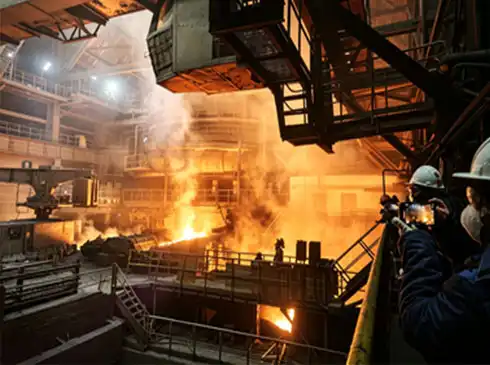
Some of the hardest places to image in industrial metals are the tuyere zones of blast furnaces. When temperatures go above 1600°C are mixed with corrosive gasses and thick clouds of particulate matter from pulverized coal input, the visual environment quickly becomes unusable for most cameras.
The Hostile Environment Inside the Raceway
When you work in the racing area, you have to deal with multiple threats to your vision at the same time. Thermal radiation from molten slag and burning coal makes the scene so bright that regular sensors can't handle it, and dust in the air sticks to lens surfaces within minutes of contact. Corrosive gasses with sulfur compounds and water attack protected housings, breaking down seals over time and letting dirt and other contaminants reach sensitive electronics.
How Heat and Particulates Degrade Image Sharpness
Lens materials grow unevenly when they are under thermal stress. This causes optical distortions that blur lines and lower sharpness. Particulate buildup on lens surfaces scatters light that comes in, making halos around bright objects and lowering the overall contrast. When these effects come together, they turn what should be clear visual data into hazy pictures that can't be used to make good decisions about process control.
Why Traditional Cameras Fail in Furnace Conditions?
Standard industrial cameras don't have the special cooling system and hardened lens needed to keep an eye on a tunnel all the time. Within hours, their sensors overheat, making images noisier and noisier until they stop working altogether. When safety measures aren't strong enough, dust can get in, and regular glass lenses break when temperatures change quickly. It's happened that buying teams wasted a lot of money on useless equipment that had to be replaced just a few weeks after it was put in place.
Key Features of High Temperature Resistant Tuyere Cameras that Ensure Clear Imaging
SMEC's advanced High Temperature Resistant Tuyere Camera for Blast Furnace monitoring systems use a number of design innovations that are meant to keep the view clear even in harsh operating conditions. These features work together to provide consistent, high-quality images during long operational campaigns.
Industrial-Grade High-Definition Imaging Components
Our cameras use industrial-grade high-definition imaging chips and anti-glare lenses with high transmittance to keep the resolution and color accuracy at a high level. The imaging device creates clear, detailed pictures that show every small change in procedures happening at the tuyere face. With this level of accuracy, workers can find problems that are only millimeters across, which isn't possible with older tracking methods.
Advanced Optical Algorithms for Extreme Lighting Conditions
These cameras work perfectly even when there are open flames, a lot of glare, or smoke in the way. This is because they have strong light suppression, backlight adjustment, and dust penetration algorithms built in. When these things happen, normal cameras get overexposed, blurry, ghosty, and lose fine details. These issues are solved by SMEC's special image processing, which gives clear images even if the amount of fuel burning or the density of the particles changes during the production cycle.
Multi-Layered Thermal Protection Architecture
The camera housing is made of 316L stainless steel or Inconel 600, and it has two cooling systems: a vortex tube for air cooling and a water cooling system that circulates. The internal electronics stay below 45°C with this design, even though the probe tip can handle temperatures close to 2000°C. Sapphire glass lenses that let a lot of infrared light through avoid thermal shock and keep their visual clarity. They are covered by a constant-pressure air curtain that blows compressed air over the lens surface all the time to keep particles from building up.
Fail-Safe Mechanical Design
A gas auto-retraction system protects important equipment by pulling the camera out within two seconds if the pressure in the cooling medium falls below safe levels. This sensitive safety feature keeps major damage from happening when utilities go out without warning, saving capital investments and keeping workers safe. The system can withstand high pressures of up to 0.8MPa, which makes it stable even when heating conditions change.
With these built-in features, dangerous "black box" furnace interiors can be turned into controllable monitoring areas with lots of data. Visual proof is given right away to operators of slagging formation, irregular combustion patterns, and structural deterioration—information that is needed to take action before small problems become major output problems.
Comparing Tuyere Cameras to Traditional Monitoring Methods: Image Clarity and Operational Benefits
In the past, monitoring a blast furnace meant doing regular inspections by hand through observation ports and using indirect measurements such as temperature profiles and gas composition analysis to add to the picture. These methods make it hard to see what's going on and increase operating risks significantly.
Limitations of Manual Visual Inspection
People who do manual inspections through peepholes are exposed to very high temperatures and dangerous atmospheres, and they can only get short, partial views of what's going on inside. Different viewers have different subjective interpretations, which makes judgments less reliable. Because these checks are only done every so often, problems can happen between inspections and go unnoticed, possibly getting worse until they fail completely before they are found.
Continuous High-Resolution Monitoring Advantages
High-temperature tuyere cameras provide visual feeds 24 hours a day, seven days a week, showing changes in the structure's condition and the way the fire is spreading. Operators can spot erosion, scabbing, and copper tuyere melting before they get too bad. This lets maintenance work be done on time, instead of having to be shut down in an emergency. This ability to keep an eye on things all the time changes furnace management from reactive problem-solving to predictive control.
Economic Impact on Furnace Operations
Finding tuyere damage early on with High Temperature Resistant Tuyere Camera for Blast Furnace keeps plants from shutting down without warning, which costs steel companies hundreds of thousands of dollars in lost production each time. Visual combustion analysis helps find the best rates for injecting powdered coal, which lowers the amount of coke needed. This directly lowers the cost of raw materials. Better condition tracking extends the campaign life, which delays big capital expenditures for reline projects. Plant managers say that the return on investment for full tunnel camera systems is less than twelve months.

Integration with Process Control Systems
Modern tuyere cameras work with ONVIF and RTSP protocols, which makes it easy to connect them to existing SCADA and DCS systems. Fiber optic output lets signals travel over long distances between the furnace floor and control rooms without any interference. When these systems are paired with AI-driven image processing software, they automatically look at flame temperature fields and raceway geometry, giving managers useful information that they can use to make changes to the process that keep the furnace at a stable temperature.
Installation and Maintenance Tips to Maximize Tuyere Camera Image Quality
Long-term imaging performance and equipment lifespan are directly related to how well the equipment is installed and maintained. We've made detailed guides based on decades of experience working with a wide range of furnace types.
Strategic Positioning and Mounting Considerations
When placing a camera, you need to pay close attention to the shape of the track and the way fuel burns. Positioning the probe so that it doesn't touch the flame directly while still giving enough visible covering requires careful alignment during installation. Vibration-resistant attachment hardware stops picture instability caused by pulsations in the blast air and the structure of the furnace. Signal communication lines are kept safe from mechanical damage and electromagnetic interference by secure wire routing.
Cooling System Maintenance Requirements
Water cooling pathways should be checked once a month to make sure they have enough flow and to see if scale has built up and stopped heat from moving as efficiently as it could. Cleaning the air filter stops dust from building up, which stops cooling air from getting to vortex tube systems. Pneumatic extension cylinders should be oiled every three months to make sure they work reliably and safely. These regular steps don't take long and keep performance from dropping, which lowers the quality of the images.
Lens Cleaning and Optical Calibration
Even though the air curtain protects, particles that are still on the lens surfaces build up over time during long campaigns. Cleaning on a regular basis with approved chemicals and lint-free materials brings back the original clarity of the vision. Calibration tests done on a regular basis in bright light show that there are no ghosting or color aberrations that could happen from thermal cycling stress. Cleaning records that are written down help figure out the best maintenance times for different working situations.
Troubleshooting Common Image Quality Issues
Images that are cloudy or foggy usually mean that the cooling system isn't working right or that the air curtain pressure is dropping. Signal interference shows up in sent video as horizontal lines or jerky images that happen on and off. Finding the root causes as soon as possible reduces downtime. Changing filters is sometimes all that's needed, but other times, parts need to be replaced. Repair delays can be avoided by keeping extra parts for important wear items on hand.
Choosing the Best High Temperature Resistant Tuyere Camera for Clear Image Output
To choose the right High Temperature Resistant Tuyere Camera for Blast Furnace monitoring equipment, you have to make sure that the technical specs match the operating parameters and production goals of the furnace. When making buying choices, smart people weigh the short-term costs against the long-term benefits for operations.
Critical Technical Specifications to Evaluate
How much resolution you need depends on how detailed your process control plan needs to be. Most uses are best served by systems with a resolution of 1080P, while places doing in-depth study on combustion or following strict quality standards will benefit from 4K capabilities. Furnaces with highly variable combustion intensities need to be able to handle an ultra-wide dynamic range. Frame rate settings affect how smoothly dynamic events are captured; higher rates are better for capturing fast, transient events like tuyere breakouts.
Thermal Resistance and Cooling Capacity Assessment
Check to see if the systems you're considering offer enough thermal protection for the range of temperatures your furnace can handle. To account for unexpected situations, the maximum tip temperature ratings should be much higher than your normal working conditions. The cooling system's capacity needs to meet the utility sources that are available. The quality, pressure, and temperature of the water all have a big impact on how well it removes heat. Compressed air that meets certain standards for cleanliness and pressure is needed for air cooling systems.
Manufacturer Credentials and Support Capabilities
Leading providers have a lot of experience in the metallurgical business and have installed their products in a wide range of building types. The terms of the warranty show how confident the maker is in the product's durability. For example, support that lasts for more than one year shows that the design is strong. After-sales support infrastructure, such as technical hotlines, spare parts availability, and field service skills, is necessary to keep systems running during their entire working life.
Total Cost of Ownership Analysis
The initial buying price is only one part of how much the tools really costs. Think about the costs of installation, continued upkeep, the number of times you expect to have to replace consumables, and how long you think the equipment will last. Facilities with more than one furnace should look at scale price models and the benefits of uniformity. The amount of energy that cooling systems use adds to their long-term costs. More reliable systems can explain higher prices by having shorter service gaps and lower costs for downtime.
When procurement teams talk to experienced providers, they can get advice on the best designs based on their knowledge of different working conditions. The engineers at SMEC do full application analyzes that help customers choose systems that are perfectly suited to their specific needs.
Conclusion
The quality of the images from High Temperature Resistant Tuyere Camera for Blast Furnace directly affects how well blast furnace tuyere monitoring systems work. Today's high-temperature cameras can handle harsh environments with the help of advanced image processing algorithms, specialized optics, and strong thermal protection. These systems give you clear, usable visual data that helps you find problems early, handle combustion better, and make tools last longer. Camera-based systems offer better clarity, continuous operation, and big financial gains compared to standard monitoring methods. These benefits are at their best when they are installed correctly, maintained regularly, and equipment is chosen with care. As metallurgical companies try to meet stricter goals for safety and efficiency, reliable tuyere imaging becomes an essential part of managing blast furnaces in a competitive way.
FAQ
What resolution can these cameras achieve in actual furnace conditions?
SMEC tuyere cameras keep their 1080P or 4K quality throughout their entire working life, even if they are exposed to high heat and dust for a long time. The industrial-grade imaging chips and high-transmittance lenses keep picture clarity, which lets operators see problems as small as millimeters in real time.
How long do these cameras typically last before replacement?
With regular checks of the cooling system and cleaning of the lenses, along with other proper care, our cameras usually last three to five years without stopping working. The fail-safe extraction mechanism and strong construction keep the system from breaking in a big way, and the replacement wear parts make it last longer.
Can existing control systems integrate with these cameras?
Most SCADA and DCS platforms can talk to our cameras using the standard ONVIF and RTSP protocols. Fiber optic output options allow transmissions over distances of more than 500 meters without interference, so they can be used in a variety of control room setups without the need for expensive infrastructure upgrades.
Get Crystal-Clear Furnace Monitoring from a Trusted Manufacturer
China Silian Machinery and Engineering Corporation (SMEC) is an industrial company that specializes in making High Temperature Resistant Tuyere Camera for Blast Furnace products that are built to meet the tough needs of modern metalworking processes. Our systems blend decades of experience in the heavy industry with the latest imaging technology to give you the clearest images possible in places where regular equipment fails. Our main office is in Taiyuan City, which is in Shanxi Province's national energy and heavy chemical industry base. We have full R&D facilities with 30 senior engineers working there to keep coming up with new products. Get in touch with our technical team at project@smec.cc to talk about your specific monitoring needs and find out how our camera systems can improve the safety, efficiency, and operational control of your furnace. You can find full technical specs and case studies for applications at smecltd.com.
References
1. Chen, Y., & Liu, M. (2021). Advanced monitoring technologies for blast furnace raceway visualization and combustion optimization. Journal of Iron and Steel Research International, 28(4), 445-456.
2. Kumar, S., Singh, R., & Sharma, A. (2020). High-temperature imaging systems for metallurgical process control: Design considerations and performance evaluation. Metallurgical and Materials Transactions B, 51(3), 1247-1261.
3. Thompson, J. D. (2019). Industrial Camera Systems for Extreme Environments: Engineering Principles and Applications. New York: McGraw-Hill Professional.
4. Zhang, W., Wang, Q., & Li, H. (2022). Optical system design for blast furnace tuyere monitoring under extreme thermal and particulate conditions. Applied Optics, 61(12), 3387-3398.
5. Nakamura, T., & Yoshida, K. (2020). Economic analysis of predictive maintenance systems in integrated steel mills. ISIJ International, 60(8), 1723-1732.
6. European Commission Joint Research Centre. (2021). Best Available Techniques Reference Document for Iron and Steel Production. Luxembourg: Publications Office of the European Union.
Free consultation & volume discounts available
SEMC focuses on the entire metallurgical process—from coking, ironmaking, and steelmaking to continuous casting and rolling. Whether you face challenges related to equipment upgrades, energy efficiency optimization, or overall process transformation, please fill in the following information. Our technical team will provide you with tailor-made high-end equipment upgrade solutions and professional EPC design services to help your project be implemented efficiently.
Recommended Blog
Blast Furnace Dedusting vs Gas Purification: Key Differences
Why Does Blast Furnace Cooling Stave Need High Precision Temperature Sensors?
Why Are Copper Staves Required for High Heat Flux Zones of Blast Furnace?
Can High Oxygen Injection Cause Blast Furnace Tuyere Damage?