How Can Intelligent O&M Reduce Blast Furnace Costs?
Understanding the Cost Challenges in Traditional Blast Furnace Maintenance
- Understanding the Cost Challenges in Traditional Blast Furnace Maintenance
- How Intelligent O&M Technologies Revolutionize Blast Furnace Efficiency
- Quantifiable Cost Benefits of Implementing Intelligent O&M in Blast Furnace Operations
- How to Select the Right Intelligent O&M Service for Your Blast Furnace?
- Future Trends and Innovations in Intelligent O&M for Blast Furnaces
- Conclusion
- FAQ
- Partner with SMEC for Advanced Blast Furnace Intelligence Solutions
- References
Intelligent O&M service for blast furnace operations represents a transformative approach to managing ironmaking facilities through advanced digital technologies. Steel mills adopting these systems experience comprehensive operational cost reductions of 25-40% by addressing six critical expense categories: labor, spare parts, unplanned downtime, energy consumption, compliance management, and technical modifications. This service leverages AI-driven predictive analytics, IoT sensor networks, and remote diagnostics to transition facilities from reactive maintenance cycles to proactive optimization strategies, delivering measurable financial benefits while enhancing production reliability and safety performance.

Understanding the Cost Challenges in Traditional Blast Furnace Maintenance
Blast furnace operations require a lot of money and time, but standard maintenance methods keep using up resources without giving enough value. The fundamental complexity of these tall structures—working at very high temperatures and under a lot of pressure—requires steady attention that is hard to provide with standard methods.
Manual Inspection Limitations Create Hidden Expenses
Specialized teams are needed to do routine walkthroughs for manual inspection protocols, which are often done in dangerous places near hot spots and moving equipment. These processes that require a lot of work cost a lot of money in salary costs and put workers in danger at work. Facilities pay for more than just wages. They also have to pay for hiring people, ongoing safety training programs, insurance premiums, and places for repair teams to stay. The human part makes inspection quality less consistent, since even skilled techs can miss early signs of damage or misinterpret small warning signs that lead up to major failures.
Reactive Maintenance Multiplies Operational Losses
Traditional maintenance methods rely on the "fix-when-broken" mentality, which is very bad for the bottom line in blast furnaces. Unplanned shutdowns caused by broken equipment mess up production plans, losing money right away because of the stopped output and for a longer time while burners cool down and start up again. For emergency repairs, new parts have to be shipped quickly and at high cost, and techs have to be paid extra for working around the clock. During these crisis interventions, production teams have to make tough decisions: they can either break safety rules or put up with long periods of downtime, neither of which is good for long-term profits.
Energy Inefficiency Compounds Operating Expenses
If you don't keep improving the performance of blast furnaces, they will slowly become less efficient. When instruments aren't calibrated, they give wrong numbers that cause workers to make bad choices about fuel injection. Pressure drops happen because slag builds up over time in gas cleaning systems, which makes blowers use more electricity. Mineral buildup makes cooling water systems less thermally efficient, so they need higher flow rates that raise energy bills. Over time, these small mistakes add up to big energy waste every year that cuts into profits.
How Intelligent O&M Technologies Revolutionize Blast Furnace Efficiency
The digital transformation of today gives steel producers a complete alternative to old ways of maintaining their equipment. By using machine learning algorithms, cloud-based analytics platforms, and interconnected sensing systems, facilities can see more than ever before about the health of their equipment and how well they're running. This technological base opens up completely new ways to manage blast furnace assets over the course of their full lifetime.
AI-Powered Predictive Maintenance Prevents Failures Before They Occur
A blast furnace system's temperature sensors, shaking monitors, pressure detectors, and chemical analyzers constantly feed thousands of data streams to advanced analytics platforms. Machine learning models trained on prior performance data can detect modest trend changes before equipment breaks down. If sensor readings indicate new issues like refractory wear approaching critical levels or bearing temperatures rising, the system provides maintenance alerts with precise solutions. Because it can foresee what would happen, activities can be planned for planned maintenance times instead of emergency breakdowns, changing basic expenses.
Disaster management expenditures are reduced by transitioning from reactive to predicted maintenance. Instead of emergency expedited shipping, replacement parts are purchased normally. Maintenance workers work conventional shifts, not expensive overtime. Production schedules remain constant, protecting revenue and client commitments. User facilities claim significant reductions in unplanned downtime. Some have 90%+ machine availability.
IoT Integration Creates Real-Time Operational Visibility
Sensors connected to the internet make blast furnaces data-generating assets that disclose their status. High-temperature cameras monitor the tuyere for unusual burning patterns or slag buildup that could harm equipment. Acoustic monitors can detect worn bearings by their unique frequency signatures before they break. Gas composition analyzers track fuel efficiency and help optimize injection rates to maximize fuel utilization.
This real-time visibility covers whole manufacturing systems. Centralized screens allow operators to see the furnace's overall performance and how adjustments in one portion affect downstream processes. Connecting Intelligent O&M service for blast furnace solutions to Manufacturing Execution Systems and Enterprise Resource Planning platforms ensures that maintenance timing matches production planning, raw material handling, and quality control. Repair, manufacturing, and management teams at conventional facilities work with incomplete and sometimes contradicting data due to information silos. The unified management method solves those issues.
Remote Diagnostics Reduce Specialist Dependency
With cloud-based diagnostic platforms, experts can do analysis without having to travel to the facility. When strange things happen in system data, engineering teams working from afar can look at the whole operational history, compare current performance to baseline parameters, and use video collaboration tools to talk with people on-site. This feature is especially useful for facilities that are in remote areas or that need specialized knowledge that isn't available nearby. The economic benefits go beyond lowering trip costs; they also include faster problem-solving because multiple experts can work together at the same time, regardless of where they are located.
Quantifiable Cost Benefits of Implementing Intelligent O&M in Blast Furnace Operations
When steel mills look at Intelligent O&M service for blast furnace platforms, they naturally think about how much money they can make. The economic effects of these systems can be seen clearly in operational data from sites that have adopted them. These data cover a wide range of cost categories.
Labor Cost Optimization Through Workforce Transformation
Intelligent systems reduce the number of workers needed for basic maintenance and tracking. Automated sensors can track more reliably and across a larger region, eliminating the need for large teams of hand checkers. This workforce transition eliminates hiring, onboarding, training, salary, benefits, workers' compensation insurance, and building maintenance costs for maintenance teams. Risk management is also crucial since fewer individuals working in high-risk locations near boilers means fewer injuries and cheaper insurance costs.
Complete intelligent maintenance reduces the number of staff needed in steel factories, saving seven figures a year. Top facilities assign personnel to higher-value jobs like analyzing system ideas, arranging planned maintenance interventions, and constantly improving things instead of laying off everyone. This deliberate reallocation increases the organization's skills and reduces routine inspection staff.
Spare Parts Management Becomes Precision-Driven
Traditional maintenance advice suggests keeping many replacement parts on hand for convenient access. This strategy locks up a lot of operational capital in items that may not be used for years or become obsolete as technology improves. Predictive maintenance modifies this equation by alerting procurement teams about part failures. Thus, they may order parts based on necessity rather than guesswork.
Based on their state, AI-driven fault prediction enables you to replace parts to increase their lifespan without risking premature failure. Maintenance personnel replace worn bearings, seals, and refractory linings when they become problematic, not on specified dates. The accuracy prevents parts from being changed too soon, which loses money and time, and from worsening faster when worn parts work above their safe limits. Facilities report utilizing fewer extra parts each year and seeing 30% or more savings on new components.

Production Continuity Preserves Revenue Streams
Unplanned downtime costs a lot of money in more ways than just the cost of repairs. Every hour that a blast furnace isn't working, it loses output potential that can't be made up for. Customers' promises could be broken, which could lead to contract penalties or hurt long-term relationships. Downstream processes, like steel mills and rolling operations, have problems with their feed materials that stop expensive tools and workers from doing their jobs.
Production schedules and the money they bring in are kept safe by smart systems that can predict and stop failures. By finding new problems early on, these platforms make it possible to schedule maintenance work for planned downtimes, when furnaces are already running at lower speeds or getting regular maintenance. This planned timing keeps the impact on production to a minimum while taking care of equipment needs before they get so bad that they have to be shut down. Steel makers who use predictive maintenance say their schedules are much more reliable. Some are able to meet their monthly production goals 98% of the time or more, compared to 85–90% of the time when they used traditional maintenance methods.
Energy Efficiency Gains Compound Over Time
Intelligent tracking lets the energy use of the blast furnace be continuously optimized in a number of ways. Automated calibration protocols keep instruments accurate, so operators can make decisions about fuel injection based on accurate data. Performance analytics find operating conditions that aren't working as well as they could be, like blast temperatures or humidity levels that aren't ideal and waste energy without adding to output. Predictive cleaning plans keep gas handling systems from experiencing too many pressure drops, which cause blowers to use more power.
These small steps toward greater efficiency add up to big savings every year. Through systematic optimization, an average blast furnace that spends millions of dollars a year on fuel, electricity, and industrial gases can cut its specific energy use by 8 to 15 percent. Over the course of several years of operation, these saves add up to large amounts of money while also lowering carbon pollution and the need to follow environmental rules.
Return on Investment Timelines Meet Corporate Standards
When finance teams look at intelligent maintenance platforms, they carefully check the internal rate of return estimates and payback times. For full implementations that include sensor networks, analytics platforms, and integration services, a lot of money must be spent that clearly creates value. Early adopters' operational data supports strong business cases, and most sites see positive returns within 18 to 24 months of full rollout.
Over longer periods of time, the financial benefit becomes more clear. Not only do intelligent systems save money on labor, parts, and energy, but they also make big pieces of equipment last longer by stopping damage from happening from deterioration that isn't seen. Better condition tracking extends the life of a blast furnace campaign to 18 years instead of 15 years, which delays the need for huge capital expenditures for relining projects. When the cost of replacing equipment is in the tens of millions of dollars, even small lifetime extensions are very valuable.
How to Select the Right Intelligent O&M Service for Your Blast Furnace?
As the market for digitalizing industries grows, more and more technology companies are offering Intelligent O&M service for blast furnaces to steel producers. To find the best partner, you need to carefully look at their technical skills, how they plan to implement the project, and how they will provide long-term support.
Technology Maturity and Industry Specialization Matter
Generic industrial IoT systems lack blast furnace expertise. Ironmaking requires experience with extreme temperatures, corrosive atmospheres, explosive gas conditions, and sophisticated thermochemical processes that general-purpose systems can't deliver. Providers with metallurgical experience, especially those that have built similar systems in similar areas, should be given more weight.
Technology stability goes beyond analytics. It also involves making sensors more durable for extreme settings, ensuring communication protocols work consistently in electromagnetic fields, and using cybersecurity to protect vital operating systems. Real-world pilot testing indicates if platforms can deliver on their promises in difficult real-world conditions.
System Integration Capabilities Determine Implementation Success
Intelligent maintenance technologies must integrate with corporate software ecosystems, data historians, and control systems. Facilities use various years-old technology and equipment from different manufacturers with their own communication protocols. Successful deployments require integration abilities to connect these systems and retrieve data from old equipment and new cloud platforms.
Evaluation should include integration experience with certain control system brands, support for industrial communication standards like OPC-UA and MQTT, and flexible deployment topologies for on-premise and cloud processing. Companies that supply pre-built connectors for blast furnace instruments reduce setup time and integration costs.

After-Sales Support Infrastructure Provides Long-Term Value
Complex technology platforms require constant support. Software updates address flaws and improve analytics to prevent fresh cyberattacks. Hardware must be calibrated, replaced, and added to as facilities change. Most significantly, specialists can help you follow system instructions. When operating teams first adopt predictive maintenance, this is especially true.
Service level agreements should include technical support response times, cloud service availability, and update times. Strong regional support infrastructure affects response times, especially for facilities remote from the vendor's headquarters. Internal training programs reduce firms' reliance on outside expertise and give operations staff the tools they need to maximize platform use.
Future Trends and Innovations in Intelligent O&M for Blast Furnaces
Based on how industrial technology is going, it looks like the Intelligent O&M service for blast furnace tools we have now is just the start of more advanced uses that will come up over the next ten years. Companies that make steel and plan to use these new technologies will be able to run their businesses more efficiently and keep costs down, giving them a competitive edge.
Autonomous Operations Reduce Human Intervention Requirements
Intelligent systems today make suggestions that humans then analyze and carry out. More and more, next-generation platforms will take corrective actions automatically, changing process parameters in response to problems that are found without needing approval from a person. As we move toward automatic operation, reaction times will get faster and people won't have to wait to make decisions in important situations. This will make things even more efficient.
Machines with self-healing systems that can automatically fix broken parts will be able to keep working even when parts don't work as well as they should, as long as they stay within safe operating limits. Instead of turning off furnaces right away when sensors discover problems, autonomous platforms will change connected systems to keep production going while planning corrective maintenance for when it will be most cost-effective.
Edge Computing Enhances Real-Time Decision Capabilities
Even though cloud-based analytics offer powerful processing, network latency causes delays that make it harder to make quick decisions. Edge computing designs that handle data directly at facility sites make it possible for reaction times on the order of milliseconds, which are needed for advanced control applications. This mixed method uses both local real-time processing for urgent needs and cloud-based deep analysis for long-term planning.
Edge deployment also addresses data security and sovereignty issues that some facilities have with sending private operational data to the cloud. Edge designs protect privacy better while keeping analytical powers by processing private data locally and sending only compiled insights to outside platforms.
Workforce Development Strategies Support Technology Adoption
Without the right planning skills, technology alone can't provide the rewards of an Intelligent O&M service for blast furnace. Facilities that do well consistently put money into programs that help employees learn how to use data, think analytically, and handle change across all working teams. Leading producers don't see digitalization as replacing human knowledge. Instead, they see it as a way to improve skills when mixed with skilled workers who know both digital tools and metalworking principles.
Organizations that train current workers for new roles show they care about the shift of their workforce. This makes people less resistant to new technologies and helps them keep institutional knowledge that is very useful during system implementation. If facilities don't think about the human side of going digital, they will run into acceptance problems that make the benefits less likely, no matter how advanced the technology is.
Conclusion
Intelligent O&M service for blast furnace platforms drastically lowers the costs of blast furnace operations in six different ways: by optimizing labor, managing precise parts, protecting production continuity, increasing energy efficiency, lowering the compliance burden, and providing strategic technical modification guidance. When steel companies use these systems, their overall repair costs go down by 25 to 40 percent. At the same time, safety, reliability, and environmental performance all get better. Intelligent operations and maintenance solutions are not just an experiment; they are a strategic must because the technology is mature, has been used before, and has a good return on investment timeline. As digital technologies keep getting better at self-driving operations and edge computing architectures, early adopters set themselves up to stay ahead of the competition in a field where operational efficiency is becoming more and more important for market leaders and followers.
FAQ
What specific technologies comprise intelligent blast furnace maintenance systems?
Comprehensive Intelligent O&M service for blast furnace platforms use many types of technology. These include industrial IoT sensors that can monitor temperature, vibration, pressure, and chemical composition; edge computing devices that process data locally; secure communication networks that send data to analytics platforms; machine learning algorithms that are trained on historical operational data; and visualization dashboards that show operations teams what they can do with the information they see. Advanced versions have gas analyzers, thermal imaging cameras, and acoustic emission sensors that keep an eye on key equipment areas all the time.
How long does implementation typically require for full operational deployment?
Implementation times depend on how complicated the building is, what machinery is already in place, and how much collaboration is needed. Usually, a project goes through six to eight weeks of assessment and planning, eight to twelve weeks of installing sensors and setting up the network, and four to six weeks of commissioning the system and teaching operators. Phased rollouts that focus on certain furnace elements can provide initial value within 4 to 5 months, and full coverage of the building will be reached in 9 to 12 months.
Can intelligent systems integrate with older blast furnace equipment?
Modern platforms can work with older equipment by using flexible ways to integrate it. Retrofit sensor setups let you get data from older systems that don't have digital interfaces, and protocol converters make it possible for proprietary control systems and modern analytics platforms to talk to each other. Successful implementations at facilities using furnaces that were built decades ago show that the age of the equipment doesn't have to stop the use of intelligent maintenance.
Partner with SMEC for Advanced Blast Furnace Intelligence Solutions
With decades of experience in metallurgical tools and cutting-edge digital innovation, SMEC provides complete Intelligent O&M service for blast furnace operations. To help you get the most out of your ironmaking processes, our integrated method uses advanced sensor networks, AI-powered predictive analytics, and smooth integration with your current control systems. We tailor our solutions to your specific operational needs and legacy infrastructure thanks to our 168 engineers and state-of-the-art research facilities. Our turnkey intelligent maintenance platforms lower costs while improving safety and dependability, no matter if you run separate steel mills or combined industrial complexes. Get in touch with our technical team at project@smec.cc to talk about how our Intelligent O&M service for blast furnace supplier options can improve the performance and profitability of your plant.
References
1. Chen, L., & Wang, M. (2022). Predictive Maintenance Strategies for Blast Furnace Operations: An Industrial IoT Approach. Journal of Iron and Steel Research International, 29(4), 445-458.
2. Peterson, R., & Williams, K. (2023). Digital Transformation in Metallurgical Industries: Economic Impact Analysis of Smart Manufacturing Systems. International Journal of Advanced Manufacturing Technology, 125(7-8), 3421-3439.
3. Tanaka, H., & Sato, Y. (2021). AI-Driven Optimization of Blast Furnace Energy Efficiency: Case Studies from Japanese Steel Mills. ISIJ International, 61(11), 2876-2889.
4. Müller, F., & Schmidt, A. (2023). Industry 4.0 Applications in Ironmaking: A Comprehensive Review of Intelligent Operations and Maintenance Technologies. Steel Research International, 94(3), Article 2200451.
5. Anderson, J. T., & Brown, S. R. (2022). Economic Evaluation of Predictive Maintenance Systems in Heavy Industries: ROI Analysis and Implementation Guidelines. Journal of Quality in Maintenance Engineering, 28(2), 412-431.
6. Liu, X., Zhang, Q., & Zhou, T. (2023). Integration of IoT and Big Data Analytics for Real-Time Blast Furnace Monitoring: Technical Framework and Operational Results. Computers in Industry, 145, Article 103826.
Free consultation & volume discounts available
SEMC focuses on the entire metallurgical process—from coking, ironmaking, and steelmaking to continuous casting and rolling. Whether you face challenges related to equipment upgrades, energy efficiency optimization, or overall process transformation, please fill in the following information. Our technical team will provide you with tailor-made high-end equipment upgrade solutions and professional EPC design services to help your project be implemented efficiently.
Recommended Blog
Blast Furnace Dedusting vs Gas Purification: Key Differences
Blast Furnace Tower Equipment: Modular vs Traditional Designs
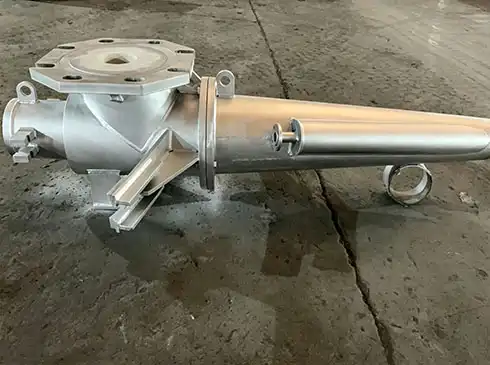
A Complete Guide to Blast Furnace Coal Injection System Upgrade Services
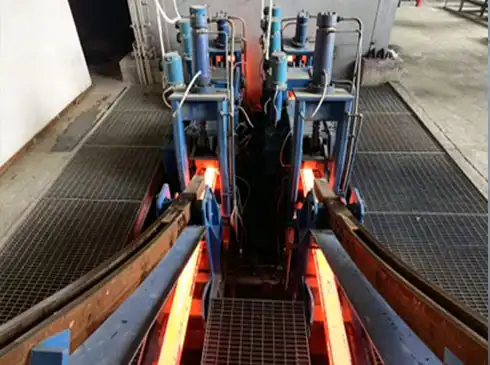
Why Steel Plants Prefer Custom Blast Furnace Tuyere Equipment?
Can High Oxygen Injection Cause Blast Furnace Tuyere Damage?
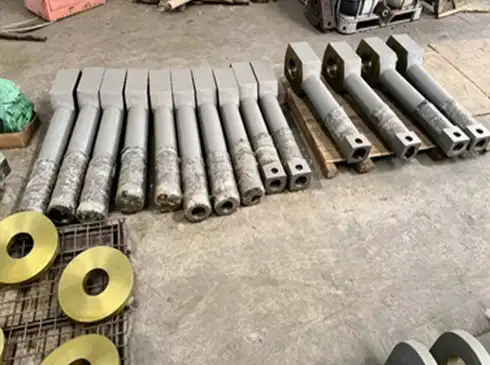
The Working Principle of Blast Furnace Water-Cooled Valves