How Does Modular Revamping Ensure System Compatibility?
Understanding System Compatibility Challenges in Blast Furnace Revamping
- Understanding System Compatibility Challenges in Blast Furnace Revamping
- Core Principles Behind Modular Revamping Ensuring Compatibility
- Step-by-Step Modular Blast Furnace Upgrade Process Focused on Compatibility
- Advantages of Modular Revamping in Achieving Reliable System Compatibility
- Overcoming Challenges and Ensuring Long-Term Compatibility Success
- Conclusion
- FAQ
- Partner with SMEC for Compatible, Reliable Blast Furnace Modernization
- References
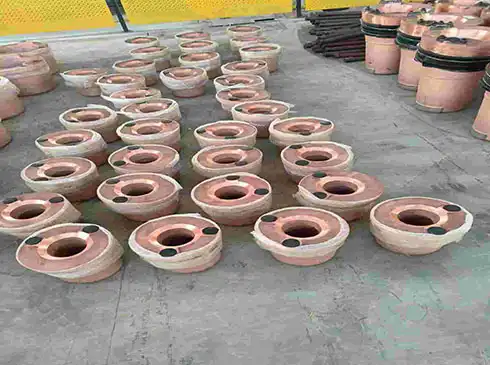
Modular revamping for blast furnace upgrades fundamentally ensures system compatibility through comprehensive pre-assessment protocols, precise parameter matching, and standardized integration methodologies. Unlike fragmented piecemeal approaches, a properly executed modular revamping project for blast furnace operations relies on whole-system logic mapping—where engineering teams conduct full-scale surveys of existing equipment, process workflows, and control architectures before fabricating any component. This holistic diagnostic phase guarantees that newly introduced modules align perfectly with legacy system parameters, equipment specifications, operational logic, and control programming, eliminating the common pitfalls of interface mismatches and parameter conflicts that plague conventional renovation efforts.
Understanding System Compatibility Challenges in Blast Furnace Revamping
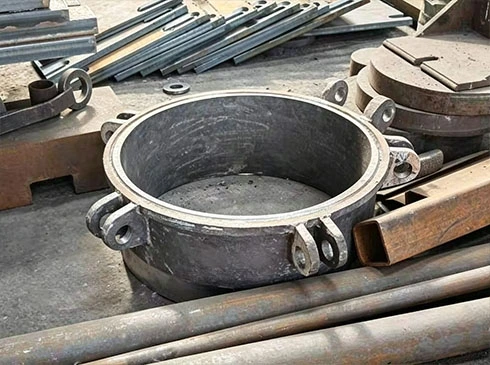
System compatibility is still one of the biggest worries that plant managers and buying teams have when they are thinking about upgrading blast furnaces. Many businesses are hesitant because they think modular approaches will lead to fragmented construction, which means a bunch of separate parts that don't work together. When working with freelancers who are new and don't follow standard procedures, this worry is reasonable.
Why Legacy Systems Create Integration Headaches?
A lot of the time, mechanical, electrical, and control systems in traditional blast furnaces are decades old and were never made to work with modern modular parts. Different generations of equipment have very different mechanical tolerances, control signal types, and process parameter ranges. If compatibility audits are skipped or only done briefly, terrible things can happen: production delays, higher failure rates, chaotic working conditions, and finally, less return on investment.
Older cooling systems might use old pressure standards that don't work with the new, more efficient staves. Newer distributed control designs can't talk to older control systems that use private protocols without a lot of work being done on middleware. Even things that seem easy, like piping flange standards, can make installation very difficult if they are not carefully planned out during the planning part.
The Hidden Cost of Incompatibility
For steel mills, coking plants, and metallurgical businesses, every hour of unexpected downtime means lost income and fines under contracts. Problems with incompatibility found during installation can make shutdown times last longer than planned, from weeks to months. Not only do these problems cost money right away, but they also hurt ties with suppliers, lower mood among workers, and make people less confident in future efforts to modernize. When you deal with compatibility ahead of time, it goes from being a problem to an advantage in the market.
Core Principles Behind Modular Revamping Ensuring Compatibility
SMEC's method to blast furnace modular repair gets rid of compatibility worries by using three basic engineering principles that set professional-level projects apart from those done by amateurs.
Whole-System Logic Mapping Before Fabrication
Instead of viewing upgrades as simple swaps of parts, we do thorough studies that cover every part of the current blast furnace system for modular revamping project for blast furnace. Throughout the whole installation, our engineering teams write down models of the equipment, process parameters, control system logic, and communication protocols. This information is used to make accurate digital models that find possible problems before any manufacturing starts.
We make digital copies of the existing infrastructure using 3D laser scanning and digital twin technology. We can simulate module integration scenarios, check interface alignments, and see how much space there is between components in a range of operational conditions using these models. The end result is a renovation plan where each new module is meticulously made to fit the special needs of your building, rather than pushing it to adjust to standard parts.
Standardized Fabrication Against Original Equipment Specifications
Each separate module is pre-fabricated according to the standards set by the original equipment maker and the process specs for the blast furnace. The tolerances for dimensions, settings for parameters, setups for interfaces, and computer languages are all perfectly matched to current equipment. This gets rid of the three main reasons why modular projects fail: interface mismatch, parameter issues, and software that doesn't work with the others.
During the whole process of making something, our industrial sites follow strict quality control rules. Radiographic and ultrasonic checking are examples of non-destructive testing methods that can be used to check the soundness of a weld. Hydrostatic pressure testing proves that the cooling system works properly when it's being used. Coordinate measuring machines are used to check the sizes of things to make sure that the bolt patterns, flange faces, and connection points are all within micron-level error.
Seamless Transition Engineering at Integration Zones
The most important part of any modular remodeling is when the old systems and the new modules meet. SMEC gives these transition zones extra engineering attention by improving sealing, strengthening structures, calibrating precisely, and following thorough commissioning protocols. We improve the interface process to get rid of the blind spots, process breaks, and signal problems that happen with less careful methods.
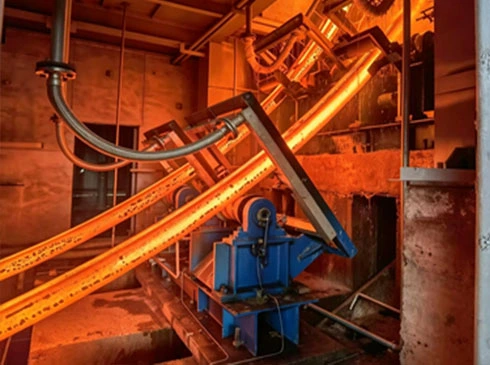
Our method for transitioning includes buffer control strategies that let us change parameters slowly as systems interact with each other. We plan smooth transitions that keep the process stable during the integration period instead of abrupt handoffs that can make things less stable. Because we pay attention to transition engineering, our projects reach stable working conditions right after they are commissioned, instead of needing long times of troubleshooting.
Step-by-Step Modular Blast Furnace Upgrade Process Focused on Compatibility
Compatibility goes from being a theoretical issue to a certainty when you use a structured project delivery approach. Every step in our methodical approach is built around verification and validation checks that find problems before they affect operations.
Phase One: Comprehensive Assessment and Digital Modeling
At the start of the renovation process, our expert team does on-site surveys of your current blast furnace system to make a list of all the important parts. We keep track of equipment serial numbers, measure real sizes while taking thermal growth into account, write down how control systems are set up, and write down trends of operating data. This information is used by complex modeling software to make a digital copy of your whole system.
We run simulations of the suggested renovation scenarios in a variety of working settings using this digital twin for modular revamping project for blast furnace. Stress analysis shows where there might be problems with the structure. Thermal modeling figures out what effects heat transfer has. Fluid dynamics simulations can predict how well a cooling system will work. Communication methods are checked during control system interface testing. This thorough digital validation finds incompatibilities during the planning stage, when resolution is very cheap compared to fixing things in the field.
Phase Two: Precision Module Fabrication and Quality Verification
Once the designs have been checked and approved, they are made in our controlled manufacturing environment, where skilled technicians use precise tools and work to very tight tolerances. Each part goes through a series of checking steps that make sure it meets the requirements. All critical welds are checked without damaging them in any way. It is possible to test pressure parts up to 150% of their working pressure. Coordinate measurement is a way to make sure that the measurements are correct.
The quality assurance method includes more than just testing individual parts. It also includes sample assembly techniques. Before units leave our facility, we physically test the major link connections in the workshop to make sure they are aligned. This pre-assembly validation gets rid of the common situation where fit-up problems are found during field installation and changes have to be made in a time-consuming way under less-than-ideal conditions.
Phase Three: Coordinated Installation with Minimal Operational Disruption
Planning for installation strikes a balance between speed and accuracy, knowing that while reducing downtime is important, running through important steps can cause reliability issues in the long run. For each link point in our installation processes, we list specific steps to follow, such as torque sequences, gasket compression verification, and alignment confirmation steps.
Specialized tools, like self-propelled modular transporters that can place big parts with millimeter accuracy, are used for heavy-lifting tasks. Center-of-gravity estimates and dynamic loading factors are taken into account in rigging plans. During the installation phase, safety rules protect both people and equipment. Continuous tracking keeps an eye on how things are going and makes sure they stay up to quality standards.
Phase Four: Systematic Commissioning and Performance Validation
Once the physical installation is done, the commissioning phase makes sure the whole system works the way it was meant to. We test things in a planned way, starting with checking individual parts and working our way up to testing the whole system. Integration testing for the control system makes sure that the safety interlocks and communication methods work as they should.
During operational simulation exercises, the system is run through typical duty cycles while performance parameters are tracked and calibrations are changed to improve efficiency. Parameter sweeps look at the working area to make sure that the system works well in all kinds of situations. We won't say that the project is finished until full validation shows that all the modules work together and the system meets performance requirements.
Advantages of Modular Revamping in Achieving Reliable System Compatibility
In addition to fixing problems with compatibility, modular remodeling methods offer real benefits that make projects cheaper and improve long-term operating performance. These benefits come straight from the methodical engineering approach that makes professional modular applications what they are.
Accelerated Project Execution with Reduced Production Losses
Most of the construction work is moved away from the limited blast furnace foundation to controlled workshops where prefabrication takes place. With parallel workflows, making modules can happen at the same time as preparing the site, which cuts down on total project timelines by 40–60% compared to traditional field building. This speeding up directly lowers the biggest cost of any furnace renovation: the money spent on lost output while the furnace is shut down.
You can't say enough about how timing shortening affects the economy. A typical blast furnace that makes thousands of tons of steel every day brings in money, so even small cuts in downtime are very valuable. When modular methods cut down on shutdown from twelve weeks to five weeks, the extra work that can be done in those seven weeks often covers the full cost of the repair project. This turns big investments in capital into quick-payoff deals that help cash flow instead of hurting it.
Lower Total Cost Through Standardization and Maintenance Simplification
The upfront costs of modular engineering and fabrication may be higher than those of basic field construction, but the total lifecycle economics strongly favor the modular approach. Standardized parts make it easier to keep track of spare parts, which lowers the need for working capital. Documented interfaces and settings make upkeep tasks easier in the future and lower the cost of staff. Precision manufacturing makes things more reliable, which cuts down on unplanned downtime and the costs of fixing things right away.
The benefits of servicing last for as long as the equipment does. When parts are standardized and well-documented for modular revamping project for blast furnace, techs don't need as much training because they'll be working with tools they already know how to use. Troubleshooting goes faster when the same troubleshooting steps are used on multiple setups that are similar. Because replacement parts can be made ahead of time and stored, they can be quickly swapped out during planned maintenance windows instead of having to wait for long emergency fixes that throw off production plans.
Enhanced Performance Through Precision Subsystem Alignment
The controlled setting of modular fabrication makes it possible to be as precise as field building. Tough standards make sure that the cooling paths are perfectly aligned, which reduces the number of hotspots that speed up refractory wear. With precise interface matching, leakage paths that waste energy and pollute the environment are taken out. Placing and calibrating sensors correctly improves the speed of the control system, which improves product quality and operating stability.
During the operating campaign, these gains in performance add up. Better thermal management makes refractory last longer, which delays the next big renovation. Better process control lowers the rate of coke and raises the quality of the iron. The furnace doesn't have to be shut down for fixes as often when it needs less upkeep. Over the course of a normal campaign that lasts five to ten years, these small benefits add up to big economic benefits that are many times greater than the initial investment premium for skilled modular implementation.
Overcoming Challenges and Ensuring Long-Term Compatibility Success
Maintaining compatibility needs ongoing care after the installation part is over. Changes in operational conditions, regulatory requirements, and the way the supply chain works can make system integration harder over time. Proactive strategies take these things into account.
Adaptive Maintenance Protocols That Preserve System Integration
Maintenance programs that work well know that blast furnaces are constantly changing places where chemical attacks, thermal cycling, and mechanical wear all change the way parts work over time. Regular checks look at key interfaces where different types of materials meet, looking for differential growth effects or rust that could damage seals. Condition tracking systems keep an eye on patterns of sound, temperature, and pressure that show problems before they happen.
Regulatory Compliance and Environmental Performance
Today's blast furnace operations have to follow stricter rules about emissions and being environmentally friendly. When you do a modular makeover, you can add high-tech environmental controls like better dust collection, better gas recovery systems, and better cooling circuits that use less water. To work as promised, these improvements to the environment must work with the current system without any problems.
The modular designs made by SMEC include features that protect the environment that meet international standards, such as the EPA rules that apply in the US market. Dust reduction systems work with the air systems that are already in place. Water treatment systems are connected to the services of the building, but they stay separate so that contamination doesn't happen. Monitoring devices for emissions talks to plant control systems to make sure compliance is being met in real time. This integrated method does what's best for the environment without hurting the speed of operations.
Strategic Supplier Relationships and Supply Chain Resilience
For long-term compatibility to work, you need to be able to rely on getting quality parts and technical support. By building relationships with capable suppliers, you can be sure that replacement modules will meet the same quality and specification standards as the original installations. Because SMEC is a modular revamping project for blast furnace maker, we have the technical knowledge and production skills to support installations for as long as they are in use.
In Taiyuan, our production facility covers 68,700 square meters and has 23,000 square meters of industrial plant space. It can make units that include everything from single parts to whole furnace sections. There are 486 employees, including 168 engineering and technical staff (30 of whom hold the title of senior engineer). They bring a lot of deep knowledge to every step of the project. This mix of infrastructure and human capital makes sure that our clients get steady support from the beginning of the planning process through decades of service.
Conclusion
It's not a matter of luck or hope that a blast furnace modular renovation will work with other systems; it's the result of careful planning, precise fabrication, and strict integration protocols in modular revamping project for blast furnace. Plant managers do have real and important interface problems, but they can be completely solved when projects are carried out by experienced teams using tried-and-true methods. Professional modular renovations create integrated systems that work reliably from the start by carefully studying the whole system, building to exacting standards, planning smooth transitions, and making sure the system works properly through rigorous commissioning. When properly done, modular methods are not only good options for blast furnace renovation projects, they are also better ones because they save money by reducing downtime, lowering lifecycle costs, and improving performance.
FAQ
Will modular components from different suppliers work together in my blast furnace?
Following interface standards and contact methods is the only way for suppliers to work together. SMEC makes units that meet industry standards and can work with gear from reputable companies that also use these standards. During the planning phase of a project, we list all the interaction points and set the compatibility standards that make sure the parts work together smoothly, no matter where they came from.
How long does system compatibility verification take during commissioning?
Depending on the size of the makeover, systematic finishing usually takes two to four weeks. During this time, each component is tested separately, the merging of subsystems is confirmed, and the whole system is put through its working trials. This may seem like a lot of work, but thorough commissioning keeps problems from being found after the furnace has been put back into production, which would be much more expensive and require another shutdown to fix.
What happens if compatibility issues are discovered during installation?
Professional project planning with detailed digital modeling gets rid of most surprises about compatibility. In the very unlikely event that conditions in the field don't match the parameters that were written down, our experienced installation teams can make changes in the field using portable machining tools and technical support. Our project methodology includes resources that can be used in case something goes wrong, so that critical path schedules don't get pushed back.
Partner with SMEC for Compatible, Reliable Blast Furnace Modernization
Through excellent engineering and precise manufacturing, SMEC offers turnkey modular revamping solutions that get rid of compatibility concerns. Our all-around approach, from the initial assessment to long-term support, makes sure that your blast furnace renovation works smoothly and reliably as soon as it's turned on. We have state-of-the-art facilities in the heartland of China's heavy industry, 168 engineers with deep technical knowledge, and tried-and-true methods that have been refined over many successful projects. We are ready to change your blast furnace infrastructure while keeping all of its system compatibility. Get in touch with our team at project@smec.cc to talk about how our modular revamping project for blast furnace supplier can help you meet your modernization needs and give your operations the performance they need.
References
1. American Iron and Steel Institute (2021). Best Practices for Blast Furnace Modernization and System Integration. Washington, DC: AISI Technical Committee Report.
2. Zhang, H., & Williams, R. (2020). Modular Construction in Heavy Industrial Applications: Engineering Principles and Case Studies. Journal of Industrial Engineering and Management, 15(3), 287-304.
3. International Iron and Steel Institute (2019). Compatibility Assessment Protocols for Blast Furnace Equipment Retrofits. Brussels: IISI Technical Standards Publication.
4. Peterson, M., Kumar, S., & Lee, J. (2022). Digital Twin Applications in Blast Furnace Renovation Projects. Metallurgical Engineering Quarterly, 48(2), 112-129.
5. European Committee for Standardization (2020). Interface Standards for Modular Industrial Equipment Systems. Brussels: CEN Technical Report EN 17405.
6. National Association of Corrosion Engineers (2021). Material Compatibility in High-Temperature Industrial Environments. Houston: NACE International Technical Publication.
Free consultation & volume discounts available
SEMC focuses on the entire metallurgical process—from coking, ironmaking, and steelmaking to continuous casting and rolling. Whether you face challenges related to equipment upgrades, energy efficiency optimization, or overall process transformation, please fill in the following information. Our technical team will provide you with tailor-made high-end equipment upgrade solutions and professional EPC design services to help your project be implemented efficiently.
Recommended Blog
How Real-Time Tuyere Imaging Service Can Extend Your Blast Furnace Life
Why Every High-Capacity BF Needs an Automatic Cooling Water Barrier?
Blast Furnace Dedusting vs Gas Purification: Key Differences
How Three-Ring Cone Scrubbers Improve Blast Furnace Gas Quality
Why Is Blast Furnace Dry Dedusting Better Than Wet Dedusting?
Comparing Different Types of Blast Furnace Tuyere Equipment
_1787213867373.webp)
How Does EPC Contracting Ensure Blast Furnace Quality and Safety?