How Does EPC Contracting Ensure Blast Furnace Quality and Safety?
Understanding Blast Furnace EPC Contracting and Its Quality & Safety Focus
- Understanding Blast Furnace EPC Contracting and Its Quality & Safety Focus
- Key Phases in the Blast Furnace EPC Project Lifecycle That Ensure Quality and Safety
- Technologies and Project Management Strategies That Enhance Quality and Safety
- Challenges in Ensuring Quality and Safety—and How EPC Contracting Addresses Them
- How to Choose the Right EPC Contractor to Guarantee Blast Furnace Quality and Safety?
- Conclusion
- FAQ
- Partner with SMEC for Your Blast Furnace EPC Requirements
- References
New blast furnace EPC general contracting service delivers end-to-end project accountability by consolidating engineering, procurement, and construction under one contractor. This integrated model eliminates fragmented vendor management, reduces technical interface risks, and ensures seamless coordination from design through commissioning. By establishing single-point responsibility, EPC contracting enhances quality control and safety compliance, addressing the critical challenges inherent in blast furnace projects—such as extreme operational temperatures, hazardous material handling, and complex system integration—while safeguarding long-term production stability and regulatory adherence.
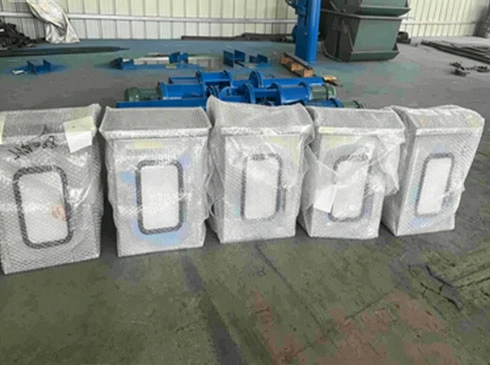
Understanding Blast Furnace EPC Contracting and Its Quality & Safety Focus
Learn about blast furnace EPC contracting and how it focuses on quality and safety. Building a blast furnace is one of the hardest industrial projects because it requires precision in a lot of different technical areas. Metallurgical engineers, structure designers, automation experts, and safety pros work together on turnkey projects to make sure they meet strict international standards. At every step of a project, this joint framework makes sure that ISO 9001 quality management systems, OSHA safety rules, and ASME pressure tank codes are followed.
Single-Point Accountability Drives Superior Outcomes
When using traditional multi-vendor methods, there are often gaps in who is responsible for what, which can cause problems with planning and quality. When one worker is in charge of the whole job, it's very clear who is responsible for what. Any departure from the specs, whether it's during foundation work or the installation of refractories, is the contractor's responsibility. This keeps people from blaming each other and speeds up the process of fixing the problem. This model of unified responsibility cuts down on project delays and safety incidents by a large amount.
Regulatory Compliance as a Foundation
Metallurgical sites have to follow new rules about safety at work and protecting the environment. Emission control systems, dust suppression technologies, and safety measures for workers are all built in from the start by contractors with a lot of experience. By building compliance requirements into the engineering standards from the start, rather than adding them later, projects can avoid having to make expensive changes or face fines from regulators while making sure workers are safe from the start.
Risk Mitigation Through Integrated Planning
Blast furnaces work in harsh conditions, with temperatures inside that are higher than 2000°C, high-pressure gas flows, and constant mechanical stress. Because of these operational realities, strong risk assessment methods are needed when planning a project. Failure Mode and Effects Analysis (FMEA) and Hazard and Operability Studies (HAZOP) are tools that contractors use to find potential failure points before they start building. This lets them take preventative steps that protect both project timelines and future operational safety.
Key Phases in the Blast Furnace EPC Project Lifecycle That Ensure Quality and Safety
Quality control and safety management are important at every stage of building a blast furnace. Through systematic phase management, specialized contractors use a structured approach to turn new blast furnace EPC general contracting service complicated needs into real results.
Engineering Design: Building Safety into the Blueprint
The design phase sets the stage for all the quality and safety results that will follow. Instead of using standard models, contractors create technical solutions that are specific to the amount of work that needs to be done, the properties of the raw materials, the local environment, and safety rules. This change stops practical problems that come from design mismatches. Engineers can find the best furnace geometry and cooling system configurations before starting construction by using advanced simulation tools that model gas flow patterns, thermal distribution, and structural stress. During this phase, detailed safety studies find dangerous areas, set up emergency reaction plans, and spell out what safety gear is needed. This creates a complete safety framework that all activities that follow are based on.
Procurement: Material Quality as a Non-Negotiable Standard
The choice of material has a direct effect on the life of the furnace campaign and the safety of operations. When contractors follow strict procurement rules, they build networks of prequalified suppliers that meet strict material standards. According to ASTM standards, refractory materials are tested for density and thermal conductivity. Mill test papers prove the chemical make-up and mechanical qualities of structural steel parts. Before they are shipped, parts of the cooling system are put under pressure tests. Dimensional checks and material certifications are needed for pipeline parts. By using these quality gates during purchase, contractors keep low-quality materials out of the project, getting rid of a major source of future safety and operating problems.
Construction: Precision Execution Under Strict Supervision
The quality of the construction determines whether the engineered specifications are met in practice. During all phases of construction, certified installation teams follow both national building standards and work processes that are specific to the project. Quality inspectors and safety officers are always watching over important tasks like installing refractory linings, welding steel structures, placing cooling staves, and integrating automation systems. Weld strength is checked with non-destructive testing methods like ultrasound examination and radiographic inspection. When installing equipment, precision measuring tools make sure that the measurements are correct. Hydrostatic testing is done on pipeline lines to make sure they don't leak. This multi-layered inspection method finds problems right away, stopping mistakes that could make the furnace work less well or put people at risk.
Commissioning: Validating Performance Before Handover
Before handing over operations, commissioning is the last quality check. Systematic testing procedures that mimic real production conditions are used by contractors to make sure that all systems work as planned. Pressure testing makes sure that cooling circuits and gas handling systems are working properly. Thermal scanning makes sure that the heat is spread evenly across the refractory zones. Factory Acceptance Testing (FAT) and Site Acceptance Testing (SAT) are two ways that automation systems are checked to make sure that the control reasoning is correct. The burden distribution mechanisms are tested to make sure they work properly when they are loaded. During hot launching, operational stresses are slowly added. This lets any hidden flaws or process misalignments be found in real time. The contractor won't let the client take over the project until all performance measures meet the terms of the contract. This makes sure that the clients get fully functional, safe facilities that are ready to keep producing.
Technologies and Project Management Strategies That Enhance Quality and Safety
Contemporary blast furnace building uses cutting edge technologies and management techniques that greatly improve quality and safety outcomes compared to older methods.
Digital Twins and Building Information Modeling
Digital twin technology makes virtual copies of physical assets. This lets contractors test building processes, find problems in the space, and improve installation methods before they are put into action in the real world of new blast furnace EPC general contracting service. Building Information Modeling (BIM) brings together design data from different fields to make sure that mechanical systems, electricity networks, and structure elements all work together smoothly. These visualization tools cut down on the amount of work that needs to be redone because of design conflicts and installation mistakes. This improves both quality consistency and worker safety by lowering the number of unsafe changes that have to be made on the job.
Automation and Robotics in Hazardous Operations
While working in building, people are put in serious danger when they work at heights, in small areas, or with dangerous materials. More and more, these dangerous jobs are being done by robots and other automated machines. Automated welding systems make sure that the quality of the weld is always the same and keep workers out of dangerous situations. Lifting things by hand is safer when you use tools that you can handle from a distance. Drone inspections check out parts of structures that are hard to get to without using platforms. Contractors keep strict quality standards while protecting workers by strategically using these technologies.
Integrated Project Management Platforms
Real-time sharing of information and conversation are very important in complicated projects with many parties. Schedules, specs, inspection reports, and safety paperwork can all be accessed from one place on cloud-based project management systems. When problems with quality or safety happen, they are immediately reported to everyone who needs to know, so they can be fixed quickly. These platforms keep full audit trails of all quality control activities and safety interventions, which helps with making sure compliance and promoting continuous improvement.
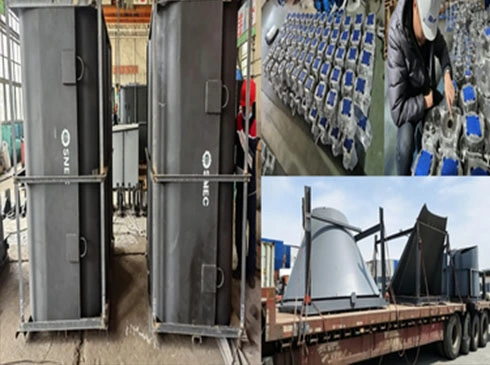
Safety Culture Through Training and Leadership
Culture in the workplace is just as important as technology when it comes to making sure everyone is safe. Contractors who are dedicated to safety excellence put in place thorough training programs that teach workers how to spot hazards, what to do in an emergency, and how to use their tools properly. Safety is clearly a top priority for leadership teams, as shown by their regular site visits, safety briefings, and quick responses to reported problems. This cultural focus makes workplaces where workers feel able to stop working when they see dangerous conditions. This stops accidents before they happen and keeps the quality focus needed for long-term asset reliability.
Challenges in Ensuring Quality and Safety—and How EPC Contracting Addresses Them
Blast furnace projects have special problems that test the skills of the contractors. Procurement professionals can make better decisions when they know about these problems and how EPC contracting works to solve them.
Supply Chain Complexity and Material Variability
Material quality and shipping times can change because of global supply lines. A lot of the time, different providers in different countries send specialized refractory materials, high-performance cooling parts, and automation gear. This level of complexity makes it harder to control quality and could cause scheduling changes. These risks can be reduced by experienced contractors using supplier prequalification programs to build relationships with makers who regularly deliver certified goods. Specific rules for inspecting materials make sure they are of good quality when they arrive, finding low-quality items before they are installed. Strategic inventory management keeps extra supplies of important parts on hand in case there are problems with the supply chain. This keeps schedules from getting behind.
Multi-Contractor Coordination Difficulties
In the traditional way of delivering projects, civil works, mechanical installation, electrical systems, and computer integration are all done by different companies. Coordinating these groups creates interface risks where duties overlap or there are gaps. By putting all job areas under one management, single-entity EPC delivery gets rid of these coordination problems. Work sequencing, resource allocation, and interface management are all directly controlled by the contractor. This makes sure that there are smooth changes between phases of building and avoids the quality problems that happen when work is passed from one contractor to another.
Extreme Operational Environments During Construction
Working around existing buildings, handling confined areas, and installing systems that will finally work in extreme temperatures and pressures are all tough situations that construction workers have to deal with in new blast furnace EPC general contracting service. These external factors make it harder to control quality and raise safety risks. Contractors deal with these problems by carefully planning their work and putting in place safety measures like ventilation systems for small spaces, fall protection for work that is done at heights, and thermal barriers for work that is close to hot processes. Continuous tracking finds new dangers early, so problems can be fixed quickly before they happen.
Quality Traceability and Long-Term Accountability
Blast furnaces work for 15 to 20 years before they need major repairs. For building quality that will last, you need thorough documentation and methods for tracking things back to their source. The best contractors use lifetime quality tracking systems that keep track of all the materials, how they were installed, and the test results. When operating problems happen years after the system was put into service, these records help find the exact cause. Many workers back up this paperwork with longer warranties and promises of technical support. This shows that they are confident in the quality of the work and gives customers ongoing peace of mind.
How to Choose the Right EPC Contractor to Guarantee Blast Furnace Quality and Safety?
Choosing the right EPC partner is probably the most important thing to do when putting together a blast furnace job. A number of evaluation criteria help find contractors who can deliver high-quality and safe results.
Proven Experience in Metallurgical Projects
General construction experience does not directly translate to knowledge of how to use a blast furnace. Understanding the chemistry behind making iron, dealing with very hot environments, and putting together complicated process control systems are all things that metallurgical facilities need. Having contractors with a history of building blast furnaces is very helpful because it keeps your project from having to go through expensive learning curves. Look over thorough project files and make notes on furnace capacities, production methods used, and any unique problems that were solved successfully.
Certification Portfolios and Safety Performance Records
Certifications are objective proof of a contractor's skills. In addition to basic business licenses, you should also look for specialty credentials like ASME certification for making pressure vessels, ISO 9001 certification for a quality management system, and ISO 45001 certification for health and safety at work. Safety success metrics like the Total Recordable Incident Rate (TRIR), the Lost Time Injury Frequency Rate (LTIFR), and near-miss reporting data are all very important. Contractors with great safety records show that their companies care about protecting their workers, which directly leads to better project completion.
Contract Model Alignment with Project Objectives
Different types of EPC contracts divide up risk and duty in different ways. With lump sum total contracts, the worker is fully responsible for everything, and the client knows exactly how much it will cost and that the work will be done well. This model works well when the project scope is clear and the client wants to pass on the risk of delivery. Design-build methods are flexible when the needs of the project change, letting everyone work together to make the specifications better while the work is being done. By knowing about these structure differences and choosing models that fit your project's needs and level of certainty, you can make sure that the terms of the contract support quality and safety goals instead of getting in the way of them.
Technical Support and After-Sales Service Capabilities
The project connection shouldn't end when the work is done. During the first few operations, optimizing the furnace often needs help from a professional to fine-tune process parameters. For routine repair tasks to go smoothly, contractors need to know about construction details and material requirements. Check out the technical support systems that companies offer, such as their reaction times, the availability of spare parts, and the training programs they offer for your operations staff. Strong support after the project is finished shows that the contractor is confident in the quality of their work and gives clients useful tools for improving asset performance throughout the furnace campaign life.
Conclusion
EPC contracting completely changes how blast furnace projects are done by combining responsibility, making coordination better, and incorporating quality and safety management into every stage of the new blast furnace EPC general contracting service project. The integrated method solves problems in the industry that happen with regular multi-vendor projects, like broken responsibility, missing interfaces, and inconsistent quality standards. Specialized builders build facilities that meet strict performance standards, protect workers, and ensure long-term operating stability. They do this by using advanced technologies, systematic phase management, and an unwavering commitment to organizational excellence. Procurement professionals can get the quality results and safety performance their companies need by choosing partners with a track record of success, strong certifications, and a wide range of support services.
FAQ
What advantages does EPC contracting offer over traditional multi-vendor project delivery?
With EPC contracts, there is only one person responsible for everything, so there are no gaps in communication between different companies. This single point of responsibility speeds up decision-making, lowers interaction risks, and gives clients one organization that is in charge of all quality and safety outcomes. Costs and schedules are much more predictable when one worker handles all the different parts of the work and there are no disagreements about who is responsible for what.
How do contractors maintain safety in harsh construction environments?
Comprehensive safety management includes many things, such as careful risk assessments before work starts, using robots and automation for dangerous jobs, constantly watching work areas, making sure everyone wears protective gear, and setting up a stop-work authority that any worker can use to stop unsafe activities. Through a strong company culture, these technical steps are strengthened by regular safety training and clear support from leaders.
What emerging technologies are improving blast furnace EPC project outcomes?
Digital twins and BIM make it possible to run virtual construction simulations that find and fix problems before they happen in the real world. IoT sensors allow for real-time monitoring of safety and quality factors in building. By finding trends in inspection data, advanced analytics can guess what problems might happen. These technologies work with traditional quality control methods to make stronger assurance systems that find flaws earlier and better stop safety incidents.
Partner with SMEC for Your Blast Furnace EPC Requirements
As a member of Taiyuan Silian Heavy Industry (Group) Co., Ltd., SMEC brings decades of specialized experience in making metallurgical equipment and delivering projects to every new blast furnace EPC general contracting service job. Our complete quality management system includes customized engineering design, strict standards for buying materials, precise building execution, and systematic commissioning processes. This system makes sure that projects meet the highest quality standards and get rid of any hidden operating risks. We offer turnkey solutions that improve production efficiency, extend campaign life, and make sure regulatory compliance. Our state-of-the-art research facilities, 168 engineering professionals (30 of whom are senior engineers), and track record of successfully working with integrated steel manufacturers around the world make this possible. Our lifetime quality traceability system and dedicated after-sales support give you peace of mind even after the product has been delivered. Talk to our technical team at project@smec.cc about your unique project needs and find out how working with an experienced new blast furnace EPC general contracting service provider can turn your investment into a safe, high-performing, and reliable production tool.
References
1. International Iron and Steel Institute. (2021). "Best Practices in Blast Furnace Construction and Quality Assurance." Technical Report Series on Ironmaking Technologies.
2. American Society of Mechanical Engineers. (2020). "Pressure Vessel Design and Safety Standards for Metallurgical Applications." ASME Boiler and Pressure Vessel Code, Section VIII.
3. Occupational Safety and Health Administration. (2022). "Safety Management in Heavy Industrial Construction Projects." OSHA Technical Manual, Section IV: Industrial Safety.
4. International Organization for Standardization. (2019). "Quality Management Systems for EPC Contractors in Heavy Industry." ISO 9001:2015 Implementation Guidelines.
5. World Steel Association. (2023). "Engineering, Procurement and Construction Management in Modern Ironmaking Facilities." Steel Technology Roadmap Report.
6. National Institute for Occupational Safety and Health. (2021). "Risk Assessment and Hazard Control in Blast Furnace Construction Projects." NIOSH Publication Series on Industrial Safety.
Free consultation & volume discounts available
SEMC focuses on the entire metallurgical process—from coking, ironmaking, and steelmaking to continuous casting and rolling. Whether you face challenges related to equipment upgrades, energy efficiency optimization, or overall process transformation, please fill in the following information. Our technical team will provide you with tailor-made high-end equipment upgrade solutions and professional EPC design services to help your project be implemented efficiently.
Recommended Blog
Future of Steelmaking: AI-Powered Blast Furnace Tuyere Imaging Services
How to Choose a Blast Furnace Drill Rod Replacement Device Supplier?
Key Considerations Before Starting a Blast Furnace Renovation
Why Cooling Water Barrier Systems are the Last Line of Defense in BF Safety?
_1787213867373.webp)
_1788514652541.webp)
Can Blast Furnace Dry Dedusting Meet High-Precision Dust Removal Standards?