Why Every High-Capacity BF Needs an Automatic Cooling Water Barrier?
Understanding the Role and Importance of Automatic Cooling Water Barriers in Blast Furnaces
- Understanding the Role and Importance of Automatic Cooling Water Barriers in Blast Furnaces
- Design Principles and Technical Features of Effective Automatic Cooling Water Barriers
- Common Problems and Maintenance Strategies for Cooling Water Barriers
- Comparing Automatic Cooling Water Barriers with Other Cooling Solutions
- Procurement Guide: Selecting and Buying the Right Automatic Cooling Water Barrier
- Conclusion
- FAQ
- Partner with a Trusted Blast Furnace Cooling Water Barrier Manufacturer
- References
High-capacity blast furnaces work in very hot conditions that need careful cooling control to keep them from breaking down in terrible ways. An automatic blast furnace cooling water barrier is a very important defense system because it keeps water out of areas with hot metal and keeps the structure strong. This unique containment system uses refractory materials and smart tracking to solve the biggest problem in the industry: keeping water from touching metal, which can cause dangerous hydrogen explosions. In addition to keeping people safe, these barriers make furnace campaigns last longer, use heat more efficiently, and cut down on unexpected downtime. This gives steel producers and metallurgical centers around the world a measured return on investment.
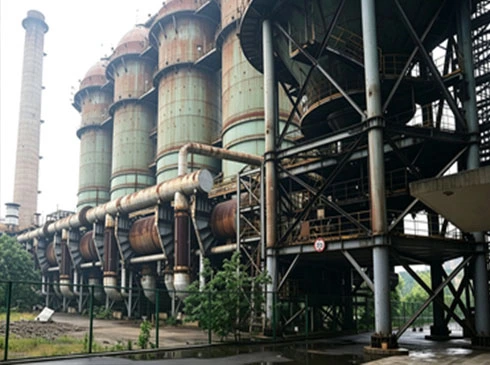
Understanding the Role and Importance of Automatic Cooling Water Barriers in Blast Furnaces
The Catastrophic Risk of Water Ingress
Risks that keep plant managers up at night are water getting into high-temperature areas where blast furnaces are used. When water from staves, jackets, or tuyeres that is cooling meets molten iron at 1,500°C, a reaction happens that makes steam bursts strong enough to damage important infrastructure. We've seen plants have to shut down for weeks at a time because steam-induced temperature shock broke down refractory. Through micro-porous ramming masses and high-density refractory linings that make an unbreakable defense layer, the automatic blast furnace cooling water barrier gets rid of this weakness.
How Traditional Manual Systems Fall Short?
Manual water spray systems need to be watched and adjusted all the time by an operator, which leaves room for mistakes during shift changes or emergencies. When workers react too slowly to changes in the furnace, temperature changes happen. This causes uneven cooling patterns that put stress on refractory structures. Integrated steel mills with multiple furnaces have a hard time with human planning because each unit needs its own attention. Automation fixes these problems by making changes quickly and automatically based on sensors, keeping the temperature just right without any help from a person.
Campaign Life Extension Through Intelligent Protection
By keeping carbon bricks from getting wet and protecting the stability of the hearth refractory, a properly built blast furnace cooling water barrier system can extend furnace campaigns from the usual 10 years to 15 to 20 years. Because they last longer, they need fewer expensive reline jobs and less capital expenditure depreciation. Engineers at the plant like how the blast furnace cooling water barrier's very low porosity (usually less than 12%) and high thermal conductivity (15–30 W/mK based on graphite content) make heat transfer work well while stopping moisture from moving. Because they can do two things, automatic blast furnace cooling water barriers are a must for sites that want to ensure long-term operating stability.
Design Principles and Technical Features of Effective Automatic Cooling Water Barriers
Material Science Behind Reliable Barriers
Modern blast furnace cooling water barrier systems use advanced refractory materials that are made to resist chemical attacks from alkaline fumes and carbon monoxide breaking down. The material standard calls for a Cold Crushing Strength of more than 40 MPa to keep the structure strong under mechanical stress. A low Coefficient of Thermal Expansion keeps the structure from cracking when the temperature changes. Companies that follow the ISO 13765 and ASTM C417 standards make sure that their goods meet international standards for testing how well they conduct heat and how long they last.
Formulations with a lot of graphite are better at managing heat, so heat can be taken out in a controlled way without hurting the blast furnace cooling water barrier's ability to protect. We've seen that adding corrosion-resistant metals to the blast furnace cooling water barrier structure makes it last a lot longer in places where sulfur and chlorine chemicals break down regular refractories. These new materials are the result of decades of study in metals that have been turned into useful solutions for tough commercial uses.
Sensor Integration and Real-Time Monitoring
Fiber-optic temperature sensors and moisture-sensitive resistors built into blast furnace cooling water barrier layers are used in automatic systems that work well and provide constant state assessment. This tracking feature lets you plan preventative maintenance that fixes problems as they arise, before they get so bad that the equipment breaks down. The sensor network sends information to centralized control systems, which let workers see the temperature profiles of the whole furnace shell and quickly fix any problems that come up.
In more advanced systems, there is automatic valve control that changes the water flow rates based on real-time temperature readings. This keeps the system cool without any help from a person. This closed-loop control stops the temperature changes that happen with human methods, which keeps refractory materials from wearing out from too much heat. It gives plant managers peace of mind to know that their boilers are always working within their designed limits, no matter how much work is being done or what the weather is like outside.
Modular Design for Maintenance Accessibility
Both European and American engineering standards stress the use of modular blast furnace cooling water barrier building, which makes it easier to change sections without having to shut down the whole system. This design theory knows that how easy it is to do upkeep has a direct effect on the total cost of ownership, since repairs that take too long can wreck output schedules and income goals. Maintenance teams can fix small areas of wear or damage during planned downtime by using modular parts. This keeps the integrity of blast furnace cooling water barrier zones next to them.
Because modular designs are flexible, they can be used to increase the capacity of a boiler or change the way it works without having to update the whole blast furnace cooling water barrier. This gives facilities that are looking to grow a lot of freedom, because their current cooling systems can handle more heat by upgrading just a few parts instead of the whole system being redesigned.
Common Problems and Maintenance Strategies for Cooling Water Barriers
Identifying Early Warning Signs of Barrier Failure
Leakage is the most serious type of failure. It usually happens when temperatures change quickly, which makes tiny cracks in refractory materials. Uneven cooling patterns are often a sign of clogged water distribution pathways or broken sensors that stop the flow from being properly adjusted. If the temperature goes outside of its usual range, it means that there are problems with the control system or that the blast furnace cooling water barrier is breaking down, which needs to be looked into right away.
Over the course of a campaign, material wear builds up slowly, showing up as less heat conductivity and more holes in the blast furnace cooling water barrier, which makes it less effective at protecting the refractory lining. Regular ultrasonic integrity testing using Non-Destructive Testing methods finds internal holes or delamination before they become dangerous to the furnace. During commissioning, plant engineers should set up standard thermal profiles that can be used to make useful comparisons during regular reviews.
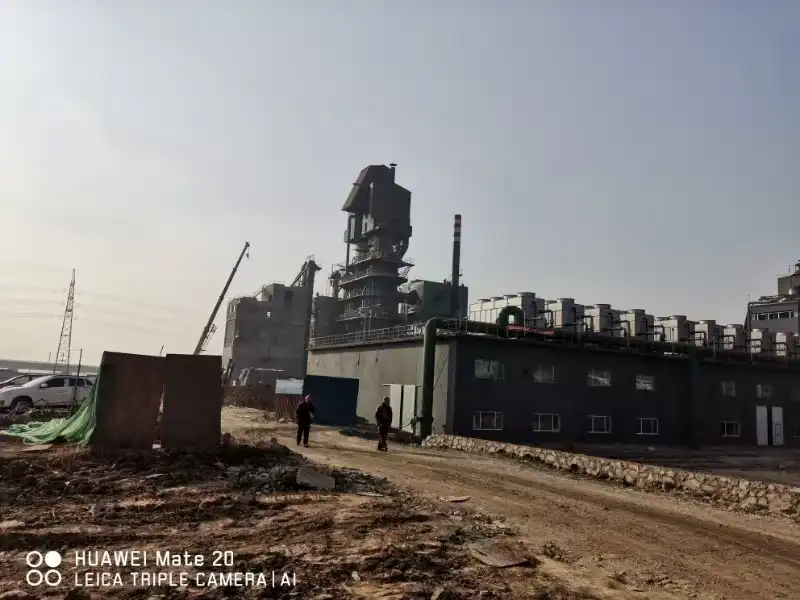
Preventive Maintenance Protocols That Work
Maintenance plans that work well combine eye checks every three months with full tests once a year, which include checking for leaks using helium. Managing the quality of the water is also very important, because too many minerals cause scaling on the cold side, which makes heat transfer less effective and raises thermal stress. Following the right steps for treating water saves blast furnace cooling water barrier materials and improves the performance of cooling systems.
Specialized resin-based injection grouting lets damaged blast furnace cooling water barrier parts be fixed while the furnace is still running, so production is not affected too much. For this method, a hole is drilled through the outer shell to reach the blast furnace cooling water barrier layer. Sealant materials are then injected to restore structural integrity and prevent leakage. Facilities that keep thorough repair logs can find problems that keep happening and change how often they are inspected, which makes the best use of resources and ensures safety.
Extending Component Lifespan Through Operational Discipline
The upkeep of the cooling water's chemistry has a direct effect on how long the blast furnace cooling water barrier lasts. Managing the pH and minerals in the water can stop it from breaking down faster. Operators of the plant should constantly compare the temperatures of the water coming in and going out, using heat balance formulas to make sure the blast furnace cooling water barrier keeps the design heat transfer rates. Deviations from the baseline performance show that problems are growing and need to be looked into before they damage the furnace.
Thermal imaging scans done during planned downtime show hot spots and cooling problems that can't be seen when the system is running, allowing for focused maintenance. These proactive steps protect capital investments and keep furnaces working at a high level, giving procurement managers the stability they look for in cooling system sellers.
Comparing Automatic Cooling Water Barriers with Other Cooling Solutions
Water Cooling Versus Air Cooling Systems
Air cooling systems are good for small furnace businesses that don't need to control heat very well because they are easier to set up and require less money up front. Water-based systems, on the other hand, are better at removing heat, which is important for high-capacity blast furnaces that make more than 3,000 tons of steel every day. Because water and air don't conduct heat the same way, automated blast furnace cooling water barriers can get rid of heat more quickly, allowing for higher production rates without lowering safety standards.
Water systems require more complicated installation because they need pipe infrastructure and leak detection networks that air systems don't need, and this is especially true for a blast furnace cooling water barrier that must maintain uniform flow and pressure across the entire cooling surface. However, this investment pays off by improving operational control and extending the life of the refractory. An study of energy use shows that water circulation pumps need electricity to work, but the better cooling efficiency lowers the furnace's total heat loss, which is good for thermal economy. Facilities that want to make as much as possible always choose water-based options, even though they cost more to adopt.
Material Technology Innovations Driving Performance
New developments in ceramic matrix composites and graphene-enhanced refractories have completely changed how blast furnace cooling water barriers work, making them more thermally conductive than usual materials by more than 40%. Because of these improvements, blast furnace cooling water barrier profiles can be made thinner, which takes up less room during installation while still protecting. When manufacturers put money into material science study, their goods last longer and keep heat in better, giving them a competitive edge.
Case studies from integrated steel mills show that using more modern blast furnace cooling water barrier materials cuts down on upkeep by 35–50% and makes campaigns last longer than 18 years. When you add up the prevented production losses from unplanned shutdowns and the reduced frequency of reline projects, the return on investment estimate becomes very strong. When purchasing people are looking at cooling options, they should give more weight to sellers who can show new materials and get certifications from independent testing bodies.
Quantifying the ROI Advantage
A study of the finances of installing automatic blast furnace cooling water barriers shows that they usually pay for themselves in two to four years, mostly because they reduce downtime and increase the life of the refractory. A 5,000-ton-per-day furnace that loses three work days a year because of problems with its cooling system loses a lot of money that could have been made. Continuous operation makes things more stable, which improves the quality of the products and cuts down on production that doesn't meet specifications, which hurts profits.
Optimized thermal management leads to higher energy efficiency and further savings. For example, some facilities reported 8–12% drops in specific energy use after switching to automated systems. Over the life of a furnace campaign, these operational gains add up to overall cost savings that are much higher than the initial equipment investment. As competition heats up, this value proposition becomes more appealing to decision-makers who have to balance capital budgets against operational excellence.
Procurement Guide: Selecting and Buying the Right Automatic Cooling Water Barrier
Evaluating Supplier Credentials and Capabilities
To choose the best blast furnace cooling water barrier provider, you need to carefully look at their technical support infrastructure. This includes engineering advice services and help with fixing problems after installation. Suppliers who offer full design help can make sure that blast furnace cooling water barrier setups work best with certain furnace shapes and how they are used, ensuring the best performance. Certification that meets international standards like ISO 13765 lets customers know that the goods they buy meet strict quality standards set by the global metallurgy community.
When examining suppliers, manufacturing capability is very important because consistent product quality rests on using high-tech production tools and strict quality control procedures. Facilities should ask for plant tours or audit reports from a third party that confirm production standards. Lead time reliability becomes important when planning furnace relines or new installations, making source track records for on-time delivery vital evaluation criteria.
Customization Options for Diverse Applications
Furnace requirements vary widely across the steel industry, demanding blast furnace cooling water barrier solutions suited to specific thermal loads, refractory setups, and spatial limits. Suppliers that offer flexible designs with size and material combinations that can be changed give customers more options than standard goods. Chemical and coal processing plants that combine coking with by-product recovery need blast furnace cooling water barrier solutions that can work with their specific process conditions and may not be compatible with steel mill products.
Technical discussions with potential suppliers should explore customization options, such as different refractory compositions for areas with high temperatures, built-in sensor packages for better tracking, and installation methods that work with the entry limitations of the site. EPC companies who offer turnkey projects really value suppliers who offer full system kits with installation instructions and operational help that make the project go more smoothly.
Cost Structure Considerations and Value Optimization
Clear price models that separate the costs of tools from installation, commissioning, and training make it possible to plan a budget correctly and compare suppliers fairly. Facilities that use more than one furnace can often get better prices and make sure that all of their setups get the same product specs by signing bulk purchase agreements. Bundled service packages that include preventative maintenance contracts and yearly checks help you plan your budget and make sure that you stay with the same provider for a long time.
To make it useful to compare suppliers beyond the initial purchase price, a total cost of ownership study should include estimates of how much energy will be used, how often it will need to be maintained, and how long the campaign will last. International sellers of equipment that sell to many markets like suppliers that can show they can make stable products and are ready to build long-term technical cooperation relationships that help the business grow.
Conclusion
When it comes to cooling, high-capacity blast furnaces need systems that work reliably even in harsh conditions. Automatic blast furnace cooling water barriers give precise thermal management and structural security that is needed for longer campaign life and operating safety. Modern blast furnace cooling water barriers are much higher than they used to be thanks to advances in material science, smart monitoring systems, and modular design principles. These methods offer measurable ROI through lower downtime and longer furnace life. When facilities make choices about purchases that favor automation, they gain a competitive edge through better operational stability and production efficiency that human systems can't match.
FAQ
What causes cooling water barriers to fail prematurely?
The main reason why blast furnace cooling water barriers fail too soon is material wear from repeated thermal cycles. This creates tiny cracks that make the blast furnace cooling water barrier less impenetrable over time. Scaling and chemical attacks on hard materials speed up decay when water quality is not managed well. Control system problems that stop temperatures from being properly controlled put shields under more thermal stress than they were designed to handle, which shortens their useful life. These risks are greatly reduced by following regular check practices and performing preventative maintenance.
Can barriers be upgraded without complete furnace shutdown?
Modern injection grouting methods allow in-service fixes that strengthen weakened blast furnace cooling water barrier sections through external shell access, avoiding production pauses. For a full blast furnace cooling water barrier replacement, planned outages must be coordinated with regular furnace repair plans. Modular blast furnace cooling water barrier designs make it possible to change only a piece at a time during short shutdowns. This keeps production as low as possible while fixing any damage or wear that happens during regular operation.
How do automated systems improve energy efficiency?
Sensor-driven flow control changes cooling strength exactly to furnace thermal conditions, removing the over-cooling common in manual systems that loses energy. Optimized heat extraction keeps refractory temperatures in the right ranges, which lowers the furnace's heat loss and raises its total thermal economy. The result is measurable reductions in specific energy usage that add to practical cost savings throughout the furnace campaign.
Partner with a Trusted Blast Furnace Cooling Water Barrier Manufacturer
SMEC blends decades of experience with coking and metallurgical tools with cutting-edge research to create cooling barrier solutions that are perfect for harsh industrial settings. Our Large-scale Intelligent Coking Equipment Research Institute creates cutting-edge refractory mixtures and tracking systems that meet the high standards needed by both integrated steel mills and independent coke makers. Our 23,000-square-meter factory is in Taiyuan City, which is the center of China's energy and heavy chemical industries. It is home to 168 engineering professionals who make sure that every blast furnace cooling water barrier supplier product meets international quality standards. Email our team at project@smec.cc to talk about your unique furnace cooling needs and find out how our custom solutions can help you protect your investments and keep your production running as long as possible.
References
Brockett, R. L., & Peterson, M. J. (2019). Advanced Refractory Materials for High-Temperature Industrial Applications. American Ceramic Society Publications, Columbus, OH.
Chen, W., & Ishikawa, T. (2020). Blast Furnace Cooling Technology: Design, Operation and Maintenance. Metallurgical Industry Press, Beijing.
European Steel Technology Platform. (2021). Best Practices for Blast Furnace Longevity and Energy Efficiency. Brussels: ESTEP Technical Working Group.
Gupta, S. K., & Sharma, R. (2018). Thermal Management Systems in Modern Ironmaking. CRC Press, Boca Raton, FL.
International Iron and Steel Institute. (2022). Safety Standards for Blast Furnace Cooling Systems. Brussels: IISI Technical Committee Report.
Nakamura, H., & Schmidt, P. (2020). Refractory Engineering for Metallurgical Furnaces: Materials, Design and Maintenance. Springer-Verlag, Heidelberg.
Free consultation & volume discounts available
SEMC focuses on the entire metallurgical process—from coking, ironmaking, and steelmaking to continuous casting and rolling. Whether you face challenges related to equipment upgrades, energy efficiency optimization, or overall process transformation, please fill in the following information. Our technical team will provide you with tailor-made high-end equipment upgrade solutions and professional EPC design services to help your project be implemented efficiently.
Recommended Blog
How Real-Time Tuyere Imaging Service Can Extend Your Blast Furnace Life
How Much Does Blast Furnace Slag Granulation Equipment Cost?
How Granulated Blast Furnace Slag Supports Sustainable Manufacturing
How to Choose a Blast Furnace Drill Rod Replacement Device Supplier?
A Complete Guide to Blast Furnace Riser Pipe Maintenance and Replacement
How to Select the Best Blast Furnace Renovation Contractor