Comparing Different Types of Blast Furnace Tuyere Equipment
Overview of Blast Furnace Tuyere Equipment Types
- Overview of Blast Furnace Tuyere Equipment Types
- Technical Comparison of Different Blast Furnace Tuyere Types
- Evaluating Performance and Durability Across Tuyere Types
- Procurement Considerations for Blast Furnace Tuyere Equipment
- Installation, Maintenance, and Replacement Best Practices
- Conclusion
- FAQ
- Partner with SMEC for Advanced Tuyere Solutions
- References
Choosing the correct blast furnace tuyere equipment might affect furnace performance. Hot blast, oxygen, and crushed coal enter the furnace hearth through tuyeres, causing combustion temperatures of 2000°C. The tuyere nozzle, cooler jacket, blowpipe, and gooseneck assembly are designed to endure high temperatures and forces. Thermal conductivity, wear resistance, and operational longevity must be balanced against your manufacturing environment and budget whether choosing copper, graphite, or cast iron.
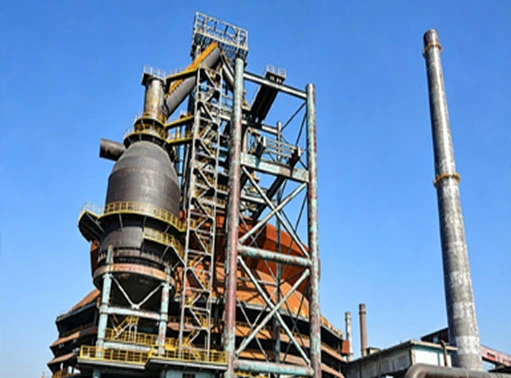
Overview of Blast Furnace Tuyere Equipment Types
Understanding the underlying variations between blast furnace tuyere equipment types helps procurement teams make operationally relevant selections. Each material group has pros and cons.
Core Functions and Critical Parameters
Tuyeres manage oven airflow and maintain the construction sturdy in difficult situations. The cooling ability of blast furnace tuyere equipment determines the capacity to remove heat flux from 0.8 to 1.5 MW/m². Survival against slag splashing and molten iron droplets depends on heat tolerance. Resistance to PCI wear and thermal stress from repeated burning and cooling are durability metrics. Modern versions utilize multi-chamber cooling to maintain 15–20 m/s water velocity. This prevents hotspots and uneven heat distribution that cause early failure.
Copper Tuyere Systems
Most large integrated steel mills utilize copper tubes because they move heat better. OFHC copper of above 99.95% purity has a thermal conductivity of 380 W/m·K, enabling rapid heat removal. Forged copper versions eliminate casting air, creating finer grain structures that are stronger. Two cooling circuits allow these machines to endure 0.5 MPa blast pressures. Flexibility allows the material to be molded into complex airflow-improving forms. The extra expense must be justified by longer service life and reduced downtime.
Graphite and Composite Alternatives
In some working conditions, graphite tuyeres are beneficial. The material resists thermal shock and retains form when temperatures vary fast. Unlike copper, graphite needs various means to be cooled, but because it's chemically neutral, reducing gasses don't rust it. Composite designs employ metal housings with graphite plates for structural support and wear resistance. Abrasive particle erosion breaks things when a lot of coal is introduced at once, not heat stress. Mixed systems are beneficial because of this.
Cast Iron and Traditional Designs
Cast iron tuyeres are inexpensive for tiny furnaces that generate little. With the correct design tweaks, they can perform effectively despite their lower heat conductivity and mechanical properties than copper. Cast iron units normally have easier cooling systems and need more replacements. Because the material is delicate, it must be handled cautiously during installation and cannot be utilized in strong blast pressure areas. These systems perform effectively for organizations that prioritize initial capital expenditures above long-term upkeep optimization, especially for shorter furnace cycles.
Technical Comparison of Different Blast Furnace Tuyere Types
Material selection affects operations in various ways. Knowing these technical distinctions lets you match blast furnace tuyere equipment capabilities to production demands.
Material Properties and Thermal Performance
Thermal conductivity affects system design. Copper moves heat well, allowing thinner walls and more active cooling circuits. Temperature gradients that produce stress fractures decrease. Because graphite is less conductive, it needs bigger heat exchange surfaces yet protects against thermal cycles better. Cast iron, which has medium heat function but cheaper material prices, is in between. Stellite hard-facing or plasma-sprayed ceramic coatings (Al2O3-TiO2) boost surface hardness to 500+ HV and wear resistance by 40–60% regardless of underlying material.
Cooling System Design Evolution
Water cooling systems have evolved from jacketed versions. Modern copper tuyeres increase convective heat transfer coefficients by creating cooling route turbulence. Multi-chamber designs offer variable flow rates for various cooling zones. Vortex cooling provides spiral flow patterns that keep coolant in touch with hot objects longer in certain cutting-edge systems. Water quality is crucial because mineral deposits insulate, making cooling less efficient. Businesses that utilize calcium carbonate-rich water must filter and descal to maintain cooling capacity.
Automation Integration and Predictive Maintenance
Modern tuyere systems increasingly integrate sensor technology to transform reactive maintenance into predictive programming. Embedded thermocouples monitor crucial zone temperatures to detect issues before they become major. In cooling systems, differential flow sensors compare intake and exit values to locate leaks or obstructions. Pressure monitoring equipment alert workers to slag blocking airflow. Integrated plant management systems integrate these data streams to create condition-based replacement plans to maximize equipment utilization and minimize downtime. Automated systems reduce eye assessments, which typically miss cooling channel issues below the surface.
Evaluating Performance and Durability Across Tuyere Types
Performance assessment involves observing how different blast furnace tuyere equipment types operate in real-world settings, not just lab specs.
Heat Resistance and Operational Lifespan Benchmarks
Material and usage hardness affect service life. Good copper tuyeres endure 300–500 days in well-run furnaces. Graphite replacements may expand this range in tough circumstances, but they only last as long when subjected to rapid temperature swings. Cast iron parts need replacing after 120–180 days of usage. These guidelines assume the cooling system will be well-maintained and hot iron contact will not occur. High PCI rates accelerate wear regardless of material. For appropriate campaign lengths, abrasion-resistant coatings are needed.
Early Wear Detection Methods
Detecting wear and tear before failure prevents costly emergency shutdowns and safety hazards. Looking at the system during controlled downtime reveals erosion patterns, scaling deposits, and surface fissures. Ultrasonic testing identifies cooling duct gaps and separations that slow heat flow. Thermal imaging displays hotspots during operation, indicating a clogged cooling circuit or material thinness. Vibration investigation shows mechanical looseness when linkages break. Organized inspection processes with documented reports allow trends analysis that may reasonably predict how long something will be usable.
Airflow Optimization and Furnace Output
Tuyere design profoundly influences combustion zone characteristics and overall furnace productivity. Blast velocity profiles alter penetration depth and mixing due to internal geometry. Well-designed systems create a consistent radial distribution that stabilizes load fall and slag chemistry. Poor airflow creates cold patches that waste fuel and require more coke. Advanced computational fluid dynamics modeling finds the ideal nozzle settings for furnace form and operational circumstances while constructing equipment. Operators with many furnaces frequently notice 3-5% production fluctuations owing to tuyere performance. This illustrates how crucial the equipment is for more than air delivery.
Procurement Considerations for Blast Furnace Tuyere Equipment
A strong procurement process balances short-term economic concerns with long-term practical usefulness for blast furnace tuyere equipment, requiring a detailed examination beyond purchase numbers.
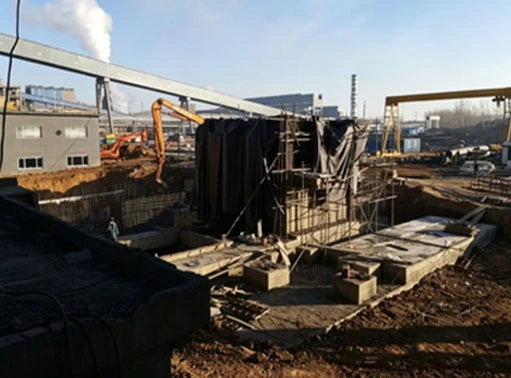
Supplier Evaluation Criteria
When picking a provider, manufacturing and service capabilities should be prioritized over pricing. ISO 9001 quality management and ASTM B170 copper purity standards provide producers confidence in their work. Check the provider's testing processes, notably ultrasonic internal fault testing and hydrostatic pressure testing at 1.5 to 2x operating pressure. Compare material fault warranties to performance assurances under particular operating conditions. Support after the sale is crucial; timely setup and repair help minimize downtime. Maintaining North American service facilities and spare parts stocks demonstrates suppliers care about domestic enterprises.
Bulk Ordering and Customization Benefits
Making a volume pledge can improve terms and ensure product availability. Using the same tuyere designs on all furnaces simplifies maintenance and spare parts. Custom engineering handles one-time concerns like modifying cooling circuit layouts to cope with particular water or manufacturing coatings for tough PCI environments. Long-term supplier agreements allow providers to understand your production environment and help you address operational issues. Technical drawings, material certificates, and inspection records fulfill traceability and quality assurance requirements.
Lead Times and Logistics Planning
Making complex tuyere parts, especially with unique requirements, takes time. Standard copper tuyeres ship in 8–12 weeks, while bespoke ones might take 16–20. When sourcing abroad, consider delivery time and customs clearance. Using historical consumption and failure trends, smart buying maintains strategic inventory gaps. Planning delivery around maintenance schedules prevents production stops due to parts shortages. Knowing a supplier's profit potential helps you avoid bottlenecks when industry demand rises or many firms plan maintenance programs simultaneously.
Installation, Maintenance, and Replacement Best Practices
Installation and maintenance throughout operational campaigns are crucial to blast furnace tuyere equipment life.
Installation Protocols and Safety Procedures
Correct installation ensures years of reliable operation. Line up the tuyere, blowpipe, and blast main sections within limitations to prevent gas leaks and ensure cooling water flows properly. To prevent bolted connections from loosening during temperature cycle, torque restrictions must be met. To remove building waste, cooling water pipes must be cleansed before pressurization. Pressing the seal at working pressure checks it before starting the furnace. Safety requirements encompass accessing a limited space and being exposed to old equipment's hazardous chemicals. Recording construction plans and "as-built" measurements aids maintenance planning.
Routine Inspection and Maintenance Practices
Preventive maintenance strategies extend equipment life and prevent unexpected breakdowns. All channel flow rates and cooling water entry and exit temperatures are verified daily. Weekly breaks are used to visually inspect exterior regions for corrosion, mechanical damage, and connection integrity. Thermographic investigations uncover new hotspots each month, indicating worsening cooling. Mineral deposits that reduce heat transmission surfaces are removed every three months by cleaning the cooling system. Internal borescope examinations and size measurements track wear rates during annual comprehensive checkups. By keeping accurate maintenance logs, you may utilize trend analysis to determine when to replace anything.
Efficient Replacement Procedures
Carefully planned repairs reduce furnace downtime. Avoid material delays by pre-storing new parts and specialist tools near work locations. Detailed work plans organize duties to maximize crew productivity during short repair periods. Specialized extraction tools remove worn-out tuyeres without damaging the refractory. Before reassembling the item, clean the mounting locations and check the fit to determine if it needs any maintenance. Functional testing after installation checks cooling flow and pressure control before restarting the heater. We may understand how equipment failed and how to pick materials and modify working parameters by metallurgical analysis on removed equipment.
Conclusion
Technical performance and cost realities in your operational situation must be considered while choosing blast furnace tuyere equipment. Copper systems manage heat better, thus they cost more in high-output applications. Graphite works better when mechanical wear causes failure. Cost-effective cast iron shapes are utilized for less frequent replacements. When buying well, you consider more than price. You prioritize quality and service infrastructure. Disciplined maintenance increases tool value regardless of material. Understanding these aspects lets you make wise choices that boost heater performance and lower TCO.
FAQ
What determines the typical service life of tuyere equipment?
Material type, hardness, cooling system maintenance, and coal injection affect service life. High-quality copper tuyeres last 300–500 days, whereas cast iron ones last 120–180 days. Injecting heavy powdered coal wears out all materials quickly. Keeping cooling capacity at design enhances operating longevity with proper water treatment that prevents scale formation.
How do copper and graphite tuyeres compare in high-temperature applications?
Copper's thermal conductivity allows aggressive cooling systems to minimize overheating, making it perfect for high-blast-volume operations. Graphite resists chemical and thermal stress. It works effectively in areas with rapid temperature changes or corrosive gasses. Consider your boiler's key stressors while choosing materials.
Can automated monitoring systems reduce maintenance costs?
Sensors enable predictive maintenance programs that prevent serious breakdowns and determine part replacement. Real-time monitoring of cooling system variables can detect issues before they become too large to rectify. This reduces repair and unexpected downtime costs. Better tool utilization usually returns infrastructure monitoring costs within two operational cycles.
Partner with SMEC for Advanced Tuyere Solutions
SMEC provides dependable blast furnace tuyere equipment adapted to your operating needs using decades of metallurgical equipment experience and current production. Our engineering team works with customers to choose materials, cooling settings, and monitoring integrations that optimize furnace performance. Ultrasonic testing, hydrostatic pressure verification, and thermal conductivity validation are part of our blast furnace tuyere equipment quality control. Contact our experts at project@smec.cc for thorough technical proposals, warranty coverage, and fast after-sales assistance for your unique application.
References
1. Babich, A., Senk, D., and Gudenau, H.W. (2018). "Ironmaking Textbook: Blast Furnace Tuyere Design and Operation." RWTH Aachen University Institute of Ferrous Metallurgy.
2. Geerdes, M., Chaigneau, R., and Kurunov, I. (2015). "Modern Blast Furnace Ironmaking: An Introduction - Third Edition." IOS Press, Amsterdam.
3. International Iron and Steel Institute (2019). "Best Available Techniques for Blast Furnace Tuyere Systems." Technical Committee Report on Equipment Standardization.
4. Peacey, J.G. and Davenport, W.G. (2017). "The Iron Blast Furnace: Theory and Practice - Updated Edition." Pergamon Press Materials Science Series.
5. Sinha, D.K. and Rahman, M. (2020). "Advances in Blast Furnace Tuyere Cooling Technology." Journal of Metallurgical Engineering and Processing Technology, Volume 12, Issue 3.
6. Zhang, J., Liu, Z., and Wang, G. (2021). "Comparative Analysis of Tuyere Materials Under Pulverized Coal Injection Conditions." Iron and Steel Technology Conference Proceedings, Association for Iron & Steel Technology.
Free consultation & volume discounts available
SEMC focuses on the entire metallurgical process—from coking, ironmaking, and steelmaking to continuous casting and rolling. Whether you face challenges related to equipment upgrades, energy efficiency optimization, or overall process transformation, please fill in the following information. Our technical team will provide you with tailor-made high-end equipment upgrade solutions and professional EPC design services to help your project be implemented efficiently.
Recommended Blog
Why Wear-Resistance is Key for Your Next Blast Furnace Riser Pipe?
How to Choose the Right Partner for a Blast Furnace Modular Renovation Project?
Step-by-Step: The Process of Inspecting Blast Furnace Riser Pipes
Overall Blast Furnace Renovation vs Partial Upgrade: Which Is Better?
How to Reduce Operating Costs of Three-Ring Cone Scrubbers
OEM Blast Furnace Tuyere Equipment: Benefits for Steel Plants