Blast Furnace Dedusting vs Gas Purification: Key Differences
Understanding Blast Furnace Dedusting Systems
- Understanding Blast Furnace Dedusting Systems
- Exploring Gas Purification Technologies
- Key Differences Between Dedusting and Gas Purification
- Procurement Insights for Blast Furnace Dedusting Services
- Future Trends in Emission Control Technology
- Conclusion
- FAQ
- Partner with SMEC for Advanced Blast Furnace Environmental Solutions
- References
There are two different types of emissions that come from blast furnaces that need different ways to be treated. Blast Furnace Dedusting Service uses mechanical filter systems to get rid of solid particulate matter, and chemical processes for gas cleaning get rid of gaseous pollutants. By knowing these differences, steel makers and coking plants can choose the best ways to protect the environment. Dedusting removes visible dust from burner tops, casting areas, and areas where materials are handled. This keeps equipment safe and meets health standards for workers. On the other hand, petrol purification gets rid of sulphur compounds and nitrogen oxides from exhaust streams, making sure that emission limits are met. These two services can be bought separately or together for full environmental control.

Understanding Blast Furnace Dedusting Systems
Industrial ironmaking releases a lot of particulate matter into the air, which can damage equipment, put workers at risk, and make it harder to follow the rules. From our experience at SMEC, we know that many mining companies have trouble telling the difference between controlling particles and treating gases, which makes their environmental strategies less effective.
Four Critical Dust Sources in Blast Furnace Operations
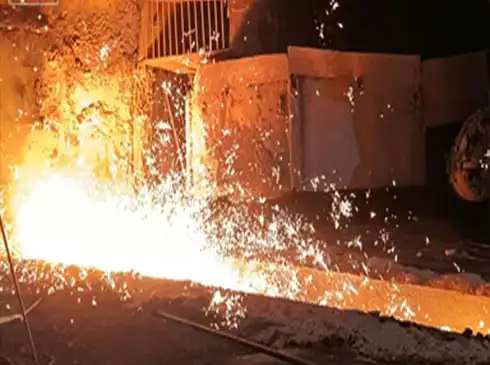
Blast furnace dust comes from four high-intensity zones that need specific attention. When the load is distributed or the pressure is relieved, the boiler top fumes let loose coarse particles, which create dense plumes of industrial dust. During tapping, slag skimming, and liquid iron flow, high-temperature fumes are released in cast house areas. These fumes spread dust both thermally and mechanically. Material handling systems, like conveyors, hoppers, and ore bins, release dust into the air at transfer points and during storage. The equipment used to remove dust builds up dirt inside the bag filters and cyclones, which needs to be cleaned regularly to stop secondary emissions.
These sources of pollution need to be fully covered, including both organised stack releases and unorganised ground-level dust. Plants often see smoke clouds, equipment fouling, concentration limits that are too high, and particulate matter violations all at the same time. Integrated methods for capture, filtering, suppression, and trash consolidation make dedusting work well in all four zones.
Workplace Safety and Regulatory Dual Compliance
Particulate control helps with two types of compliance that are often forgotten when buying things. Limits on stack emissions are set by environmental agencies, and exposure limits at work are set by job safety laws. Our Blast Furnace Dedusting Service solutions meet both internal worker safety needs and external environmental release standards at the same time.
This two-pronged method gets rid of the risk of explosions caused by a buildup of flammable dust and stops electrical short circuits caused by conductive layers on equipment. While gas purification mostly focused on the quality of the gas released into the air, dedusting put on-site environmental conditions and worker health protection first, which makes it important for operating safety above and beyond what is required by law.
Exploring Gas Purification Technologies
Gas purification systems get rid of molecular pollutants that are too small to see but are just as bad for the environment. Through scrubbing, adsorption, and catalytic conversion, these technologies get rid of sulphur dioxide, nitrogen oxides, carbon monoxide, and other gaseous compounds.
Chemical and Catalytic Treatment Methods
Wet scrubbers for the Blast Furnace Dedusting Service use chemical solutions to take in acidic gases and turn dangerous compounds into neutral salts that can be thrown away or used again. To catch volatile organic compounds and trace metals in the vapor phase, adsorption units use activated carbon or zeolite beds. Catalytic converters help oxidation-reduction processes happen, which turn harmful pollutants into safe parts before they are released into the air.
Most of the time, these systems work with networks that collect blast furnace gas and clean coke oven gas or blast furnace gas so that it can be used as fuel in later steps. The cleaned gas keeps its calorific value stable and meets standards for burning quality, which lets all integrated steel mills use energy more efficiently. Thermal stability management keeps gas temperatures in the best ranges (usually 100°C to 250°C) to stop condensation corrosion and keep the energy content for turbine recovery systems.
Gas Recovery and Energy Optimization
Closed-loop energy systems can use advanced gas purification to get chemical energy and waste heat from furnace off-gases. These systems keep leftover dust levels below 5 mg/Nm³, which protects Top Gas Recovery Turbines from wear and tear. This makes equipment last longer between service visits and makes power generation more efficient.
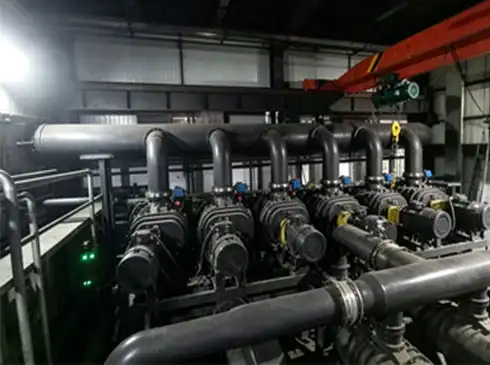
Wet scrubbing methods can make it hard to get rid of sludge, but modern systems use dry purification designs that don't release any wastewater. Automated differential pressure controls and anti-condensation heating elements keep the system working well even when operating conditions change, which means less need for human action.
Key Differences Between Dedusting and Gas Purification
A lot of the time, procurement teams want to know when to use particulate control systems instead of gaseous treatment systems. Both are part of the blast furnace environmental protection package, but they work in very different ways, have different control media, and are used in very different situations. They also have very different legal standards.
Operational Focus and Treatment Media
When you dedust, you use physical separation methods like bag filtration, cyclonic separation, and wet scrubbing to get rid of everything from large granules to fine dust that you can breathe in. The type of equipment chosen relies on the particle size distribution, the amount of dust present, and the temperature at each release point.
Gas cleansing works on molecular toxins that need to be changed chemically instead of being physically separated. Chemicals like sulphur compounds, nitrogen oxides, and carbon monoxide can't be filtered by gravity alone; they need reactive scrubbing agents, catalytic surfaces, or adsorption media to change or capture molecules.
Maintenance and Operational Cost Structures
Total cost of ownership is affected by the fact that these systems have very different upkeep schedules. For pulse-jet cleaning processes, dust collection systems need to have their filters changed, their hoppers cleaned out, and their compressed air systems maintained on a regular basis. Filter bags, seals, and dumping fees for collected dust may have valuable iron-bearing material that can be recovered, so these are examples of consumable costs.
Chemical reagents, catalyst refills, and adsorbent renewal or removal are all things that gas cleaning systems use up. Different processes also use different amounts of energy. For example, dust removal relies on fan power to keep up with filtration pressure drops, while gas purification may need heating elements, refrigeration units, or temperature control for catalytic reactors.

Procurement Insights for Blast Furnace Dedusting Services
To choose the right Blast Furnace Dedusting Service environmental service providers, you need to do a lot of research, and not just look at how much the equipment costs. Managers of steel plants and coking plants need to check how well a seller can do technical planning, quality control, installation support, and long-term service availability.
Supplier Evaluation Criteria
Well-known brands show their track records by showing examples of installations they've done in similar working conditions. SMEC's portfolio includes combined steel mills, separate coking facilities, and coal chemical plants that produce at different levels. This gives buyers useful information about how the plants actually work.
Certification compliance makes sure that the equipment meets safety and emission standards in the area. Our factories use ISO 9001 quality control systems to make sure that the standards of output are the same during the design, assembly, and testing stages. Our 168-person technical team includes 30 top engineers who help with things like managing heat, making sure structures are strong, and making sure processes run more smoothly.
Response times for both emergency repairs and routine maintenance are affected by where the service is available. Our offices are in Taiyuan, which is in Shanxi Province. This puts us in the middle of China's energy and heavy chemical industries, which makes it easy for us to quickly deploy to domestic sites and help foreign projects through our technical service network.
Integrated vs. Standalone Solutions
Some businesses can save time and money by using packages that include both dedusting and gas purification. These packages make it easier to buy, set up, and train workers. Unified systems make it easier to manage the interfaces between the stages of particulate removal and gaseous treatment, which lowers the chance of performance gaps at handoff points.
When plant layouts, existing infrastructure, or phased rollout schedules make separate systems more useful, stand-alone buying can be used to get the best results. Modular designs let you add more space or improve the technology without having to update the whole system. This protects your capital investments as production rates or government rules change.
Our engineering team visits the site to figure out the best way to set up the furnaces based on their size, how they emit pollution, the available space, and how they need to work with the pollution control systems that are already in place. Customisation options include levels of automation, tracking equipment, and remote troubleshooting systems that work with the way the plant works.
Future Trends in Emission Control Technology
Environmental laws are getting stricter all over the world, which is leading to new filtration media, sensor technologies, and ways to integrate systems. Particulate amounts must be less than 10 mg/Nm³ according to new ultra-low pollution standards. This means that high-efficiency bag filters with advanced surface treatments and improved pulse-cleaning algorithms are needed.
Automation and Real-Time Monitoring
Differential pressure sensors, opacity meters, and flow measurement devices are built into modern dedusting systems. These help with planning ahead for maintenance. Analyses of real-time data show when performance is dropping before pollution limits are exceeded. This lets proactive filter replacement and system changes stop regulatory violations.
Control systems that are automated change fan speeds, cleaning cycles, and damper settings in response to changes in dust loads and process conditions. This makes the best use of energy while keeping capture efficiency high. With remote monitoring, engineering teams can figure out what's wrong with operations and give troubleshooting advice without having to visit the site. This cuts down on downtime and maintenance costs.
Energy Efficiency and Sustainability
New developments in low-resistance filter media lower the amount of power needed by the fans while still capturing particles very well. Variable frequency drives on induced draft fans adjust the airflow based on the process's needs instead of always running at full capacity. This saves a lot of energy over the course of a year's worth of operations.
By collecting and reusing dust through the Blast Furnace Dedusting Service, environmental problems can be turned into materials that can be used to make money. Iron-bearing dust that is collected from blast furnaces has valuable metals in it that can be used to make briquettes and then put back into the furnace to reduce the amount of raw materials that are needed. Carbon-rich dust fractions can be used to mix fuels or make chemicals, which makes the best use of resources in integrated production complexes.
Conclusion
Being able to tell the difference between particulate control and air treatment helps people buy the right environmental system. Blast furnace dedusting separates solid particles from fumes in a way that protects equipment and workers' health and meets disposal standards. Chemical methods used in gas cleaning get rid of molecular pollutants, allowing energy return and atmospheric compliance. Both methods work hand-in-hand as part of larger plans to control emissions. For procurement to go well, system capabilities must be matched with site-specific needs, supplier credentials must be checked, and future regulatory changes must be anticipated. Integrated options make execution easier, while stand-alone systems offer more targeted optimisation. When you invest in new dedusting and cleaning technologies, you get better compliance with regulations, working efficiency, and environmental friendliness, all of which are necessary for steel production to be competitive.
FAQ
How often do dedusting systems require maintenance?
Maintenance times depend on how much dust is in the system, how hot it is running, and how it was designed. Bag filters usually need to be checked every three months and replaced once a year or when the differential pressure goes over the design limits. For cyclone dividers to work properly, the hopper needs to be cleaned out once a month. Comprehensive service contracts include regular checks, replacement of consumables, and emergency response plans that are tailored to the level of operation.
Can dedusting and gas purification systems be combined?
Integrated systems are better when there is enough room for them and the way they are used allows for unified designs. Combined projects make it easier to connect utilities, connect control systems, and train operators. Sequential treatment, which involves removing particles and then purifying the gas, keeps sensitive chemical reactions and catalysts from getting clogged. Standalone systems are useful when you need to be flexible and run them on their own because of current infrastructure, a planned deployment schedule, or specific optimization needs. Site surveys figure out the best ways to set up things.
What factors influence service pricing?
Equipment costs depend on how complicated the system is, how much it can treat, and how much pollution it produces. The cost of installation depends on how easy it is to get to the site, what utilities are available, and how much support the structure needs. Maintenance plans include how often services will be done, how much consumables will cost, and how many extra parts will be kept on hand. Customization options like automation settings, tracking equipment, and the ability to do diagnostics remotely all add to the value. Full quotes include all the costs of owning the equipment, like how much it costs to run, how much it costs to dispose of trash, and how much energy it uses.
Partner with SMEC for Advanced Blast Furnace Environmental Solutions
SMEC offers complete blast furnace dedusting service and gas purification systems designed for metalworking jobs that need top-notch performance and dependability. As a top Blast Furnace Dedusting Service provider with its headquarters in Taiyuan's Shanxi Comprehensive Reform Demonstration Zone, we use our 23,000 square meters of production space and 168 expert staff to offer custom solutions that meet the strictest emission standards.
The Large-scale Intelligent Coking Equipment Research Institute at our company comes up with new ideas in automation, energy optimisation, filtering technology, and how to use less energy while still meeting government standards. Our clients include integrated steel mills, independent coking plants, and EPC contractors who trust us to develop systems, make tools, oversee installations, and provide support throughout the system's life. Email our international trade team at project@smec.cc to talk about your goals for environmental compliance and get thorough technical ideas that solve the problems you're having with your operations.
References
1. Chen, W., & Liu, H. (2022). Advanced Dust Control Technologies in Modern Blast Furnace Operations. Metallurgical Industry Press.
2. United States Environmental Protection Agency. (2021). National Emission Standards for Hazardous Air Pollutants: Integrated Iron and Steel Manufacturing Facilities. Federal Register, Volume 86.
3. International Iron and Steel Institute. (2023). Best Available Techniques for Particulate Emission Control in Ironmaking. Brussels: IISI Technical Committee.
4. Zhang, Q., Wang, S., & Li, M. (2023). Comparative Analysis of Dry and Wet Gas Cleaning Systems for Blast Furnace Applications. Journal of Cleaner Production, 385, 135-148.
5. European Commission. (2022). BAT Reference Document for Iron and Steel Production: Industrial Emissions Directive 2010/75/EU. Joint Research Centre, Seville.
6. Nakamura, T., & Yoshida, K. (2021). Energy Recovery Systems in Blast Furnace Gas Treatment: Technological Advances and Economic Assessment. Energy Conversion and Management, 244, 114-129.
Free consultation & volume discounts available
SEMC focuses on the entire metallurgical process—from coking, ironmaking, and steelmaking to continuous casting and rolling. Whether you face challenges related to equipment upgrades, energy efficiency optimization, or overall process transformation, please fill in the following information. Our technical team will provide you with tailor-made high-end equipment upgrade solutions and professional EPC design services to help your project be implemented efficiently.
Recommended Blog
Innovative Tuyere Imaging Technologies: Remote Monitoring in Extreme Heat
Blast Furnace Tower Equipment: Modular vs Traditional Designs
Integrated Blast Furnace Tower Equipment Solutions for Modern Steel Plants
Future of Steelmaking: AI-Powered Blast Furnace Tuyere Imaging Services