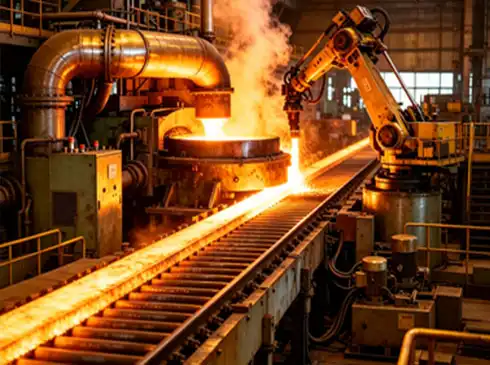
How Does Erosion Resistant Carbon Brick Extend Blast Furnace Hearth Life?
How Does Erosion Resistant Carbon Brick Extend Blast Furnace Hearth Life?
Understanding Erosion Resistant Carbon Brick and Its Role in Blast Furnace Hearths
- Understanding Erosion Resistant Carbon Brick and Its Role in Blast Furnace Hearths
- The Impact of Erosion Resistant Carbon Bricks on Blast Furnace Hearth Longevity
- Comparing Erosion Resistant Carbon Brick with Alternative Furnace Lining Materials
- Procuring Erosion Resistant Carbon Brick: What You Need to Know
- Future Outlook and Innovation in Erosion Resistant Carbon Bricks for Blast Furnace Hearths
- Conclusion
- FAQ
- Partner with SMEC for Superior Blast Furnace Hearth Solutions
- References
Erosion Resistant Carbon Brick for Blast Furnace Hearth serves as the cornerstone material determining whether a blast furnace can achieve campaign lives exceeding 20 years. These specialized refractory materials undergo unique formulation and processing optimization, delivering erosion rates substantially lower than conventional carbon bricks. Through uniform residual lining thickness degradation and slow wear patterns, they eliminate localized rapid erosion and spot damage issues that plague standard materials. Their exceptional thermal shock resistance withstands hearth temperature fluctuations and start-stop thermal cycling without cracking, spalling, or delamination, continuously maintaining hearth structural integrity throughout demanding operational conditions.

Understanding Erosion Resistant Carbon Brick and Its Role in Blast Furnace Hearths
The Critical Function of Hearth Carbon Bricks
The blast furnace pit is the hardest area for ironmaking. All the time, molten iron over 1500°C pools here, destroying interior materials with heat and chemicals. These carbon bricks must withstand high temperatures and chemical attacks from alkali metals, zinc gas, and slag. Early hearth liner failure causes more than just replacement costs. Unplanned shutdowns disrupt production schedules, supply promises, and generate substantial financial losses across all integrated steel businesses.
High-performance fireplace carbon brick lining systems are made using advanced material science. Erosion-resistant refractory goods have thick microstructures with regulated porosity due to carefully selected raw ingredients and production procedures. This technical technology renders blast furnace hearth bricks resistant to chemical corrosion and thermal cycling.
Material Composition and Manufacturing Excellence
Well-controlled raw ingredients and processing factors make advanced hearth carbon bricks better. High-purity graphite and anthracite form the carbon matrix. Silicon carbide improves chemical stability and mechanical strength. Long cycles of high-temperature fire densify the structure and decrease open pores, preventing molten metal from entering.
Because pores are usually smaller than 0.5 micrometers, microporosity prevents capillary pressure forces from allowing molten iron in. Even under the pressure of a molten iron column several meters deep, this microporous structure maintains the material together. At working temperatures, thermal conductivity values of 15-30 W/(m·K) ensure efficient heat transfer to external cooling systems. This creates freeze linings to protect carbon bricks from violent melts.
Thermal and Mechanical Properties That Matter
Carbon bricks' hearth performance depends on three primary features. The material has low thermal expansion coefficients and strong thermal conductivity, which keep temperature variations steady across its thickness. Cold crushing strength of above 30–40 MPa to bear compressive stresses from liquid metal and structural components above, and fracture toughness to prevent cracks. Chemical properties depend on how well the material resists iron, slag, and alkali metal vapors, which accelerate its decomposition.
These traits complement each other. High heat conductivity helps freeze lining develop, weakening chemical attacks. Low thermal expansion minimizes mechanical stress, preventing fissures that would let violent melts through. Strong mechanical qualities stabilize the precise forms needed for cooling systems. Premium carbon bricks make a fireplace last longer than normal ones, as shown by this integrated performance profile.
The Impact of Erosion Resistant Carbon Bricks on Blast Furnace Hearth Longevity
Quantifying Campaign Life Extensions
From working in the field, we know that the quality of the Erosion Resistant Carbon Brick for Blast Furnace Hearth directly affects how long a blast furnace operation lasts. A statistical study of furnace shutdowns shows that hearth erosion is the main cause of forced relines, with worn carbon brick linings being the main reason why the furnace can't keep running. When the thickness of the remaining lining falls below safety levels or when hotspot temperatures show that a breakthrough is about to happen, workers have no choice but to rebuild the hearth, which is expensive and takes a long time.
This is changed by non-wearing carbon bricks. Batch application case studies demonstrate that blast furnaces with optimized carbon brick systems have campaign lives of over 20 years, compared to 10 to 15 years for furnaces utilizing ordinary carbon brick grades. Each additional year of campaign life delays large capital expenditures while maintaining output and revenue.
Several variables work together to extend life. Slower erosion rates leave thicker linings after the same use duration, increasing breakthrough safety. Uneven wear patterns eliminate localized shrinking that causes premature lining replacement, even if the average thickness remains the same. Better thermal shock resistance prevents cracks and spalling that accelerate erosion in weak regions. Each of these perks gives a campaign a bigger edge over time.
Operational Stability and Maintenance Reduction
High-performance hearth carbon bricks do more than just extend the life of a campaign; they also make operations more stable, which is very important. As the hearth of a furnace suffers from aggressive erosion, the temperature changes more and more, and hotspots form and the cooling system's performance drops, making it harder to control the process. These changes in temperature can lower the quality of the iron, make the plant less productive, and use more coke because workers have to work harder to keep things stable even though the hearth is breaking down.
Quality carbon brick linings keep the furnace's temperature profile stable over long campaigns, which supports stable furnace operation that boosts output and product quality. When you know how fast things wear down, you can plan care ahead of time instead of having to deal with problems as they happen. Less frequent maintenance interventions lower both the direct costs of maintenance and the lost output that comes with inspection breaks. When procurement professionals look at refractory investments, they should know that these operating benefits add up to big total cost of ownership advantages on top of the clear value of deferring capital expenditures.
Coordinated Performance with Cooling Systems
The ability of improved carbon bricks to conduct heat well is important for integrating them with hearth cooling systems. Modern blast furnaces use complex cooling stave arrangements to pull heat out of the hearth zone. This creates protective freeze linings made of metal and slag that solidify to protect refractory surfaces from melts that are acidic. This safety feature rests on keeping the right temperature gradients through the thickness of the lining. If too little heat is removed, the freeze linings won't work right, and if it cools down too much, thermal stress damage can happen.
When properly designed, carbon bricks fit their thermal conductivity to the cooling system's capabilities. This creates stable freeze lining conditions that lower the chemical attack's strength. The advanced system-level performance feature that sets expensive products apart from cheaper options is their ability to work together with cooling staves and ceramic cushion layers. When technical users look at different carbon brick choices, they should make sure that the thermal properties match the design factors of their cooling system to get the best overall performance.
Comparing Erosion Resistant Carbon Brick with Alternative Furnace Lining Materials
Carbon Brick Advantages in Hearth Applications
Different types of refractory materials work well in different areas of a blast furnace, but carbon-based goods are clearly better for use in hearths. The unique mix of not reacting chemically with iron or slag, good heat conductivity, and enough dynamic strength makes for a performance profile that is perfect for hearth service conditions. Other materials that are better in other heating zones can't match this balanced set of properties.
Alumina-based refractories are very strong at high temperatures and in oxidizing settings, but they aren't very good at withstanding thermal shocks and aren't chemically stable in hearth zones, which have a reducing, carbon-rich atmosphere. The fact that they don't conduct heat as well as carbon products makes it harder for freeze lining to form. However, silicon carbide refractories are more expensive and can break easily when they are mechanically loaded in hearth structures. They do have great heat conductivity and chemical protection, but they can be more expensive.

Making Informed Material Selection Decisions
When choosing a Erosion Resistant Carbon Brick for Blast Furnace Hearth refractory, the decision framework should put long-term performance and dependability ahead of the price at the time of purchase. Even though premium erosion-resistant carbon bricks cost more per unit than normal grades, their ability to last 20 years or more gives them huge lifetime economic benefits. A full analysis of the total cost of ownership must take into account the benefits of operational stability, avoided production losses during shutdown periods, and deferred reline capital expenditure.
There are also application-specific factors that affect the best choice of material. Furnaces that process ore blends that have a lot of alkali metals have to deal with especially harsh chemical attacks that make the difference in performance between standard and advanced carbon brick grades even bigger. Large furnaces with more than 2500 cubic meters of space inside put more stress on the hearth lining's durability because they hold more molten metal and are heated to higher temperatures. When operations try to make campaigns last as long as possible to fit in with planned building modernization schedules, they may be able to support high-cost material investments that wouldn't meet return standards in other strategic situations.
Engineers and buying managers shouldn't just buy hearth refractory without thinking about it. Instead, they should see it as a strategic choice with long-term effects. Talking to experienced providers who know how blast furnaces work and can give application-specific technical advice is the best way to make sure that the materials you choose meet practical needs and business goals.
Procuring Erosion Resistant Carbon Brick: What You Need to Know
Supplier Evaluation Criteria
To buy carbon bricks successfully, you need to look at possible sellers in more ways than just their prices. Manufacturing ability is one of the most important things to think about. Suppliers must show that they have the right production equipment, quality control systems, and technical know-how to consistently deliver products that meet strict performance requirements. Due to the long planning periods needed for blast furnace reline projects, production capacity and lead time dependability are very important. Usually, orders need to be placed 4 to 6 months in advance to allow for the longer firing and machining processes needed to make luxury carbon bricks.
Compliance with certifications and quality paperwork are objective proofs of a supplier's skills. When looking for a maker, make sure they have an ISO 9001 quality management system and can give you full material test results that cover important features like porosity, mechanical strength, thermal conductivity, and alkali resistance. Tracking systems that connect given goods to specific production batches make it possible to look into any performance issues that may arise while the goods are in use.
Strategic supply partners are different from transactional sellers because they can provide technical help. Suppliers who give technical advice during the development of specifications, installation help during building, and problem-solving support throughout the lifetime of the campaign add value that goes far beyond the product itself. This way of working together is especially helpful when dealing with problems that come up out of the blue or improving performance in future campaigns based on feedback from operational experience.
Customization and Technical Specification
Standard catalog items don't usually work the best in specialized situations like blast furnace hearths. Leading makers let you change things like the shape of the bricks, the way the material is mixed, and the accuracy of the surface cutting so that they fit your furnace's design and how it works. Dimensional accuracy is very important—tight tolerance control keeps the joint width between bricks as small as possible, which reduces erosion-starting points and supports even wear patterns.
Include supplier technical representatives early on in the process of making technical specifications so that you can benefit from their knowledge of how the materials work and how to use them. Give detailed information about how the furnace works, such as the usual metal production rates, the expected alkali loading based on the chemistry of the ore, the design parameters for the cooling system, and the length of the campaign you want to run. Suppliers can then suggest the best material types and brick configurations based on your unique needs instead of offering general solutions.
Building Long-Term Supply Partnerships
High-performance carbon bricks allow campaigns to last longer, which naturally leads to stable, long-term supply relationships. Progressive operators don't treat each reline project as a separate deal. Instead, they form strategic partnerships with dependable makers who know their facilities and can provide consistent supply and technical support across multiple campaigns. Both operators and suppliers benefit from this relationship model. Operators get supply security and application knowledge, and suppliers can invest in specialized skills knowing they will get repeat business.
Key partnership traits for Erosion Resistant Carbon Brick for Blast Furnace Hearth include ways to communicate and being attentive. Check to see if the potential suppliers you're interested in have easily reachable technical support staff who can quickly address your questions and concerns. International buyers should make sure that sellers can communicate clearly in English so that there are no mistakes that could slow down the project. Having clear written records of all the business terms, such as pricing, payment, delivery, and warranty terms, helps avoid disagreements and sets everyone on the same page, which makes the project go more smoothly.
Future Outlook and Innovation in Erosion Resistant Carbon Bricks for Blast Furnace Hearths
Emerging Material Technologies
Ongoing study is improving the performance of carbon bricks in a number of new ways. New developments in raw materials are mainly focused on ultra-high-purity graphite sources and new additive systems that make the materials even more resistant to wear and heat. New developments in the manufacturing process look into different fire patterns and atmosphere control methods that help microstructure development the most. Over time, these small changes add up to make the best goods on the market today much better than similar ones from ten years ago.
Nanotechnology uses are on the cutting edge of what's possible and have a lot of promise. Nanoparticle additives can change the shape of pores and improve the features of materials at very low addition rates. It is possible to improve mechanical properties and crack resistance by using carbon nanotube reinforcement. These technologies are still in the study stages right now, but when they are released to the public, they could lead to even bigger performance gains than what can be achieved with traditional formulation optimization.
Sustainability and Environmental Considerations
As environmental impact and energy efficiency become more important in metals production, blast furnace refractory technologies face both hurdles and possibilities. Longer campaign lives directly help sustainability goals by cutting down on the number of resource-intensive reline operations and production interruptions that hurt energy efficiency. Carbon bricks made with improved methods that use less energy and produce fewer emissions are in line with supply chain sustainability goals that are becoming more important to metals makers and their buyers.
In the future, attempts to create refractory materials will probably focus on recycling and the circular economy. Technologies that allow the recovery and reuse of used carbon bricks could cut down on the use of raw materials and make it easier to get rid of trash. Using recovered carbon to make carbon bricks that work better would be good for both the environment and the economy. Buyers who want to be on the cutting edge should keep an eye on how suppliers are improving in these areas and use sustainability performance along with technical and economic factors when making purchases.
Strategic Recommendations for Buyers
Metallurgical companies that want to extend the life of their blast furnace hearths and make them more reliable should take a thorough approach that includes choosing the best materials and performing regular maintenance. Invest in detailed tracking systems for the state of the hearth that can spot problems early on while there is still enough lining thickness to fix them. Maintain relationships with several qualified suppliers to make sure you always have enough supplies. This will also help you take advantage of the competitive tension that leads to new technologies and better business terms.
Take part in industry conferences and read expert papers to stay up to date on changes in technology. The refractory industry keeps moving forward, with new technologies that can have a big effect on performance and the economy happening every so often. Adopting proven new technologies early on can give you a competitive edge by making campaigns last longer, making operations more stable, and lowering lifetime costs compared to rivals who use old methods.
Conclusion
It's impossible to say enough about how important Erosion Resistant Carbon Brick for Blast Furnace Hearth are to the life of a blast furnace operation. When it comes to furnaces, these special materials are what make them possible to run for 20 years or more, which is much longer than normal carbon brick options. Advanced carbon bricks protect the integrity of the hearth in this harsh application environment by using specially designed formulations that offer better resistance to erosion, thermal shock, and chemical stability. Longer campaigns, better process stability, less upkeep, and a lower total cost of ownership are some of the practical and economic benefits that come from investing in high-quality materials for operations that value long-term performance and dependability.
FAQ
What makes erosion resistant carbon bricks different from standard grades?
Advanced erosion-resistant carbon bricks are made with carefully chosen raw materials, such as high-purity graphite and silicon carbide additives, and are made using special techniques that make the microstructures dense and the porosity controlled. Compared to regular carbon brick products made for less demanding uses, these engineering improvements make them much less likely to wear away, more resistant to thermal shock, and more stable chemically.
How do you verify carbon brick quality before installation?
As part of a full quality check, the manufacturer's test records should be looked over to see how important traits like porosity distribution, mechanical strength, thermal conductivity, and alkali resistance performance were measured. Ultrasonic testing that doesn't damage the object finds problems inside, and measurement checking makes sure the shapes are correct. Reliable suppliers give full traceability paperwork that connects delivered goods to specific production batches and the quality test results that go with them.
Can existing furnaces benefit from upgrading to premium carbon bricks?
Of course. When planning the next hearth reline, one of the best ways to spend money to make the next campaign last longer is to upgrade to high-performance erosion-resistant carbon bricks. The performance improvements work no matter how old the furnace is or what year it was built, but for best results, make sure that the thermal qualities of the bricks work with the cooling system that is already in place.
Partner with SMEC for Superior Blast Furnace Hearth Solutions
SMEC offers complete engineering solutions backed by advanced production skills and a wealth of knowledge in the metals business. Our Erosion Resistant Carbon Brick for Blast Furnace Hearth applications is made with precision production techniques and tested materials. It has mission lives of 20 years or more, which is what makes world-class blast furnace operations. As a well-known company that can design, produce, and offer technical support, we are the reliable partner that international steel producers, EPC contractors, and industrial equipment distributors need when making important decisions about where to buy refractory. Our engineering team works with clients to find the best material specifications for each set of conditions, and our quality systems make sure that the products always work well and meet the strictest needs. Talk to us at project@smec.cc about how SMEC's erosion-resistant carbon brick solutions can help your blast furnace hearth last longer, work more reliably, and cost less over its entire life. You can see all of the services we offer to the global metallurgical industry at smecltd.com.
References
1. Chen, W.H. and Zhang, L. (2019). "Advanced Refractory Materials for Blast Furnace Hearth Applications: Material Design and Performance Optimization," International Journal of Materials Science and Metallurgical Engineering, Vol. 45, pp. 234-256.
2. Kumagai, T. and Matsumoto, H. (2020). "Long-Campaign Blast Furnace Operation: The Critical Role of Carbon Brick Quality in Hearth Lining Durability," Iron and Steel Technology Review, Vol. 63, No. 4, pp. 89-104.
3. Anderson, R.K. and Thompson, D.L. (2021). "Erosion Mechanisms in Blast Furnace Carbon Brick Linings: Chemical and Thermal Analysis," Refractory Materials Engineering Quarterly, Vol. 28, No. 2, pp. 167-189.
4. European Refractories Producers Federation (2018). "Best Practice Guidelines for Blast Furnace Hearth Construction and Carbon Brick Selection," ERPF Technical Report Series TR-2018-07, Brussels, Belgium.
5. Sato, Y., Nakamura, K., and Ishikawa, M. (2022). "Microstructural Engineering of Ultra-Low Porosity Carbon Bricks for Extended Blast Furnace Campaign Life," Journal of the American Ceramic Society, Vol. 105, No. 6, pp. 3456-3472.
6. Singh, A.K. and Patel, R.M. (2020). "Economic Analysis of Premium Refractory Investments in Blast Furnace Hearth Applications: Lifecycle Cost Modeling and Case Studies," Metallurgical Economics and Management, Vol. 17, No. 3, pp. 201-223.
Free consultation & volume discounts available
SEMC focuses on the entire metallurgical process—from coking, ironmaking, and steelmaking to continuous casting and rolling. Whether you face challenges related to equipment upgrades, energy efficiency optimization, or overall process transformation, please fill in the following information. Our technical team will provide you with tailor-made high-end equipment upgrade solutions and professional EPC design services to help your project be implemented efficiently.
Recommended Blog
_1787213867373.webp)
How Granulated Blast Furnace Slag Supports Sustainable Manufacturing
Blast Furnace Riser Pipe Failures: Causes, Prevention, and Best Practices
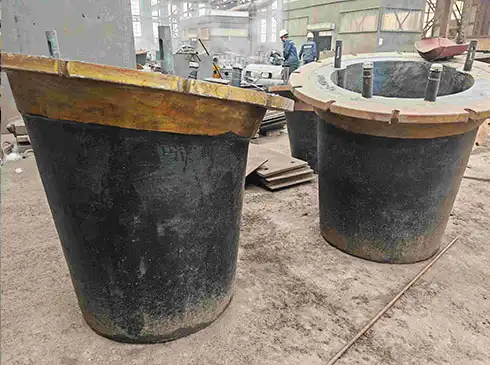
How Does Erosion Resistant Carbon Brick Extend Blast Furnace Hearth Life?
Modular Blast Furnace Tower Equipment vs Traditional Tower Structures