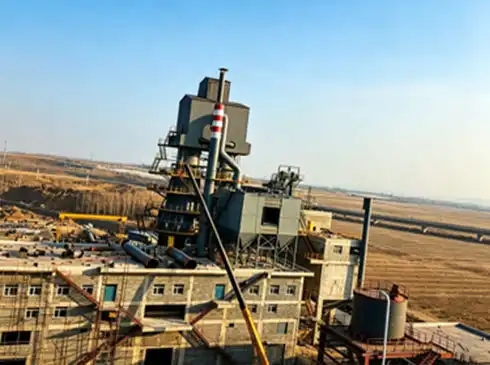
Modular Blast Furnace Tower Equipment vs Traditional Tower Structures
Understanding Blast Furnace Tower Equipment: Modular vs Traditional
- Understanding Blast Furnace Tower Equipment: Modular vs Traditional
- Performance and Efficiency Comparison
- Cost and Procurement Considerations for B2B Buyers
- Selecting the Right Blast Furnace Tower Equipment for Your Business
- Future Trends and Innovations in Blast Furnace Tower Equipment
- Conclusion
- FAQ
- Partner with SMEC for Reliable Blast Furnace Tower Equipment Solutions
- References
When evaluating ironmaking infrastructure, the choice between modular and traditional blast furnace tower equipment shapes every downstream decision—from installation timelines and capital allocation to long-term maintenance strategy. Modular tower systems are prefabricated off-site in standardized sections, then assembled on location with precision. Traditional structures, by contrast, are built in place using cast-in-situ methods over extended construction periods. Each approach carries distinct structural, operational, and economic implications. Understanding the practical differences empowers plant engineers, procurement managers, and EPC contractors to make confident, site-specific decisions that align with both production targets and budget realities.
Understanding Blast Furnace Tower Equipment: Modular vs Traditional
Strong tower infrastructure is needed for modern ironmaking to keep output stable and steady. Before considering the two ways of building, it's helpful to know what each one means on an academic level.
Core Components and Design Philosophy
A full tower assembly usually has the furnace shell, a skip hoist or belt conveyor tower, a top charging system without bells, top pressure control units, cooling stave supports, and access platforms. For modular designs, these parts are already made up of separate, interlocking pieces made from low-alloy high-strength steels like Q345R or Q390GJR, which can handle temperatures of up to 1,500°C and pressures of up to 0.3 MPa. In traditional towers, the structural steel and refractory layers are added one layer at a time on-site using a method called "continuous in-situ construction."
Installation Flexibility and Maintenance Requirements
Getting modular parts to the job site ready to be put together one at a time greatly shortens the time it takes to build something. This speed keeps things running as smoothly as possible during brownfield modernization projects, where some current activities must stay open. Traditional structures need longer construction windows and more skilled workers on-site, but they give engineers more options for furnace profiles that are very big or have a lot of angles. When it comes to maintenance, modular parts can be switched out or improved separately, while full-section scaffolding and more breaks are often needed for traditional tower rehabilitation. For both designs, regular non-destructive testing is needed. This includes ultrasonic and radiographic inspection of load-bearing weld seams, as well as 3D laser scanning for measurements and to make sure the designs are aligned vertically.
Performance and Efficiency Comparison
When it comes to blast furnace tower equipment business, performance is where the modular vs. traditional debate really matters. Neither choice is always better; the situation determines the outcome.
Capacity, Energy Efficiency, and Material Durability
In the past, traditional towers were the most common type of structure in very big blast furnaces with a working volume of more than 5,000 m³. This is because the continuous mass of the structure makes it rigid under cyclic heat load. Modular towers with built-in expansion joints and moving support structures can now match that performance in medium to large furnace settings. Modernization projects in several metallurgical areas have shown that modular retrofit programs cut down on building downtime by 30–40% compared to traditional rebuilds. This directly leads to increased production capacity. Both types use protective coats and refractory lining systems that are in line with ISO 12944, but modular designs let the factory keep an eye on quality in a way that field building can't always do.
Real-World Operational Impact
Plant engineers at integrated steel mills say that modular tower systems offer clear benefits during regular maintenance periods. Because parts of the tower, like the charging floor or gas-sealing assemblies, can be taken apart and repaired without the whole tower going down, planned failure windows get a lot smaller. This operating flexibility is very important in markets where the availability of furnaces is closely linked to the productivity of blast furnaces further downstream and the reliability of coke supplies.
Cost and Procurement Considerations for B2B Buyers
In heavy industry, decisions about purchases go far beyond the initial purchase price. Actual value is based on the total cost of ownership, delivery times, and support after installation. When B2B buyers compare the two tower types, these are the main financial factors they should look at:
- Lead Time and Logistics: Parallel off-site fabrication is helpful for modular towers because it lets structural sections be made while civil foundations are being prepared at the same time. When compared to building things one at a time on-site, this two-track method can cut total project plans by weeks or months.
- Installation and Labor Costs: Because accurate manufacturing cuts down on field fitting and repairs, modular systems greatly reduce the number of hours that workers have to spend on-site. Traditional builds need bigger crews to stay on-site for longer periods of time, which drives up the cost of labor and the cost of housing.
- Warranty and After-Sales Support: Reputable companies that sell blast furnace tower equipment offer structure warranties that last for several years and regular check programs. The buyer's long-term running budget is protected by making sure the guarantee covers everything, especially thermal cycling fatigue and the longevity of the refractory lining, before the contract is awarded.
- Spare Parts Availability: Because modular designs use standard parts, it's easier to get extra parts and keep a collection organized than with traditional fabrications that are made to order.
All of these things affect whether a modular or traditional method has better lifecycle costs. If procurement managers only look at up-front costs, they might not realize how much less downtime and lower upkeep costs add up over the course of 20 to 30 years.
Selecting the Right Blast Furnace Tower Equipment for Your Business
In the end, the choice between modular and standard tower structures comes down to four factors: the size of the furnace, the limitations of the site, the time frame of the project, and the long-term plan for operations.
Matching Tower Type to Operational Scale
Modular towers are a great choice for coking plants and independent coke producers who want to set up quickly and easily integrate automation. Their prefabricated architecture supports top charging systems without bells, interfaces for dust suppression, and high-top pressure operation above 2.5 bar, which has been proven to work by ISO 10434 dual-seal valve standards. Larger integrated steel mills that use ultra-high-volume furnaces may keep the main structures built in the traditional way while adding modular parts to the charging floor and top pressure control zones.
Evaluating Supplier Credentials
Not every provider in this area has the same level of engineering depth. Purchasing managers should give more weight to manufacturers that have experience with both modular and hybrid tower configurations, all structural steel with traceable mill test certificates, and NDT verification records from a third party. SMEC is part of the Taiyuan Silian Heavy Industry (Group) Co., Ltd. and is based in Taiyuan, which is known as the center of China's heavy chemical industry. They offer engineered tower solutions and have a professional team of 168 people, including 30 top engineers. SMEC has a production area of 23,000 square meters and a busy research and development center for large-scale intelligent ironmaking equipment. They can provide the accuracy and technical responsibility that complex tower projects need in their construction.
Future Trends and Innovations in Blast Furnace Tower Equipment
The ironmaking industry is going through a time of rapid change. Demands for decarbonization, rising energy costs, and the integration of digital technologies are changing what buyers want from tower infrastructure. It's looking like modular building is the best way to adapt to these changes. Factory-controlled fabrication cuts down on wasteful materials and allows for tighter tolerances on measurements than field construction, which supports more efficient refractory installations. Automation integration, such as integrated sensor networks for tracking the health of structures in real time, is now a common feature of high-end modular packages and not just an add-on that you can choose to have. For environmental reasons, dust reduction systems at the skip bridge and bell-less top interfaces are being required by law in many countries, including the US. These systems are checked for particulate emissions.
Supply chain flexibility is also important. Manufacturers who can send pre-certified modular sections with full documentation for tracking them help EPC contractors and industrial engineering firms shorten the time it takes to commission international projects and lower the risk of not meeting compliance requirements. When buyers form long-term technical partnerships with experienced blast furnace tower equipment makers, they get access to newer module designs before others do as standards change. This is a strategic advantage that can't be matched by transactional procurement.
Conclusion
Both modular and standard blast furnace tower equipment designs have good points. Modern procurement timelines and environmental requirements can be met with modular designs that allow for quick installation, flexible maintenance, and automation compatibility. For very big, long-term projects, traditional building still has benefits. Alignment—matching tower architecture to furnace size, site limitations, and operational goals—is the most important factor. Buyers who carefully consider both choices, work with sellers they can trust, and think about the total cost over the product's lifetime will always make the better investment choice.
FAQ
What is the typical service life of a modular blast furnace tower?
The skeletal tower can last 20–30 years if the cooling systems are well taken care of and the covering is replaced on a regular basis. Every 5–8 years, mechanical charging parts usually need to be completely reworked.
How does a modular tower handle thermal expansion?
Specialized expansion joints and sliding support structures are built into modular designs so that the furnace shell and tower parts can grow separately without affecting the strength of the structure.
Can modular tower systems support high-top pressure operations?
Yes. Modern modular systems are made to withstand top pressures greater than 2.5 bar using dual-seal valve technology that has been tested to ISO 10434 standards. This means they can be used in demanding blast furnace operations.
What customization options are available?
The best companies that sell blast furnace tower equipment let you change the charging system type, the structure's height, the layout of the cooling staves, and the dust control interfaces so that they can fit the needs of your project and the rules that apply.
How long does modular tower installation typically take?
In most recorded project situations, modular installations cut on-site erection time by 30–40% compared to standard builds. This depends on the size of the furnace and how ready the base is.
Partner with SMEC for Reliable Blast Furnace Tower Equipment Solutions
SMEC provides highly accurate blast furnace tower equipment that is built to strict industry standards. As a reliable company that makes blast furnace tower equipment, we have a professional team of 168 people, state-of-the-art production facilities, and a lot of research and development (R&D) resources to help you with your project from the planning stages to the final commissioning. For a personalized consultation or purchase proposal, email project@smec.cc or visit smecltd.com to get in touch with our engineering team.
References
1. Iron and Steel Technology (AIST) – 2022
2. Journal of Iron and Steel Research International – 2021
3. Steel Times International – 2023
4. Ironmaking & Steelmaking: Processes, Products and Applications (Taylor & Francis) – 2020
5. Industrial Engineer Magazine – 2022
6. Metallurgical and Materials Transactions B (Springer) – 2021
Free consultation & volume discounts available
SEMC focuses on the entire metallurgical process—from coking, ironmaking, and steelmaking to continuous casting and rolling. Whether you face challenges related to equipment upgrades, energy efficiency optimization, or overall process transformation, please fill in the following information. Our technical team will provide you with tailor-made high-end equipment upgrade solutions and professional EPC design services to help your project be implemented efficiently.
Recommended Blog
A Complete Guide to Blast Furnace Coal Injection System Upgrade Services
What Does a Blast Furnace Safety Monitoring System Include?
How Clear Is the Image Quality of Blast Furnace Tuyere Camera?
How to Choose a Reliable Blast Furnace Vent Valve Manufacturer?
How Three-Ring Cone Scrubbers Improve Blast Furnace Gas Quality