What Is the Difference Between Hot Stove Refractory Lining and Ordinary Refractory Lining?
What Is the Difference Between Hot Stove Refractory Lining and Ordinary Refractory Lining?
Understanding Refractory Lining: Hot Stove vs Ordinary
- Understanding Refractory Lining: Hot Stove vs Ordinary
- Comparative Analysis of Refractory Materials for Hot Stove and Ordinary Linings
- Installation, Maintenance, and Lifespan Differences
- How Refractory Lining Differences Impact Blast Furnace Hot Stove Efficiency and Procurement Decisions
- Case Studies and Industry Best Practices
- Conclusion
- FAQ
- Partner with SMEC for Superior Refractory Lining Solutions
- References
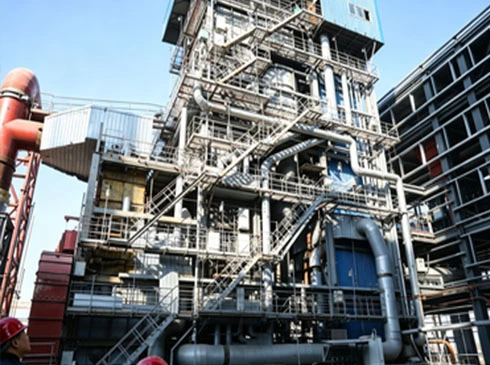
The difference between hot stove refractory lining and ordinary refractory lining lies primarily in their engineering design and thermal performance capabilities. Refractory Lining for Blast Furnace Hot Stove is specifically formulated to endure extreme cyclic heating above 1,000°C, resist thermal shock from rapid temperature fluctuations, and withstand corrosive flue gas erosion inherent to blast furnace hot stove operations. Ordinary refractory linings, by contrast, are designed for less demanding environments and lack the thermal stability, high-temperature endurance, and chemical resistance needed for hot stove applications. Using ordinary linings in hot stoves leads to premature cracking, spalling, and insulation failure, making them entirely unsuitable for this critical equipment.
Understanding Refractory Lining: Hot Stove vs Ordinary
For industrial tools to be safe from high temperatures and mechanical stress, refractory linings are an important part of the job. However, not every refractory material is the same. The things that a blast furnace hot stove has to do are very different from what other industrial furnaces or kilns have to do.
Why Hot Stove Refractory Linings Are Specialized?
Hot stoves are the heart of a blast furnace. They heat the blast air to temperatures that are often higher than 1,200°C. In this process, heat is constantly being absorbed and released, which subjects the lining to constant thermal cycling. During operation, the lining has to be able to handle not only high temperatures but also sudden changes in temperature, acidic waste gasses that are full of alkali vapors, and rough, fast-moving gas flows. These situations make it necessary for things to be resistant to thermal shock, have strong structures, and be chemically stable.
Custom-engineered advanced material formulations are used to make hot stove refractory linings that work with these alternate heating and cooling processes. They are made up of high-alumina bricks, silica bricks, mullite, and special insulation layers that work together to give them great resistance to thermal shock, better heat retention, low thermal conductivity, and strong resistance to rusting from flue gas. This multi-layered system makes sure that the lining keeps its structural integrity and consistent insulation performance over long periods of use. This stops problems like heat loss, rapid temperature drop, and the stove shell getting too hot.
The Limitations of Ordinary Refractory Linings
Refractory linings that are normal are usually made of standard fireclay bricks, basic magnesite materials, or standard castables. You can use these materials in stoves, incinerators, and cement kilns that don't have to deal with extreme temperatures very often and keep the temperature below 1,000°C. However, regular linings are not very stable when exposed to the harsh conditions of a hot stove. They also don't hold up well at high temperatures and don't protect well against flue gas corrosion.
Normal linings put in hot stoves start to show signs of strain very quickly: surface cracks appear because of differences in thermal expansion, bricks break apart from frequent heating cycles, and corrosive gasses get into the material structure and break it down from the inside. This leads to poor insulation, unreliable temperature control, higher fuel use, and frequent unexpected shutdowns for fixes. These linings just can't live up to the high levels of performance needed for blast furnace hot stoves.
Comparative Analysis of Refractory Materials for Hot Stove and Ordinary Linings
Choosing the right refractory material has a direct effect on how well the system works, how often it needs maintenance, and how much it costs in the long run. Knowing the differences between hot stove linings and other linings helps buying managers make smart purchases.
Material Composition and Performance Parameters
Refractory Lining for Blast Furnace Hot Stove systems use a smart mix of high-performance materials that are made to work with different heat zones inside the stove. In the dome area, where temperatures are highest, silica bricks are used because they are very resistant to breaking under load above 1,550°C and have great volume stability above 600°C. These bricks keep the structure from sagging and the self-supporting arch strong even when the temperature is high for a long time.
Low-creep high-alumina bricks and andalusite-based refractories are better at resisting thermal spalling and alkali attack in the combustion chamber and transition zones. The bulk density of these materials is high, ranging from 2.4 to 2.6 g/cm³. This means they can hold a lot of heat and stay the same size. After 50 hours at 1,550°C, their creep rates stay below 0.2%, which is very important for keeping structures in place over decades of use.
Most refractory linings are made of fireclay or magnesite bricks that have a smaller alumina level, usually between 35% and 45%. At normal temperatures, these materials have a good amount of mechanical strength, but their refractoriness under load rarely goes above 1,300°C. It's harder to predict the coefficients of thermal expansion, and the material is much less resistant to alkali gas rusting. When these materials are put thru the strong heat cycling of a hot stove, they break down faster, so they need to be replaced more often.
Lifecycle Cost Implications
Hot stove refractory linings cost more up front because they are made of higher-quality materials and need to be installed in a very specific way, but they save a lot of money over the course of their life. With the right heating shapes and upkeep, a well-made hot stove covering can last for twenty to twenty-five years. This extra-long resilience cuts down on downtime, lowers the cost of labor for relining jobs, and keeps the blast furnace working at a steady rate.
At first glance, ordinary linings may seem like a good deal, but their shorter service life in tough situations makes the total cost of ownership higher. Any savings you had at first are quickly lost due to frequent fixes, unplanned shutdowns, and lost output. Not having good insulation not only wastes energy but also raises costs, so using regular linings in important high-temperature situations is not a good idea.
Emerging Sustainable Refractory Solutions
Eco-friendly refractory materials are being developed for the business. These materials work well and don't hurt the earth as much. Some of these new ideas are low-carbon and carbon-free binders, recycled refractory materials, and ways to make things that use less energy. These kinds of materials are in line with world goals for sustainability and still have the right chemical and thermal qualities for blast furnace hot stoves. More and more, procurement teams are giving more weight to suppliers who can show they care about the environment in addition to being technically excellent.
Installation, Maintenance, and Lifespan Differences
The success of a refractory lining depends on both the material used and how well it is installed and maintained over time. The rules for hot stove linings and regular linings are very different because they have different functions.
Installation Standards for Hot Stove Linings
It is very important to pay close attention to engineering specifications and thermal management when installing a Refractory Lining for Blast Furnace Hot Stove refractory lining. To make sure that air can flow properly thru the checker bricks and keep the heat exchange efficiency high, the first step is to carefully control the sizes of the bricks. Their tolerances must stay within ±0.5 mm. To account for differences in thermal expansion, each thermal zone needs its own set of materials and fitting methods.
When silica bricks are used in the dome, the heating-up curve is very important for hot stove linings. A controlled heating schedule keeps things from breaking down completely, especially between 200°C and 300°C, which is the temperature range where the cristobalite and quartz phases change. If you hurry thru this process, you might create tiny cracks that spread during use, threatening the structure's stability. Installation teams with a lot of experience know these little details and follow strict rules to get the best lining performance from the start.
Maintenance Strategies and Service Life Optimization
Preventative maintenance plans that include regular thermal image checks, ultrasonic non-destructive testing, and eye checks during planned shutdowns are good for hot stove refractory linings. Finding localized damage early, like brick spalling, joint deterioration, or alkali-induced glassing in checker bricks, lets for targeted repairs that make the lining last longer. Preventative maintenance lowers the chance of failures that come up out of the blue and stop production for a long time.
Even tho installing ordinary refractory linings is easier, they still need to be properly maintained to get the most out of their service life in less important situations. During routine inspections, the main goals are to find patterns of wear, keep an eye on thermal performance, and fix small problems before they get worse. But because of the way materials work, even with careful upkeep, regular linings can't last as long as specialized hot stove systems are supposed to.
Understanding these differences in installation and upkeep helps buying teams compare not only the cost of materials but also the time, skill, and long-term dependability of each type of lining. The best choice strikes a balance between the initial investment, the ability to keep running, and the total cost of ownership.
How Refractory Lining Differences Impact Blast Furnace Hot Stove Efficiency and Procurement Decisions
The quality of the refractory covering has a direct effect on how well the blast furnace hot stove works, how much energy it uses, and how productive the company is as a whole. When making choices about what to buy, you need to think about technical performance, provider stability, and creating long-term value.
Operational Efficiency and Energy Savings
High-quality refractory linings for hot stoves help keep heat in longer, which makes sure that preheated blast air always reaches the right temperature. This thermal steadiness means that the blast furnace uses less coke, which cuts down on prices and carbon emissions. Specialist linings keep heat from escaping thru the stove shell because they are better at insulating than the shell itself. This keeps the process running smoothly and lowers the amount of fuel needed for burning.
On the other hand, linings that aren't up to par can affect thermal performance, which can cause temperature changes, higher fuel use, and less work output from the blast furnace. Choosing the right lining is a strategic imperative because the running costs of using bad refractory materials are much higher than any initial cost saves.
Critical Procurement Criteria
When procurement managers look for refractory lining options, they should look at more than just the material specs. Following international rules like ISO 1109 and ASTM C210 makes sure that quality and performance are always the same. Track records from suppliers, such as case studies and references from similar applications, give you confidence in their technical skills.
Another important thing to think about is the ability to customize. Different blast furnace hot stoves are made in different ways and need different amounts of heat. Suppliers who give custom lining solutions, technical support, and thorough thermal modeling show that they are dedicated to meeting the needs of each company, rather than just selling standard goods.
Warranty terms and help after the sale show that the seller believes in their Refractory Lining for Blast Furnace Hot Stove products and wants their customers to succeed. Full service packages that include installation help, commissioning help, and ongoing technical support make the procurement relationship much more valuable. These parts lower operational risks and make sure the lining works as it should for the whole time it's in use.
Cost-Benefit Analysis for Procurement Optimization
When doing smart procurement, you should look at different refractory lining choices thru the lens of their lifecycle cost-benefit rather than just their original purchase prices. Total cost of ownership can be fully understood by looking at things like expected service life, repair regularity, energy efficiency gains, and productivity effects. Long-term source ties and bulk buying agreements can help you get good deals on materials and make sure you have them for future relining projects.
Case Studies and Industry Best Practices
Real-life examples show why it's important to choose the right refractory covering options for blast furnace hot stoves and what happens when the materials don't match.
Success Stories from Leading Operations
A big steel mill in the Midwest improved the linings of its hot stoves by switching from regular high-alumina bricks to new low-creep andalusite-based materials in transition zones. Because of this change, the thermal efficiency went up by 15%, maintenance downtime went down by about 30%, and the lining's useful life was increased by about five years. The plant said it saved a lot of fuel and kept the blast furnace temperatures more stable, which directly increased the rate at which iron was made.
Another example is a coking plant that kept having problems with their hot stove checker bricks having regular refractory linings. The plant got rid of the "clogging" problems caused by alkali vapor reactions after talking to experts in refractories and switching to high-alumina materials that are resistant to alkali and have the right amount of porosity. The efficiency of heat movement went up a lot, and over the next three years, the number of unexpected shutdowns dropped almost to zero.
Lessons from Ordinary Lining Applications
On the other hand, using regular refractory materials in hot stove uses always shows the dangers of not choosing the right materials. Within 18 months, the lining of one plant failed completely due to thermal shock cracking and chemical degradation. The emergency relining job that followed was very expensive, caused problems with the blast furnace's operations, and caused the company to lose a lot of productivity. This experience made me realize how important it is to make sure that the refractory materials used are the right ones for the job.
Integrating Advanced Refractory Technologies
The industry is always changing, with new products like monolithic castables that make installation more flexible, advanced insulating materials that keep heat in, and smart tracking systems that show the state of the lining in real time. The biggest operators use these technologies as part of their refractory strategies. They balance tried-and-true materials with the newest technologies to get the best performance and dependability. Keeping up with these changes helps the procurement and building teams make smart investment choices that will make their sites competitive in the long run.
Conclusion
The main difference between Refractory Lining for Blast Furnace Hot Stove and regular refractory lining is not just the type of material used. Hot stove linings are precision-engineered systems that are made to withstand extreme temperature changes, protect against corrosive environments, and keep their structural integrity for decades of tough use. Normal linings can work in less demanding situations, but they can't handle the unique problems that come up when you use a blast furnace hot stove. It has a direct effect on operational efficiency, maintenance costs, and plant productivity when well-informed procurement decisions put quality of materials, supplier knowledge, and lifecycle value at the top of the list. Engineers and procurement professionals can choose refractory solutions that work reliably and last a long time if they understand these differences.
FAQ
Can ordinary refractory linings be used temporarily in hot stove applications?
It is strongly advised that regular refractory linings not be used in hot stoves, even for short periods of time. Specialized thermal cycling, corrosive flue gasses, and high temperatures will speed up the breakdown, resulting in safety risks, unstable operation, and expensive emergency repairs that cancel out any short-term savings.
What affects the service life of refractory linings for hot stoves the most?
Service life depends on the quality of the materials, how well they are installed, how they are heated up, how they are used, and how often they are maintained. By choosing the right material for the job, making sure it's installed correctly, and keeping an eye on it all the time, you can make sure that the lining lasts longer and works better.
Is there a way to check the quality of refractory materials before I put them in?
As part of quality control, the product should be tested for cold crushing strength, creep resistance at working temperatures, alkali resistance according to ASTM C454, thermal expansion, and flaws inside the product using ultrasound non-destructive testing. Suppliers with a good reputation give full material certifications and test records that show they meet international standards.
Partner with SMEC for Superior Refractory Lining Solutions
We at SMEC know that picking the right Refractory Lining for Blast Furnace Hot Stove supplier means having faith in their technical know-how and their ability to provide long-term support. As a part of the Taiyuan Silian Heavy Industry Group and with the help of our Large-scale Intelligent Coking Equipment Research Institute, we create custom refractory solutions that work well in harsh metalworking settings. Our 168 engineering and technical staff, including 30 senior engineers, use their decades of experience with blast furnaces and advanced material science to make sure that your hot stove works at its best. SMEC guaranties that your investment in refractories will give you the best operational efficiency and the longest service life possible by providing full design support, strict quality control that meets ISO and ASTM standards, and dedicated after-sales service. Get in touch with our team at project@smec.cc to talk about your needs and find out how our refractory lining solutions can make your facility more reliable and productive.
References
1. Chen, W., & Liu, H. (2021). Advanced Refractory Materials for Blast Furnace Hot Stoves: Material Selection and Performance Optimization. Journal of Iron and Steel Research International, 28(4), 445-458.
2. Anderson, R. K., & Thompson, J. M. (2020). Thermal Cycling Effects on Refractory Lining Durability in High-Temperature Industrial Applications. Refractories Worldforum, 12(2), 67-82.
3. Gupta, S., & Sharma, A. (2019). Comparative Analysis of Refractory Brick Performance in Blast Furnace Hot Stove Operations. Metallurgical and Materials Transactions B, 50(3), 1523-1537.
4. European Refractories Producers' Federation. (2022). Best Practice Guidelines for Hot Stove Refractory Lining Installation and Maintenance. Brussels: ERPF Technical Committee.
5. Zhang, Y., Wang, L., & Ma, X. (2020). Alkali Corrosion Mechanisms in Hot Stove Checker Brick Refractories: A Comprehensive Study. Ceramics International, 46(8), 11234-11245.
6. Industrial Minerals Association. (2021). Lifecycle Cost Analysis of Refractory Materials in High-Temperature Metallurgical Equipment. Technical Report Series, Volume 15, Washington, D.C.: IMA Publications.
Free consultation & volume discounts available
SEMC focuses on the entire metallurgical process—from coking, ironmaking, and steelmaking to continuous casting and rolling. Whether you face challenges related to equipment upgrades, energy efficiency optimization, or overall process transformation, please fill in the following information. Our technical team will provide you with tailor-made high-end equipment upgrade solutions and professional EPC design services to help your project be implemented efficiently.
Recommended Blog
What Does a Blast Furnace Safety Monitoring System Include?
_1787213867373.webp)
Maintenance Tips for Blast Furnace Drill Rod Replacement Equipment
OEM vs Standard Blast Furnace Vent Valves: Which Is Better?