Customized Modular Renovation Solutions for Blast Furnace Performance Improvement
Customized Modular Renovation Solutions for Blast Furnace Performance Improvement
Understanding Modular Renovation for Blast Furnaces
- Understanding Modular Renovation for Blast Furnaces
- Step-by-Step Modular Renovation Project Process for Blast Furnaces
- Comparing Modular Renovation vs Traditional Renovation for Blast Furnaces
- Optimizing Blast Furnace Performance through Modular Renovation
- Procurement Guide for Modular Renovation Projects
- Conclusion
- FAQ
- Partner with SMEC for Expert Modular Blast Furnace Renovation Solutions
- References
Modular renovation of blast furnaces is changing how steel mills and other metalworking businesses handle important equipment upgrades. A modular renovation project for the blast furnace provides pre-designed, factory-assembled parts that fit right in with current operations, cutting down on shutdown times by a huge amount while improving performance. This complex method cuts down on production downtime, which is the steel industry's most expensive problem, by moving assembly work off-site. This lets multiple jobs be done at the same time, which shortens overhaul processes from months to just weeks. Unlike traditional relining that involves replacing each brick individually, modular systems offer well-thought-out solutions that strengthen structures, save energy, and provide a clear return on investment (ROI).
Understanding Modular Renovation for Blast Furnaces
What Defines Modern Modular Renovation Approaches
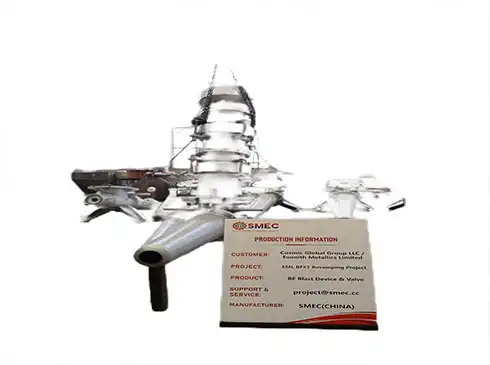
Modular blast furnace repair is a big change in the way that factories are fixed up. This method uses standard, pre-made parts that were engineered to exact specifications in controlled manufacturing environments before they were sent to your facility. Major furnace parts, like shell sections, cooling staves, refractory linings, and pipe systems, come as fully assembled pieces that can be put together quickly. The method directly addresses the economic losses that come with long production stops while reducing the safety risks and labor shortages that normally come with renovation projects.
Core Advantages of Pre-Engineered Furnace Components
There are many benefits besides speed in the modular renovation project for the blast furnace. When compared to traditional ways, modular solutions cut down on building time on-site by 40 to 60 percent. This means that a lot of money will be kept, since blast furnaces usually make a lot of work every hour. When complicated assembly takes place in a plant with high-tech measuring tools instead of a crowded and dangerous furnace, quality control is much better. With tolerances of +/- 2mm for large parts, modules have high-precision structural integrity. This is made possible by CNC machining and 3D laser scanning verification. Using high-conductivity copper or cast iron cooling staves with carbon-microporous refractories improves temperature management, which makes campaigns last longer and require less upkeep.
Materials and Technologies Driving Performance Gains
Modern modular systems are made with cutting-edge materials that are designed to last under the toughest conditions. To make sure they are reliable, cooling elements are tested at 1.5 times their working pressure using hydrostatic pressure. Refractory materials are made up of high-strength castables and special bricks that stay whole during transport and lifting, thanks to logistics that check for vibrations and custom bracing systems. These high-tech materials stay strong even when heated up to 1500°C on the inside, and they can also handle the mechanical stresses that come with making iron. Following ISO 9001, AWS D1.1 welding standards, and ASME pressure component requirements makes sure that buyers get products that meet high-quality standards around the world.
Step-by-Step Modular Renovation Project Process for Blast Furnaces
Initial Assessment and Engineering Design Phase
Comprehensive furnace tests are the first step to a successful modular repair. Using 3D laser scanning technology to make digital twins of existing buildings, engineering teams do thorough site surveys. This exact mapping shows wear patterns, structural weaknesses, and differences in dimensions that help with designing modules. The data lets engineers customize pre-made parts that fit perfectly with existing supports, getting rid of the alignment problems that come up with most retrofits. Usually, this evaluation phase needs 8 to 12 months of engineering and pre-assembly work done off-site. However, this investment in planning pays off by greatly reducing shutdown times.
Strategic Sourcing and Vendor Selection
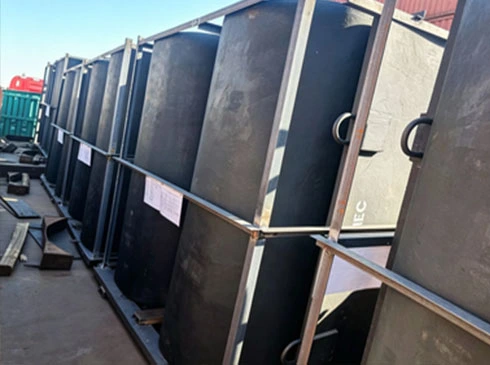
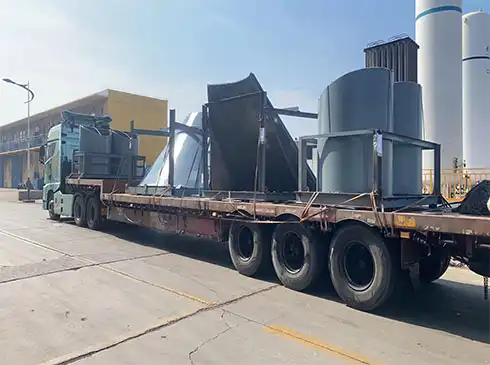
When buying things for flexible projects, strict evaluation methods for vendors are needed. Suppliers that are good at what they do show that they can make things with certification, a history of success with similar installations, and a lot of testing documentation. Buyers should make sure that suppliers test all important shell welds without damaging them, such as using radiography and ultrasound, to make sure there is no chance of leakage. Before being shipped, trial units are put together in manufacturing workshops to make sure that the bolt holes and pipe connections are lined up correctly. Modules can weigh up to 1000 tonnes, so transportation arrangements are very difficult. To make sure they can get to your site, you need self-propelled modular transporters and route studies. For the Modular Renovation Project for the Blast Furnace, these considerations are especially critical.
Installation Execution and Quality Verification
The best thing about modular renovation is that it causes the least amount of disruption during the installation phase. Modules come pre-tested and assembled, so work on-site is mostly focused on precise positioning, connecting interfaces, and putting the whole system together. Verification of dimensions using 3D laser trackers shows that modules can connect to existing structures. Installation teams follow strict safety rules and quality checklists that check for high-pressure connections, the stability of the refractory, and the starting of the cooling system. Tracking milestones and open communication are important parts of project management. This way, everyone involved can see how things are going and feel confident about planning the start of production again.
Comparing Modular Renovation vs Traditional Renovation for Blast Furnaces
Limitations of Conventional Refurbishment Methods
Renovations to a traditional blast furnace are very hard on operations and cost a lot of money. Long periods of downtime, which often last for months, cause huge losses in income that far outweigh the costs of the renovations. Using traditional methods requires a lot of work to be done on-site, often in dangerous conditions with little oversight for quality control. Traditional work is done in a certain order: base repair, shell building, refractory installation, and then commissioning of the cooling system. This makes schedules longer and increases the chance of going over. Unexpected site conditions cause costly design changes and material delays that affect the whole project schedule, making it harder to plan the budget.
Measurable Benefits of Modular Approaches
With modular solutions, you can cut down on turnaround times and keep your production revenue. Critical path schedules are sped up a lot when off-site fabrication and on-site preparation work are done at the same time. A recent steel mill in North America cut the time it took to repair its furnace from 120 days using old-fashioned methods to just 45 days using modular parts. This saved the company over $18 million in lost production value. Scalability is another big benefit. Modular systems let you do upgrades in stages, which spreads out the cost of capital over several budget cycles while still improving performance. The longer campaign life between major overhauls is due to the improved structural dependability that comes from controlled assembly conditions in the factory.
Addressing Potential Implementation Challenges
Coordinating a modular renovation can be hard and needs to be managed carefully. Because of the upfront technical costs and long lead times for production, long-term planning is needed, which can be hard for companies that are used to reactive upkeep strategies. For transportation planning, detailed route maps are needed, and temporary structures like reinforced roads or crane platforms may be needed. However, experienced solution providers make these problems less of a problem by providing full project management support, careful planning for logistics, and tried-and-true installation methods that have been improved over many successful implementations, such as the Modular Renovation Project for the Blast Furnace.
Optimizing Blast Furnace Performance through Modular Renovation
Establishing Performance Metrics and Renovation Objectives
Setting clear goals based on measurable key performance indicators is the first step in improving performance. KPIs that are useful include furnace productivity rates, fuel consumption ratios, refractory wear rates, the efficiency of the cooling system, and the number of unplanned outages. Baseline measurements set goals for renovations, like increasing productivity by 15% or cutting the amount of coke used to make one ton of iron by 20%. These measurable goals help with choosing the right modules and give you a way to judge how well the renovation went. During this phase of definition, the procurement and engineering teams should work together closely to make sure that the technical requirements are in line with operational priorities.
Energy Efficiency Through Advanced Module Technologies
By using new technologies that weren't available during the original building, modular repair can make a big difference in how well energy is used. Modern cooling stave modules have better water circuit designs that make heat extraction more efficient. This lowers the stress on refractories and the total fuel need. When placed as top modules, better load distribution systems help the gas flow be more even and the combustion process go more completely. While lowering operating costs, these improvements in efficiency also help businesses follow stricter rules about emissions of CO₂, NOx, and particulate matter.
Safety Protocols and Risk Management Essentials
Safety is the most important thing during modular renovation projects. When compared to traditional methods, the controlled factory assembly setting keeps workers from being exposed to dangerous situations on-site. Installation safety rules cover things like using heavy equipment, getting a permit for hot work, entering a tight area safely, and starting up a pressure system. Risk management plans list possible ways things could go wrong and plan for what to do if that happens. Full insurance coverage, which includes policies for builder's risk and professional liability, protects the owner's interests. These strict safety rules not only keep workers safe, but they also lower the risk of incidents that will cause work to stop.
Procurement Guide for Modular Renovation Projects
Comprehensive Sourcing and Vendor Evaluation Checklist
To do effective procurement, vendors must be evaluated in a planned way across a number of areas. When evaluating technical capabilities, it is important to check engineering certifications, the capacity of the manufacturing facility, certifications for the quality management system, and references from similar projects. A financial stability analysis makes sure that vendors have the resources they need to finish their work without having to worry about their cash flow. Logistics skills should be looked at closely, especially when it comes to moving modules, the amount of space needed on-site, and the availability of assembly tools. Ask for specific project schedules that include clear goals, due dates, and decision points for the owner that allow for proactive project tracking.
Criteria for Selecting Reputable Solution Providers
There are a few things that set leading providers of the Modular Renovation Project for the Blast Furnace apart from others. They have specialized engineering teams with a lot of experience making iron and can make solutions that work with different furnace setups. Their factories have cutting-edge tools for making things, a lot of different kinds of tests, and quality control methods that go above and beyond what the business requires. Proven track records include case studies with measurable performance gains and client references who are happy to talk about their project experiences. Strong service networks after the sale provide quick technical help during setup and the furnace campaign that follows.
SMEC brings specialized expertise in modular equipment solutions backed by comprehensive manufacturing capabilities. Our 23,000-square-meter production facility houses advanced fabrication equipment operated by 486 skilled professionals, including 168 engineering and technical personnel. This depth of expertise, combined with our Large-scale Intelligent Equipment Research Institute, enables us to deliver customized modular components engineered to exact specifications. Our quality inspection protocols ensure every module meets stringent international standards before leaving our Taiyuan manufacturing complex.
Best Practices for Turnkey Project Contracting
Turnkey contracts that work well spell out the scope, the parties' duties, the work that needs to be done, and the guarantees of performance. Clear technical specs make it clear what materials are used, how they are to be built, what tests are needed, and what the acceptance criteria are. Payment plans should be in line with reaching milestones, and they should protect the owner's risk while also meeting the vendor's cash flow needs. Change order methods set up clear ways to deal with unexpected events that don't throw off project plans. Long-term security comes from warranties that cover both the performance of the tools and the quality of the installation. Regular status meetings, reviewing progress documentation, and reporting problems early on are all examples of proactive vendor management that improves results and makes working relationships stronger.
Conclusion
With the modular renovation project for the blast furnace and its customized modular repair approach, refurbishing a blast furnace goes from being a scary break in production to a chance to improve performance in a smart way. Precision engineering, faster installation, and proven reliability make this method the first choice for steel producers, metallurgical businesses, and industrial engineering firms that want to be ahead of the curve. Modular approaches offer much better total economic value than traditional renovation methods because they cut down on shutdown times while improving structural integrity, energy efficiency, and operational safety. Companies that use this technology will be able to stay ahead of the competition because it will boost their productivity and lower their costs.
FAQ
1. How long does a complete modular blast furnace renovation typically require?
The whole timeline is made up of two separate parts. Off-site planning, module manufacturing, and pre-assembly usually take 8 to 12 months. During this time, your furnace keeps running normally. During the important on-site installation phase, production stops. This phase usually lasts 30 to 60 days, based on the size of the renovation. This is shorter than the 90 to 150 days needed for similar standard renovations. This huge drop in downtime keeps production revenue steady and speeds up the return to full operational capacity.
2. What cost factors differentiate modular renovation from traditional methods?
When using a modular method, the initial costs of building and manufacturing are higher. On the other hand, the 40–60% shorter shutdown times save a lot more money and usually more than make up for the modularization price three to five times over. Instead of just looking at the value of the construction contracts, a full cost analysis should look at the whole economic impact, such as the value of lost goods, the cost of financing them during long shutdowns, and the performance improvements that make the next campaign more profitable.
3. How do modular systems guarantee energy efficiency improvements?
Newer module designs use tried-and-true technologies that weren't available when older furnaces were built. Thermal losses can be cut down with high-efficiency cooling staves and well-designed water lines. Better refractory materials that are also better at insulating keep heat from escaping. Modern systems for distributing burdens help gas flow be more even and combustion reactions to be more complete. Most of the time, these combined changes cut the amount of fuel used to make one ton of iron by 10 to 20 percent while also lowering emissions to meet current environmental rules.
Partner with SMEC for Expert Modular Blast Furnace Renovation Solutions
As a reliable provider of unique industrial equipment solutions, SMEC offers full modular repair engineering. Our integrated method combines advanced fabrication off-site with exact on-site installation support. This keeps your production as smooth as possible while increasing performance to the fullest. Our 30 top engineers lead our technical teams, and our state-of-the-art factories are located in Shanxi Province. We design modules to very tight tolerances so they can be easily integrated with your current infrastructure. Our quality control systems are in line with international standards, so you can be sure that the structure is sound and that the systems will work as they should. Get in touch with our engineering experts at project@smec.cc to talk about your unique furnace optimization needs and get a full technical plan. We'd love the chance to show you how our tried-and-true modular methods can improve the efficiency of your blast furnace, make your campaign last longer, and give you a measured return on investment (ROI) through less downtime and better energy performance.
References
1. Panjkovic, V., Truelove, J.S., and Zulli, P. (2002). "Numerical Modelling of Iron Flow and Heat Transfer in Blast Furnace Hearth." Ironmaking & Steelmaking, 29(5), 390-400.
2. Geerdes, M., Toxopeus, H., and van der Vliet, C. (2009). Modern Blast Furnace Ironmaking: An Introduction. Amsterdam: IOS Press.
3. Biswas, A.K. (1981). Principles of Blast Furnace Ironmaking: Theory and Practice. Brisbane: Australasian Institute of Mining and Metallurgy.
4. Nishioka, K., Maeda, T., and Shimizu, M. (2005). "Cooling Stave Technology for Prolonging Blast Furnace Campaign Life." ISIJ International, 45(10), 1489-1495.
5. Peacey, J.G. and Davenport, W.G. (1979). The Iron Blast Furnace: Theory and Practice. Oxford: Pergamon Press.
6. Zhou, C.Q., Yuen, R., and Yue, T.M. (2003). "Modeling the Thermal Behavior of Blast Furnace Refractory Lining." Journal of Engineering for Industry, 125(3), 201-210.
Free consultation & volume discounts available
SEMC focuses on the entire metallurgical process—from coking, ironmaking, and steelmaking to continuous casting and rolling. Whether you face challenges related to equipment upgrades, energy efficiency optimization, or overall process transformation, please fill in the following information. Our technical team will provide you with tailor-made high-end equipment upgrade solutions and professional EPC design services to help your project be implemented efficiently.
Recommended Blog
How to Choose a Reliable Blast Furnace Vent Valve Manufacturer?
Comparing Different Types of Blast Furnace Tuyere Equipment
What Are the Benefits of a Blast Furnace Cast Iron Cooling Wall?
What Is Blast Furnace Tuyere Equipment and Why Is It Important?
How to Improve the Efficiency of Slag Granulation Equipment