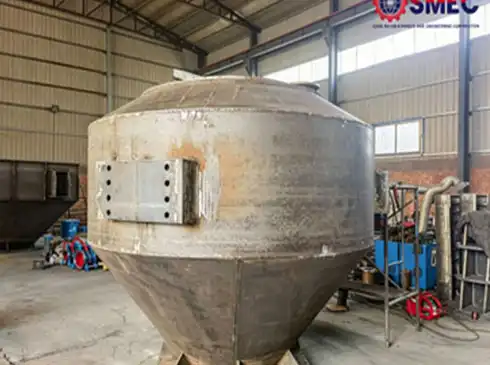
Benefits of Blast Furnace PCI System Optimization
Understanding the Core Components and Functionality of Blast Furnace PCI Systems
- Understanding the Core Components and Functionality of Blast Furnace PCI Systems
- Major Benefits of Optimizing Blast Furnace PCI Systems
- Key Strategies and Best Practices for Blast Furnace PCI System Optimization
- Quantifiable Performance Indicators After PCI System Revamping
- Case Studies Demonstrating Successful PCI System Optimization
- Procurement Insights: Selecting the Right PCI System and Service Provider
- Conclusion
- FAQ
- Partner with SMEC for Advanced PCI System Solutions
- References
Modern ironmaking demands efficiency, sustainability, and predictable cost control—three pillars that drive competitiveness in the global steel industry. The revamping and optimization of blast furnace PCI system stands as a proven pathway to achieve these goals. By refining pulverized coal injection mechanisms, steel producers unlock measurable gains: reduced coke consumption, higher hot metal production, improved furnace stability, and lower emissions. Successful PCI optimization transforms what was once a supplementary fuel source into a strategic lever for profitability and environmental compliance. This article explores how targeted enhancements to PCI systems deliver quantifiable benefits across operational, financial, and regulatory dimensions.
Understanding the Core Components and Functionality of Blast Furnace PCI Systems
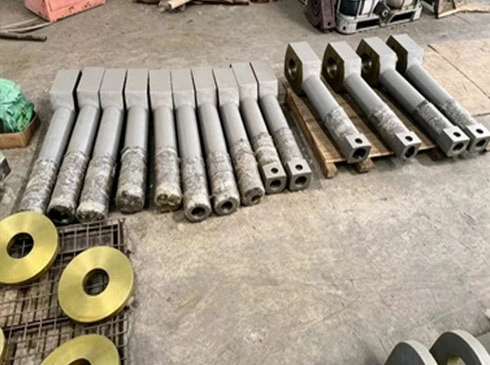
A blast furnace PCI system is made up of equipment that is linked to each other and is used to prepare, move, and inject pulverized coal straight into the furnace tubes. Knowing about these parts helps buying managers and plant engineers find ways to save money and time and choose trustworthy partners.
Essential Hardware in PCI Systems
The method starts with silos that store coal. These silos feed raw materials into either vertical or horizontal grinding mills. These mills, which are usually Loesche or similar designs, grind coal into a powder that is usually smaller than 75 microns. This makes sure that the coal burns quickly in the raceway zone. After being broken up, the coal is moved to distribution tanks close to the furnace by pneumatic lines. Injection lances go through tuyeres and into the hot blast air stream. Coal particles burn to replace some of the industrial coke that is usually used as a reducing agent. Accurate flow meters, pressure monitors, and automatic valves control the injection rates in several tubes, making sure that the spread is even around the furnace's edge.
How PCI Systems Elevate Blast Furnace Performance?
For PCI to work well, the coal flow, carrier gas velocity, and blast temperature must all be controlled at the same time. When the coal is injected evenly, the gas flow through the burner gets better, which stops channeling and keeps the unified zone stable. This uniformity means that the furnace runs more smoothly, the usage coefficients go up, and the iron quality gets better. Advanced automation platforms constantly change the input settings based on real-time data from top-gas analyzers and thermal cameras. This creates a feedback loop that keeps the combustion efficiency at its best even when the properties of the raw materials change.
Major Benefits of Optimizing Blast Furnace PCI Systems
When PCI tools and control logic are upgraded in specific ways, speed is improved in a number of ways. Coking plants, steel mills, and building firms that want long-lasting, low-cost solutions will really value these benefits.
Dramatic Reduction in Coke Consumption and Raw Material Costs
Coke substitution is the most immediate way that PCI optimization can save you money. Coal combustion uniformity and usage rates are improved by modern revamping and optimization of blast furnace PCI system operations, which allows for higher replacement ratios. Industry data shows that systems that are optimized lower the total amount of coke by 4 to 10 kg per ton of hot metal. For furnaces bigger than 450 cubic meters, this means saving thousands of tons of metallurgical coke every year, which directly lowers the cost of buying one of the most expensive iron-making materials. Better technologies for grinding coal and precise controls for injection help keep unburned fines to a minimum and make sure that the coal replacement ratio is just right. This way, every kilogram of pulverized coal gives you the most energy value.
Increased Production Capacity and Furnace Stability
PCI optimization raises the furnace usage rate by 1% to 3%, which lets more hot metal be produced every day without having to build more facilities. Even spread of coal around the edge gets rid of dead spots and helps gas move evenly through the burden column. Because of this stability, bad furnace conditions like slips, hangs, and off-center gas flow happen less often, and they can happen more than 75% less often. When more than 98% of the time, the furnace runs smoothly, repair teams spend less time trying to figure out why it won't work and more time doing planned, preventative tasks. Stable thermal profiles also help keep production plans, which is very important for integrated steel mills that coordinate activities further down the steelmaking chain.
Enhanced Hot Metal Quality and Compliance with Steelmaking Standards
When conditions in the furnace stay the same, the chemistry of the hot metal stays the same. Optimized PCI systems keep burner temps fixed and keep silicon and sulfur impurities from changing too much. The percentage of hot metal that meets first-grade specifications is getting better, and acceptance rates are going up by 5 to 9 percent. This uniformity is especially helpful for companies that sell high-end steelmakers, since tight compositional tolerances lead to higher prices. Less variation in impurities also makes further processing easier, which lowers treatment costs and makes the process more cost-effective overall.
Environmental Benefits and Emission Control
Because coal injection naturally gives off less CO2 per unit of energy than coke, PCI optimization is an easy way to cut down on carbon emissions. Better combustion efficiency cuts down on particulate emissions even more and keeps carbon losses to a minimum. Steel companies that have to follow strict rules about air quality in the US and other markets will benefit from these cuts, which will help them avoid fines and stick to their sustainability goals. Advanced PCI systems with automated tracking make environmental reports easier and show that they meet legal standards.
Reduced Maintenance Burden and Operational Reliability
Optimization takes into account long-term failure modes like tuyere burn-through, lance coking, and pipeline bottlenecks. Better injection lances made from heat-resistant metals and with better cooling ducts last longer and need to be replaced less often—by more than 65 percent. Pressure spikes and flow imbalances that wear out fans, valves, and pipes faster can be stopped by automated control systems. Maintenance teams can cut down on spare parts costs and avoid expensive emergency repairs by getting rid of faults that happen often. Reliable PCI operation also lowers safety risks, like backfires and coal dust fires, which protects workers and stops unexpected shutdowns.
Key Strategies and Best Practices for Blast Furnace PCI System Optimization
To get these benefits, you need a structured way to find bottlenecks, use tried-and-true technologies, and keep performance high by constantly improving it.
Addressing System Bottlenecks and Operational Challenges
A lot of the PCI systems that are already out there have problems with uneven coal spread, inconsistent coal quality, and not enough automation. These problems make the furnace less stable and less efficient at burning fuel. By carefully checking grinding mills, moving lines, and injection equipment, we can see which improvements give the best return. Getting rid of old lances and replacing them with new ones with better nozzle shape makes the coal spread out better in the track. Adding variable-speed fans and flow control valves to pneumatic conveying systems makes sure that the injection rates are always exact, even when the working conditions change.
Leveraging Advanced Automation and Real-Time Monitoring
Modern PCI optimization relies on smart control systems that change the input settings on the fly for revamping and optimization of blast furnace PCI system. Platforms that include automation hardware from ABB or Siemens let workers check on the flow of coal, the pressure of the carrier gas, and the temperature profiles of the burner from a central control room. Real-time data analytics find differences before they become problems with the process, which helps with early action. Closed-loop control algorithms keep the best combustion efficiency without any help from an operator. They can automatically adjust for changes in coal moisture, particle size, or blast temperature. This level of automation cuts down on the need for workers and gives skilled workers more time to work on strategic process improvements.
Ensuring Consistent Coal Quality Through Modern Grinding Technology
The thickness and spread of coal particles have a direct effect on how completely the coal burns. Modern mills with dynamic filters make particles of very precise sizes, so there aren't many large pieces that don't burn all the way through in the track. Grinding circuits are regularly calibrated to make sure that coal always meets target specifications, even if the quality of the feedstock changes. Integrated moisture control systems keep the flowability and stop agglomeration, which keeps pipelines from getting clogged and allows stable injection rates.
Cultivating a Culture of Continuous Improvement and Staff Training
To keep PCI running smoothly, you need skilled workers who know how the system works and can quickly fix problems. Frontline teams can keep up their top performance thanks to comprehensive training programs that cover how to use tools, how to fix problems, and how to stay safe. Regular meetings to share knowledge and work together with equipment makers encourage a positive attitude, where small changes add up to big gains in performance over time.
Quantifiable Performance Indicators After PCI System Revamping
Performance guarantees are built right into the building contracts that SMEC uses to upgrade PCI systems. Through this promise, clients can be sure in a number of areas, and most projects return their full capital investment within 12 to 20 months.
The complete coke ratio goes down by 4 to 10 kilograms per ton of hot metal, and the amount of powdered coal used per ton goes down by 3 to 8 percent. Every year, big furnaces save thousands of tons of industrial coke, which lowers the cost of buying valuable materials by a lot. The daily output of hot metal steadily rises as furnace utilization coefficients rise by 1% to 3%. The rate of smooth operation goes over 98%, and the rate of bad furnace conditions drops by more than 75%. The acceptance rates for hot metal first-grade go up by 5 to 9 percent, which meets the high standards for steelmaking. Maintenance costs go down because parts need to be replaced less often (by over 65 percent), which gets rid of long-term problems like lance coking and tuyere harm. Automated precision filling cuts down on the need for human control, which means less manual work. Backfire or coal dust ignition safety events are no longer happening, which keeps plants from having to shut down and repairs being needed. Cost saves and income gains of hundreds of thousands to millions of dollars per year are seen in single furnaces larger than 450 cubic meters. This makes PCI optimization one of the best investments in ironmaking technology in terms of return on investment.
Case Studies Demonstrating Successful PCI System Optimization
Implementations in the real world show that planned PCI improvements lead to measurable results, which strengthens the business case for investment.
Technology-Driven Upgrades Yielding Productivity Gains
Leading steel makers who work with Mitsubishi and Siemens have seen big changes after updating their PCI systems through revamping and optimization of blast furnace PCI system. Better control systems made it possible to tighten the limits for the injection rate. This cut the amount of coke used by 8% and raised furnace efficiency by 2.5%. Because of these gains, big cost savings and a stronger position in global markets made it possible.
Cost-Effective Retrofit Programs Extending Furnace Campaign Life
Previous projects that tried to fix old PCI setups show that small improvements can have big effects without having to update the whole system. One integrated mill updated pneumatic conveying fans and replaced old injection lances, which lowered the coke rate by 6 kg per ton and got rid of long-term pipeline blockages. The small amount of money that was spent on capital was returned in less than 18 months, and operating saves continued throughout the furnace campaign.
Expert Troubleshooting and the Value of Specialized Support
Experts in the field stress that keeping PCI systems safe takes a lot of technology know-how and quick service. Finding problems quickly, like uneven coal distribution or lance burning, keeps small problems from getting worse and causing big outages. Partnering with experienced solution providers protects long-term performance by giving you access to specialized knowledge, replacement parts, and support for continuous improvement.
Procurement Insights: Selecting the Right PCI System and Service Provider
Finding the best PCI tools and partner means finding a balance between technical skills, cost, and long-term support.
Evaluating Leading Equipment Suppliers
PCI solutions from well-known names like Mitsubishi, FLSmidth, Danieli, Tenova, and Primetals solutions have been used for a long time and have worked well. Professionals in procurement should look at the quality of the product, how well it is automated, the networks of after-sales service, and how well it fits with business goals. Checking references carefully and visiting installations that are already up and running can teach you a lot about how well and reliably something works in the real world.
SMEC's Tailored PCI Solutions for Global Clients
SMEC is a major maker and supplier of blast furnace injection systems. They have a lot of experience with metals and can do a lot of different kinds of service. Our company is based in Taiyuan City, which is in Shanxi's energy and heavy chemical industry base. It has 486 employees, including 168 engineers who are experts in designing and optimizing PCI systems. Our Large-scale Intelligent Coking Equipment Research Institute comes up with new ways to meet the needs of a wide range of businesses, from separate coking plants to steel mills that are fully combined. We do full turnkey jobs that include designing the equipment, making it, helping with installation, and providing ongoing expert support. Our promise of measurable performance guarantees, which is put into every contract, gives customers trust and holds us accountable. With SMEC's track record of reliable, efficient, and cost-effective revamping and optimization of blast furnace PCI system results, whether they are upgrading old systems or installing new ones from scratch, their work is always guaranteed.
Conclusion
Optimizing the PCI system in the blast furnace is a big chance for steel companies that want to cut costs, increase output, and do a better job of protecting the environment through revamping and optimization of blast furnace PCI system. By fixing technical problems, using advanced automation, and working with skilled solution providers, operators can save money on coke, make the furnace more stable, improve the quality of the hot metal, and make maintenance more reliable. Quantifiable performance signs show that PCI changes that are done right pay for themselves quickly and continue to help the economy in the long term. As steelmaking around the world moves toward more efficiency and lower emissions, strategic PCI optimization helps companies stay competitive while also meeting environmental and legal requirements.
FAQ
What injection rates can optimized PCI systems achieve?
Depending on the size of the furnace, the quality of the coal, and other operating factors, modern PCI systems can usually pump 150 to 250 kg of pulverized coal per ton of hot metal. Modern systems with better control over combustion can raise rates while keeping furnace conditions stable.
How does PCI optimization reduce emissions?
When coal and coke are burned, they naturally release less CO2 per unit of energy. Better combustion efficiency cuts down on carbon and particle pollution that aren't burned, which helps companies meet their air quality goals and green goals.
What challenges arise during PCI retrofit projects?
Problems that often come up include figuring out how to connect new equipment to existing systems, planning installations so that they don't interrupt output too much, and teaching staff how to use new systems. These risks are lessened by experienced partners who do thorough planning, design equipment that can be put together in different ways, and offer full training programs.
Can PCI optimization improve iron quality?
Stable PCI operation helps keep burner temperatures stable and lowers changes in the chemistry of hot metals. This uniformity raises the amount of hot metal that meets first-grade standards, which helps meet the needs of high-quality steelmaking.
Partner with SMEC for Advanced PCI System Solutions
You can improve the way you make iron with SMEC's full revamping and optimization of blast furnace PCI system services. Our engineering teams create, build, and support modern PCI equipment that is customized to your production goals. This equipment promises to save you coke, increase productivity, and make your furnace more reliable. SMEC is a reliable PCI system provider that cares about your long-term success. They have 168 specialized engineers, state-of-the-art research labs, and a track record in coking plants and steel mills. Visit smecltd.com or email project@smec.cc to talk about how our solutions can improve the performance of your blast furnace and speed up your return on investment.
References
1. International Iron and Steel Institute, "Best Practice Guidelines for Pulverized Coal Injection in Blast Furnaces," Technical Report Series on Ironmaking Technologies, 2021.
2. Zhang, L., & Wang, H., "Optimization Strategies for Blast Furnace PCI Systems: A Comprehensive Review," Journal of Metallurgical Engineering, Vol. 38, No. 4, 2020.
3. Anderson, R., "Economic and Environmental Benefits of Advanced PCI Technologies in Modern Steelmaking," Proceedings of the International Conference on Sustainable Metallurgy, 2019.
4. European Steel Technology Platform, "Energy Efficiency in Blast Furnace Operations: The Role of Pulverized Coal Injection," ESTEP Research Publication, 2022.
5. Kumar, S., & Patel, M., "Real-Time Control Systems for PCI Process Optimization: Case Studies from Global Steel Producers," Iron and Steel Technology Magazine, Vol. 17, No. 9, 2021.
6. World Steel Association, "Pulverized Coal Injection: Technology, Economics, and Environmental Impact," Steel Industry Technology Roadmap, 2020.
Free consultation & volume discounts available
SEMC focuses on the entire metallurgical process—from coking, ironmaking, and steelmaking to continuous casting and rolling. Whether you face challenges related to equipment upgrades, energy efficiency optimization, or overall process transformation, please fill in the following information. Our technical team will provide you with tailor-made high-end equipment upgrade solutions and professional EPC design services to help your project be implemented efficiently.
Recommended Blog
How to Choose the Right Partner for a Blast Furnace Modular Renovation Project?
Common Problems in Three-Ring Cone Scrubbers and How to Fix Them
OEM Blast Furnace Tuyere Equipment: Benefits for Steel Plants
Case Study: Successful Overall Blast Furnace Renovation Projects