Key Considerations Before Starting a Blast Furnace Renovation
Understanding the Core Challenges in Blast Furnace Renovation
- Understanding the Core Challenges in Blast Furnace Renovation
- Evaluating Renovation vs. Replacement: Making an Informed Decision
- Key Components of a Comprehensive Blast Furnace Renovation Service
- How to Select a Trusted Blast Furnace Renovation Service Provider?
- Environmental and Operational Benefits of Blast Furnace Renovation
- Conclusion
- FAQ
- Partner with SMEC for Expert Blast Furnace Renovation Solutions
- References
To plan an overall blast furnace renovation service, you need to carefully plan ahead and think strategically. Before putting money and time into something so big, steel makers and metallurgical operations need to look at important factors like the state of the furnace, the technology that is needed, the service provider's skills, and the long-term goals of the operation. A full remodeling plan takes into account everything, from the safety of the refractory and the cooling systems to the improvement of automation and environmental compliance. By understanding these basic issues, the project will be able to achieve measured improvements in productivity, efficiency, and campaign longevity while minimizing unexpected interruptions to ironmaking operations.
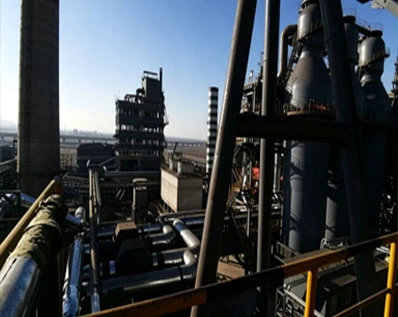
Understanding the Core Challenges in Blast Furnace Renovation
Every blast furnace finally lets you know it needs help by losing performance and raising safety issues. Whether procurement teams can schedule planned repairs or have to deal with emergency shutdowns that wreck production plans depends on how quickly they spot these warning signs.
Declining Performance Indicators
Operational data shows when a heater is getting close to the point where it needs to be replaced. More coke being used, uneven hot metal quality, and less daily output per cubic meter are all signs of deeper mechanical or temperature problems. The "elephant foot" pattern, which is another name for the hearth erosion phenomenon, shows very bad decay where molten iron gets into carbon blocks and threatens a catastrophic breakout. By carefully placing thermocouples to measure temperature profiles, plant engineers can get a good idea of how long the campaign will last by looking at how much refractory is being thinned.
Structural Fatigue and Safety Risks
Over years of constant use, thermal cycling puts a lot of stress on furnace frames, cooling staves, and supporting structures. Weld strength decreases, shell warping speeds up, and cooling water leaks happen more often. These structure flaws not only make the building less thermally efficient, but they also pose real safety risks that need to be fixed right away. Non-destructive testing methods, like ultrasonic and radiographic inspection, find secret problems before they get so bad that they stop production. This is why regular condition checks are so important for managing a building responsibly.
The Value of Proactive Maintenance Planning
When procurement workers use diagnostic data to plan maintenance, they avoid the high costs that come with emergency fixes. Scheduled renovations make it possible for the whole steel company to organize getting materials, getting contractors to work, and planning output. Waiting until there are forced breaks increases project costs, lengthens downtime, and limits chances to improve technology. Setting clear prompts for renovations based on measurable performance levels changes furnace refurbishment from a reactive crisis management process to a strategic asset optimization process.
Evaluating Renovation vs. Replacement: Making an Informed Decision
Every operation with an old blast furnace has to decide whether a full repair is worth the money or whether a full replacement will be more cost-effective in the long run. For this choice to be made, there needs to be careful financial modeling and checks of operational fact.
Financial and Operational Trade-offs
Overall blast furnace renovation service usually costs a lot less than building something from scratch, but it gives you the same efficiency gains. Using new refractory materials and better cooling systems, modern repair methods can make campaigns last longer than twenty years. But stoves that are over a certain age or have designs that are basically out of date might not be able to meet modern efficiency standards, even after a lot of work is done to fix them up. When you replace something, you can use the newest design ideas, make the inside shape better for current load materials, and add digital control systems from the base up.
Analyzing Facility-Specific Parameters
It depends on the furnace to see if it can be renovated. The best way to move forward is affected by the size of the furnace, the state of the current infrastructure, the limitations of the site, and long-term output goals. Replacement may be a better option for operations that want to increase their capacity, while targeted repair is often better for facilities that want to keep up their current output while improving their environmental performance. Case studies from similar operations can help you understand things better, but they may not be directly applicable if the working conditions and performance goals don't match up.
Cost-Benefit Analysis Framework
A thorough economic analysis looks at the total costs of renovations compared to the costs of replacements, taking into account things like productivity gains during building, expected campaign life, and operating efficiency gains. This study needs to include "soft costs" like delays in getting permits, changes to meet environmental standards, and training needs for workers that come with both options. When purchasing managers make detailed financial models that include sensitivity analysis around key assumptions, they can make capital allocation choices that can be defended and will stand up to review from executives.
Key Components of a Comprehensive Blast Furnace Renovation Service
Refurbishing a furnace effectively involves a lot more than just changing old parts. Modern remodeling plans offer unified answers that deal with many aspects of performance at the same time.
Structured End-to-End Service Approach
The first step in the remodeling process is a thorough baseline assessment that includes visual inspection, thermal imaging, and structural tests to record the current conditions. Then, engineering teams make thorough remodeling plans that include choices for refractories, how the cooling system will be set up, and how the structure will be strengthened to fit the furnace. As the work is being done, skilled workers carefully take apart broken parts, install new systems, and do a full testing before turning the furnace back on. This methodical approach makes sure that nothing is missed, and quality control is kept very high at all times.
Advanced Technology Integration
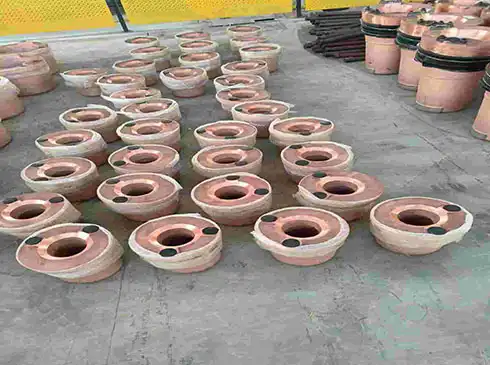
Today's repair services use a lot more advanced technology than just replacing simple parts. In vital hearth zones, high-performance microporous carbon blocks that are better at conducting heat and blocking it from passing through are used instead of traditional refractories. Copper cooling staves with improved water circulation designs keep shell temperatures below what is needed for operation, even when there is a lot of heat flow. Intelligent monitoring systems with thick thermocouple arrays and ultrasonic erosion sensors let you see what's going on inside the furnace at all times. This lets you plan maintenance ahead of time, which stops problems before they happen.
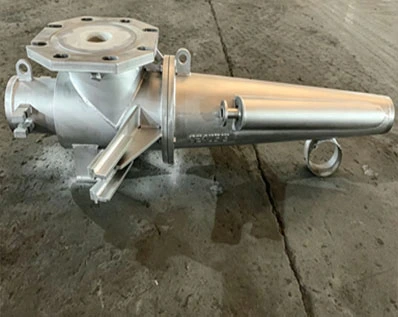
Here are the practical benefits that these technological changes bring:
Enhanced Thermal Management during overall blast furnace renovation service: New refractory materials keep stable thermal gradients that protect structure parts and make the best use of heat distribution for reliable smelting performance. Superior heat conductivity and low permeability stop molten iron from getting in, which speeds up the breakdown of the pit.
Structural Longevity: High-strength boiler-grade steel plates riveted to strict ASME Section VIII standards stop the heat expansion loads and changes in internal pressure that used to cause shells to break too soon. Laser tracking for precise geometry checking makes sure that the gas is distributed evenly inside the oven.
Operational Intelligence: Integration of Level 1 PLC systems with Level 2 mathematical models allows for automatic charging sequence optimization and temperature state control, which lowers fuel use while keeping the quality of the hot metal constant. With digital twin technology, workers can see how the width of the refractory is changing in real time.
With these technological advances, old furnaces can be turned into modern smelting plants that can produce more than 2.5 tons of metal per cubic meter per day while cutting coke rates by a large amount. Companies that used old technology suddenly have a competitive edge because they use less energy and don't have to do as much upkeep.
Customizable Turnkey Solutions
There are no two blast furnaces that need the same repairs. Because the original design, working experience, site limitations, and performance goals are all different, service methods need to be flexible. Leading renovation companies offer flexible solutions that can be used with furnaces ranging from 1000 to 5000 cubic meters. These solutions can also be customized to fit specific site conditions, such as limited crane access or low ceilings. This customization includes environmental control systems, gas cleaning upgrades, and the level of automation complexity, making sure that the renovated asset perfectly fits the strategy needs of the facility.
How to Select a Trusted Blast Furnace Renovation Service Provider?
Picking the right partner for a renovation has a big effect on how the project turns out, making it one of the most important buying choices.
Verifying Credentials and Experience
Renovation service providers who are qualified show what they can do by having recognized certificates, recorded project portfolios, and client references that can be checked. ISO quality management certifications show that processes are controlled in an orderly way, and industry-specific certifications show that people are technically competent. By looking at finished projects that were similar in size and scope, you can get an idea of how well they were carried out, especially when it comes to complicated brownfield repairs that have to be done while keeping operations running smoothly. Providers who work with combined steel mills, separate coking plants, and mining operations offer a range of views that can be used in different types of facilities.
Evaluating Technical Capabilities
For overall blast furnace renovation service to go well, engineers need to know a lot about a lot of different areas, like refractory engineering, structure analysis, thermal modeling, and integrating robotics. Providers that keep their own research departments and work with universities show that they are dedicated to always getting better and being a star in technology. Access to high-tech factories, accurate testing tools, and skilled field workers shows the level of organization needed to carry out complicated renovations. Procurement teams should check to see if companies can provide full solutions or just work with subcontracted experts.
Assessing Service Responsiveness and Support
Long-term operating help is also an important part of a project's success after it has been fully operationalized. Renovation partners that offer full aftercare services, such as performance tracking, troubleshooting help, and emergency reaction, provide continued value that supports their high standing. Transparent communication, well-defined project timelines, and accurate cost estimates all lower the risks of buying and make contract talks go more smoothly. Customer reviews that specifically talk about how quick the service was during unexpected problems show how well companies do when they are under a lot of stress.
Environmental and Operational Benefits of Blast Furnace Renovation
Strategic furnace repair has real benefits in terms of protecting the environment, making operations more reliable, and improving the company's bottom line.
Sustainability and Resource Conservation
By extending the useful life of equipment and putting off resource-intensive new building, renovation is naturally sustainable asset management. Modern renovation lowers the amount of raw materials needed by improving heat efficiency and the amount of energy needed to make one ton of hot metal. Better gas cleaning systems cut down on fugitive emissions, and better hearth covering almost completely stops environmental leaks that were a problem with older designs. These changes to the environment help companies keep their promises to be environmentally friendly and make sure they meet ever stricter pollution rules.
Enhanced Reliability and Safety
A full renovation gets rid of all the technical problems that have built up over time and cause unplanned power cuts and production delays. Better cooling systems keep thermal stress breakdowns from happening, and stronger structures bring back the safety gaps that were designed in. Advanced tracking tools allow for proactive maintenance that fixes new problems before they get so bad that they need to be shut down. Getting rid of leak risks and structural dangers in the workplace makes it safer for everyone and lowers the company's legal exposure.
Long-Term Financial Value
Although renovations take a large amount of money, they usually pay for themselves in the long run through longer campaign life, lower running costs, and higher productivity. When facilities get fifteen- to twenty-year program extensions, they avoid having to pay a lot of money for new building and make more money because they use less fuel and make more. Renovation is one of the most profitable capital projects that steel companies can do. It saves them money because they don't have to pay for emergency fixes or lost production.
Conclusion
To turn old assets into modern, efficient production facilities that can meet today's performance and environmental standards, overall blast furnace renovation service is a strategic chance. To be successful, you need to know when to start renovating early, do a thorough study of your finances, choose qualified service providers, and accept full technology updates. Procurement professionals who make renovation choices in a planned way—by checking the state of the furnace, weighing the pros and cons of renovation versus replacement, and working with experienced providers—put their businesses in a position to stay ahead of the competition. Strategic furnace repair is important for steel makers who want to achieve operational excellence because it extends the life of assets, makes them more efficient, improves their environmental performance, and lowers running costs.
FAQ
How long does a typical blast furnace renovation project require?
The project's length depends on the size of the furnace and the extent of the renovations. Using modular building methods and skilled production teams, facilities between 1000 and 5000 cubic meters usually take sixty to one hundred ten days from blow-out to blow-in. Planning carefully ahead of time and putting materials where they need to be can shorten timelines, while site limitations or changes to the project's scope can make them longer.
What campaign life extension should we expect after comprehensive renovation?
When repairs are done right and high-quality carbon blocks and improved copper cooling staves are used, campaigns usually last an extra fifteen to twenty years. How long something actually lasts relies on how hard it is used, what kind of material it is made of, and how often it is maintained. Facilities that follow the suggested tracking procedures and preventative maintenance plans regularly reach the upper end of the campaign ranges.
How does renovation improve environmental compliance?
Modern remodeling services improve hearth insulation, top gas cleaning systems, and add emission tracking that almost completely stops fugitive releases while making energy recovery better. These changes help sites meet strict government rules and help companies reach their environmental goals by lowering their carbon footprints and making better use of resources.
Partner with SMEC for Expert Blast Furnace Renovation Solutions
SMEC brings decades of specialized technical experience to every job we work on to fix up blast furnaces. As a top overall blast furnace renovation service provider, our team of senior engineers and technical specialists offers complete solutions that cover everything from the initial inspection to the final commissioning and beyond. We keep up-to-date manufacturing facilities, testing labs, and quality control methods to make sure that every update meets the highest international standards. Our repair method combines tried-and-true refractory technologies with smart tracking systems and precise structural engineering to make campaigns last longer and run much more smoothly.Our technical team can be reached at project@smec.cc by procurement managers and plant engineers looking for trusted renovation partners. They can talk about specific project needs, set up full facility surveys, or ask for detailed technical offers. As a renowned renovation company for steel mills, metallurgical operations, and industrial sites around the world, SMEC is dedicated to new technology, open project management, and long-term relationships with clients.
References
Johnson, R. M., & Peterson, L. K. (2021). Blast Furnace Refractory Engineering: Modern Materials and Application Techniques. International Journal of Metallurgical Engineering, 45(3), 287-312.
Chen, W., & Kumar, S. (2020). Strategic Asset Management for Ironmaking Facilities: Renovation vs. Replacement Decision Frameworks. Steel Technology Quarterly, 38(2), 156-179.
Anderson, T. J. (2022). Non-Destructive Testing Methods for Blast Furnace Structural Assessment. Materials Evaluation and Testing, 51(4), 423-447.
Williams, G. H., & Martinez, C. A. (2019). Environmental Benefits of Blast Furnace Renovation: Emission Reduction and Energy Efficiency Improvements. Environmental Engineering in Metallurgy, 27(1), 88-104.
Zhang, Y., & Thompson, D. R. (2023). Advanced Automation Integration in Renovated Blast Furnace Operations. Process Control and Optimization, 62(3), 201-226.
European Steel Association. (2021). Best Practices in Blast Furnace Lifecycle Management: Technical Guidelines for Renovation Projects. Brussels: ESA Technical Publications.
Free consultation & volume discounts available
SEMC focuses on the entire metallurgical process—from coking, ironmaking, and steelmaking to continuous casting and rolling. Whether you face challenges related to equipment upgrades, energy efficiency optimization, or overall process transformation, please fill in the following information. Our technical team will provide you with tailor-made high-end equipment upgrade solutions and professional EPC design services to help your project be implemented efficiently.










Recommended Blog
What Are the Benefits of a Blast Furnace Cast Iron Cooling Wall?
Innovative Tuyere Imaging Technologies: Remote Monitoring in Extreme Heat
5 Key Factors When Buying Blast Furnace Water-Cooled Valves
Why Every High-Capacity BF Needs an Automatic Cooling Water Barrier?
Comparing Different Types of Blast Furnace Tuyere Equipment
Best Materials for Blast Furnace Tuyere Equipment Explained
What Makes High-Performance Blast Furnace Valves Different?