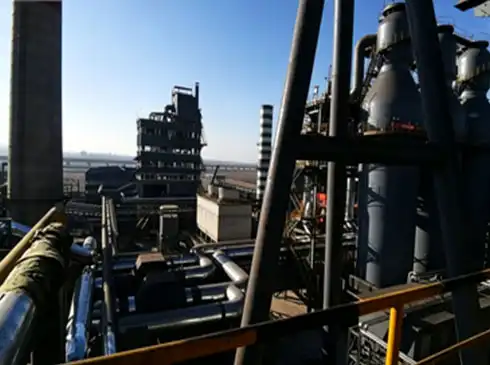
Where Are Blast Furnace Cast Iron Staves Used and How Do They Work with Copper Staves?
Where Are Blast Furnace Cast Iron Staves Used and How Do They Work with Copper Staves?
Understanding Blast Furnace Cast Iron Staves and Their Industrial Applications
- Understanding Blast Furnace Cast Iron Staves and Their Industrial Applications
- How Do Blast Furnace Cast Iron Staves Work Together with Copper Staves?
- Comparing Cast Iron Staves with Other Materials: Why Choose Cast Iron?
- Maintenance, Lifespan, and Common Challenges with Blast Furnace Cast Iron Staves
- Procurement Guide: Where to Buy and How to Choose the Right Blast Furnace Cast Iron Staves?
- Conclusion
- FAQ
- Partner with SMEC for Reliable Blast Furnace Cast Iron Stave Solutions
- References
Blast Furnace Cast Iron Stave components are precision-engineered cooling devices installed between the furnace shell and refractory lining to protect steel structures from extreme heat and mechanical stress. These staves are predominantly deployed in the upper stack and throat zones where thermal loads remain moderate but sustained protection is essential. When strategically paired with copper staves in high-heat regions like the bosh and belly, they create a cost-effective, zone-specific thermal management system that extends furnace campaign life while controlling capital expenditure.
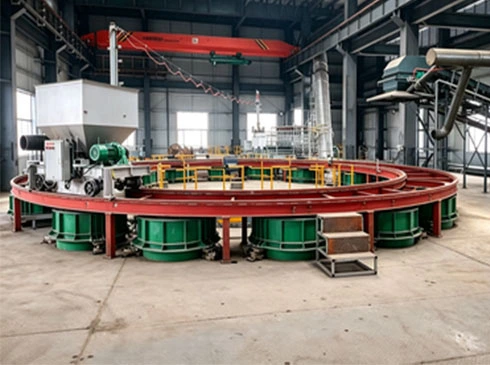
Understanding Blast Furnace Cast Iron Staves and Their Industrial Applications
When using a blast furnace, you need cooling solutions that are long-lasting, good at keeping heat in, and cost-effective. Blast Furnace Cast Iron Staves are the building blocks of complete furnace protection systems. They are made for areas with less heat flow and less slag erosion.
Material Composition and Engineering Design
Nodular cast iron grades like QT400-18 or QT450-10 are used in modern Blast Furnace Cast Iron Staves. These grades are better at bending and withstanding heat shock than standard gray iron. The irregular graphite structure inside the iron matrix stops cracks from spreading when there is repetitive thermal stress, which is very important when furnace temperatures change from 400°C to 600°C. Each Blast Furnace Cast Iron Stave has cooling lines made of low-carbon steel that are precision-cast inside the iron body to make sure the best possible mechanical bonding. This way of making things gets rid of weak spots that could let water in or make the heat less efficient during long processes.
The thermal conductivity of nodular cast iron is usually between 30 and 40 W/(m·K), which is enough to get rid of mild thermal loads without having to pay more than copper options. The tensile strength of the material is higher than 400 MPa, which means that these parts can handle high gas pressures inside and the heavy weight of descending burden materials.
Strategic Installation Zones
Blast Furnace Cast Iron Staves work great in the upper furnace stack and throat areas. The temperature is pretty stable in these areas because they don't have to deal with the strong radiation heat or harsh chemicals that are present in the lower furnace parts. Blast Furnace Cast Iron Staves are strong enough to resist wear and tear from falling coke and ore particles in the throat area, which is where raw materials enter the furnace. The top layer keeps the heat loads steady, which lets slag skin form—a protective layer that keeps the structure below it from direct thermal exposure.
Installing in these areas helps with three important operating goals: keeping the furnace profile stable by removing heat in a controlled way; keeping refractory linings from breaking down too quickly; and lowering the overall cost of the cooling system. Plant planners know that choosing the right zone makes the most of the cost savings of Blast Furnace Cast Iron Stave while saving more expensive materials for the most difficult jobs.
How Do Blast Furnace Cast Iron Staves Work Together with Copper Staves?
The interaction between Blast Furnace Cast Iron Staves and copper cooling staves is an advanced form of thermal engineering that improves performance and capital efficiency in different burner zones.
Complementary Material Properties
The thermal conductivity of copper staves is very high, at about 380–400 W/(m·K). This makes them essential in places with a lot of heat flow, where quick heat removal keeps the shell from overheating and breaking. The combustion zone and chemical reactions produce a lot of intense radiant heat in the bosh, belly, and lower stack regions. To keep the temperatures safe, these areas need copper's superior cooling capacity.
This setup is improved by Blast Furnace Cast Iron Staves, which offer reliable protection in moderate-temperature areas at a much lower cost. Because the material is good at transferring heat, heat is safely removed from the upper stack and throat without having to spend a lot of money putting copper throughout the whole furnace height. This individualized method recognizes that using the same material specs in all heating zones would waste money on capital.
Zoned Cooling System Architecture
A vertical zoning strategy is used for practical implementation. Copper staves are used in high heat flux areas like the bosh (where tuyeres add hot blast), the belly (where temperatures are highest), and parts of the lower stack to handle loads of more than 150,000 kcal/m²·h. When the heat flux drops below 100,000 kcal/m²·h, the middle and upper stacks switch to Blast Furnace Cast Iron Staves. In the throat region, where thermal stress is lowest, Blast Furnace Cast Iron Staves are used only.
This design has a number of practical advantages. The protective slag skin forms more evenly on Blast Furnace Cast Iron Stave surfaces in areas with milder temperatures. This makes a natural thermal shield that lowers the need for cooling water. In places with very high temperatures, copper staves stop hot spots that could damage the furnace shell, and in cooler places, Blast Furnace Cast Iron Stave parts keep the temperature stable. When properly maintained, the combined system increases the overall furnace campaign life to 12 to 15 years. This is longer than the shorter lifespans seen with single-material approaches or poor zone differentiation.
Economic and Operational Advantages
Total cost of ownership is best when Blast Furnace Cast Iron Staves and copper are used together. Managers in charge of buying things know that copper staves can cost three to five times more than Blast Furnace Cast Iron Stave units of the same size. Copper should only be used on about 30–40% of the furnace's cooling surface, and only in real high-stress areas. This greatly lowers the initial investment without affecting safety or efficiency.
This way of thinking is also helpful for planning maintenance. Blast Furnace Cast Iron Staves are very stable over time in their designated areas and don't need much maintenance other than regular checks on the quality of the cooling water. Copper parts need more care because they go thru more temperature changes, but their small installation area makes it easier to check them and possibly replace them during planned outages.
Comparing Cast Iron Staves with Other Materials: Why Choose Cast Iron?
To choose the right material for blast furnace cooling systems, you have to carefully look at its performance, prices over its lifetime, and ability to work with other parts of the furnace.
Performance Under Thermal Cycling
Nodular cast iron is very resistant to thermal wear, which is the slowing that happens over time when something is heated and cooled many times. The round graphite nodules inside the iron matrix relieve microstructural stress by taking in forces of expansion and contraction that would otherwise cause cracks. This quality is very important in blast furnace work, where daily and yearly changes in temperature cause constant thermal stress.
Different kinds of products have their own problems. Standard structural steel doesn't have the thermal shock resistance needed for furnaces. At high temperatures, oxidation and creep deformation speed up the steel's breakdown. Even tho graphite materials are good at conducting heat, they are also very fragile and easily oxidize when protective atmospheres are broken. Refractory ceramics are great at keeping heat in, but they can't be used as structural cooling elements that need water to flow thru them.
Total Cost of Ownership Analysis
Purchase choices include more than just the original price. They also include how hard the installation is, how much energy it uses, how often it needs to be maintained, and how often it needs to be replaced. Blast Furnace Cast Iron Staves offer competitive lifetime economics in a number of ways.
The substance's natural resistance to corrosion in blast furnace conditions slows down the rate of wear and tear, which increases the time between major repairs. Standardized dimensions and tried-and-true mounting systems make installation easy and keep labor costs low during building or relining projects. Pumping cooling water uses only a small amount of energy because the thermal conductivity needs to be just right to get rid of heat without increasing the flow rate of water too much.
Maintenance costs stay low because Blast Furnace Cast Iron Stave is strong enough to handle small changes in how it's used without breaking right away. Copper staves are better at moving heat, but they need tighter water quality control to keep them from rusting and scaling, which would make cooling less effective. Steel options need to be replaced more often because they rust and break down in heat, which raises the cost of materials and causes production to stop.
Industry Adoption Patterns
Steelmakers around the world all use mixed-material cooling systems that use the strengths of Blast Furnace Cast Iron Stave in the right places. Major providers of metallurgical equipment have confirmed that Blast Furnace Cast Iron Staves are used for 60–70% of the height of current large-scale blast furnaces. Copper or advanced alloys are used for the remaining high-stress areas.
According to operational data that has been collected over time, zone-appropriate material selection is more reliable and cost-effective than uniform high-specification approaches. When engineering firms do turnkey blast furnace projects, they use this design philosophy as standard. They back it up with performance guaranties that show the different cooling strategies are technically sound.
Maintenance, Lifespan, and Common Challenges with Blast Furnace Cast Iron Staves
Blast Furnace Cast Iron Staves will only work reliably for a long time if you know how they usually wear out and follow the rules for preventative maintenance.
Thermal Fatigue and Structural Integrity
The main way that Blast Furnace Cast Iron Staves age is by going thru thermal cycles. During each production campaign, the material is slowly heated up at startup, kept at steady temperatures while it works, and cooled down during maintenance breaks. Over years of use, this cycle causes changes in the microstructure that weaken the structure over time.
Compared to older gray iron materials, modern nodular cast iron types greatly slow down the development of wear. The spheroidal graphite structure keeps its flexibility even after being exposed to heat for a long time. This lets the material handle stress concentrations without breaking easily. Regular monitoring with temperature profiling helps find Blast Furnace Cast Iron Staves that are experiencing strange temperatures before they cause major damage.
Cooling Water Quality Management
Water chemistry has a direct effect on how long a Blast Furnace Cast Iron Stave lasts. Embedded cooling lines can rust because of dissolved oxygen, chlorides, and suspended solids. This could lead to leaks that damage both the Blast Furnace Cast Iron Stave and the refractory materials around it. Using closed-loop cooling systems that filter, treat with chemicals, and keep the right temperature can greatly increase the service life of pipes.
Best practices include keeping the pH of the water between 7.5 and 9.0, keeping chloride levels below 100 ppm, and keeping an eye on the temperatures at the outlet to avoid heat shock when the flow rate is changed. Testing the water quality on a regular basis lets you find problems with the cleaning system early, before the rust damage gets too bad.
Inspection and Replacement Strategies
Comprehensive inspection procedures during planned outages let replacement choices be based on data. When you look closely at the hot faces of Blast Furnace Cast Iron Staves, you can see erosion patterns, slag buildup, or surface cracking that mean the end of the life is getting close. During operation, thermography shows hot spots that could mean that an internal cooling pipe is blocked or that heat transfer isn't working as well as it should.
Replacement timing balances the risk of unplanned failures with the remaining life of the Blast Furnace Cast Iron Stave. If replacement materials are hard to get, parts that are showing signs of wear but are still functionally adequate might be kept for one more campaign. On the other hand, Blast Furnace Cast Iron Staves in important zones that are deteriorating quickly should be replaced right away to stop the fire from doing more damage.
Plant engineers can keep detailed service records that show how each Blast Furnace Cast Iron Stave is doing across multiple campaigns, which is helpful. This past data shows that there are persistent problems, like specific water chemistry issues or structural loading issues, that need more than just replacing parts to be fixed.
Procurement Guide: Where to Buy and How to Choose the Right Blast Furnace Cast Iron Staves?
To find good providers for Blast Furnace Cast Iron Staves, you have to look at their professional skills, quality control systems, and business dependability.
Supplier Qualification Criteria
Manufacturers that work with the global metallurgical industry need to show that they have certain skills. Precision casting skills and experience with nodular iron metallurgy should be available in production facilities. This will make sure that the material properties stay the same across large production runs. Precision measurements are made with high-tech machines that make sure the Blast Furnace Cast Iron Stave parts fit correctly against furnace shells. Integrated quality labs allow for thorough testing, such as finding flaws with ultrasonic waves, checking cooling circuits under pressure, and metallographic analysis.
Relevant certificates show that the standard of the production is objective. Standardized production controls are shown by ISO 9001 quality management systems, and knowledge of the needs of metallurgical equipment is shown by industry-specific certifications. Suppliers who have a history of shipping to large steel makers or EPC firms bring useful application knowledge that helps improve Blast Furnace Cast Iron Stave products.
Technical Evaluation Considerations
Important factors that should be included in the procurement specs are the grade of the cast iron, the minimum mechanical qualities, the configuration of the cooling pipes, and the allowed tolerances for size. Beyond just supplying products, suppliers who can offer thorough technical help like thermal models, structural analysis, and custom designs for furnace geometries that aren't standard are very valuable.
Project plans are directly affected by manufacturing capabilities and managing lead times. To avoid building delays, it's helpful to find out if providers keep a strategic store of popular setups, how long their production queues usually last, and if they can handle urgent orders. References from past customers can tell you a lot about how reliable the delivery is and how quickly you can get answers to technical questions during installation of Blast Furnace Cast Iron Staves.
After-Sales Support and Long-Term Partnership
Buyers and sellers have a relationship that goes far beyond the delivery of the first piece of equipment. Full after-sales services should include help with installation, setup, and teaching plant staff on how to use the Blast Furnace Cast Iron Staves. Having access to technical experts who can fix performance problems remotely or send them to the site during emergencies cuts down on downtime and makes the cooling system work better.
Long-term partnerships are good for both parties because they keep getting better. When suppliers get feedback from users, they can make changes to their plans to solve problems with installation or wear patterns seen in the field. Buyers get first access to newer products and better business terms that reward loyalty and make planning purchases over multiple years easier.
Conclusion
Blast Furnace Cast Iron Staves are a mature and cost-effective way to control heat in areas with mild heat flux. They work well with copper staves to make the best cooling systems. Procurement professionals and plant engineers can choose configurations that balance performance, durability, and lifecycle economics by knowing the right application zones, material benefits, and maintenance needs. Copper is used where high temperatures are needed and Blast Furnace Cast Iron Stave is used where dependability and value are most important. This smart mix of materials shows how mechanical engineering has changed over the years. This zone-specific approach consistently gives furnace campaign lives of more than twelve years while keeping capital costs low. This is why the global steel industry prefers it as the standard.
FAQ
What is the typical lifespan of blast furnace cast iron staves?
Good nodular Blast Furnace Cast Iron Staves usually last between 12 and 15 years if they are put in the right upper stack and throat zones and the cooling water is managed correctly. Controlling the water quality, the way the heat moves during operation, and the characteristics of the load material all have a big impact on the lifespan. Regular tracking and preventative repair make a big difference in how long something works.
How do I know when it's time to get new cast iron staves?
Key signs include seeing hot spots on the furnace shell that mean the cooling isn't working right, getting strange temperature readings from thermocouples that are inserted, seeing surface cracks or erosion during checks, and finding cooling water leaking. The most accurate assessment data for planning a replacement comes from thermographic surveys done while the system is running and detailed visual checks done during planned outages of the Blast Furnace Cast Iron Staves.
Can cast iron and copper staves be installed in the same furnace?
Yes, this mixed-material approach is the best way to do things in the industry right now. Copper staves are used in high-heat areas like the belly and bosh, where thermal loads are over 150,000 kcal/m²·h. Blast Furnace Cast Iron Staves, on the other hand, cover areas with mild temperatures, like the upper stack and throat. This split setup gets the best heat performance and lowest total cost for the system.
Partner with SMEC for Reliable Blast Furnace Cast Iron Stave Solutions
SMEC offers tried-and-true blast furnace cooling technology backed by a wealth of technical knowledge and top-notch manufacturing. We are a top company that makes Blast Furnace Cast Iron Staves. We work with integrated steel mills, EPC contractors, and industrial modernization projects all over the world. Our nodular Blast Furnace Cast Iron Staves go thru strict quality control measures like acoustic testing, hydrostatic pressure verification, and metallographic analysis to make sure they will work well for a long time in harsh furnace settings.
Our engineering team provides full technical support, from the initial thermal analysis and selection of zone-specific materials to installation guidance and help with commissioning. Our 68,700-square-meter production campus is in Taiyuan City, which is in the economic heartland of Shanxi Province. It has advanced casting skills, precision machining, and testing facilities that are all built in. We keep a lot of output capacity to keep projects on schedule, and we can make adjustments for furnace geometries that aren't normal.
We know that in order for blast furnace activities to be successful, they need suppliers who not only provide tools but also build long-lasting relationships. Email our foreign trade experts at project@smec.cc to talk about your cooling system needs, get technical information, or set up a visit to our site. Our skilled staff will help you come up with solutions that improve performance, make campaigns last longer, and keep lifecycle costs low for your unique operating conditions.
References
1. Geerdes, M., Chaigneau, R., Kurunov, I., Lingiardi, O., & Ricketts, J. (2015). Modern Blast Furnace Ironmaking: An Introduction (3rd ed.). IOS Press.
2. Nightingale, R. J., & Tanzil, F. W. (2018). Cooling System Design and Performance in Large Blast Furnaces. Ironmaking and Steelmaking, 45(7), 621-634.
3. Shankar, A., Dash, P. S., Ajmani, S. K., & Chandra, S. (2017). Thermal Analysis and Life Prediction of Blast Furnace Staves. Journal of Materials Engineering and Performance, 26(4), 1821-1829.
4. Wu, S., Du, K., Xu, J., Sax, A., & Steffen, R. (2019). Blast Furnace Stave Cooling System: Materials, Design, and Operational Experience. Springer International Publishing.
5. Zhou, C. G., Wang, X., & Zhang, J. L. (2020). Performance Comparison of Different Cooling Stave Materials in Modern Blast Furnaces. ISIJ International, 60(9), 1943-1952.
6. International Iron and Steel Institute. (2016). Best Available Techniques for Blast Furnace Operations. Technical Report Series No. 47, Brussels.
Free consultation & volume discounts available
SEMC focuses on the entire metallurgical process—from coking, ironmaking, and steelmaking to continuous casting and rolling. Whether you face challenges related to equipment upgrades, energy efficiency optimization, or overall process transformation, please fill in the following information. Our technical team will provide you with tailor-made high-end equipment upgrade solutions and professional EPC design services to help your project be implemented efficiently.
Recommended Blog
The Impact of Cooling Water Barrier Integrity on Blast Furnace Longevity
_1787213867373.webp)
Case Study: Successful Overall Blast Furnace Renovation Projects
What Are the Key Benefits of Blast Furnace Top Infrared Thermal Imager?
How to Ensure Environmental Compliance with Blast Furnace Gas Purification