Choosing the Right Blast Furnace Gas Purification Service
Understanding Blast Furnace Gas Purification
- Understanding Blast Furnace Gas Purification
- Key Factors to Consider When Choosing a Blast Furnace Gas Purification Service
- Overview of Blast Furnace Gas Purification Technologies and Methods
- Selecting the Right Supplier: Top Providers and How to Evaluate Them
- Practical Steps to Hire and Collaborate With a Blast Furnace Gas Purification Service
- Conclusion
- FAQ
- Partner With SMEC for Advanced Gas Purification Solutions
- References
Selecting an appropriate blast furnace gas purification service is a strategic decision that directly impacts your plant's operational efficiency, environmental compliance, and long-term profitability. The right provider delivers not just equipment but comprehensive engineering expertise, transforming hazardous raw gas laden with dust and corrosive compounds into a clean, reusable energy source. For steel mills, metallurgical operations, and coking facilities across North America, understanding the technical nuances and service capabilities of purification systems prevents costly turbine damage, pipeline corrosion, and regulatory penalties while maximizing energy recovery potential.
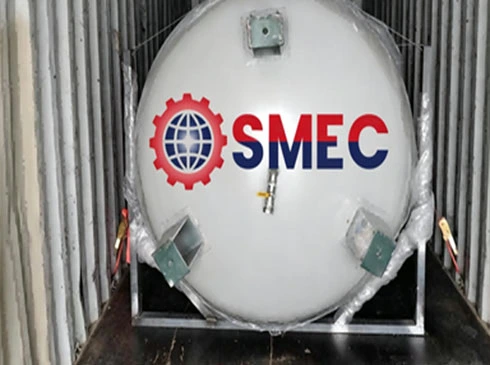
Understanding Blast Furnace Gas Purification
Blast furnace gas purification is a complex field of engineering that tries to solve one of the biggest problems in the metalworking industry: turning dirty by-product gas into useful fuel for factories. When the gas from the blast furnace comes out, it has 10–40g/Nm³ of particles, water, chlorides, sulfides, and other toxic substances that can damage equipment further down the line.
Definition and Purpose of BFG Purification
Through mechanical separation, chemical absorption, or electrostatic precipitation technologies, the cleansing process gets rid of all the dangerous parts one by one. This change is very important because it keeps the Top Pressure Recovery Turbines safe from abrasive particle wear, keeps burners from getting clogged up in hot blast stoves, and makes safe long-distance transport through pipeline networks possible. Modern systems for cleaning achieve emission levels below 5mg/Nm³, meeting the ultra-low emission standards required in all developed markets. These systems also recover useful heat that would have been lost in traditional wet scrubbing methods.
Core Technologies and System Components
Cleaning industrial gases uses built-in equipment that is made to work at high temperatures all the time. Dry-type bag filtration systems use special cloth media that can handle temperatures above 260°C. These media catch submicron particles through surface filtration. Wet cleaning systems work by using venturi principles to make high-velocity contact zones between gases and liquids that get rid of large pieces of dust. Advanced hybrid designs mix electrostatic precipitators with polishing screens further downstream, matching the cost of capital with the freedom of operations. Each system has automated ash-handling conveyors, pulse-jet cleaning systems, and tracking equipment that keeps an eye on pressure differences and particulate amounts in real time.
How Purification Enhances Plant Safety and Compliance
In addition to following environmental rules, efficient gas cleaning lowers the chance of accidents at work and equipment breakdown. Getting rid of chlorine compounds stops pipeline walls from thinning too much in complicated distribution networks that connect many large sites. Getting rid of tar aerosols stops the glaze effect that makes checker brick heat transfer less effective in regeneration stoves. Getting rid of dust all the time increases the life of turbine blades from months to years, which greatly reduces the number of unexpected repair shutdowns. These operational changes save money by lowering the cost of insurance payments, reducing the need for spare parts, and avoiding fines during environmental checks.
Key Factors to Consider When Choosing a Blast Furnace Gas Purification Service
In this specialized field, selecting a blast furnace gas purification service means weighing technical requirements against business needs and the chance of forming a long-term relationship. Because metallurgical gas cleaning is so complicated, you need service providers who know not only how to supply tools but also how to deal with the unique operating challenges that come up in steel production settings.
Assessing Facility Scale and Gas Characteristics
The bulk capacity of your blast furnace is the most important factor in choosing the right blast furnace gas purification service cleaning technology. Large-scale activities using 2000m³ to 5000m³ burners produce more than 300,000Nm³/hour of gas, which requires strong multi-chamber bag houses with extra cleaning zones. Smaller merchant pig iron makers may be able to cut costs by installing small scrubbers. Gas makeup analysis shows important design parameters: places where high-chloride ore is processed need special materials that don't corrode, like coatings that are resistant to acid and stainless steel parts inside. For plants that process different types of rock, they need systems that can adapt to changing dust loads without affecting their performance.
Evaluating Technology Sophistication and Service Flexibility
Leading service providers set themselves apart by using their own inventions to make upkeep easier and parts last longer. Look for companies that offer automatic bag leak detection using fluorescent powder tracers or optical sensor arrays that can find small tears in the filter before they become big problems. Using predictive analytics in advanced control systems can make pulse-cleaning processes more efficient by looking at real-time pressure drop trends. This reduces the amount of compressed air that is used. Service flexibility includes technical help that can be reached quickly, new media stocks that are easy to find in North America, and clear upgrade paths as emission rules get stricter.
Cost-Effectiveness and Long-Term Reliability
Total ownership estimates need to look at more than just the initial capital cost. They also need to take into account how much energy is used, how often consumables need to be replaced, and how much repair work will be needed. When you look at how much it costs to get rid of sludge and how much heat can be recovered, dry filter systems usually have better lifetime economics than wet scrubbers. To measure reliability, you should show the average amount of time that key parts last before breaking down, offer performance guarantees backed by liquidated losses, and include case studies from similar setups. If a provider is ready to set up outcome-based contracts that are in line with your dust emission goals, that shows they have real faith in their technology.
Overview of Blast Furnace Gas Purification Technologies and Methods
The mining industry uses a variety of different methods for cleaning, each one best suited to a certain type of contamination and the limitations of the process. Understanding these technical differences will help you choose tools that works best with the way your building makes things.
Comparison of Chemical and Physical Purification Methods
Because they are easy to use and can be scaled up, physical separation methods are most common in industry. Gravity settlers get rid of the bigger pieces by slowing them down, and centrifugal collectors use inertial forces to sort the ones bigger than 10 microns. These mechanical ways don't need many chemicals, but they have trouble with particles smaller than a micron. Chemical absorption uses alkaline solutions to get rid of sulfur dioxide and hydrogen sulfide, which are toxic gases that can't be removed by physical means. Hybrid methods that combine physical pre-separation with targeted chemical cleaning clean everything completely while using as few chemicals as possible and making as little waste as possible.
Industry-Standard Technologies: Adsorption, Scrubbing, Filtration
In older systems, wet scrubbing is still common. Water sprays are used in venturi throat areas to collect dust through impaction and diffusion mechanisms. These systems are 90–95% effective at cleanup, but they use a lot of water and make difficult sludge streams. Modern dry bag filtration works better because it can catch particles as small as 0.3 microns and keep the gas at a temperature that keeps the energy content for use in turbines further down the line. New catalytic purification technologies use selective oxidation to change carbon monoxide into carbon dioxide. This improves the value of fuel gas for heating while also solving worries about air quality.
Integration and Customization of Key Components
Careful planning of interaction points and control system protocols makes it possible for successful blast furnace gas purification service systems to work with current blast furnace infrastructure. For scrubber towers to work properly, the packing media must be evenly wetted, which requires precise liquid distribution channels. Bag house designs need to include flexible duct connections and expansion joints that can handle changes in temperature that happen over and over again during hot launching processes. Compressor kits that deliver pulse-cleaning air need special fans and filters to keep cleaning valves from getting wet. More and more, control platforms use distributed design to connect to plant-wide data historians. This lets systems that clean gases, make electricity, and control the load of furnaces work better together.
Selecting the Right Supplier: Top Providers and How to Evaluate Them
There are both large international companies and small, specialized producers in the global market for gas purification engineering. To find your way around this maze, you need to use organized review methods that put working compatibility ahead of marketing claims.
Leading Service Providers and Their Strengths
International engineering companies have a lot of experience with a wide range of metallurgical projects and can take care of everything from the initial idea design to post-commissioning support. Their strengths are that they handle risks well, have created quality assurance processes, and are familiar with the regulatory frameworks in North America. Because they are closer and know more about how things work in their area, regional experts are often better at customizing products and providing quick after-sales service. Companies like SMEC, which is based in Taiyuan's industry heartland, combine large-scale production with deep technical knowledge. They do this by running research institutes that focus on large-scale intelligent coking equipment innovation that can be used to solve problems in the nearby blast furnace gas treatment area.
Assessing Supplier Reliability Through Certifications and Reviews
Verifying credentials is the first step in doing your due research. Give more weight to sellers who have both ISO 9001 quality management certification and environmental management system approval. Industry-specific qualifications, such as an ASME pressure vessel fabrication license, show that you know how to make important parts. Client reviews should include operating histories spanning more than one year, not just the success of the initial commissioning. This will show how providers handle the expected problems that come up due to wear and tear. Ask for permission to visit reference sites and look at equipment in real production settings while talking to repair staff about parts availability and how quickly they can help with technical issues.
Negotiating Contract Terms and Service Plans
Comprehensive service agreements spell out exactly what needs to be done, how much extra parts will cost, and how long the company will respond. Talk about adding operator training programs that cover basic upkeep tasks and how to fix problems. This will make you less reliant on vendor techs for small problems. Think about organized maintenance contracts that include regular checks, replacing filter media, and using standardized instruments to test the system's performance once a year. Progressive payment terms that are tied to success goals protect against delivery delays and keep the vendor's finances stable while the project is being carried out. Include plans for updating technology as pollution standards change. This will help your capital investment stay in line with regulations for a longer time.
Practical Steps to Hire and Collaborate With a Blast Furnace Gas Purification Service
To hire a blast furnace gas purification service and turn technical requirements into successful procurement outcomes, players from engineering, operations, and finance need to be involved in organized ways that reveal hidden costs and make sure that everyone's standards are clear.
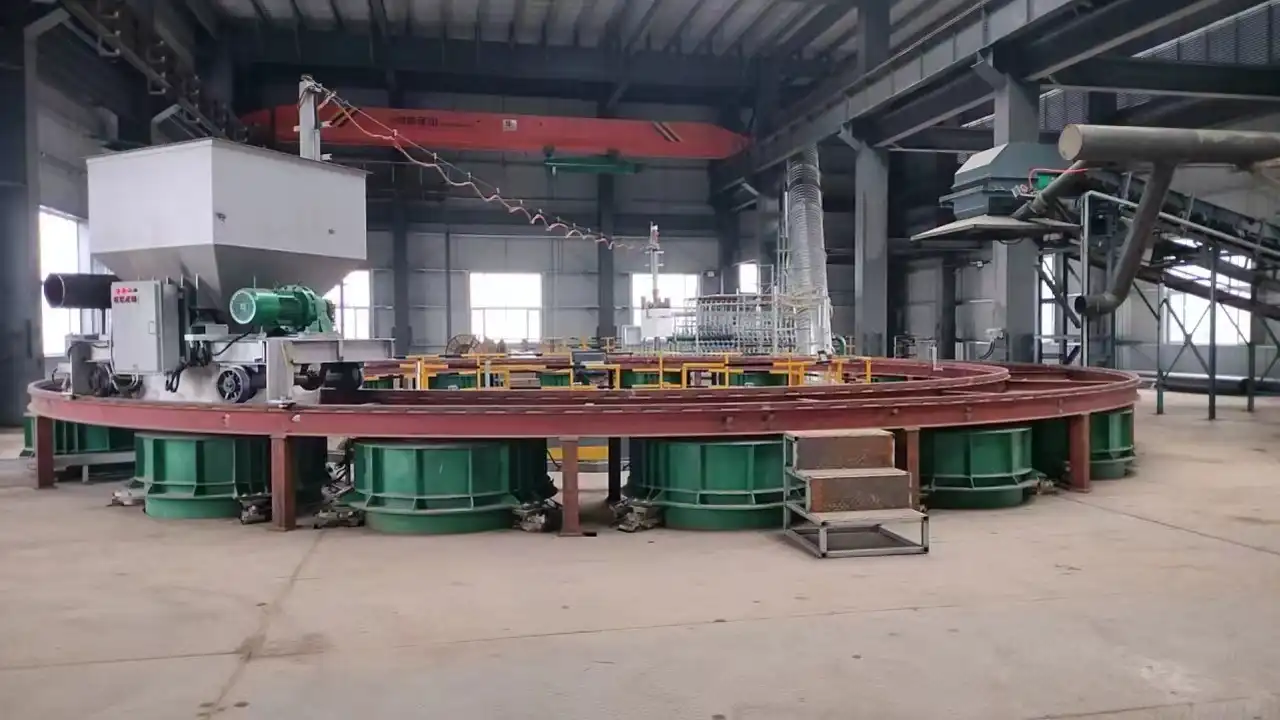
Drafting Effective Tender Documentation
In-depth question papers should include information about gas volume ranges, changes in composition, normal working conditions, and space limitations within current buildings. Include information about the power supply, the utility lines that are available, and the maximum weight that can be put on a structure for a rooftop installation. Set performance promises in terms that can be measured, such as limits on the amount of dust in the outlet, the amount of pressure drop that can happen, and the goal availability. Ask for detailed repair schedules that show how often consumables will need to be replaced and how much work will be needed. Use the application knowledge of providers to help you find value engineering options that might lower costs without affecting core performance goals.
Monitoring Service Quality and Managing Maintenance
Set up standard performance measures right away after the system is turned on by having a third party test for emissions and confirm the pressure drop. Continuous tracking should be done using laser backscattering instruments or isokinetic sampling methods that keep track of ongoing compliance. Set up reviews every three months to check the state of the filter media, the integrity of the structure's parts, and the status of the instruments' calibration. Keep detailed maintenance logs that keep track of how often the cleaning cycles happen, how much ash needs to be removed, and when parts need to be replaced. This will allow predictive analytics to find trends in degradation before they lead to failures. Build good working relationships with seller field service teams to share information and improve your own skills.
Real-World Case Study: Successful Implementation
A Midwest integrated steel mill had problems with turbine blade wear that kept the power plant from running for more than 60% of the time. The amount of dust in the outlet dropped from 18 mg/Nm³ to 3 mg/Nm³ after the old wet scrubbers were replaced with the more modern long-bag pulse filtering. Special anti-corrosion steps were added to deal with high-chloride ore profiles, and maintenance rounds were shortened from three times a year to once a year. Improvements to energy recovery improved TRT output by 12%, which saved more each year than the rise in operating costs. The project was successful because engineers worked together to improve the design and the execution was done in stages so that production problems were kept to a minimum.
Conclusion
To find the best blast furnace gas purification service partner, you need to weigh their professional skills against their business terms and the chance of working together for a long time. When buyers make their practical limits clear, carefully check suppliers' credentials, and write contracts that encourage shared responsibility, the results of their buying are the best. Modern cleaning technologies can make a huge difference in how much energy is used, how well equipment works, and how well it protects the environment, but only if they are properly matched to the needs of each location. As carbon standards keep getting stricter and the cost of energy goes up, investing in proven infrastructure for cleaning becomes not only the law, but also a way to gain a competitive edge.
FAQ
Why is blast furnace gas purification industrially significant?
After being cleaned, dangerous waste gas is turned into a useful secondary fuel that is used to power boilers, engines, and heating furnaces in steel plants that work together. By making this change, the cost of buying energy goes down by 20 to 30 percent, and it also meets stricter air quality rules. Corrosive chemicals and gritty particles destroy expensive equipment further down the line if they are not cleaned properly. This creates safety risks and unstable operations that delay production plans.
What common contaminants are targeted during treatment?
Particulate matter like large slag pieces and submicron iron oxide droplets are the main things that are targeted, along with gaseous pollutants like hydrogen sulfide, chlorine compounds, and water. Trace heavy metals, like zinc and lead, need to be taken out of rotor blades to keep the metal from breaking down. Because different types of contaminants need different ways to be separated, complete systems use treatment trains with more than one stage.
How do chemical and physical methods compare cost-effectively?
Chemical absorption requires constant purchases of reagents and disposal costs for sludge, while physical separation through filtering usually has lower running costs because it only needs new filter media. Physical methods work great for getting rid of particles but not so well for air contaminants that need to be neutralized with chemicals. Most current setups get the best lifecycle costs by using a mix of technologies and putting them where they work best.
Partner With SMEC for Advanced Gas Purification Solutions
We know how important it is to have reliable blast furnace gas cleaning for keeping operations running smoothly and following environmental rules. SMEC has decades of experience making metallurgical equipment. They work out of a 68,700-square-meter manufacturing building with 168 committed engineers, 30 of whom are senior engineers. Our Large-scale Intelligent Coking Equipment Research Institute is always coming up with new ideas that can be used in related fields of gas treatment. Whether you need a full system renovation, changes to individual parts, or expert advice, our team can help. We offer unique solutions and full support after the sale. Get in touch with our experts at project@smec.cc to talk about the specific needs of your building and find out how our blast furnace gas purification service can help you get the most out of your energy recovery, make sure your equipment lasts longer, and follow all the rules. As a well-known provider that works with metallurgical plants around the world, we offer full-service engineering, from the initial inspection to commissioning and ongoing upkeep.
References
Chen, W., & Kumar, R. (2021). Advanced Technologies in Blast Furnace Gas Cleaning: Performance Optimization and Environmental Impact Reduction. Metallurgical Engineering Press.
International Iron and Steel Institute. (2022). Best Practice Guidelines for Blast Furnace Gas Utilization and Purification Systems. Brussels: IISI Technical Committee Report.
Morrison, J.L. (2020). Dust Removal Efficiency in Modern Bag Filtration Systems for Metallurgical Applications. Journal of Industrial Air Quality Management, 45(3), 178-194.
Schneider, T., & Hoffman, K. (2023). Economic Analysis of Wet versus Dry Gas Purification in Integrated Steel Mills. Pittsburgh: Carnegie Steel Technology Institute.
United States Environmental Protection Agency. (2021). Emission Standards and Engineering Controls for Iron and Steel Manufacturing Facilities. Washington, DC: EPA Office of Air Quality Planning and Standards.
Zhang, L., Patel, S., & O'Connor, M. (2022). Corrosion Prevention Strategies in High-Chloride Blast Furnace Gas Environments. Metallurgical Process Engineering Quarterly, 58(2), 112-129.
Free consultation & volume discounts available
SEMC focuses on the entire metallurgical process—from coking, ironmaking, and steelmaking to continuous casting and rolling. Whether you face challenges related to equipment upgrades, energy efficiency optimization, or overall process transformation, please fill in the following information. Our technical team will provide you with tailor-made high-end equipment upgrade solutions and professional EPC design services to help your project be implemented efficiently.
Recommended Blog
Customizing Blast Furnace Riser Pipes for High-Pressure Environments
Maximizing ROI: Is Investing in Tuyere Imaging Service Worth the Cost?
Why Steel Plants Prefer Custom Blast Furnace Tuyere Equipment?
Installation Process for Blast Furnace Cast Iron Cooling Walls
What to Look for in Blast Furnace Tower Equipment Suppliers
Comparing Different Types of Blast Furnace Tuyere Equipment