Can Temperature Sensors Fit Different Types of Blast Furnace Cooling Staves?
Can Temperature Sensors Fit Different Types of Blast Furnace Cooling Staves?
Understanding Blast Furnace Cooling Staves and Temperature Measurement
- Understanding Blast Furnace Cooling Staves and Temperature Measurement
- Can Temperature Sensors Fit Different Types of Cooling Staves?
- High Precision Temperature Sensors vs Standard Sensors for Blast Furnace Cooling Staves
- Installation and Maintenance Guide for Temperature Sensors on Blast Furnace Cooling Staves
- Procurement Considerations for High Precision Temperature Sensors in Blast Furnace Cooling
- Conclusion
- FAQ
- Partner with a Trusted High Precision Temperature Sensor for Blast Furnace Cooling Stave Manufacturer
- References
Absolutely. A High Precision Temperature Sensor for Blast Furnace Cooling Stave is engineered with universal compatibility across copper cooling staves, cast iron staves, and welded cooling plates. These sensors adapt to diverse thermal loads, installation geometries, and operational demands without requiring structural modifications. By leveraging standardized interfaces and customizable mounting solutions, modern temperature sensors deliver accurate thermal monitoring across all stave types, supporting furnace sizes ranging from 300m³ to 5000m³ while maintaining long-term reliability in extreme metallurgical environments.

Understanding Blast Furnace Cooling Staves and Temperature Measurement
As the first line of defense against severe thermal damage, blast furnace cooling staves keep the structure's integrity while controlling the intense heat flux from making molten iron. Whether it's copper, cast iron, or a composite, each stave material has its own heat conductivity, mechanical strength, and installation qualities that affect which sensors to use and how well they work.
Why Material Matters in Sensor Selection
Copper staves are best in high-heat-flux areas because they are very good at moving heat away from the furnace shell quickly. Sharp temperature differences and fast thermal cycling happen in these staves, so sensors need to be able to respond in milliseconds and resist drift well. Cast iron staves, on the other hand, work in areas with mild temperatures and slower temperature changes. This lets them measure things steadily over long periods of time with less upkeep. When it comes to hybrid difficulties, composite and welded cooling plates are hard to get to and have changing thermal properties that require flexible sensing designs.
When choosing testing tools, it's important to understand how these materials behave. Copper systems need sensors that can pick up sudden temperature drops of more than 800°C on the hot side while staying accurate as cooling water flows at 30–40°C on the cold side. In cast iron environments, long-term accuracy is more important than long campaigns, and it's usually three to five years between major furnace overhauls.
Temperature Ranges and Sensor Technologies
Blast furnace cooling systems work in a wide range of temperatures, from the temperature of the water around you to hotspots that are close to 1200°C where refractory materials meet. Resistance Temperature Detectors (RTDs), especially Class A Pt100 elements, work best in the 0–600°C range, which is where cooling staves usually work, giving results that are accurate to within ±0.15°C. When compared to thermocouples, these sensors are more stable over time, and they don't lose their calibration as easily, which can mess up calculations of heat flux.
Thermocouples, like Type K, N, or special high-temperature alloys, are needed to keep an eye on refractory erosion or look into strange thermal events that happen outside of normal operating ranges. Because they respond faster and can handle higher temperatures, they can be used for emergency diagnosis, but they lack the accuracy needed for regular process control. Infrared devices can be used to watch surfaces without touching them, but they can't go through cooling staves to measure internal slopes that are needed to stop burn-through.
What kind of sensor to use depends on how deep it needs to be installed, how much heat it will be exposed to, and the quality of the data that you need. When metallurgical engineers figure out real-time heat flux, they need accurate measurements, which can only be provided by high-quality RTDs that have been used for years at a time.
Can Temperature Sensors Fit Different Types of Cooling Staves?
Steel mills that run mixed-age furnaces or plan retrofit projects need to make sure that different types of cooling stave designs work together. These problems can be solved by modern sensor solutions that use flexible design and standard interfaces that can work with different installation shapes without having to be specially engineered for each one.
Universal Design for Copper, Cast Iron, and Welded Plates
The temperature tracking options from SMEC work with all types of cooling staves because they use standard mounting connections and size guidelines for High Precision Temperature Sensor for Blast Furnace Cooling Stave. The sensors work perfectly with the installation holes, pipe setups, and spacing patterns that come with most cooling wall designs. This means that there is no need to make any changes to the structure or do any special drilling.

Here are the main technology changes that make universal fitting possible:
- Standardized Thermowell Dimensions: Sensor sheaths conform to industry-standard protection tube diameters (typically 6-12mm), fitting existing thermowell installations without adapter hardware.
- Variable Immersion Depths: Adjustable probe lengths from 50mm to 400mm accommodate different stave thicknesses and allow precise positioning at critical measurement points within the cooling structure.
- Pressure-Rated Sealing: Hermetically sealed junction heads withstand cooling water pressures exceeding 1.5 MPa, preventing moisture ingress regardless of stave material or cooling circuit design.
Because these traits are universal, procurement teams can standardize sensor inventory across whole furnace campaigns. This makes spare parts less complicated and maintenance procedures easier.
Adapting to Thermal Load Variations
Copper stave installations in high-heat-flux zones are hard to do because the temperature can change by 200°C in seconds during charging or burden descent events. Sensors that work in these places use low-mass junctions and fast-response thermal potting materials to get T90 response times of less than five seconds. This quick tracking of temperature changes lets automated cooling control systems change the water flow rates on the fly. This stops areas from getting too hot, which could damage or break copper plates.
Sensors that are designed for stability rather than speed help cast iron and welded cooling plates work better under mild heat loads. For long periods of time, these systems make sure that measurements are always the same. They do this by using sensor designs that reduce thermal shock stress and keep calibration integrity through thousands of thermal cycles. Since there is no performance decline or data drift, heat balance estimates can be trusted over long furnace sessions.
Case Evidence from Retrofits and New Installations
A big steel mill in the Great Lakes area recently improved the temperature tracking in three blast furnaces with working volumes ranging from 1800m³ to 3200m³. For the project, old sensors had to be replaced on copper staves that were put in place in 2008, cast iron staves that were relined in 2015, and welding cooling plates that were just made. The facility was able to make all stave types work together without any technical delays or extra costs for special manufacturing by using SMEC's standardized sensor platform.
After the placement, performance data showed that measurements were accurate enough in all zones, with copper stave sensors being able to keep up with fast thermal changes during busy production times. The cast iron installations were very stable, staying within the limits of calibration for 18 months of nonstop use without any intermediate recalibration. This real-world testing proves that sensors that are properly designed work the same way no matter what kind of cooling stave material is underneath or how old they are.
High Precision Temperature Sensors vs Standard Sensors for Blast Furnace Cooling Staves
Accurately measuring temperature directly leads to practical benefits in managing a blast furnace. Standard industrial sensors may be enough for basic tracking, but high-precision instruments allow for more advanced process control features that lower costs and make equipment last longer.
Accuracy Advantages That Drive ROI
High-precision sensors with tolerances of ±0.15°C to ±0.5°C allow for exact heat flow estimates, which are needed to get the most out of the cooling water. A mistake of 0.5°C in measuring temperature at a normal gradient can cause heat transfer rates to be off by 5 to 8 percent, which can cause either too much water use (which costs more energy) or not enough cooling (which can cause damage from heat). Over a year of continuous operation, this difference in precision has a real effect on operational costs.
Standard monitors with ±1.5°C to ±3.0°C limits work well enough to sound a warning in case of disaster, but they aren't accurate enough for predictive maintenance plans. High-precision instruments can find patterns of slow refractory erosion by noticing small changes in thermal profiles weeks before any damage can be seen. This lets planned repairs be made during planned downtime instead of having to be done quickly in an emergency.
Cost-Benefit Analysis for Procurement Decisions
High Precision Temperature Sensor for Blast Furnace Cooling Stave usually cost 40 to 70% more than normal options, but the practical returns make the extra cost worth it for facilities that put uptime and process optimization first. Better measurement quality cuts down on fake alarms that stop production for no reason. This keeps you from losing a lot of money because your heater slows down without warning.
A longer working life for sensors is another cost benefit. Premium construction with high-purity MgO wiring and corrosion-resistant Inconel 600 sheaths gives sensors a lifespan of 3 to 5 years, compared to 12 to 24 months for normal sensors. When you update sensors less often, you save money on both the parts themselves and the time and money that it takes to change them.
When purchasing managers look at investments in sensors, they shouldn't just look at the initial cost, but also the total cost of ownership. When looking at the value over more than one year, high precision sensors always show that they are worth more because they save money on maintenance, make process control better, and make equipment last longer.
Installation and Maintenance Guide for Temperature Sensors on Blast Furnace Cooling Staves
Whether temperature monitors work as well as they should or become sources of unreliable data that hurt process trust depends on how well they are installed and maintained on a regular basis.
Step-by-Step Installation Best Practices
A successful sensor installation starts with carefully preparing the area where the sensor will be mounted. Remove any dirt from the thermowells or installation holes, check the threads for damage, and make sure the cooling water channels are not under pressure while the sensor is being inserted. Apply high-temperature anti-seize compound to threaded joints to make them easier to take apart for repair.
Using depth gages or marked installation tools, place sensors at certain plunge levels. When sensing elements are under-inserted, they are outside the critical measurement zone. When they are over-inserted, they could be damaged by thermal expansion. Tighten compression fittings to the torque specifications given by the manufacturer. Not tightening them enough lets water in, and tightening them too much can damage sensor sheaths.
Signal cables should be run through a protective conduit and away from things that could cause electromagnetic interference, like induction motors and high-current bus bars. To keep noise levels down in the tough electrical environment of a furnace, use twisted-pair lead wires with grounded silver-plated insulation. Before linking to control systems, check the signal quality by measuring the insulation resistance. It should be higher than 100M© at 500V DC.
Calibration Schedules and Techniques
In order to keep their accuracy over the course of their useful life, temperature monitors need to be calibrated on a regular basis. Set the time between calibrations based on how hard the system is working. For example, sensors in high-heat areas of copper staves should be checked once a year, while installations made of cast iron can go up to 18–24 month cycles.
In order to calibrate sensors, their results are compared to those of verified reference instruments in precision oil or salt baths that cover the whole temperature range of operation. Multi-point calibration at 0°C, 200°C, 400°C, and 600°C checks the linearity of the sensor completely and finds drift patterns that mean the sensor is almost at the end of its useful life.
Keep accurate records of the calibration process, including the environment, the temperature of the bath, the licenses of the reference instruments, and any variations that were noticed. By looking at the trends in old calibration data, we can see that performance is slowly getting worse, which lets us replace the device before its accuracy goes too far from what is reasonable.
Troubleshooting Common Sensor Issues
Readings that don't make sense or sudden signal loss are usually signs of moisture getting in, broken lead wires, or weak junction connections. To start fixing the problem, check the insulation resistance. Values below 10M© mean that the sensor is contaminated with moisture and needs to be replaced. Check the cable routing for damage caused by nearby equipment or heat loss from not having enough heat shielding.
Readings from High Precision Temperature Sensor for Blast Furnace Cooling Stave that change slowly over months suggests that the sensor element is breaking down due to dirt or heat. If you compare the impacted sensors to nearby instruments that are tracking the same conditions, you'll see that consistent deviations show that the sensors have failed instead of real temperature changes. When several sensors in the same area show the same pattern, you should look into process changes or problems with the cooling system before you blame the sensors.
Procurement Considerations for High Precision Temperature Sensors in Blast Furnace Cooling
It turns out to be just as important to choose the right supplier partner as it is to specify the right technical characteristics of the sensor. When making a purchase decision, the capabilities of the manufacturer, quality certifications, and the infrastructure for after-sales support should all be taken into account.
Evaluating Manufacturer Qualifications
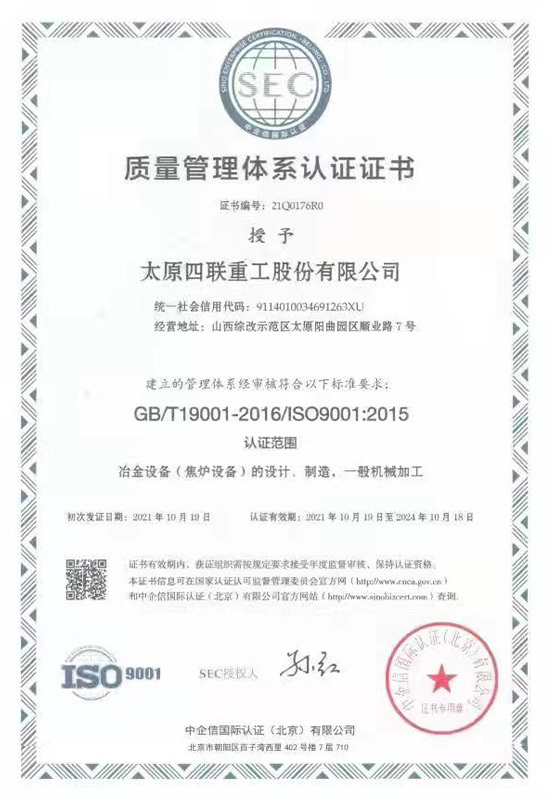
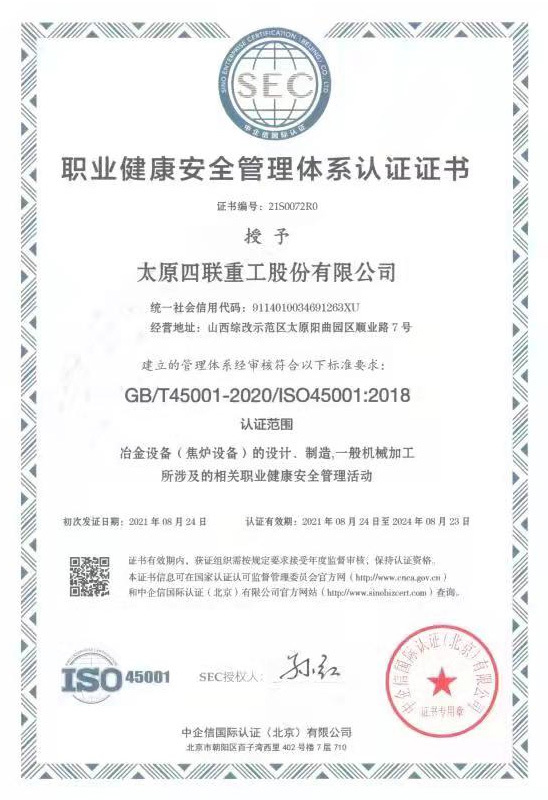
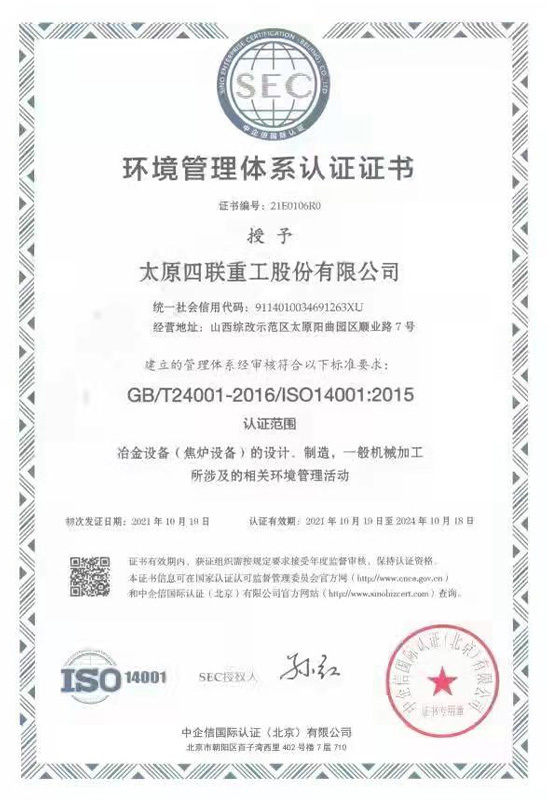
Reputable sensor makers have quality control systems that are approved to ISO 9001 standards. For example, calibration labs need to be qualified to ISO/IEC 17025. These references show that the company is dedicated to consistently high product quality and measurement accuracy. Check the testing procedures that the seller provides, such as hydrostatic pressure testing, thermal cycling stress analysis, and X-ray viewing of internal welds.
Advanced manufacturing facilities with precision CNC machining, automated laser welding, and clean-room assembly environments make sensors that are more reliable than those made by suppliers who use manual fabrication methods. Site trips or virtual tours are great ways to get a feel for the quality of the production and the ability to meet delivery dates.
Service options after the sale have a big effect on how well sensors work in the long run. Check to see how quickly the seller responds to technical questions, whether they have field service experts available to help with installation, and what the warranty covers in case of poor workmanship. Full paperwork, such as installation instructions, calibration methods, and repair guides, shows that the seller cares about the success of the customer after the sale.
Pricing Structures and Volume Considerations
The price of temperature sensors is based on the cost of the raw materials (noble metal RTD elements, high-alloy sheaths), the difficulty of making them, and how well they are calibrated. When procurement professionals know about these cost drivers, they can negotiate better with suppliers and avoid getting deals with companies that offer unrealistically low prices that hurt quality.
When you buy in bulk for multi-furnace facilities or planned expansion projects, you usually get 15–25% off of single-unit purchases. Talk about long-term supply agreements that lock in prices for two to three years and make sure that priority is given during times of high market demand. Include options for custom sensor setups that meet the needs of specific installations or old equipment.
Standard sensor configurations have lead times of 3 to 6 weeks, while unique designs can take 8 to 12 weeks from the time the order is confirmed. When planning maintenance campaigns or furnace relines, keep these dates in mind so that production doesn't get held up by instruments that are late. Keep a strategic stock of important sensors so that they can be quickly replaced when they break down without warning.
Conclusion
It is possible for High Precision Temperature Sensor for Blast Furnace Cooling Stave temperature sensors to work with different types of blast furnace cooling staves by carefully designing products that take into account the properties of the materials, the temperature surroundings, and the placement needs. Steelmakers can standardize tracking equipment across furnaces of different ages by using universal sensor platforms that give high-precision measurements. This improves process control and equipment life. Choosing qualified suppliers with tested sensor technologies, full support, and reasonable pricing guaranties that decisions about procurement will have long-lasting operational value. When metallurgical plants have both professional excellence and supply partnerships, they can get the most out of their blast furnaces by managing heat better.
FAQ
Can a Single Sensor Model Work Across All Stave Materials?
Today's high-precision sensors work well with copper, cast iron, and welded cooling plates because they are made with universal mounting ports and thermal properties that can be changed to fit different materials. The important thing is to choose sensors that are made to handle all the different types of staves' heat loads and response times. This lets you standardize your inventory while keeping the accuracy of your measurements.
How Often Should Sensors Be Calibrated?
How often you calibrate depends on how critical the measurements are and how hard the operation is. High-heat copper stave sensors should be checked once a year, but cast iron installations usually stay accurate for 18 to 24 months before they need to be calibrated. Set up calibration schedules based on past drift patterns and the process's needs for measurement accuracy. Change the time between calibrations as more operational data comes in.
What Advantages Do Digital Sensors Offer Over Analog?
Digital temperature monitors send measurement data as encoded signals that are not affected by electrical noise or voltage drop losses that happen when analog signals are sent over long distances. People who work in blast furnaces where electromagnetic radiation is common will find this trait useful. Digital instruments can also do advanced tests like self-testing, drift detection, and predictive maintenance alerts that traditional devices can't. However, they need control system infrastructure that works with digital instruments.
Partner with a Trusted High Precision Temperature Sensor for Blast Furnace Cooling Stave Manufacturer
SMEC has been making metallurgical tools for more than 30 years and can provide temperature sensor options that meet the strict needs of current blast furnace operations. Our High Precision Temperature Sensor for Blast Furnace Cooling Stave works with copper, cast iron, and welded cooling plate installations. It comes with strict quality control and full technical support. Standardized interfaces make retrofitting easier, and customization options help with installation issues that are unique to each job. SMEC sensors give your process control systems the measurement accuracy they need. Contact our engineering team at project@smec.cc to talk about your unique cooling stave monitoring needs and find out how our sensor solutions can make your furnace more reliable and efficient.
References
1. Geerdes, M., Toxopeus, H., and van der Vliet, C. (2020). Modern Blast Furnace Ironmaking: An Introduction. IOS Press, Amsterdam.
2. Nightingale, R.J. and Anacleto, N.M. (2018). "Thermal Monitoring Systems for Blast Furnace Cooling Staves: Design Considerations and Performance Validation." Iron and Steel Technology, Vol. 15, No. 4, pp. 76-89.
3. Bhattacharya, S. (2021). Temperature Measurement in Metallurgical Processes: Instrumentation and Applications. Springer Nature, Switzerland.
4. International Society of Automation (2019). Industrial Platinum Resistance Thermometers and Resistance Temperature Detectors. ISA Standard 60751, Research Triangle Park, NC.
5. Peacey, J.G. and Davenport, W.G. (2019). The Iron Blast Furnace: Theory and Practice. Elsevier Science, Oxford.
6. Zhang, L., Wang, H., and Liu, Q. (2022). "Advanced Sensor Technologies for Blast Furnace Thermal Management: A Comparative Performance Study." Metallurgical Research & Technology, Vol. 119, No. 2, Article 208.
Free consultation & volume discounts available
SEMC focuses on the entire metallurgical process—from coking, ironmaking, and steelmaking to continuous casting and rolling. Whether you face challenges related to equipment upgrades, energy efficiency optimization, or overall process transformation, please fill in the following information. Our technical team will provide you with tailor-made high-end equipment upgrade solutions and professional EPC design services to help your project be implemented efficiently.







Recommended Blog
A Complete Guide to Blast Furnace Coal Injection System Upgrade Services
Common Issues with Blast Furnace Riser Pipes and How to Fix Them
Why Does Blast Furnace Cooling Stave Need High Precision Temperature Sensors?
Overall Blast Furnace Renovation vs Partial Upgrade: Which Is Better?