Risks of Delaying Blast Furnace Lining Replacement
Understanding the Risks of Delaying Blast Furnace Lining Replacement
- Understanding the Risks of Delaying Blast Furnace Lining Replacement
- Breakdown of the Blast Furnace Lining Replacement Process
- Comparing Replacement vs Repair: Making the Right Decision
- Choosing the Right Blast Furnace Lining Replacement Service Provider
- Minimizing Risks: Best Practices and Preventive Strategies
- Conclusion
- FAQ
- Partner with SMEC for Expert Blast Furnace Lining Solutions
- References
Putting off replacing old blast furnace linings creates a chain reaction of operating risks that no steel or metalworking facility can afford to ignore. When refractory linings break down too much, the barrier that keeps molten metal from touching the furnace shell breaks. This leaves important cooling systems open to high temperatures and rust. This wear and tear causes unexpected shutdowns, higher energy costs, lower product quality, and safety risks for workers. Getting Blast Furnace Lining Replacement Service on time not only returns thermal integrity but also stops major failures that can stop production for weeks and cost a lot more to fix than planned maintenance budgets allow.

Understanding the Risks of Delaying Blast Furnace Lining Replacement
How Refractory Degradation Accelerates Furnace Shell Damage?
The blast furnace lining is the main thermal barrier that keeps temperatures above 1,500°C from reaching the outer shell, cooling walls, and structural steel. The refractory layer thins, cracks, and falls apart over time because of chemical corrosion from liquid slag, mechanical wear from materials that are lowered, and changes in temperature. When this protective layer breaks down, heat goes straight through to the shell, creating red-hot spots, overheating, and faster metal fatigue. When there are too many thermal loads on cooling systems, water leaks, steam is made, and burnthroughs can happen, which is dangerous for operators and needs instant emergency help.
Production Disruptions from Irregular Furnace Geometry
When linings are damaged, they make the inside of the furnace uneven, which changes the way it was meant to look. This unevenness makes it hard for gas to flow evenly, pushing combustion gases toward the furnace walls and leaving the central zone without enough heat. The amount of coke used goes up sharply, the effectiveness of coal injection drops, and the load falls widely. Operators have to deal with a lot of falling and slipping, unsteady temperature conditions, and unpredictable tapping conditions that lower the quality of the iron and make more slag. Every day, these operational problems get worse, which means that production has to be cut and supply promises to customers further down the line aren't kept.
Escalating Safety Hazards and Environmental Non-Compliance
Worn linings weaken the structure and make it more likely that molten metal will leak out, which is very dangerous for people working near the furnace base. Conditions of thermal runaway can happen quickly, causing people to leave and output to stop. At the same time, degraded refractories let carbon monoxide and particulate matter escape, which means that facilities don't meet EPA air quality standards. Penalties from regulators, forced shutdowns for fixing problems, and damage to the company's image all put more pressure on operating budgets and stakeholder trust. Environmental audits look more closely at furnace maintenance records, so replacing the lining on time is no longer a choice but a legal requirement.
Breakdown of the Blast Furnace Lining Replacement Process
Inspection and Damage Assessment Protocols
Professional replacement of the lining starts with full diagnostic scans that use infrared thermography, ultrasonic thickness gauges, and eye checks during planned outages. Engineers make maps of refractory wear patterns, find hotspots, and check the stability of cooling elements. This information helps choose the right materials and figures out whether full replacement or partial fixes will give the best overall value. Advanced scanning technologies find problems below the surface that can't be seen with traditional tools. This lets maintenance plans be planned ahead of time, which stops unexpected failures.
Demolition and Material Removal Techniques
To safely take down old refractories for Blast Furnace Lining Replacement Service, you need special tools and to follow safety rules for dealing with dust, heat, and tight spaces. Robotic removal tools, high-pressure water jets, and mechanical breaks are all used to get rid of damaged materials without hurting the cooling systems below. Getting rid of waste refractory must follow environmental rules, especially when the materials have heavy metals or chemical residues in them. The right order of events keeps the structure stable during the teardown process, which protects workers and keeps important furnace parts in good shape.
Installation of High-Performance Refractory Systems
For example, microporous carbon blocks are used for the hearth, silicon carbide castables are used for the bosh, and high-alumina bricks are used for the stack in the new lining system. When choosing materials, campaign life goals and budget limits are weighed against heat conductivity, slag resistance, and mechanical strength. Installation teams follow strict quality control procedures, using laser scanning to check for measurement errors and making sure that the right fastening systems can withstand the forces of thermal expansion. Precision installation has a direct effect on how long a furnace lasts and how well it works, so the expertise of the contractor is very important to the success of the project.
Controlled Curing and Performance Validation
Once they are in place, refractory linings go through carefully planned drying and heating cycles to get rid of any moisture and let ceramic links form without breaking. Temperature ramping is based on curves set by the maker and is constantly checked by thermocouples built in and automatic control systems. If you hurry through this step, you could cause spalling and early failure from the steam. As part of post-installation commissioning, thermal imaging checks, burden distribution trials, and gas permeability tests are done to make sure the lining works as planned before full production rates are resumed.
Comparing Replacement vs Repair: Making the Right Decision
When Partial Repairs Become False Economy
Small erosion problems can be fixed with gun fixes and localised patches without having to shut down the furnace completely, which saves money in the short run. But repeated emergency operations make buildings that aren't well-balanced thermally and fail in ways that are hard to predict. Each repair cycle adds new interface weaknesses where old and new materials meet, which speeds up the breakdown of materials nearby. When facilities put off full replacement, they often have more and more downtime, and in the end, they spend more on fixes than they would have on a proactive full replacement.
Long-Term Value of Complete Lining Renewal
Full replacement brings back the shape of the design, gets rid of any secret flaws, and makes furnace campaigns last years instead of months. While older installations used more energy and needed more maintenance, newer refractory materials work better and require less upkeep. Because the service life of new linings is predictable, it is easier to plan for capital expenditures and production schedules. This means that the market is less exposed during planned outages. When wear goes over 60% of the design width or when multiple zones show degradation at the same time, total cost of ownership calculations always favour a full replacement.
Emergency Response Capabilities for Critical Situations
When signs of lining failure show up, like shell temperature spikes, odd load descent, or changes in the chemistry of the cooling water, emergency replacement services move quickly to stop huge losses. Certain types of workers keep important supplies on hand and send out experienced teams that can finish projects faster. Even though emergency services cost a lot, they are nothing compared to long shutdowns that weren't planned and possible safety incidents. Building ties with qualified emergency response companies before a crisis happens makes sure that you can quickly get the resources you need when every hour of downtime costs more money.
Choosing the Right Blast Furnace Lining Replacement Service Provider
Evaluating Technical Credentials and Safety Records
To find a good Blast Furnace Lining Replacement Service provider, you need to carefully check their technical skills, safety record, and project recommendations. Contractors should show that they follow OSHA rules about working in confined spaces and at high temperatures, keep certified welding and refractory installation staff on staff, and show that they keep track of safety incidents. Technical knowledge is also important—providers need to know about burner thermodynamics, load distribution dynamics, and integrating cooling systems in order to deliver setups that meet performance standards during long campaigns.
Material Sourcing and Quality Assurance Standards
The quality of the refractory directly affects how long the lining lasts and how reliably it works. Reliable suppliers get their materials from licensed manufacturers and give test certificates that show the materials' chemical make-up, cold crushing strength, and thermal properties according to ASTM C113 and ISO 13765 standards. Inspections of new materials, testing of samples from each batch, and systems that connect installed materials to source paperwork should all be part of quality control routines. Poor materials may seem like a good deal at first, but they will break down quickly, cancelling out any savings through unexpected repairs and lost production.
Regional Service Availability and Project Support
The closeness of two places affects how the project is organised, how much it costs to mobilise, and how quickly warranty service or expert help can be provided. Providers with established operations close to major metallurgical centers can help with delivering materials, sending crews, and forming partnerships for ongoing maintenance. Complete service packages should include help with engineering design, supervision of installation, help with testing, and performance tracking during the first few weeks of operation. These extra services lower the risk of the project and make sure that it works well with the rest of the plant's processes. This is especially helpful for places that are doing big capital projects or updating old furnaces.
Minimizing Risks: Best Practices and Preventive Strategies
Implementing Proactive Maintenance Schedules
Structured maintenance programs make sure that production stays steady while also stepping in at the right time. They do this by planning checks for planned downtime and keeping track of wear through written measurements. Using historical data, predictive analytics can guess how long a lining will last, which helps procurement teams get supplies and contractors well before a problem happens. Routine maintenance also finds other problems, like cooling element corrosion, refractory anchor degradation, and shell deformation, that can be fixed quickly and avoid bigger problems that need bigger fixes.
Advanced Monitoring Technologies for Real-Time Assessment
Modern monitoring systems use sound sensors, thermal imaging cameras, and thermocouples placed on the shell to constantly check the state of the lining while it is in use. Temperature changes set off alarms before damage can be seen, which lets managed shutdowns happen instead of emergency stops. Some factories use fibre optic monitoring that is built into the refractory layers. This lets them map wear in three dimensions without having to go through the furnace. These technologies change maintenance from being reactive to being predicted. This makes it easier to plan when to repair things and makes the most of the time assets are used between big campaigns.
Building Strategic Partnerships with Service Specialists
Building long-term partnerships with skilled Blast Furnace Lining Replacement Service providers has benefits for the business that go beyond individual jobs. Trusted partners learn a lot about each furnace's features, repair history, and operational limitations. This lets them create custom solutions that other workers can't match. Collaborative planning makes it easier to pre-position materials, train crews on site-specific procedures, and fix problems quickly when they come up. Framework deals with chosen sellers make it easier to buy things, set costs that are easy to predict, and make sure that you have priority access to resources when the industry as a whole is experiencing capacity constraints.

Conclusion
Putting off replacing the linings of blast furnaces has effects that go far beyond current maintenance budgets. They risk the continuation of production, the safety of workers, compliance with environmental laws, and the life of assets. Degraded refractories make heat protection less effective, change the shape of the furnace, use more energy, and increase the risk of catastrophic failure that no reasonable operation can stand. When qualified service providers follow strict inspection methods and use proactive replacement strategies, lining maintenance changes from reactive disaster management to strategic asset optimisation. Facilities that prioritize quick action, use advanced monitoring technologies, and work with experienced refractory experts regularly achieve better campaign life, operational stability, and total cost performance than their peers who put off important maintenance choices.
FAQ
What signs indicate immediate need for lining replacement?
Critical warning signs include shell hot spots that don't go away above 150°C, strange patterns of load descent, higher coke use without any changes to the operation, temperature spikes in the cooling water, and visible refractory spalling during inspections. When more than one sign shows up at the same time, it's important to get a quick diagnosis to avoid a catastrophic failure.
How long does a complete replacement project typically require?
The length of the project depends on how big and complicated the furnace is. It usually takes 10 to 20 days to do partial relines in the hearth and bosh zones, but it takes 45 to 90 days to do a full repair that includes cooling, removal, installation, and controlled heat-up. Timelines can be shortened without lowering the level of work when there is careful planning and experienced workers.
Can lining replacement improve energy efficiency?
Modern refractory materials that are better at keeping heat in keep heat from escaping through furnace shells, which saves fuel and makes the process more thermally efficient. When linings are built correctly, they also improve the distribution of gas flow, which makes combustion more efficient and lowers coke rates by 3 to 8 percent compared to areas that are worn and uneven.
What warranty coverage should buyers expect?
Reputable service providers usually offer 12 to 24 month guarantees that cover flaws in the materials or the work itself. For premium setups, you can get longer coverage. The warranty terms should make it clear how to check, file a claim, and get an answer. A lot of the time, performance guarantees tied to specific operating measures are part of full service agreements.
Partner with SMEC for Expert Blast Furnace Lining Solutions
SMEC has decades of experience with metallurgical equipment and can handle any lining replacement problem by combining advanced refractory engineering with full project management. Our technical teams work closely with plant engineers to come up with custom solutions that meet performance needs, stay within budget, and work around operational schedules. As a reliable Blast Furnace Lining Replacement Service provider, we stick to strict quality standards when we source materials, install them and help customers after the job is done. Get in touch with our experts at project@smec.cc to talk about your furnace maintenance needs and find out how our unified approach improves campaign life and operational reliability in a way that can be measured.
References
1. Chen, W., & Liu, H. (2021). Refractory Materials for Ironmaking: Properties, Selection, and Performance Optimization. Metallurgical Industry Press.
2. International Iron and Steel Institute. (2020). Best Practice Guidelines for Blast Furnace Maintenance and Campaign Life Extension. Brussels: IISI Technical Committee.
3. Routschka, G., & Wuthnow, H. (2019). Refractory Materials: Pocket Manual—Design, Properties, Testing (4th ed.). Vulkan-Verlag GmbH.
4. American Society for Testing and Materials. (2022). ASTM C113-22: Standard Test Method for Thermal Conductivity of Refractories by Hot Wire. West Conshohocken, PA: ASTM International.
5. Lee, W.E., & Zhang, S. (2018). "Microstructural Evolution and Performance of High-Alumina Refractories in Blast Furnace Environments." Journal of the American Ceramic Society, 101(8), 3421-3438.
6. National Fire Protection Association. (2021). NFPA 86: Standard for Ovens and Furnaces—Refractory Installation and Maintenance Safety Protocols. Quincy, MA: NFPA Publications.
Free consultation & volume discounts available
SEMC focuses on the entire metallurgical process—from coking, ironmaking, and steelmaking to continuous casting and rolling. Whether you face challenges related to equipment upgrades, energy efficiency optimization, or overall process transformation, please fill in the following information. Our technical team will provide you with tailor-made high-end equipment upgrade solutions and professional EPC design services to help your project be implemented efficiently.
Recommended Blog
Installation Process for Blast Furnace Cast Iron Cooling Walls
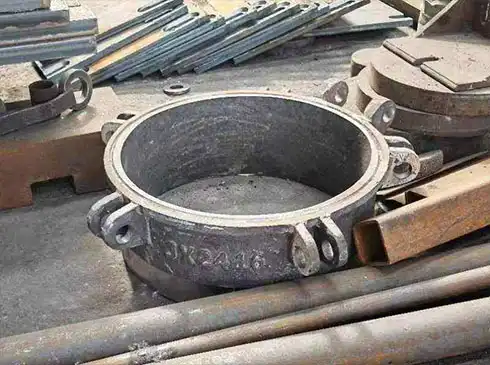
How Blast Furnace Tower Equipment Supports Large-Scale Production?
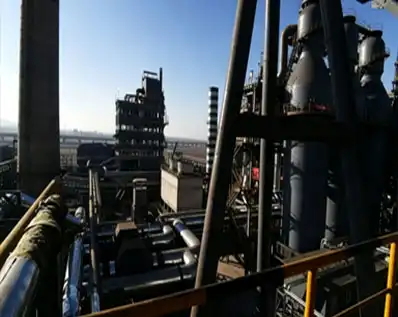
Key Considerations Before Starting a Blast Furnace Renovation
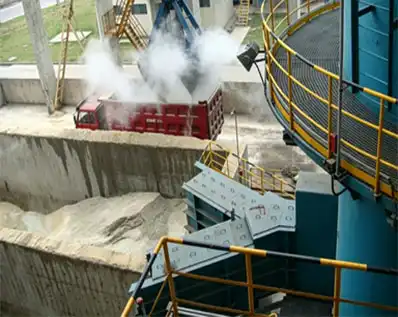
Features to Look for in Modern Drill Rod Replacement Devices
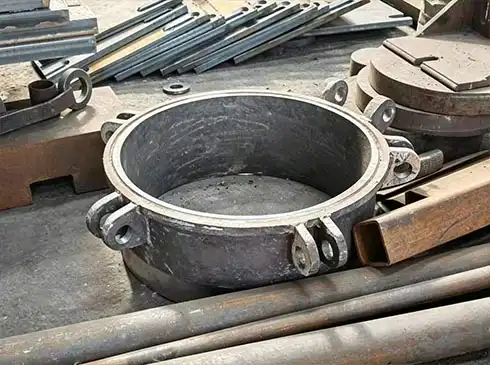
How Does a Three-Ring Cone Scrubber Work in Blast Furnace Gas Cleaning?
How Industrial Water-Cooled Valves Handle Extreme Temperatures?