Blast Furnace Cloud Diagnosis Service Process Explained
Introduction
- Introduction
- Understanding Remote Cloud Diagnosis for Blast Furnaces
- The Blast Furnace Cloud Diagnosis Service Process Explained
- Comparing Remote Cloud Diagnosis with Traditional Methods
- How to Procure and Implement a Remote Cloud Diagnosis Service for Blast Furnaces?
- Maximizing the Impact of Remote Cloud Diagnosis: Performance and Maintenance Optimization
- Conclusion
- FAQ
- Partner with SMEC for Advanced Remote Cloud Diagnosis Service for Blast Furnace Operations
- References
A remote cloud diagnosis service for blast furnace operations represents a transformative shift in how metallurgical facilities manage their most critical assets. This advanced industrial solution integrates cloud computing with IoT-enabled sensors to deliver comprehensive, real-time monitoring of furnace health, operational parameters, and maintenance needs. By bridging the gap between on-site equipment and centralized analytical platforms, this technology empowers plant managers and engineers to identify potential failures before they escalate, optimize thermal efficiency, and extend furnace campaign life while minimizing unplanned shutdowns that can cost millions.

Introduction
The most important steelmaking machine is the blast furnace. Small flaws might generate significant safety and money issues. These massive structures require constant attention due to their complex thermal dynamics, chemical reactions, and mechanical systems. Traditional methods of problem diagnosis, which rely on hand inspections and data from a single control room, typically contain gaps that allow problems to fester until they become emergencies.
Remote cloud diagnosis for blast furnaces is revolutionary. They provide continuous, predictive blast furnace health data using modern cloud computing and IoT technology. These systems feed data from the furnace's thousands of sensors to protected cloud platforms, where smart algorithms discover patterns, outliers, and maintenance needs. This technology gives business-to-business procurement clients actionable intelligence that lowers maintenance costs, prevents catastrophic failures, and gives them measurable competitive advantages in an industry where operational excellence is key to success.
Understanding Remote Cloud Diagnosis for Blast Furnaces
Core Technology Foundation
Remote cloud diagnosis for blast furnaces uses many technologies to monitor your furnace. IoT-enabled sensors monitor equipment parameters such hearth and bosh thermocouple readings, stack pressure, top gas composition, cooling water flow rates, and mechanical part vibration. These sensors provide data through secure industrial gateways using MQTT and OPC-UA. This ensures compatibility with SCADA and DCS systems.
The cloud platform stores this continual flow of data in massive databases while performing real-time analytics. Advanced edge computing processes plant-level data, filters noise, reduces bandwidth, and keeps crucial warnings under 500ms. Traditional arrangements have "information silos"; our design eliminates them. These setups lock valuable data in local systems that experts who can provide instant advice can't access.
Key Capabilities and Benefits
Cloud-based data analysis has many advantages. By discovering minor trends that system monitors miss, real-time data analytics make sensor readings meaningful. The ability to remotely provide technical support allows metallurgical experts to monitor operations 24/7 without having to be on-site. Automated warning systems alert when parameters exceed safe limits. Maintenance personnel have time to fix tiny issues before they become severe failures.
Increasing safety is the main benefit. These services detect fire damage, cooling system issues, and temperature variances to prevent burn-throughs and gas leaks. When decision-makers get complete, up-to-date furnace state information, operational risk drops significantly. Optimising thermal management reduces coke use, increases petrol utilisation, and maintains hot metal quality. All of these directly reduce running costs and boost production.
The Blast Furnace Cloud Diagnosis Service Process Explained
Comprehensive Diagnostic Coverage
SMEC's remote cloud diagnosis service for blast furnaces covers six primary practical difficulties, providing a complete diagnosis framework. This comprehensive strategy eliminates steelmakers' daily frustrations, including safety and energy waste.
The service starts with furnace body safety risk diagnosis. Cloud-based analysis detects refractory deterioration in the hearth and bottom, weakening residual linings, odd slag-iron heads, and greater cooling stave thermal loads. The approach determines tuyere water leakage and tap hole wear. This warns of burn-through or water leakage. When risky conditions arise, the platform provides professional furnace protection procedures that instruct personnel on immediate safety steps.
Keeping the furnace stable: The diagnosis addresses production team operating issues. The service accurately detects material slides, hanging circumstances, pipeline journey issues, and gas flow around edges. It monitors pit activity, slag skin adhesion and removal, furnace temperature, and hot metal's instability. The technology helps us fix difficulties with gas dispersion, load distribution parameter matching, and thermal regime by determining the fundamental reasons.
Energy consumption diagnosis targets profits. High coke ratios, inefficient coal use, gas utilization, and plant energy waste are investigated by the platform. It distinguishes high energy use from raw material, tool, or process parameter issues. This extensive analysis helps purchasing managers and plant engineers spend their money wisely by adjusting raw material requirements, buying new equipment, or improving process efficiency.
Operational Workflow and Integration
Technical teams analyze the sensor infrastructure and control systems on-site to begin the procedure. Many modern blast furnaces have instrumentation. The cloud analytic service finds coverage gaps that need more sensors using these investments. Secure industrial gateways connect on-site systems to the cloud. Private working data is protected by AES-256 encryption and multi-factor authentication.
The system starts monitoring immediately after attachment. Edge processing units remove noise and highlight urgent parameters from sensor data. This improved stream of data is uploaded to the cloud platform, where machine learning algorithms trained on furnace performance patterns discover deviations from the ideal furnace operation. Visualization dashboards use color-coded alerts, trend graphs, and 3D digital twins to help operators understand complex furnace conditions.
There are various ways to get ideas. Automation sends push notifications to specific phones when important limits are reached or exceeded. Daily operational reports summarize key success factors and highlight concerns and improvements. Metallurgical professionals occasionally conduct in-depth studies on furnace management tactics such as campaign life extension, refractory maintenance timing, and major overhaul planning.
Proven Results and Emerging Capabilities
When metalworking factories use cloud diagnosis services, they report real gains in a number of areas. When predictive maintenance is used instead of reactive maintenance, unplanned loss goes down by a lot. Some companies have seen drops of over 40%. Maintenance works better when workers get clear instructions on where problems are and why they're happening, so they don't have to waste time investigating. When operators fine-tune parameters based on continuous feedback instead of making adjustments every so often, energy use often drops by a few percentage points.
New technologies look like they will make these abilities even better. With each boiler campaign they look at, artificial intelligence programs get smarter, which makes their predictions more accurate and increases the types of situations they can predict. Machine learning models that are taught on datasets from multiple furnaces find trends that can't be seen by a single-site study. These insights help the whole industry. When furnace performance data is integrated with enterprise resource planning systems, it creates closed-loop optimization, where decisions about buying raw materials and making schedules are affected by the performance of the furnace.

Comparing Remote Cloud Diagnosis with Traditional Methods
Fundamental Differences in Approach
Traditional blast furnace diagnosis involves regular manual examinations. Techs take samples regularly to be analysed in the lab, operators visually check accessible areas and maintenance teams only investigate problems when equipment stops working or sounds an alarm. This reactive method has weaknesses: data collecting isn't continuous, so there are dark patches between inspection rounds; people can overlook subtle changes over time; and reaction times are delayed because problems must be visible before being investigated.
Remote cloud diagnosis for blast furnaces in remote cloud diagnosis service for blast furnace changes everything. Continuous data collection finds and records all parameter changes 24/7 without human intervention. Statistical analysis and machine learning identify patterns that may not appear noteworthy to humans but indicate potential issues. Predictive alerts allow maintenance staff to resolve issues during planned downtimes rather than during production operations.
Selection Criteria for B2B Clients
The costs of each method vary greatly. Traditional methods seem inexpensive because they require little technology beyond ordinary control systems. However, unscheduled breaks, expensive emergency fixes, and equipment that goes down without warning add up to hidden expenditures. Cloud diagnosis requires subscription or service fees and an initial investment, although these expenses are minor relative to the money saved by avoiding problems and improving operations. Studies in numerous fields demonstrate that the return on investment usually occurs within 12 to 18 months, and the benefits expand as the system learns new structure.
Procurement professionals may consider several variables when evaluating cloud diagnosis firms. Service level agreements guarantee technical support uptime, data accuracy, and response times. When the service is vital to business, consider these. System integration shows how well the system will operate with SCADA, DCS, and corporate applications; easy compatibility keeps operations running while the solution is set up. Instead of forcing operations to follow templates, customisability lets the platform adapt to each location. Data security and compliance must be examined thoroughly.
How to Procure and Implement a Remote Cloud Diagnosis Service for Blast Furnaces?
Needs Assessment and Provider Evaluation
Know what challenges and goals your location is trying to solve to buy well. Conduct internal surveys to determine current issues. Are unexpected outages your biggest concern? Does energy use exceed corporate standards? Does recent work end early because it couldn't start? Set baselines for the service's return on investment by calculating the cost of these issues.
Once you know your priorities, you can create situation-specific evaluation criteria. Monitoring fireplace temperature requires different accuracy than other system parameters. User interface quality affects adoption. Complex systems remain dormant, but easy-to-use dashboards are popular. Examine pricing models carefully. Subscription services are reliable and offer continual support and changes. Organizations that would rather spend money on capital projects than operations may favor one-time purchases.
Request demos from several providers. Share your unique use cases and enquire how their technologies may solve your difficulties. Check their answers to see how much they know about metals, not just their technology. Best partners ask detailed inquiries about raw materials, furnace design, and business operations. They're tailoring solutions to your needs rather than offering a generic package.
Implementation Best Practices
After choosing a service, application planning determines success. Form a cross-functional team including operations, support, IT, and management to guide deployment. Thus, all perspectives are considered, and the organization's support is strong, which is important for adoption. Plan a progressive deployment starting with furnace or subsystem tests. This will allow teams to learn and prove themselves before launch.
Staff training requires focus. Technical teams need extensive platform, alert, and problem-solving training. Operators should be able to find the information they need without difficulty during their shifts. Management needs executive dashboards with KPIs and financial impacts. Teams gain value from ongoing training as they master new features and improve research skills.
Whether technology functions or merely collects digital dust depends on change management and users. Explain why the corporation is using remote cloud diagnosis for blast furnaces instead of calling it surveillance. Highlight how it will simplify and secure work. Frontline staff should adjust alert levels and dashboard styles. That will make them feel like system owners. Publicise early wins by highlighting times the platform fixed issues or improved operations. These activities convert doubt into excitement, speeding acceptance and ROI.
Maximizing the Impact of Remote Cloud Diagnosis: Performance and Maintenance Optimization
Overcoming Maintenance Bottlenecks
Using traditional methods for maintenance causes predictable bottlenecks that can be fixed automatically by a remote cloud diagnosis service for blast furnace. Delay in finding faults is probably the most expensive bottleneck. By the time problems are noticed by dropping performance, the damage has often already been done a lot, needing big fixes and a long period of downtime. When cloud systems find problems early on, when simple fixes are all that's needed, big changes are turned into small ones.
When repair teams don't have accurate information about faults, they lose time and money by putting resources in the wrong places. Technicians do tests that take a lot of time, and they often replace parts that they think are broken before they are definitely found to be broken. Cloud diagnosis finds the exact locations and causes of problems so that repair teams can arrive with the right parts and information and finish the job in hours instead of days. This level of accuracy extends to scheduling preventive maintenance. The platform focuses on systems that are close to the end of their useful life, rather than sticking to strict calendar-based schedules that cause extra work or failures that were not expected.
Condition-based maintenance plans that find the best mix between machine reliability and upkeep costs are made possible by real-time insights. Instead of running equipment until it breaks (which increases runtime but increases the risk of catastrophic breakdowns) or doing too much preventive maintenance (which increases reliability but wastes money on repairs that needn't be done), condition-based methods step in at the best time. Sensors pick up on real wear and tear and set off repair tasks only when they are really needed. It has been shown that this method can lower upkeep costs by 25–30% while also making tools more available.
Continuous Improvement Through Analytics
Because they learn more over time, cloud analysis tools become more useful as time goes on. Trend analysis that can't be done with traditional methods is made possible by historical data. This data shows seasonal patterns, connections between raw materials, and operating practices that affect long-term performance. Machine learning algorithms that have been trained on datasets from multiple years can predict how furnaces will behave more and more accurately, giving earlier warnings and more accurate suggestions.
Benchmarking performance against similar facilities (while making sure the data is kept anonymous) finds ways to make things better. If similar furnaces get better coke rates or last longer during campaigns, a thorough analysis will show the operational differences that make them perform better. This sharing of information speeds up progress across the whole business, raising the standards at all involved facilities.
Simulation tools are a new area of cloud diagnosis that has a lot of potential. More advanced platforms can simulate various working situations and guess how changes to parameters would affect performance before they are put into action in real life. Planning to change how the burden is distributed? Before putting time and money into real trials, run simulations to try out different setups and find the best way to do things. Looking at different places to get raw materials? Make a model of how they affect furnace wear and heat efficiency. This feature changes operational management from fixing problems after they happen to using data to make predictions about how to improve things before they happen.
Conclusion
Remote cloud diagnosis service for blast furnaces is a big step forward in managing blast furnaces because they meet the urgent need for ongoing, accurate information in a field where machine dependability and efficiency directly affect profits. These tools provide measurable value in safety, productivity, and cost by getting rid of diagnostic blind spots, letting experts help from afar, and giving maintenance teams actionable data for better planning and execution. The technology is no longer just an idea; it has been used in real-world situations and shown to be very profitable, and new features look like they will make the benefits even greater. For metallurgical operations that want to stay ahead of the competition, cloud diagnosis has gone from being an optional innovation to an operational must.
FAQ
What types of sensors are deployed for comprehensive blast furnace monitoring?
A full remote cloud diagnosis service for a blast furnace system uses a variety of monitor types to record all the important data. Thermocouples placed at different levels of the furnace keep an eye on the temperature in the stack, the bosh, the belly, and the hearth. They look for changes in temperature that could mean that the refractory is wearing out or there are thermal imbalances. Pressure sensors measure the difference in pressures between layers of load and the absolute pressure at key elevations. This helps find situations where loads are hanging or channels are forming. Gas analysers constantly check the makeup of the top gases, including CO, CO₂, H₂, and temperature. This gives information about how well the fuel is burning and how evenly the load is falling. Cooling system sensors check the flow rates of water, the temperatures at the inlet and outlet, and the differences in pressures across the cooling staves to find blockages or leaks before they cause the system to fail. Mechanical equipment with vibration monitors can tell when bearings are wearing out, when there is an imbalance, or when structural problems start to show up in skip hoists, top charging systems, and fans.
How do cloud diagnosis services protect sensitive operational data?
How do remote cloud diagnosis service for blast furnace keep operating information secret and safe from cyber threats? Multiple levels of defense are used in data security to keep operating information secret and safe from cyber threats. End-to-end encryption with AES-256 standards keeps data safe while it's being sent from the plant to the cloud and while it's being stored in databases. Network segmentation separates operational technology (OT) networks from information technology (IT) systems, making it impossible for people who aren't supposed to be there to get in. Multi-factor authentication makes sure that only authorized users can get into the platform, and role-based rights make sure that users can only see information that is important to their jobs. Independent security firms do regular attack testing to make sure that defenses against new cyber threats are still effective. More security is provided by following international standards like ISO/IEC 27001 for managing information security and IEC 62443 for protecting industry communication networks. Most companies offer private cloud deployment choices for businesses that need to meet very high security standards. In these cases, the hardware is kept separate from other users, instead of being shared among many.
Partner with SMEC for Advanced Remote Cloud Diagnosis Service for Blast Furnace Operations
The SMEC company, which is part of the Taiyuan Silian Heavy Industry (Group) Co., Ltd., has decades of experience in optimizing blast furnaces using specialized metallurgical equipment and industrial intelligence solutions. Our remote cloud diagnosis service for blast furnaces covers all six important operational areas, from the safety of the furnace body and operational stability to saving energy and extending the life of the campaign. There are no diagnostic blind spots. As a top company that makes and sells integrated coking and ironmaking solutions, we combine our extensive knowledge of metals with the newest cloud computing and Internet of Things (IoT) technologies to create platforms that not only process data but also understand how furnaces work. Our 168 engineering and technical workers, 30 of whom are senior engineers, offer quick help during implementation and operation. Together with SMEC, you can get an advanced remote cloud diagnosis service for blast furnace operations. Email our team at project@smec.cc to set up a demonstration that is tailored to the problems and operational goals of your facility.
References
1. Chen, W., Zhang, L., & Kumar, R. (2022). "Predictive Maintenance in Iron and Steel Industries: Cloud-Based IoT Solutions." Journal of Manufacturing Systems, 64, 287-301.
2. International Iron and Steel Institute. (2023). "Digital Transformation in Blast Furnace Operations: Technology Adoption and Performance Outcomes." IISI Technical Report Series, Volume 41.
3. Müller, H., Schmidt, J., & Tanaka, Y. (2021). "Remote Monitoring Technologies for High-Temperature Industrial Processes: A Comparative Analysis." Industrial Engineering & Chemistry Research, 60(18), 6745-6762.
4. Patel, S., O'Brien, M., & Liu, X. (2023). "Cybersecurity Frameworks for Industrial IoT in Metallurgical Operations." Computers in Industry, 145, 103821.
5. Yamamoto, K., Lee, S., & Andersson, P. (2022). "Condition-Based Maintenance Strategies for Blast Furnace Equipment: Cost-Benefit Analysis of Cloud Diagnostic Systems." Ironmaking & Steelmaking, 49(5), 512-529.
6. Zhou, Q., Thompson, R., & Garcia, M. (2023). "Machine Learning Applications in Blast Furnace Process Optimization: Recent Advances and Future Directions." Metallurgical and Materials Transactions B, 54(2), 891-908.
Free consultation & volume discounts available
SEMC focuses on the entire metallurgical process—from coking, ironmaking, and steelmaking to continuous casting and rolling. Whether you face challenges related to equipment upgrades, energy efficiency optimization, or overall process transformation, please fill in the following information. Our technical team will provide you with tailor-made high-end equipment upgrade solutions and professional EPC design services to help your project be implemented efficiently.
Recommended Blog
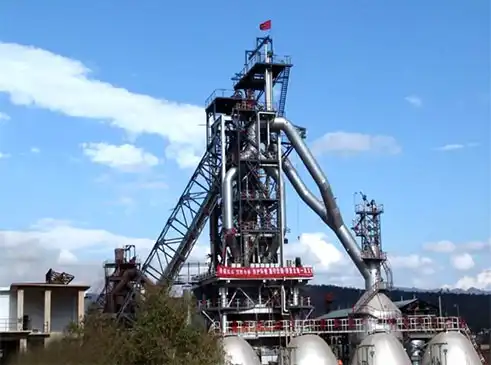
How to Extend the Service Life of Blast Furnace Tuyere Equipment
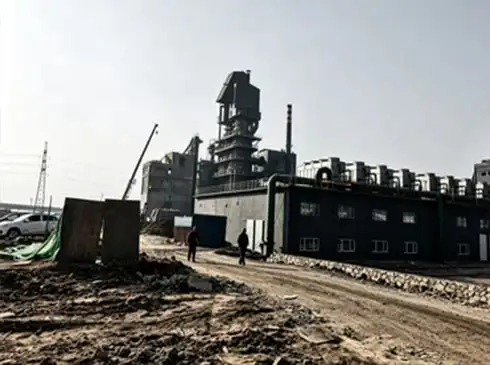
_1786010227841.webp)
What Does Tuyere Injection Anti-Corrosion Service Include?
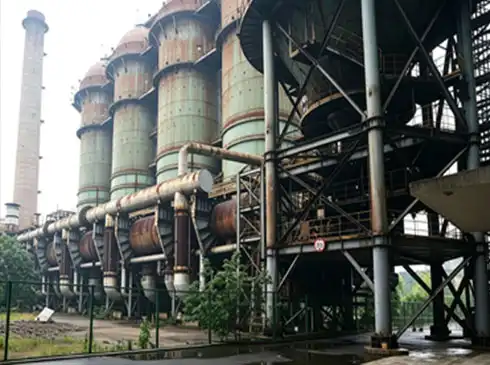
Why Every High-Capacity BF Needs an Automatic Cooling Water Barrier?
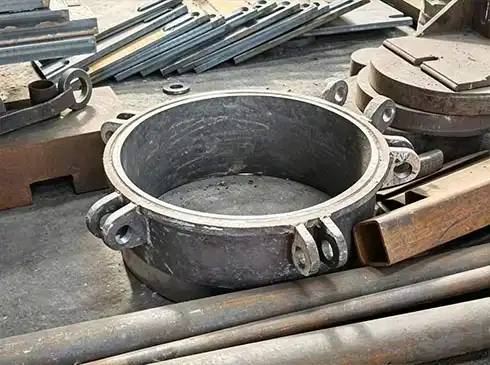
Does Gas Purification Revamping Require Blast Furnace Shutdown?
How Overall Blast Furnace Renovation Improves Steel Plant Efficiency?